Yellow begonia leaves are the most common distress signal you will see, and the instinct is always to water less. But overwatering is only one of five likely causes. The real diagnostic clue is which leaves turn yellow first and how the yellowing spreads. Once you know what to look for, you can pinpoint the problem before it gets worse.
This page is diagnostic only — it helps you identify the cause. Once you know what is going on, the linked pages walk you through the fix. If your begonia has yellow leaves and mushy stems at the base, skip straight to the root rot section.
How to Read Yellow Begonia Leaves: Location Tells the Story
Lower leaves first: If the oldest, lowest leaves are turning yellow one at a time while the top of the plant looks fine, this is usually natural senescence (the plant shedding old growth) or a mild nitrogen deficiency. Both are low-urgency issues.
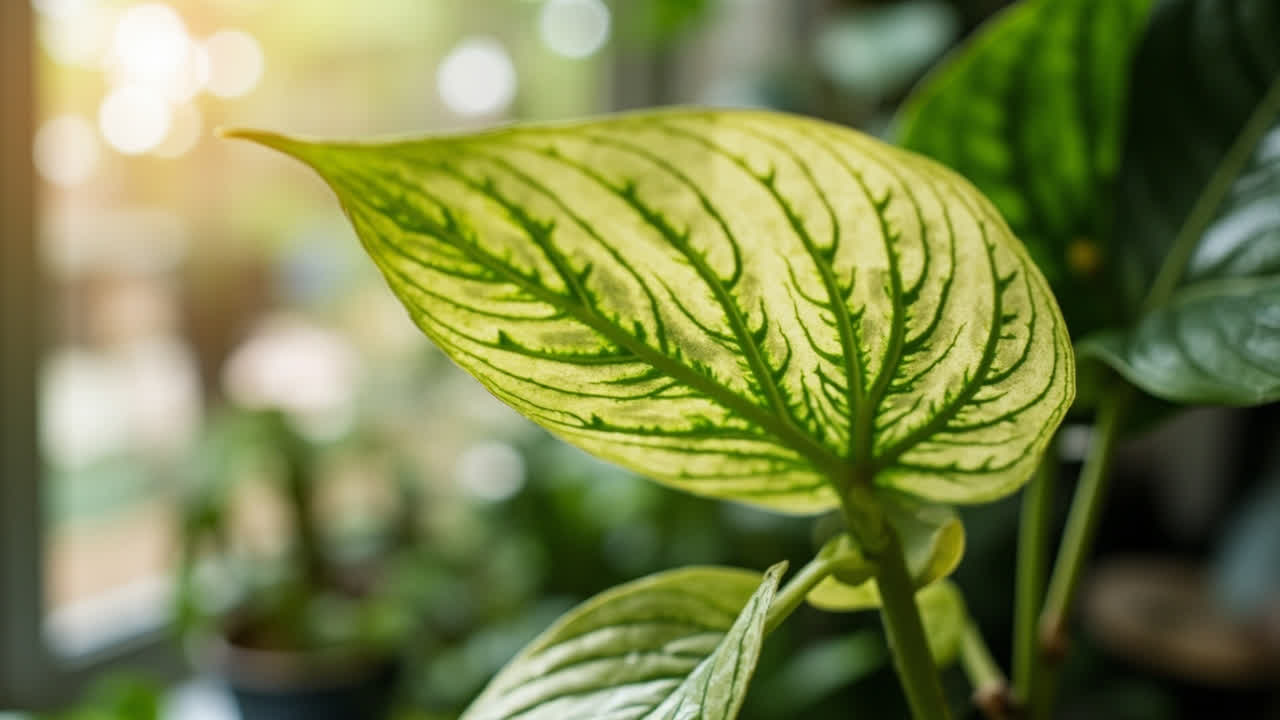
New growth yellowing: If the newest, smallest leaves are coming in yellow or pale, the problem is more likely related to iron chlorosis (often from high soil pH) or a general nutrient deficiency. This needs attention but is not an emergency.
Scattered yellow patches: If yellowing appears randomly across the plant — middle leaves, top leaves, no clear pattern — think overwatering or root rot. When roots cannot breathe, the plant cannot deliver water or nutrients to the leaves, and yellowing appears everywhere at once.
Overwatering: The Most Common Cause
What overwatering looks like on a begonia: Leaves turn a soft, pale yellow (not crisp or brown). The leaf texture becomes limp and slightly translucent. The soil smells musty or sour. In advanced cases, the stems at the soil line turn brown and mushy.
How to confirm: Stick your finger 1 inch into the soil. If it feels wet or soggy, you are overwatering. If the pot feels heavy and there is water in the saucer below, the soil has not drained properly. Root rot often follows within one to two weeks of these conditions.
Overwatering is not about how much water you give — it is about how fast the soil drains and how long it stays wet. A begonia in a plastic pot with no drainage holes in a dark corner will stay wet for weeks even with light watering. The fix is always better drainage and less frequent watering, not less water per session.
Natural Senescence: When Yellow Is Normal
Begonias regularly shed their oldest leaves. If one or two lower leaves turn yellow per week while the rest of the plant pushes out healthy new growth, the plant is simply retiring old foliage. This is normal and requires no action.
The difference between senescence and a problem is pace and pattern. Senescence is slow — one leaf at a time, lower only, with no other symptoms. A care problem is faster — multiple leaves at once, often across the plant, sometimes accompanied by wilting or soft stems. If you are not sure, watch for one week. If the yellowing stops at one or two leaves, you are fine.
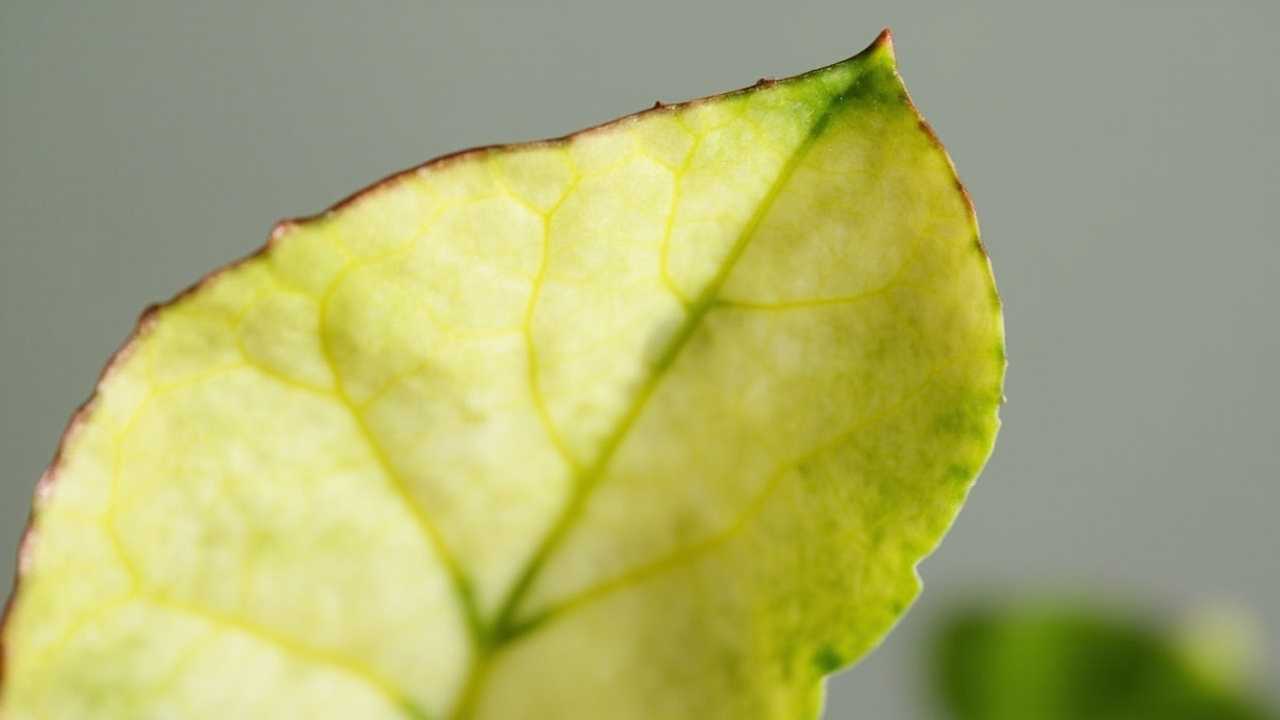
Underwatering, Nutrient Deficiency, and Light Stress
Underwatering: Yellow leaves from underwatering look different — they turn yellow with crispy, papery edges. The soil pulls away from the sides of the pot and feels bone dry. A thorough soaking usually revives the plant within 24 to 48 hours. For more detail, see light requirements for begonias since light and water needs are connected.
Nutrient deficiency: A general yellowing that starts in older leaves and moves upward often signals nitrogen deficiency. Interveinal chlorosis (yellow leaf tissue with green veins) points to iron or magnesium deficiency, usually caused by soil pH that is too high. A half-strength balanced fertilizer at the next watering usually corrects mild deficiencies within two to three weeks.
Too much direct light: Leaves that face a south or west window directly can develop yellow or bleached patches that eventually turn brown and crispy. This is sunburn, not a watering problem. Move the plant 2 to 3 feet back from the window or filter the light.
Quick Diagnostic Checklist
Use the table below to match your symptoms to the most likely cause:
| Symptom | Likely Cause | Urgency |
|---|---|---|
| One lower leaf yellowing at a time | Natural senescence | None |
| Multiple soft yellow leaves, wet soil | Overwatering | Moderate |
| Yellow with crispy edges, dry soil | Underwatering | Low |
| Yellow with green veins (interveinal) | Nutrient/pH issue | Moderate |
| Random yellowing + mushy stems | Root rot | High |
| Bleached yellow patches on sun-facing leaves | Too much direct light | Low |
If root rot is the issue, fixing the watering alone will not save the plant. The well-draining soil mix matters here because heavy soil holds too much moisture around the roots.
When Yellow Leaves Mean Root Rot
Yellow leaves plus any of these signs point to root rot: foul smell from the soil, mushy dark stems at the base, roots that are brown and soft instead of white and firm, or a plant that wilts despite wet soil. Root rot is caused by fungi that thrive in saturated, poorly drained soil. Once roots rot, they cannot absorb water or nutrients, and the plant yellows rapidly.
Root rot moves fast. If more than half the root system is affected, the plant may not recover. The rescue protocol is to remove the plant from the pot, trim all rotten roots, repot in fresh dry soil, and water very lightly for two weeks. For the full step-by-step rescue process, see the dedicated root rot solution page.
The best prevention is soil that drains fast and a pot with drainage holes. If you are reusing a pot that held a rotting plant, wash it with a 10 percent bleach solution before repotting. Fungal spores can survive in dry soil for months and will reinfect a healthy plant if conditions stay wet.
From PDF to Excel in one click
Forget retyping line by line. Upload any bank statement, get a spreadsheet you can actually use. Your files are never stored, and you can test the converter with 3 free conversions.
Try it free