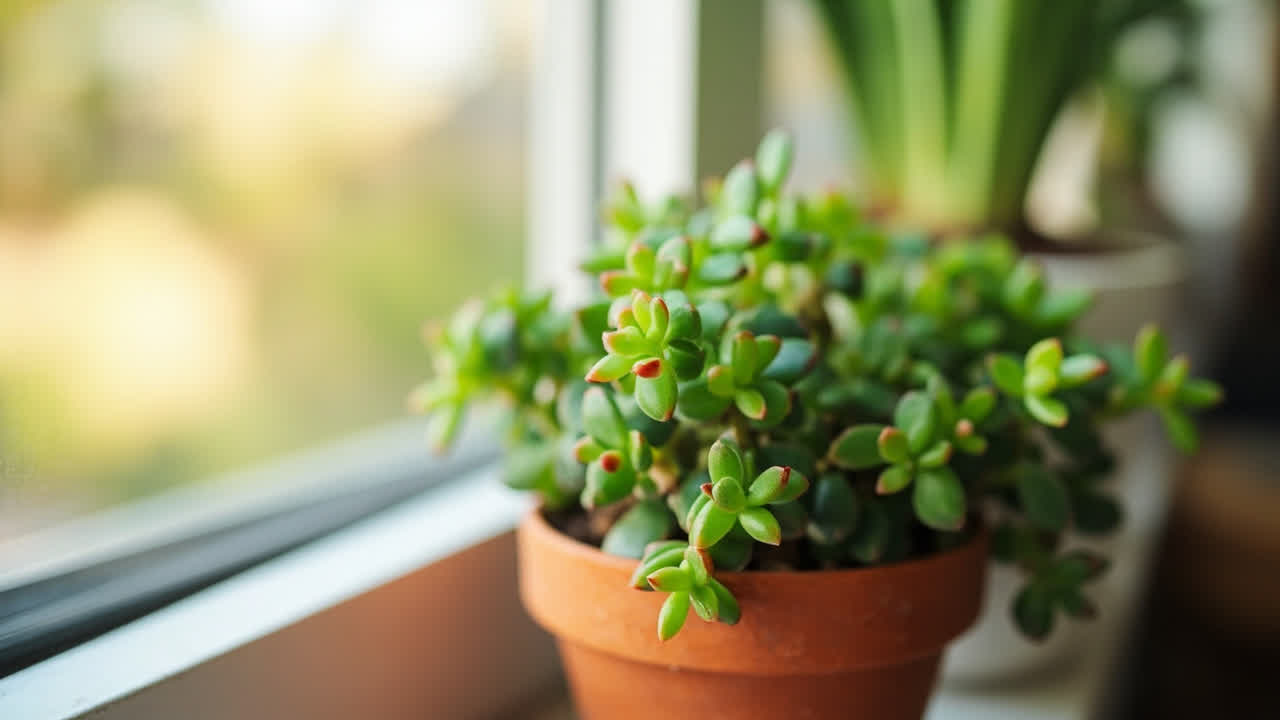
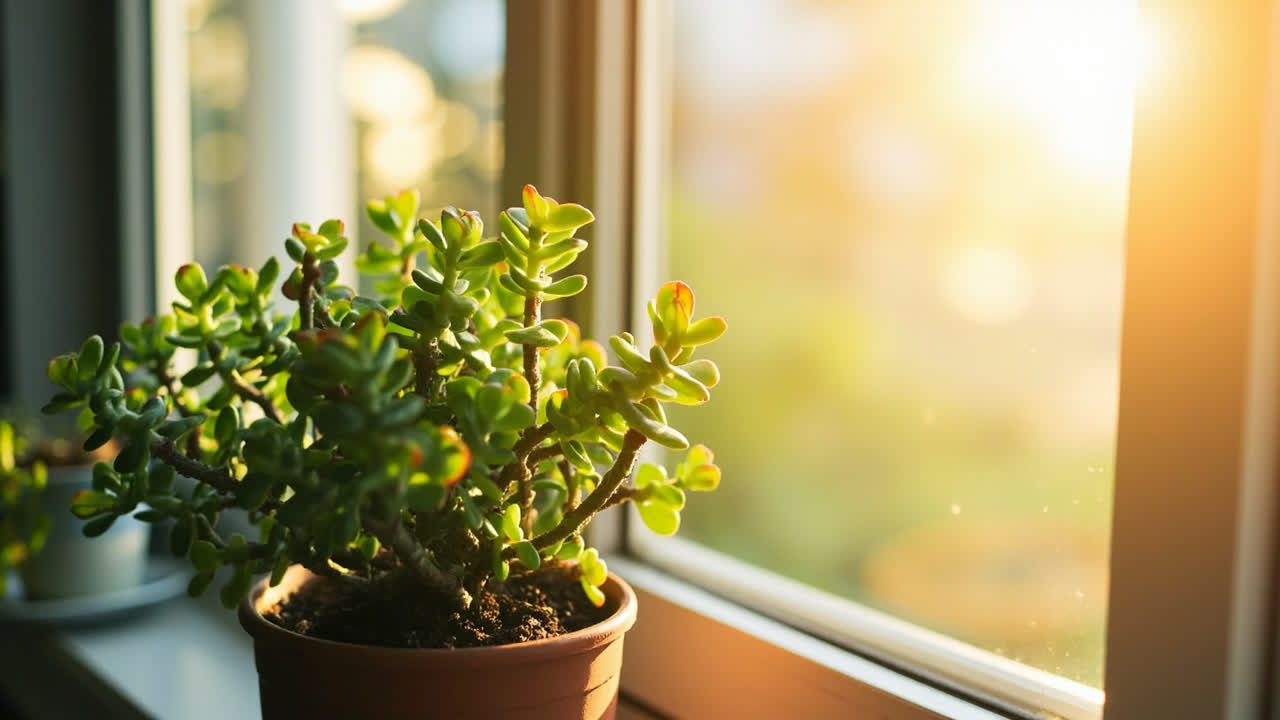
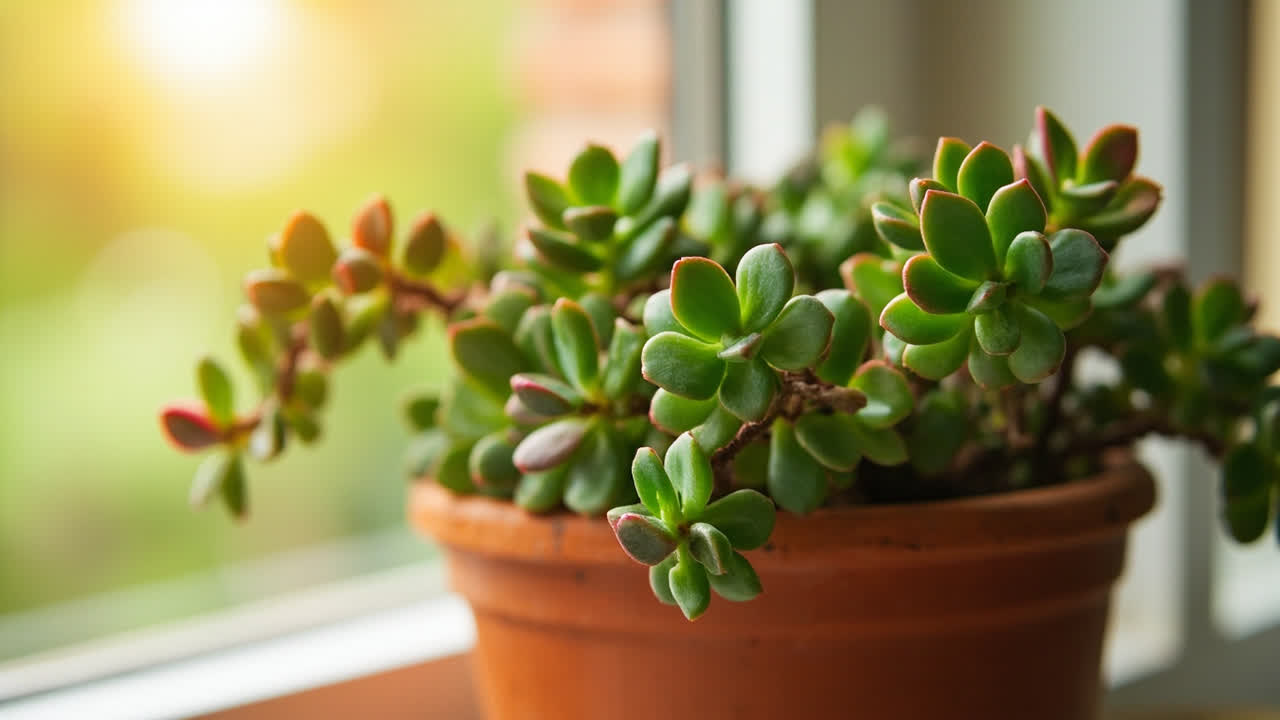
Jade plants are built for drought. Their thick leaves and chunky stems act as internal water reservoirs, allowing the plant to survive weeks without rain in their native South African habitat. This makes them more forgiving than most houseplants — but it also means they are deeply sensitive to overwatering.
Getting jade watering watering right is the single skill that separates a thriving jade plant from one that slowly rots from the roots up.
This guide covers jade plant watering requirements in full — how often to water, what method works best, how to adjust for seasons, and the specific warning signs that signal a watering problem before it becomes fatal.
How Often to Water Jade Plant : The Real Answer
There is no fixed schedule. Watering frequency depends on your home’s temperature, humidity, the size of the pot, the soil mix, and the time of year. Rather than following a calendar, watch the soil.
The most reliable method: insert your finger about two inches into the soil. If it feels completely dry, water. If it feels damp or cool, wait. This test takes five seconds and eliminates guesswork.
As a general starting point, expect to water every seven to fourteen days during spring and summer. In autumn as growth slows, stretch that to every fourteen to twenty-one days. During winter, when jade plants enter a semi-dormant state, watering once every three to four weeks is often sufficient. These are guidelines — your plant will tell you if you are getting it wrong.
The Soak and Dry Method
Jade plants need thorough watering, not shallow sips. The soak and dry method is straightforward: water until you see it flow freely out of the drainage hole at the bottom of the pot. This ensures the entire root mass gets moisture and encourages roots to grow downward rather than staying at the surface.
After watering, empty the drainage saucer. Jade plants do not appreciate sitting in standing water. Letting the pot sit in a saucer full of water for more than an hour creates the exact conditions that lead to root rot.
Do not water again until the soil is completely dry all the way through. This sounds harsh but it mirrors what jade plants experience in the wild, where rain comes infrequently but heavily, followed by long dry spells.
Signs You Are Overwatering Your Jade Plant
Overwatering is the primary cause of jade plant death, and it is more common than underwatering. Watch for these early warning signs:
Soft, mushy leaves: Healthy jade plant leaves are firm and slightly pliable. If they feel soft, squishy, or translucent when you squeeze them, the plant has been overwatered. The excess moisture inside the leaves causes cell walls to rupture. Remove affected leaves immediately and let the soil dry completely before watering again.
Yellowing leaves: A jade plant receiving too much water will drop leaves that have turned yellow, particularly at the base of the plant near the soil line. This is different from natural leaf aging — when a leaf ages out, it yellows from the bottom up while remaining firm. Overwatering yellowing is accompanied by a soft, bloated feel.
Black or mushy stem base: This is a serious sign of root rot spreading into the stem. The base of the plant darkens and becomes soft to the touch. If you catch this early — when only a small portion is affected — you may be able to save the plant by cutting above the rot, letting the cutting callous, and rooting it in fresh, dry soil.
Foul smell from the pot: Root rot produces a musty, sour odor. If your jade plant’s pot smells bad, unpot the plant, inspect the roots, trim away any that are brown and mushy, and repot in fresh, dry soil.
Leaf drop after watering: A jade plant that drops leaves immediately after you water it is a classic overwatering symptom. The roots are waterlogged and unable to function properly, so the plant sheds leaves to reduce its water demand.
Signs You Are Underwatering Your Jade Plant
Underwatering is easier to fix than overwatering. Signs include:
Wrinkled, shriveled leaves: The jade plant draws on its stored water reserves, causing the leaves to lose their plump, glossy appearance. They look deflated and may have a papery texture.
Leaf tips turning brown: Dry soil combined with low humidity causes leaf edges to dry out and turn brown and crispy. This starts at the tips and moves inward. Browning from underwatering is dry and brittle, not soft like overwatering damage.
Slow or stunted growth: A chronically underwatered jade plant stops growing. It is surviving but not thriving. When you increase watering, growth resumes.
Leaf drop with dry soil: If the soil is bone dry and leaves are dropping, water the plant thoroughly. Unlike overwatering leaf drop, this is fixable with a single thorough watering. The plant will recover within days.
How Seasons Affect Jade Plant Watering
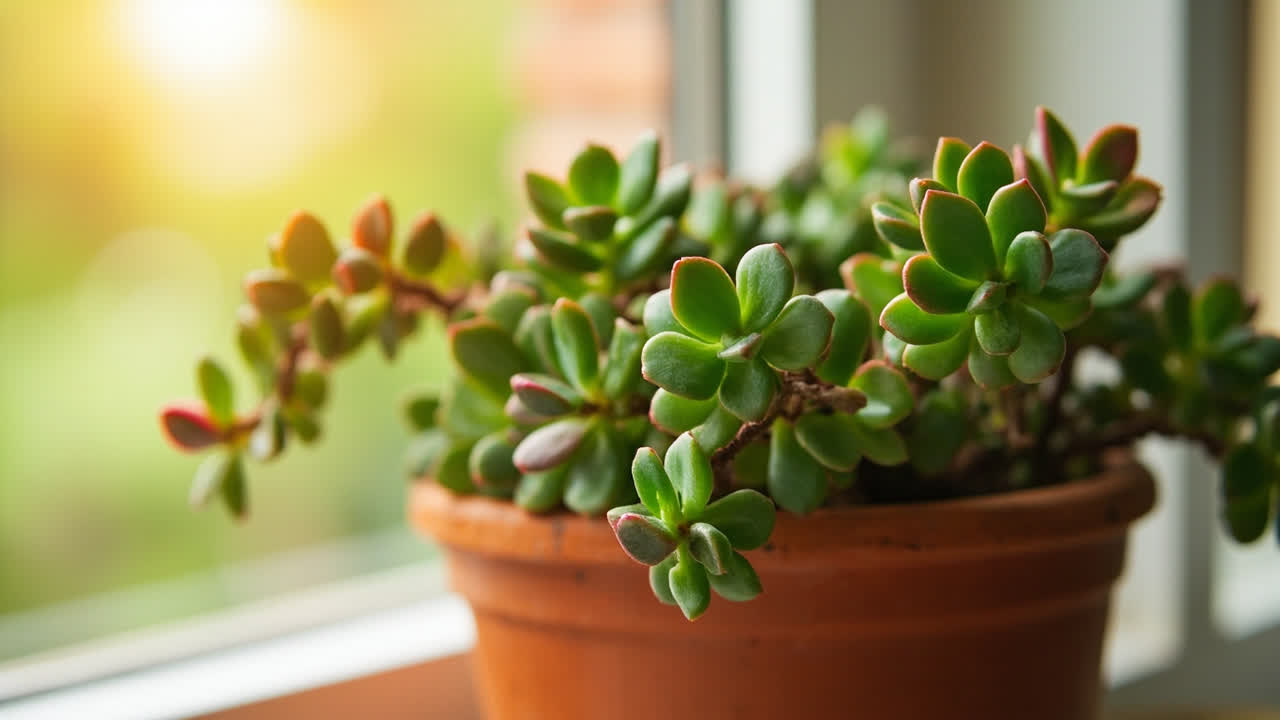
Jade plants are more active in spring and summer, growing new leaves and stems. During these months they use more water, so expect to water on the more frequent end of the range. In winter, growth nearly stops. The plant is not photosynthesizing as actively, not using as much water, and the soil stays wet much longer after each watering. This is when overwatering kills most jade plants.
A common scenario: a jade plant thrives on a windowsill all summer, then starts dropping leaves in December. The owner waters it the same amount because the calendar says it is still a houseplant. The soil stays constantly wet and root rot sets in. The fix is simple — water much less in winter, even if the plant looks like it is growing slightly.
Pot Size and Material Considerations
The pot matters more than most people realize. A pot that is too large holds excess soil, which holds excess moisture, which keeps the roots wet for days after watering. Use a pot only one to two inches larger in diameter than the root ball. Terra cotta pots are ideal for jade plants because the clay is porous and allows the soil to dry faster than plastic or ceramic pots.
If you have a jade plant in a decorative plastic pot inside a cover pot — a common retail setup — remove the inner pot and water over a sink or outdoors so excess water can escape freely. Do not let the plant sit in a pool of water inside the cover pot.
Soil : The Foundation of Watering Success
Soil composition and watering are inseparable. No watering technique works reliably in the wrong soil. Jade plants need fast-draining succulent and cactus mix. Standard potting soil retains too much moisture. If you are using a mix that stays wet for more than a week after watering, it is the wrong mix — repot into a proper succulent blend.
The right soil and the right pot together make watering simple. The wrong soil in a decorative pot with no drainage hole is a setup for failure that no amount of careful watering can compensate for.
Bottom Watering for Jade Plants
Bottom watering — placing the pot in a tray of water and letting the soil absorb water from below — is sometimes used for succulents. It works by drawing water up through capillary action, ensuring the entire root zone gets moisture. For jade plants, bottom watering is acceptable but not superior to top watering with good drainage.
If you bottom water, leave the pot in the tray for twenty to thirty minutes, then remove it and let excess water drain fully. Do not leave the pot in water indefinitely — that defeats the purpose of using well-draining soil.
Recovery After Overwatering or Underwatering
When problems become severe, our jade plant problems guide covers full diagnosis and recovery steps. or Underwatering
If your jade plant shows signs of overwatering — soft leaves, yellowing, or a mushy base — stop watering immediately. Let the soil dry completely. If the pot feels heavy with moisture, remove the plant from the pot, wrap the roots in newspaper, and let the plant sit out of its pot for a day or two to dry. Then repot in fresh, dry succulent mix and do not water for at least a week.
If the roots have already rotted (brown, mushy, smelly), trim away all affected roots with sterile scissors, let the remaining roots dry for a day, and repot in fresh soil. Reduce watering significantly after recovery.
For underwatering: give the plant a thorough soak, water until it flows out the bottom, and resume a proper watering schedule. The plant should recover within a few days if the roots are still healthy.
The Golden Rule for Jade Plant Watering
When in doubt, wait another day. Jade plants tolerate drought far better than overwatering. A jade plant that has been under watered for a few extra days recovers quickly. A jade plant that has been overwatered and developed root rot may not recover at all, or requires intervention that resets its growth entirely.
The soil test — finger two inches into the soil, water only when completely dry — works every time. It removes guesswork, removes calendar dependency, and adapts to every season and every home environment automatically.
From Bank Statement to QuickBooks-Ready File
That manual cleanup you just read about? This tool skips it. Turn your PDF into QBO for QuickBooks without storing your data anywhere.
Start Converting