Monstera deliciosa grows best in bright, indirect light — the filtered light of a rainforest understory. This is the single most important factor in getting a Monstera to grow actively, produce large split leaves, and maintain the deep green colour that makes it so striking. Everything else — watering, humidity, soil — matters, but none of it compensates for insufficient light.
What Monstera Actually Needs
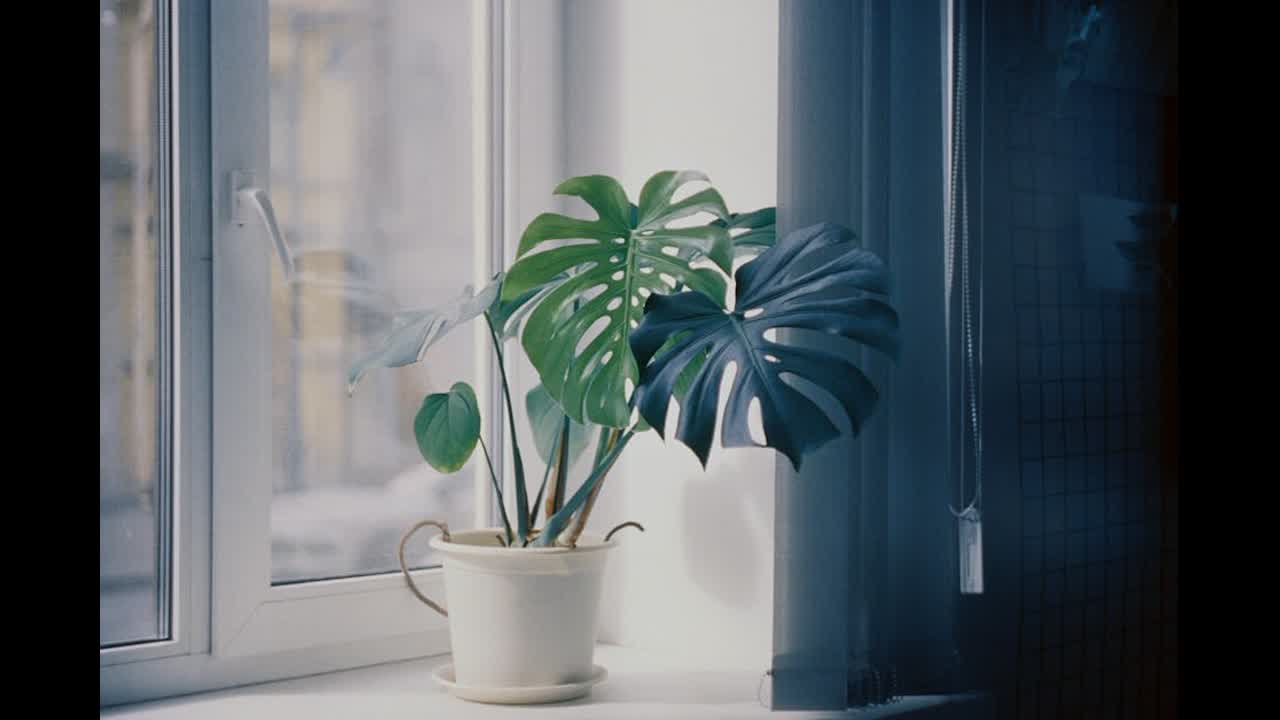
The ideal position for a Monstera is near a large window where it receives bright, diffused light for most of the day. East-facing windows are ideal — the morning sun is gentle and the plant gets good ambient light through the rest of the day. A few feet to the side of a south- or west-facing window works well if the direct afternoon rays are blocked by a curtain. North-facing windows are usually too dark for Monstera to grow actively.
The moment a Monstera is moved from adequate light to inadequate light, its growth slows. It does not die immediately — Monstera is resilient enough to survive in low light for some time — but it stops producing the large split leaves that make it desirable. In very low light, the new leaves are small, solid, and the stems become leggy. This is the plant’s survival response: it reduces leaf size and elongation to cope with insufficient light for photosynthesis.
Signs of Insufficient Light
The clearest sign of insufficient light is new leaves that are small, solid, and arrive slowly. A Monstera in good light produces a new leaf every four to six weeks during the growing season. In poor light, the interval extends to two or three months and the new leaf may be half the size of the previous one.
Leggy stems — long, thin stems with widely spaced small leaves — are the second sign. The plant is reaching toward whatever light is available, sacrificing leaf quality for light exposure. Moving to a brighter position will not reverse the existing leggy growth, but it will stop the progression and produce normal leaves on new growth.
The variegation on variegated Monstera forms — if you have a variegated cultivar — also depends on light. In low light, the variegated sections may be smaller and less pronounced because the plant prioritizes green leaf tissue for photosynthesis.
Signs of Too Much Light
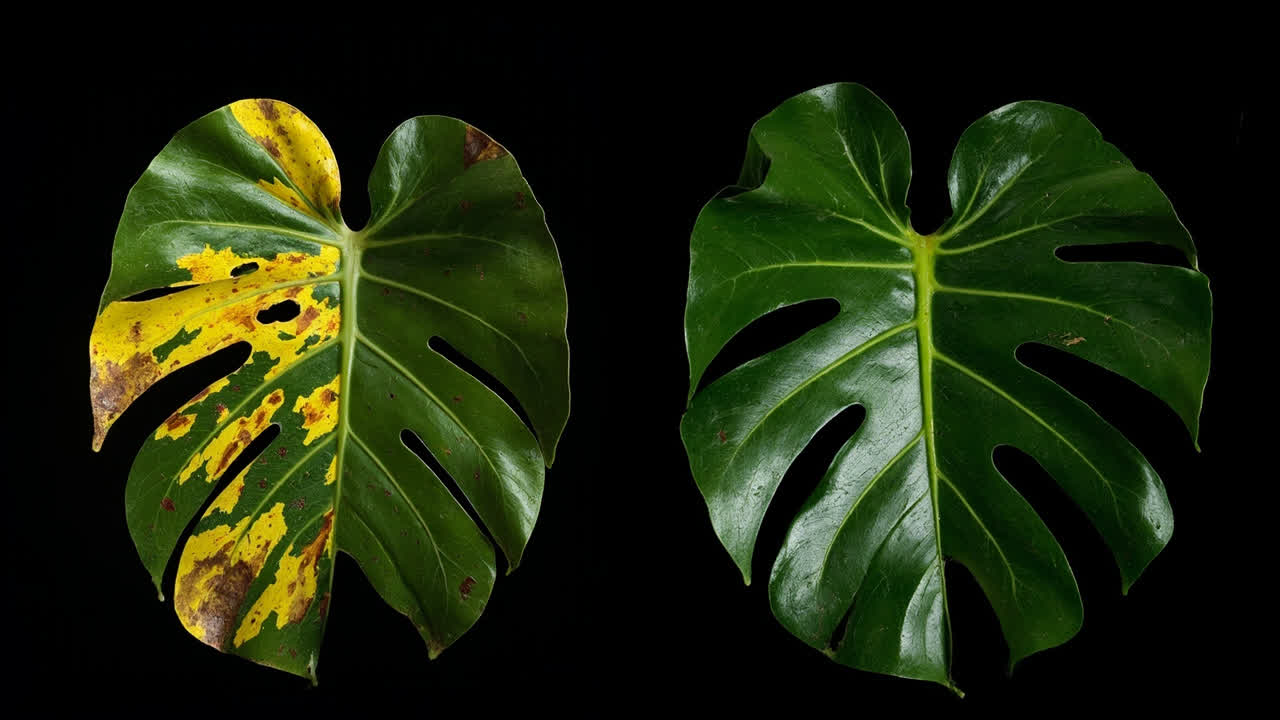
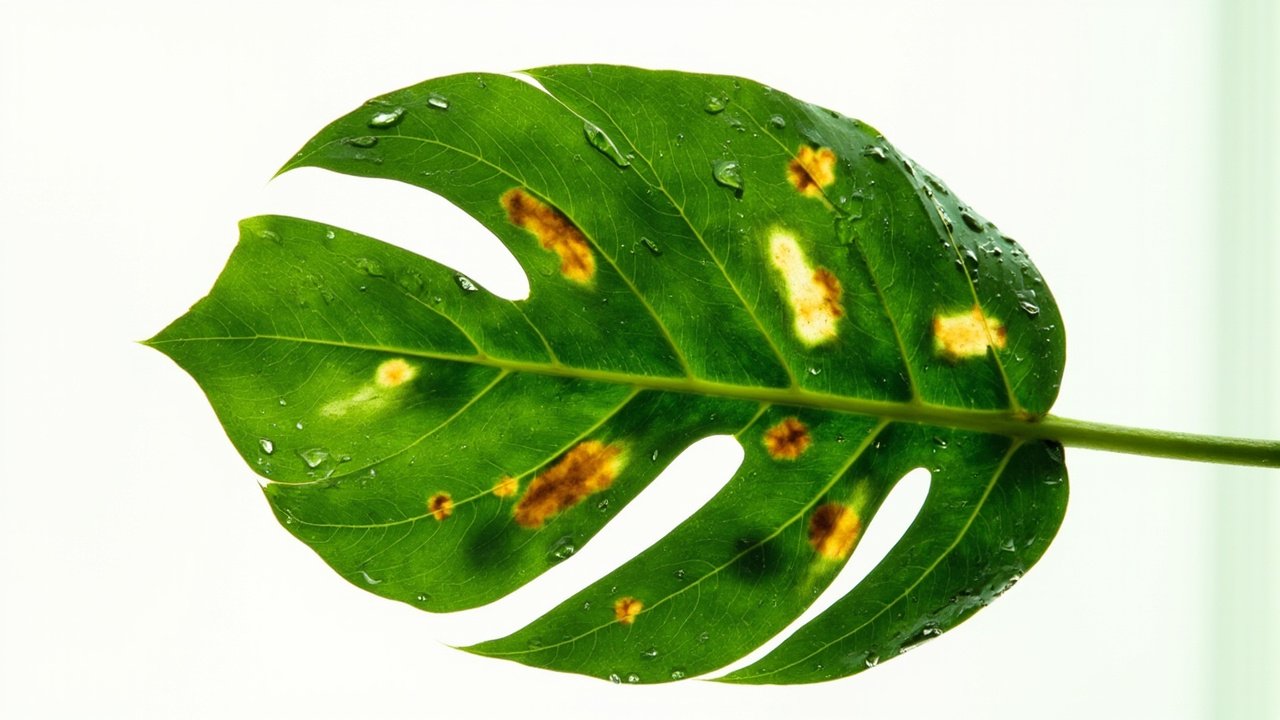
Direct afternoon sun causes rapid leaf burn on Monstera. The large, thin leaves are particularly susceptible — direct rays create large bleached patches that turn dry and brown within hours. The side of the plant facing the window shows the most damage.
Filter the light with a sheer curtain if the plant is in direct afternoon sun. Even a few hours of direct afternoon sun can permanently damage multiple leaves. Morning sun and gentle indirect light are fine; direct rays from 11am onwards are destructive.
Growing Monstera in Low Light
Monstera can survive in lower light than many tropical plants, but it will not thrive. If you need to place a Monstera in a darker room, supplement with a LED grow light. Position the light 12–18 inches above the plant and run it for 10–12 hours daily. This provides enough light for active growth and the plant will produce the large, deeply split leaves that characterize a well-grown Monstera.
The Position Rule
Light needs shift through the year. The winter care guide covers how to supplement light during shorter days without overheating the plant, and the symptom decoder helps separate light-related issues from pest and disease symptoms.
Once your Monstera is in a position where it is growing well — producing new leaves regularly, maintaining deep green colour, stems firm and upright — do not move it. Like fiddle leaf figs, Monsteras are sensitive to position changes and may drop leaves in response. Choose carefully, place, and leave it.
From Bank Statement to QuickBooks-Ready File
That manual cleanup you just read about? This tool skips it. Turn your PDF into QBO for QuickBooks without storing your data anywhere.
Start Converting