Brown tips on a Philodendron are one of the most common complaints, and the frustrating thing is that the same symptom — brown tips — can be caused by several different issues. The key to fixing it is identifying which cause is actually at work in your situation. Here is how to narrow it down and correct it.
What Brown Tips Look Like on a Philodendron
Philodendron brown tips appear as a dry, crispy, tan to dark brown zone at the very edge or tip of the leaf. The rest of the leaf remains green and healthy. This distinguishes it from other leaf problems: yellowing from the base points to overwatering; widespread browning across the leaf suggests a more serious issue; and soft, mushy tissue points to root rot. Brown tips specifically are edge and tip, dry to the touch, and isolated to specific sections of the leaf.
The Five Main Causes
1. Low humidity — the most common cause in Singapore.
Air-conditioned rooms have dry air that strips moisture from leaf edges faster than the roots can supply it. The tips, being the most exposed edge, are the first casualty. If your Philodendron is in a room that runs AC most of the day and night, low humidity is the most likely cause of brown tips.
The fix: move the plant further from the AC vent, use a pebble tray with water, or group the Philodendron with other plants to create a micro-humidity pocket. Humidifiers are effective for serious growers with multiple tropical plants.
2. Over-fertilising — the second most common cause.
Salt accumulation from excessive fertilising burns the leaf edges and tips. If you feed your Philodendron more than once a month, or if you use liquid fertiliser at full strength, the concentration in the soil builds faster than the plant can process it. Look for a white crusty residue on the soil surface as confirmation.
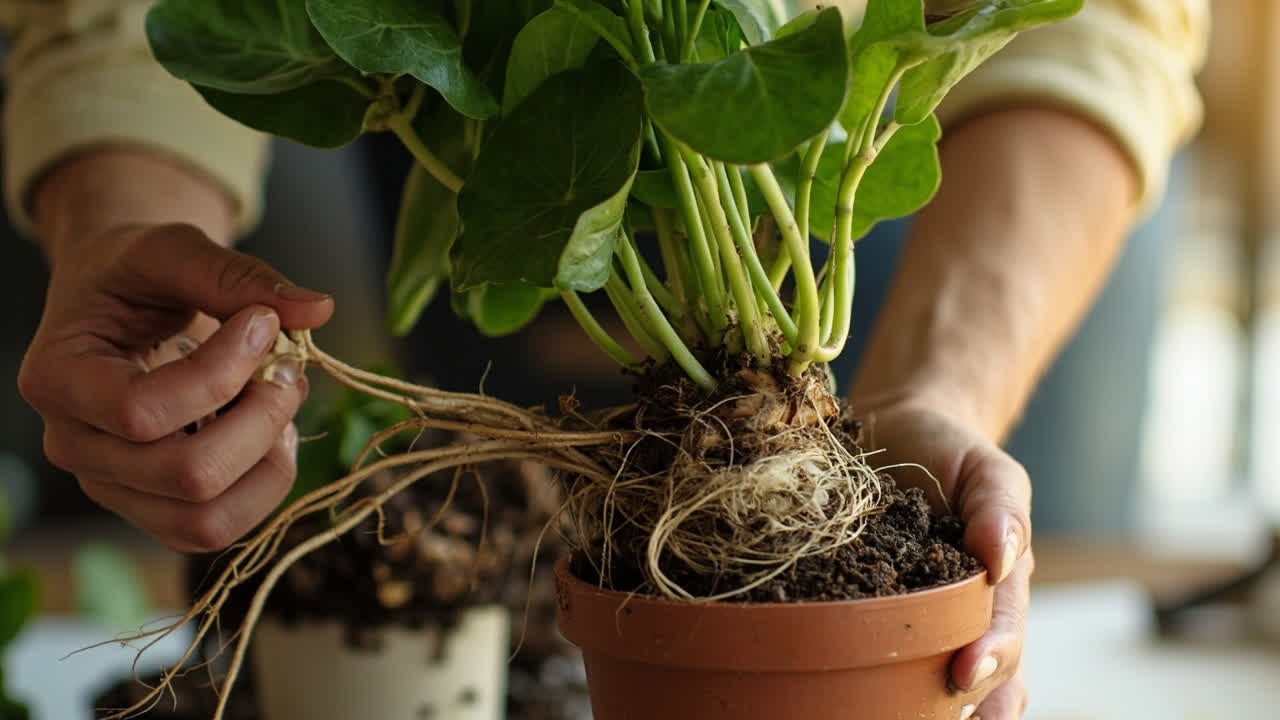
The fix: flush the soil thoroughly with clean water — run water through the pot several times, letting it drain fully each time. Then stop fertilising for at least two months. When you resume, use half the concentration and no more than once every four to six weeks during the growing season.
3. Underwatering.
A chronically dry root ball produces the same brown-tipping pattern as low humidity. If the soil is consistently bone dry between waterings, the plant pulls water from the leaf edges as a first resort. The fix: adjust your watering so you are checking the soil and watering when the top 3 to 5 cm are dry, not on a fixed schedule.
4. Tap water with high mineral content.
Singapore tap water varies in mineral content across districts. Water with high chlorine or fluoride can cause tip burn on sensitive plants over time, particularly in plants that are already marginally stressed by low humidity or overwatering.
The fix: use filtered or rainwater if your tap water consistently causes brown tips after ruling out other causes. Let tap water sit uncovered overnight before using — chlorine dissipates, reducing the concentration.
5. Direct sun exposure.
Philodendrons in direct sunlight — particularly through a window — can develop phototoxicity, appearing as bleached or scorched patches at the leaf edges and tips. This is distinct from the dry, crispy texture of low-humidity brown tips — sun burn is usually pale yellow to light brown and the affected tissue is papery.
How to Diagnose Your Plant
The pattern tells you the cause:
- All leaves affected simultaneously — environmental: humidity, water quality, or AC exposure
- Brown tips with white crust on soil — fertiliser salt accumulation
- Crispy, dry, light brown tips — underwatering or low humidity (check soil)
- Soft dark brown or black tips — root rot (check the roots)
- One or two leaves only — isolated physical damage or single watering stress event
Can You Fix Leaves That Are Already Brown
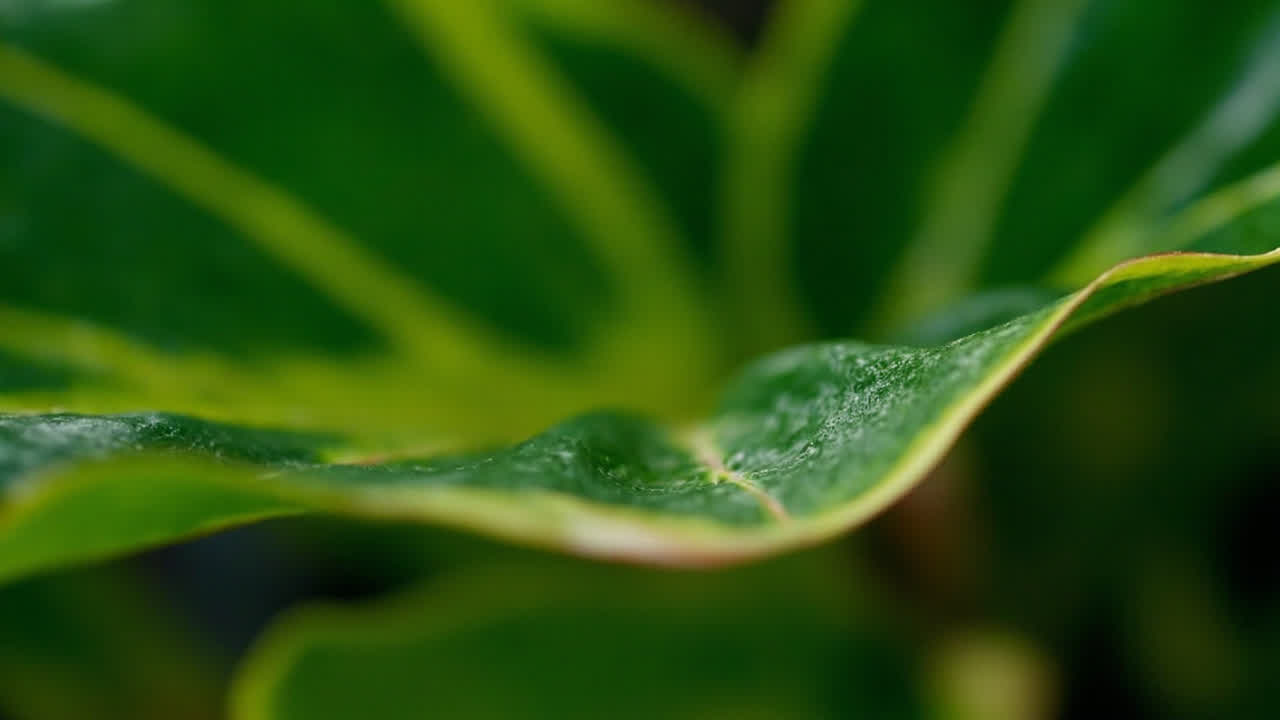
No. Once the tissue is dead, it stays dead. The leaf is still useful — it continues to photosynthesise from the remaining green portion — so you can leave it on the plant. Or trim the brown section with clean scissors, cutting just inside the green border in a clean line. Removing a brown tip is cosmetic and does not affect the plant’s health either way.
The actual fix is preventing the next leaf from browning — correct the underlying cause and new growth will emerge clean.
For the full Philodendron care guide, see Philodendron Care. For watering guidance that prevents both over and underwatering, see Philodendron Watering guide.
Read also: why philodendron leaves develop brown tips, the margin-death mechanism behind it, and the soil test that tells dry roots from salt build-up before you water again.
Turn PDF Bank Statements Into Workable Spreadsheets
Your bank statement is a mess of numbers, but your books shouldn't be. Use our converter to get Excel, CSV, or QBO files — ready for QuickBooks.
Try It Free Now