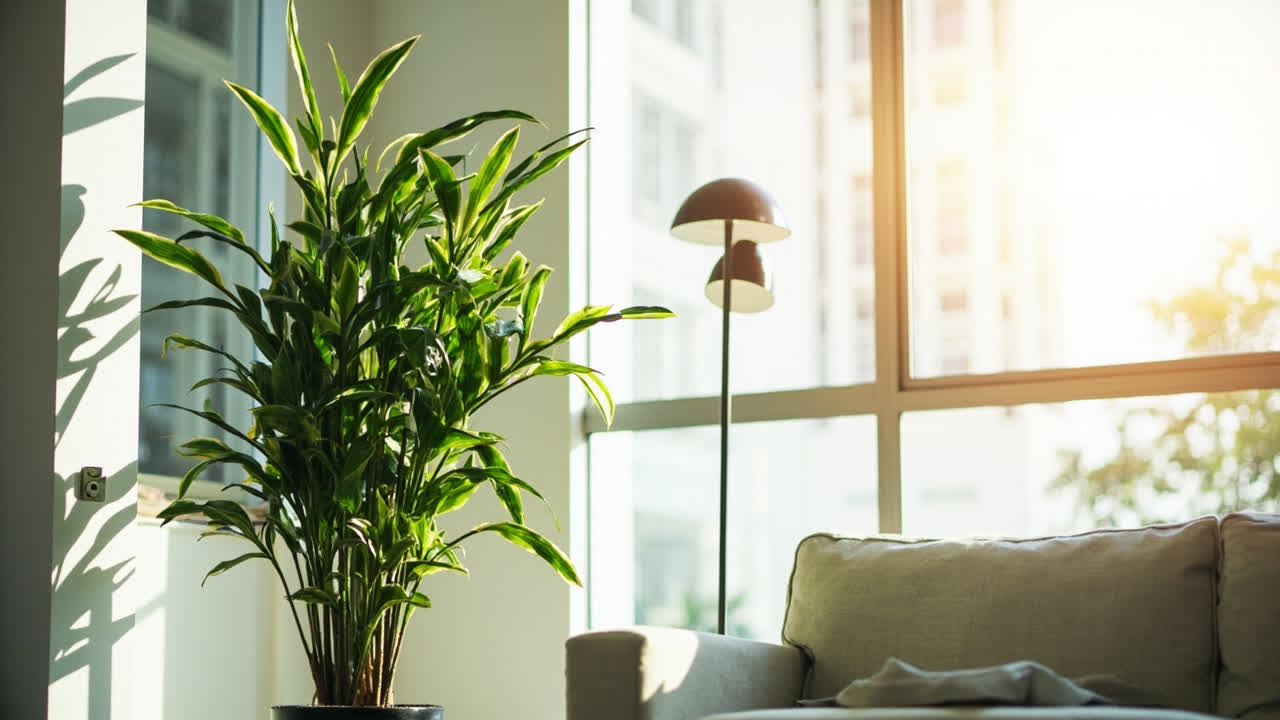
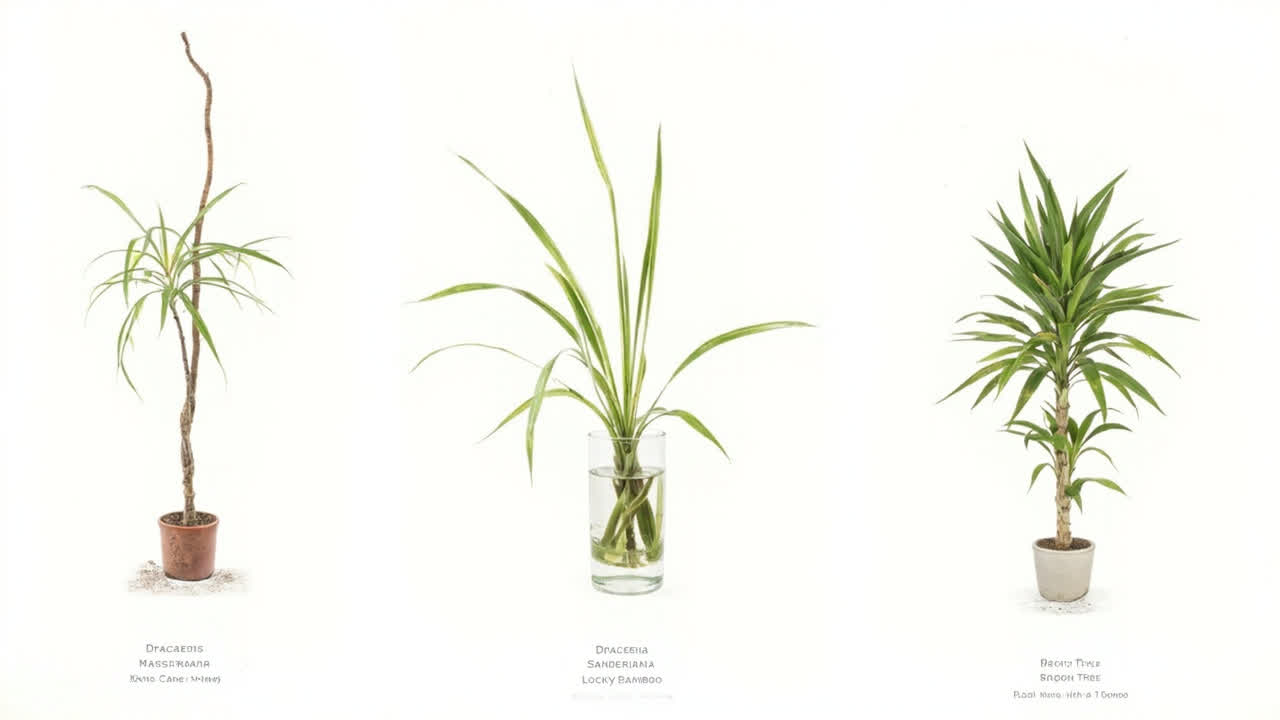
You are researching houseplants and someone tells you: “Mass Cane Plants are easy.” Another person says: “Actually, they are finicky and will die on you if you overwater even once.” Both are telling you something true, and this is why the “is it easy?” question does not have a simple answer. Here is a clear breakdown of what “easy” means in the context of a Dracaena Massangeana, and how it compares to other houseplants you might be considering.
What Makes a Houseplant “Easy” : The Real Criteria
When people call a plant easy, they usually mean one of three things: it survives neglect, it tolerates a wide range of conditions, or it bounces back quickly from stress. A plant that is easy in one dimension may be difficult in another. Here is how the Mass Cane Plant performs against all three.
Neglect Tolerance : How Much Can You Ignore It?
The Dracaena Massangeana is highly neglect-tolerant in terms of watering. The cane stems store enough water to sustain the plant through three to four weeks without watering in low-light conditions — far longer than most houseplants. If you travel regularly, forget to water, or tend to neglect plants during busy periods, the Mass Cane Plant will survive periods that would kill a Peace Lily, a Ficus, or most tropical foliage plants.
It is also neglect-tolerant in terms of fertilising — it does not need frequent feeding. A few applications during the growing season is sufficient. Over-fertilising causes more problems than under-fertilising for this plant.
The one thing the Mass Cane Plant cannot tolerate well is long periods of total darkness. If you place it in a room with no windows and no light source for months, it will eventually weaken and decline. But for irregular light deprivation — a week in a dark room during a holiday, a month in a lower-light position than ideal — it survives better than most houseplants.
Condition Tolerance : How Wide Is Its Comfort Range?
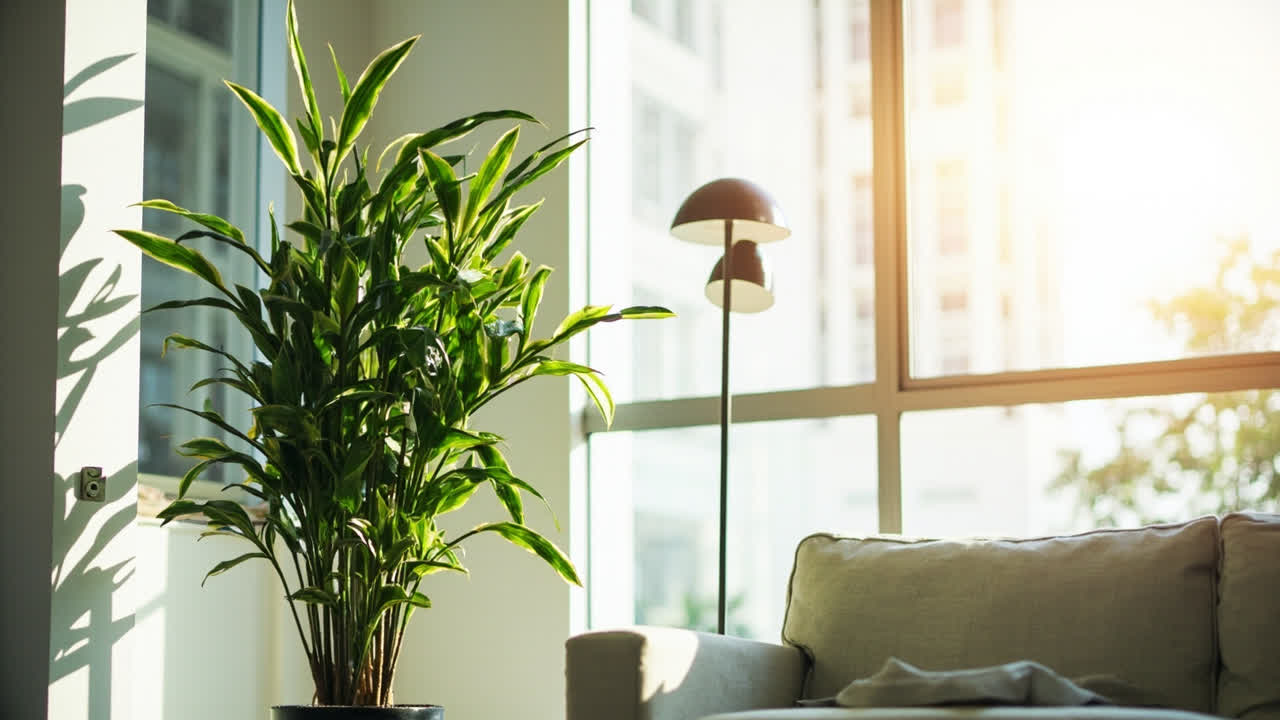
The Mass Cane Plant tolerates a wider range of temperatures than many tropical houseplants. It handles 15°C to 30°C without visible stress, which makes it well-suited to the range of conditions found in most Singapore homes and air-conditioned offices. It is more cold-tolerant than many commonly-grown houseplants.
It tolerates low light well — not as well as the truly shade-loving plants like Snake Plant or Peace Lily, but well enough to survive in positions that would kill a Ficus, a Monstera, or most tropical climbers.
The main condition where the Mass Cane Plant is genuinely narrow is overwatering. The tolerance range for moisture is skewed sharply toward dry — it handles drought gracefully but is seriously damaged by consistently wet soil. This is the one condition where the “easy” label breaks down completely. If you are a person who tends to water on a fixed schedule or who tends to give plants “a little water” frequently, the Mass Cane Plant will struggle. The soil needs to dry between waterings, and you need to check the soil before watering rather than watering on a calendar.
If you can learn the “check the soil first” habit, the Mass Cane Plant is genuinely easy. If you cannot, and you default to watering on a weekly schedule regardless of soil condition, you will eventually cause root rot.
Recovery After Stress : Does It Bounce Back?
The Mass Cane Plant has good recovery potential if the stress is caught early. Leaves that have yellowed from overwatering will not return to green, but the rest of the plant can recover if the root damage is addressed promptly. A plant that has had root rot and been repotted with the damaged roots removed will return to active growth within three to four months if conditions are correct.
Cold-damaged leaves — brown tips from AC exposure — will not heal, but new growth emerges cleanly once the plant is moved to a better position. The plant does not carry scars forward in the same way that some houseplants do.
The slow growth rate works against recovery speed, however. If a Ficus loses leaves from stress, it regrows them within weeks. If a Mass Cane Plant loses leaves, it takes months to produce replacement leaves, even under ideal conditions. Recovery is reliable but slow — you need patience.
Compared to Other Houseplants : Where Does It Sit?
Here is an honest comparison of Mass Cane Plant ease against other popular houseplants:
Easier than: Ficus lyrata (Fiddle Leaf Fig) — which drops leaves at any slight change in environment; Calathea — which needs high humidity and sensitive water quality; most tropical climbers like Monstera — which need consistent moisture and bright indirect light.
Comparable to: Pothos — which is also forgiving of irregular watering and low light, but grows much faster and therefore shows results sooner; Snake Plant — which is more resilient overall but equally slow-growing; Peace Lily — which is more shade-tolerant but needs more consistent watering.
More difficult than: True succulents like Echeveria or Aloe — which survive weeks of total neglect and thrive on neglect; Cast Iron Plant (Aspidistra) — which is genuinely indestructible and tolerates genuine darkness; Lucky Bamboo — which grows in water and needs no soil management at all.
Who Is the Mass Cane Plant Right For?
The Mass Cane Plant is genuinely easy if:
- You can learn the “water only when soil is dry” habit
- You have moderate to low indirect light (not total darkness)
- You want a tall, architectural plant that stays contained and does not need frequent repotting
- You travel occasionally and need a plant that survives gaps in care
- You want a plant that looks good with minimal intervention once established
The Mass Cane Plant will struggle if:
- You water on a fixed weekly schedule without checking soil first
- You place it in a room with no natural or artificial light whatsoever
- You use pots without drainage holes and tend to overwater
- You want fast growth and visible results within weeks
- You need a plant that bounces back quickly from any stress
For the full care breakdown to set yourself up for success, see the Mass Cane Plant care guide and the root rot guide to understand the one condition you must get right.
From PDF to Excel in one click
Forget retyping line by line. Upload any bank statement, get a spreadsheet you can actually use. Your files are never stored, and you can test the converter with 3 free conversions.
Try it free