The umbrella plant, scientifically known as Schefflera, is a popular choice for gardeners due to its lush, tropical appearance and relatively low maintenance requirements. This versatile plant can thrive both indoors and outdoors, making it a great addition to any garden or home.
Its ability to purify the air by removing harmful toxins, such as formaldehyde and benzene, adds to its importance for gardeners. Schefflera is also known for its resilience and adaptability, making it suitable for novice gardeners.
With proper care, including adequate sunlight, well-draining soil, and regular watering, you can easily grow young plants to enhance the aesthetic appeal of your garden.
Understanding schefflera care is crucial for maximizing the benefits of this exceptional plant.
Quick Look
- Umbrella plants are hardy and low-maintenance, making them ideal for novice gardeners.
- They have air purifying qualities and can improve indoor air quality by removing harmful toxins.
- Umbrella plants are versatile and can thrive both indoors and outdoors, enhancing the aesthetic appeal of gardens.
- Proper care and maintenance, including watering, fertilization, pruning, and pest control, are essential for the health and growth of umbrella plants.
Overview of The Umbrella Plant
The umbrella plant, scientifically known as schefflera, is a genus of flowering plants in the family Araliaceae. It encompasses several species, including schefflera arboricola, also known as the dwarf umbrella tree, and schefflera actinophylla, commonly referred to as the umbrella tree.
This tropical plant that’s prized for its ornamental value and air-purifying qualities are native to tropical regions such: Australia, Taiwan, and New Guinea and are prized for their attractive foliage and air purifying properties.
Umbrella plant is commonly referred to by names such as dwarf umbrella tree, parasol plant, or octopus tree due to its distinctive umbrella shaped leaves.
With its glossy, dark green foliage and upright growth habit, the umbrella plant can reach heights of up to 6 feet when grown indoors, making it a popular choice for home and office environments.

Here are some key points to consider about this beloved indoor plant:
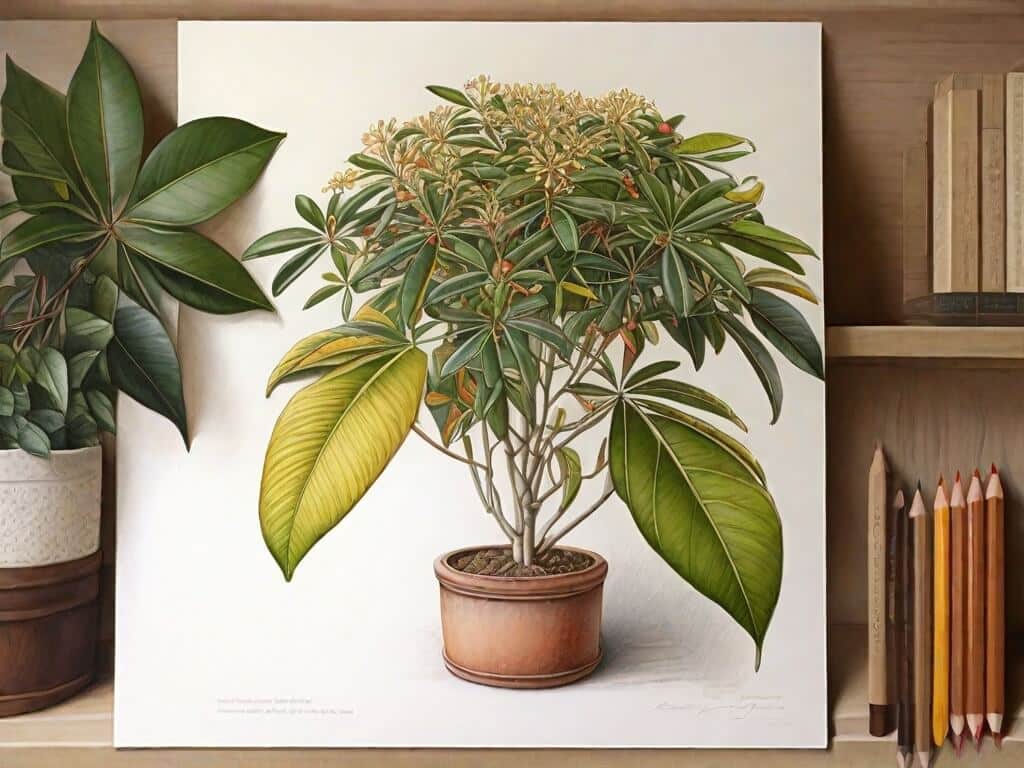
- Appearance: These foliage plants features glossy, palmately compound leaves that radiate from a central stalk, giving it the appearance of an open umbrella.
- Hardiness: It’s a hardy and low maintenance plant, making it ideal for novice gardeners or those with limited time for care.
- Air purifying qualities: This plant is renowned for its ability to purify indoor air by removing common toxins.
- Light and water requirements: Understanding the specific light and water needs is essential for successful umbrella plant care.
Benefits of Growing Umbrella Plants
Growing umbrella plants can greatly benefit you in multiple ways. They are known for their air-purifying properties, helping to improve the air quality in your home. This is especially important if you live in a polluted area or have respiratory issues.
The umbrella plant adds aesthetic value as a decorative plant. With their lush green foliage and graceful umbrella-like shape, they can enhance the visual appeal of your indoor space. They are versatile and can be placed in various areas of your home, such as living rooms, bedrooms, or even offices.
Having umbrella plants indoors can contribute to your overall well-being. Studies have shown the positive health effects associated with having indoor plants. They can reduce stress, increase productivity, and improve mood.
And, they can create a calming and relaxing environment, which is beneficial for mental health.
Air Purifying
By incorporating umbrella plants into your indoor environment, you can improve air quality and create a healthier atmosphere. The air purifying properties of the schefflera houseplant make it an excellent addition to your indoor space.
Here are four reasons why growing umbrella plants can benefit you:
- Removal of Airborne Toxins: Umbrella plants are effective at removing common household toxins, such as formaldehyde, benzene, and toluene, from the air.
- Humidity Regulation: These plants help to regulate indoor humidity levels, creating a more comfortable environment.
- Combatting Spider Mites: Umbrella plants can naturally deter and reduce the presence of spider mites, which are common indoor plant pests.
- Enhancing Well-being: The presence of umbrella plants has been linked to improved mental well-being and productivity, making them a valuable addition to your indoor space.
Aesthetic Decorative Plant
Experiencing the aesthetic value of growing umbrella plants as a decorative addition to your indoor space, you will appreciate their lush foliage and graceful appearance, enhancing the overall ambiance.
The umbrella plant is a perfect decorative plant due to its vibrant green, glossy leaves that resemble the shape of an umbrella, creating a visually appealing focal point. When placed in bright indirect sunlight, this house plant thrives and maintains its stunning appearance.
| Decorative Plant | Bright Indirect Sunlight | Pest Resistant |
|---|---|---|
| Umbrella Plant | Yes | Yes |
Health Benefits As Indoor Plants
To improve your indoor air quality, consider the health benefits of having umbrella plants in your home. Umbrella plant offer numerous advantages beyond their aesthetic appeal.
Here are four key health benefits associated with growing umbrella plants:
- Air purification: Umbrella plants can help remove common indoor air pollutants, such as formaldehyde and benzene, promoting cleaner and healthier air in your home.
- Stress reduction: Studies have shown that indoor plants, including umbrella plants, can help reduce stress and anxiety, contributing to overall mental well-being.
- Humidity regulation: These plants can help maintain optimal indoor humidity levels, which is beneficial for both respiratory health and preventing dry skin.
- Natural pest control: Umbrella plants can deter common indoor pests like spider mites, reducing the need for chemical interventions that may be harmful to health.
For those seeking to enhance their workspace, consider adding indoor plants for office desks. These green companions not only improve air quality but also boost productivity and create a calming environment.
Popular Varieties of Umbrella Plants

Let’s explore the popular varieties of umbrella plants:
1. Schefflera Arboricola (Dwarf Umbrella Tree)
Schefflera arboricola, also known as the dwarf umbrella plant, with its compact size and striking foliage, is a popular choice for indoor greenery due to its low maintenance nature and air-purifying qualities.
- Bonsai Tree Potential: Schefflera arboricola can be grown as a bonsai tree due to its adaptable nature and ability to withstand pruning.
- Growing Season: The ideal growing season for Schefflera arboricola is spring and summer when it thrives in warm temperatures and indirect sunlight.
- Common Problem: Overwatering can lead to root rot, while underwatering can cause leaf drop. Finding the right balance is crucial.
- Water and Humidity: Water moderately, allowing the soil to dry slightly between waterings. Schefflera arboricola thrives in moderate to high humidity levels.
2. Schefflera Actinophylla (Octopus Tree)
The Schefflera Actinophylla, also known as the octopus tree, is a stunning variety of umbrella plant. It can grow into a sizable tree if given the right conditions.
To propagate this tree, you can use stem cuttings and root them in peat moss.
When caring for the octopus tree, it’s essential to provide bright light without direct sunlight, as too much direct sun can scorch its leaves.
Here’s a helpful table to visualize the key characteristics of the Schefflera actinophylla:
| Characteristics | Schefflera actinophylla (octopus tree) |
|---|---|
| Propagation method | Stem cutting |
| Soil preference | Peat moss |
| Light requirements | Bright light |
| Growth habit | Tree |
| Special features | Stunning foliage |
Other Popular Species and Cultivars
Moving on to other popular species and cultivars of umbrella plants, you can explore a diverse range of options to add variety and beauty to your indoor or outdoor garden.
- Schefflera elegantissima: Known for its elegant, lacy foliage, this variety adds a touch of sophistication to any space.
- Schefflera actinophylla ‘Amate’: With its glossy, dark green leaves and a more upright growth habit, ‘Amate’ is a striking choice for both indoor and outdoor settings.
- Schefflera taiwaniana: This species is sought after for its unique foliage and is a great addition to any collection of umbrella plants.
Growing The Umbrella Plants

To ensure the optimal growth of your umbrella plant, it’s crucial to understand its specific growing requirements.
1. Light Requirements (bright indirect light vs. low light conditions)
Position your umbrella plant in a spot that receives bright indirect light for optimal growth. This will mimic its natural habitat under the canopy of larger trees.
Here are the key considerations for providing the right light conditions for your umbrella plant:
- Intensity: Aim for bright, indirect light rather than direct sunlight, which can scorch the leaves.
- Duration: Provide 6-8 hours of light per day, but avoid prolonged exposure to intense sunlight.
- Location: Place your plant near a north or east facing window to ensure it receives bright, indirect light throughout the day.
- Adjustment: Monitor your plant’s response to the light conditions and adjust its placement as needed to maintain optimal growth.
2. Temperature and Humidity
Regularly monitor the temperature and humidity levels in your umbrella plant’s environment to ensure optimal growing conditions.
Umbrella plants thrive in temperatures between 65-80°F (18-27°C) during the day and can tolerate slightly cooler temperatures at night. However, it’s crucial to avoid sudden temperature drops or exposure to cold drafts, which can harm the plant.
As for humidity, umbrella plants prefer moderate to high levels, ideally between 60-80%. You can maintain suitable humidity by misting the plant regularly, using a humidifier, or placing a tray of water and pebbles near the plant.
Consistent monitoring and adjustments to the temperature and humidity levels will support the umbrella plant’s growth and overall health.
3. Watering and Soil
For optimal growth of your umbrella plant, there are several factors to consider related to watering and soil requirements.
Watering frequency is an essential aspect to pay attention to. It is recommended to water your umbrella plant when the top inch of the soil is dry. This will ensure that the plant receives enough moisture without becoming waterlogged.
It is also important to have drainage holes in the pot to prevent water from accumulating and causing root rot.
The quality of water used is also important. It is best to use room temperature water or allow chlorine to dissipate before watering the plant. This will help prevent any damage to the plant’s delicate roots.
Moving on to soil requirements, the type of soil used is crucial for optimal growth. It is recommended to choose a well draining potting mix that is peat based. This type of moist soil will provide proper aeration and drainage for the umbrella plant’s roots.
Lastly, the pH level of the soil should be taken into consideration. Aim for a slightly acidic to neutral soil pH level of 6.0-7.5. This range will ensure optimal nutrient uptake and overall plant health.
4. Fertilization and Feeding Guidelines
To ensure the healthy growth of your umbrella plant, fertilize it regularly with a balanced liquid fertilizer during the growing season.
Choose a fertilizer with a balanced NPK ratio, such as 10-10-10, to provide essential nutrients for optimal growth.
Feed your umbrella plant every 2-4 weeks from spring to early fall, reducing frequency in the winter.
Always dilute the fertilizer to half its strength to avoid burning the plant’s roots.
Consider using a slow release fertilizer to provide a steady nutrient supply. Remember to water the plant before and after fertilizing to prevent stress.
Proper fertilization will promote lush foliage and robust growth, keeping your umbrella plant healthy and vibrant.
| Nutrient | Function | Source |
|---|---|---|
| Nitrogen | Stimulates leafy growth | Fish emulsion |
| Phosphorus | Supports root development and flowering | Bone meal |
| Potassium | Aids overall plant health and vigor | Wood ash |
5. Pruning and Shaping Techniques
Pruning your umbrella plant annually is important for maintaining its shape and promoting healthy growth.
Here are some techniques to follow for successful pruning and shaping:
- Timing: It is best to prune in the spring, as this encourages new growth during the growing season.
- Tools: Make sure to use sharp and clean pruning shears. This will allow you to make precise cuts and minimize the risk of disease.
- Technique: Trim back any overgrown or leggy stems. This will help maintain a compact and bushy appearance.
- Shaping: To create the desired form, selectively cut back stems to encourage a balanced and symmetrical silhouette.
Common Problems and Pest Control
If you notice your umbrella plant dying and showing signs of root rot or leaf spots, it’s important to take immediate action to prevent further damage.
Keep an eye out for pests such as spider mites and scale insects, which can quickly infest your plant if left unchecked.
Implementing preventive measures, such as proper watering and regular inspection, will help maintain the health of your umbrella plant and minimize the risk of common problems.
Identifying and Treating Common Diseases
You can identify and treat common diseases such as root rot and leaf spots by closely monitoring your umbrella plant’s foliage and soil moisture levels.
- Inspect Leaves: Look for yellowing, browning, or black spots on the leaves, which may indicate leaf spot diseases caused by fungi or bacteria.
- Check Soil Moisture: Ensure the soil is well-draining and avoid overwatering to prevent root rot. Root rot is often caused by waterlogged soil and can lead to wilting and yellowing of leaves.
- Prune Affected Areas: Trim and dispose of any affected leaves to prevent the spread of diseases.
- Use Fungicides: If the problem persists, consider using a fungicide specifically formulated for houseplants, following the instructions carefully.
Dealing with Pests
To effectively address common pest problems such as spider mites and scale insects, closely monitor your umbrella plant’s foliage and soil moisture levels, regularly inspecting for signs of infestation.
Spider mites are tiny pests that feed on the plant’s sap, causing stippling and webbing on the leaves. To control spider mites, use a strong blast of water to dislodge them from the foliage and apply insecticidal soap or neem oil to eliminate any remaining mites.
Scale insects appear as small, waxy bumps on the stems and leaves, sucking the plant’s juices and causing yellowing or wilting. Remove scale insects by gently scraping them off with a soft brush or cloth dipped in rubbing alcohol.
Regularly wiping the plant’s foliage with a damp cloth can help prevent both spider mites and scale insects infestations.
Preventive Measures for Maintaining Plant Health
Regular monitoring and prompt action are essential to prevent common problems and control pests in your umbrella plant.
Here are 4 preventive measures to maintain the health of your plant:
- Proper watering: Ensure the soil is well-draining to prevent waterlogged conditions, which can lead to root rot.
- Humidity control: Maintain moderate humidity levels to prevent spider mite infestations, as these pests thrive in dry conditions.
- Pruning and sanitation: Regularly remove dead or diseased leaves to prevent the spread of pests and diseases.
- Natural predators: Introduce beneficial insects like ladybugs or predatory mites to control pest populations in a natural and eco-friendly way.
Propagation and repotting
When propagating your umbrella plant, you can use stem cuttings or air layering techniques to create new plants.
It’s important to understand the optimal timing and methods for repotting to ensure the health and growth of your umbrella plant.
Selecting the right potting mix and container is crucial for providing the proper environment for your umbrella plant to thrive.
Propagation Methods
If you want to propagate your umbrella plant, you can use stem cuttings or air layering to successfully grow new plants.
Here are some key points to consider for each propagation method:
Stem Cuttings:
- Select a healthy stem with at least a few leaves.
- Cut the stem just below a node and remove the lower leaves.
- Dip the cut end in rooting hormone to encourage root development.
- Plant the cutting in a well-draining potting mix and keep it consistently moist.
Air Layering:
- Choose a healthy and flexible stem for air layering.
- Make a diagonal cut and apply rooting hormone to the exposed area.
- Wrap the area with damp sphagnum moss and cover it with plastic wrap.
- Once roots develop, carefully separate the new plant from the parent.
Timing and Techniques for Repotting
Considering your umbrella plant’s growth and the health of its roots, it’s important to understand the ideal timing and techniques for repotting.
Repotting is best done in spring when the plant is actively growing.
Here are some key techniques to keep in mind:
| Timing | Techniques |
|---|---|
| Spring | Choose a pot 2 inches larger in diameter than the current one. |
| Gently remove the plant from its current pot and shake off excess soil. | |
| Inspect the roots and trim any circling or damaged ones. | |
| Place the plant in the new pot and add fresh soil, firming it gently. | |
| Water thoroughly and place the plant in a bright, indirect light location. |
The Right Potting Mix and Container
To ensure successful repotting, you should select the right potting mix and container that will provide optimal growing conditions for your umbrella plant.
Here are some key considerations for selecting the right potting mix and container:
- Well draining mix: Choose a well-draining potting mix to prevent waterlogging, as umbrella plants are susceptible to root rot.
- Rich in organic matter: Opt for a potting mix that’s rich in organic matter to provide essential nutrients for healthy growth.
- Container size: Select a container that’s 1-2 inches larger in diameter than the current pot to allow for sufficient root growth.
- Material: Consider using a clay or ceramic pot as they provide stability and breathability for the roots.
Indoor and Outdoor Care Tips
When caring for your umbrella plant, it’s crucial to consider its placement and positioning in both indoor and outdoor settings. Protect the plant from direct sunlight or drafts, as these can cause stress and damage.
Additionally, manage the growth of your umbrella plant in containers and be mindful of winter care and seasonal considerations to ensure its health and vigor.
1. Placement and Positioning
For optimal growth, place your umbrella plant in a location that receives bright, indirect sunlight and maintain a consistent watering schedule.
Here are some essential tips for the placement and positioning of your umbrella plant:
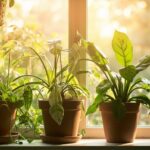
- Indoor Care: Place your umbrella plant near a window with sheer curtains, ensuring it receives bright, indirect sunlight. Avoid direct sunlight to prevent leaf burn.
- Outdoor Care: If placing your umbrella plant outdoors, choose a spot with dappled shade or indirect sunlight. Protect it from harsh midday sun to prevent scorching.
- Temperature: Keep your umbrella plant in a warm environment with temperatures between 60-80°F (15-27°C). Avoid cold drafts and sudden temperature fluctuations.
- Humidity: Maintain high humidity levels by misting the plant or placing it on a tray of pebbles and water to promote healthy growth.
2. Protection From Direct Sunlight or Drafts
Positioning your umbrella plant to shield it from direct sunlight or drafts is crucial for maintaining its health and vitality, both indoors and outdoors.
Indoors, place your umbrella plant near a window where it can receive bright, indirect sunlight. Direct sunlight can scorch its leaves, so it’s important to provide some shade during the sunniest parts of the day.
Outdoors, choose a spot with filtered sunlight or partial shade to protect the plant from the intense rays of the sun. Additionally, avoid placing your umbrella plant in drafty areas as it’s sensitive to sudden temperature changes. Drafts can cause stress to the plant and lead to leaf drop.
3. Care Umbrella Plants in Containers
To maximize the growth of your umbrella plants in containers, proper management is essential for maintaining their health and vitality, both indoors and outdoors.
Follow these tips to ensure the optimal growth of your umbrella plants:
- Container Size: Choose a container that provides ample space for the plant’s root system to grow. A larger container will prevent overcrowding and allow for better nutrient absorption.
- Well-Draining Soil: Use a well-draining, nutrient-rich potting mix to promote healthy root development and prevent waterlogging, which can lead to root rot.
- Light Exposure: Indoors, place the umbrella plant near a bright, indirect light source. Outdoors, provide partial shade to protect the plant from intense sunlight.
- Watering: Maintain consistent moisture levels in the soil, allowing it to slightly dry out between waterings to prevent overwatering and root rot.
4. Winter Care and Seasonal
When managing the growth of umbrella plants in containers, you’ll need to adapt your care routine for the winter months, both indoors and outdoors.
During the winter, indoor umbrella plants should be placed in a bright location, away from drafts and heating vents. Reduce watering frequency, allowing the soil to dry out slightly between waterings. Monitor humidity levels indoors to ensure it stays above 50%.
Outdoor umbrella plants may need to be brought indoors if temperatures drop below 50°F (10°C). Mulch around the base of outdoor plants to protect the roots from freezing temperatures. Prune any damaged or dead branches to promote healthy growth in the spring.
Schefflera Plant
The schefflera plant is a versatile and low-maintenance addition to any garden.
With its elegant umbrella shaped leaves and air purifying benefits, it’s sure to bring a touch of natural beauty to your indoor or outdoor space.
By following the proper growing requirements and care tips, you can enjoy the lush green foliage of the umbrella plant for years to come, creating a serene and tranquil atmosphere in your garden.
Turn That PDF Into a Spreadsheet in Minutes
You've seen how to do it manually — now let the tool handle the heavy lifting. Upload your bank statement and get Excel, CSV, or QBO in a few clicks.
Try It Free