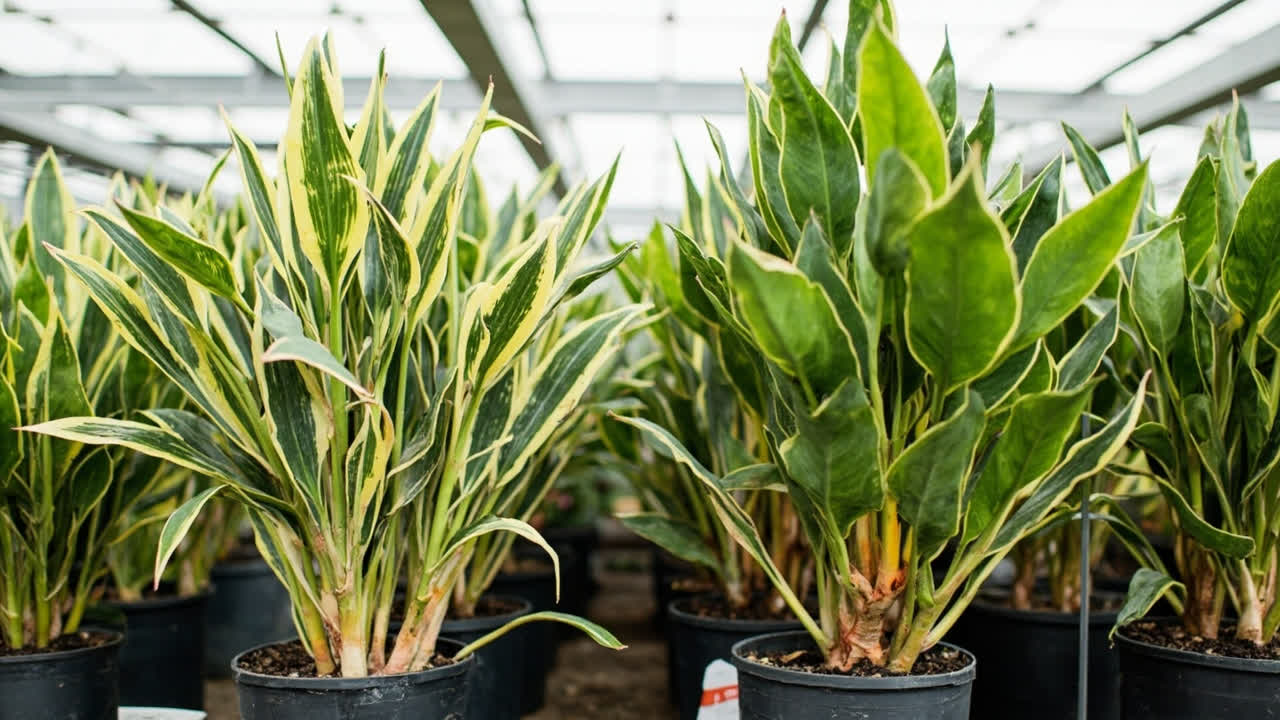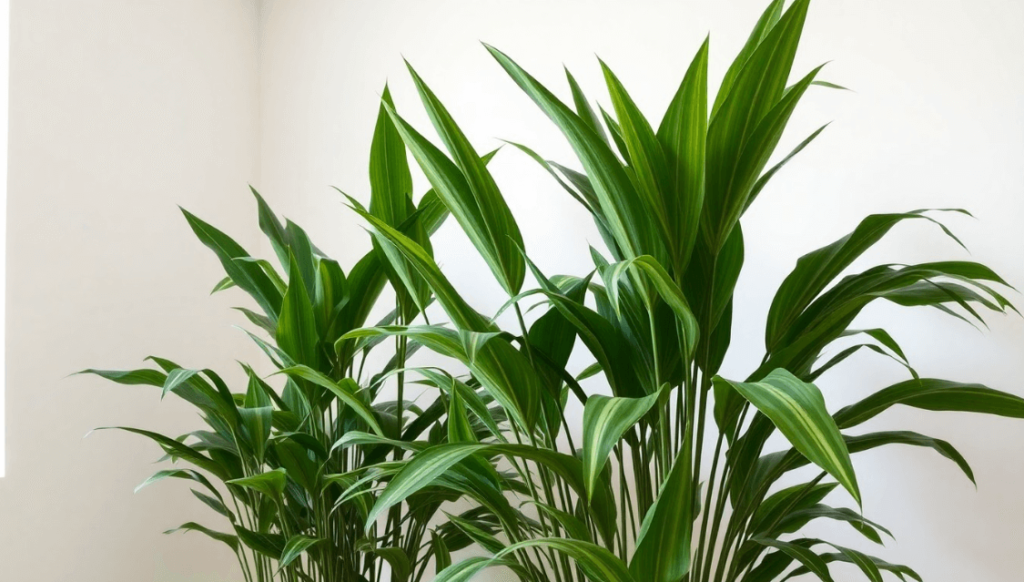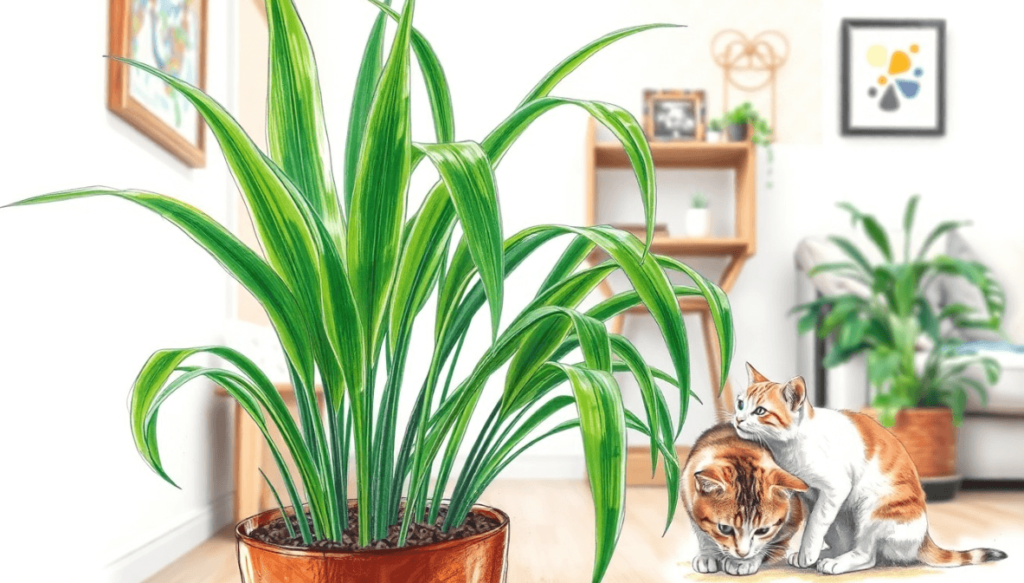

Is it true, mass cane plant toxic to cats? As a plant enthusiast and a cat owner, you might have found yourself enchanted by the elegant, towering presence of the mass cane plant, also known as Dracaena massangeana or corn plant.
However, beneath its attractive exterior lies a potent threat of poisonous plant to your beloved pets.
I recall a time when I brought home this beautiful plant, unaware of mass cane plant toxic nature.
My curious cat, who loved to explore every nook and cranny of the house, decided to take a nibble on one of the mass cane leaves.
Within hours, she was vomiting and showing clear signs of distress.
A call to the vet and a quick trip to the animal hospital later, she was on the road to recovery.
This experience was a stark reminder of the importance of pet-safe plants in our homes. Our pet-safe houseplants guide covers non-toxic alternatives that are safe around cats..
Now, here’s a detailed look at why the mass cane plant is toxic to felines and what you can do to keep your home safe and pet-friendly.
Mass Cane Plant Toxic to Cats
The mass cane plant, a member of the Dracaena genus, contains a harmful chemical compound called saponin.
This substance is the primary culprit behind why dracaena is toxic to both cats and dogs.
Saponins are natural detergents that is considered toxic when ingested.
This toxic agent can cause a slew of unpleasant and potentially dangerous symptoms in your felines companions.
So, if you’re a canine lovers too, remember that mass cane plant is toxic to dogs!
Symptoms of Ingestion
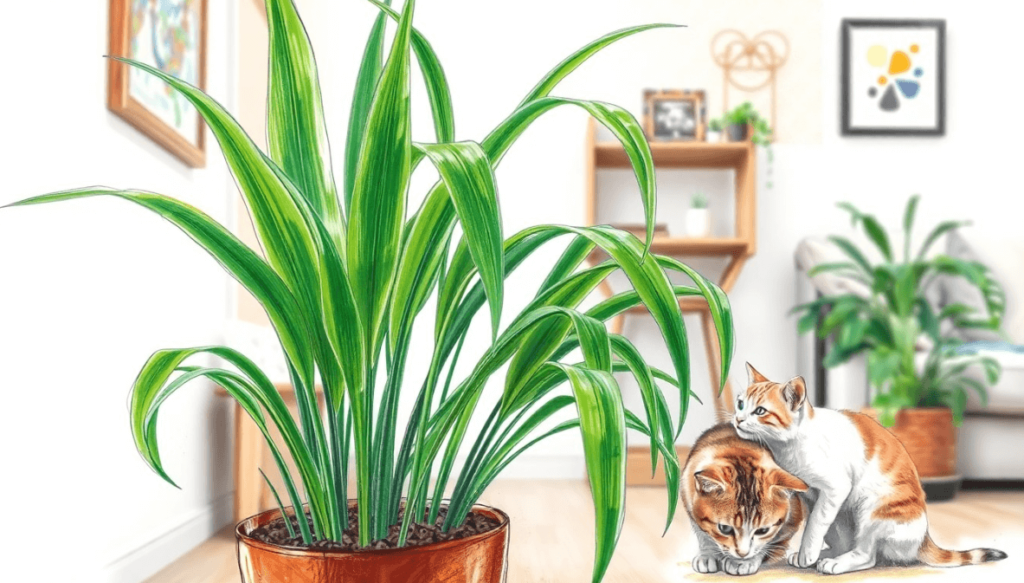
If your cat ate a part of the mass cane plant, it’s crucial to monitor for symptoms like vomiting and salivation. These signs, along with oral irritation, indicate a toxic reaction.
These toxic reaction include vomiting, sometimes with blood, diarrhea, increased salivation, difficulty swallowing, and even depression.
In cats, you might also notice dilated pupils, a sign that something is amiss.
Understanding these symptoms can help you act swiftly, ensuring your pet receives the necessary care without delay.
Immediate Action for Poisoned Cat
Questions often arise about what to do if your pet has ingested a toxic plant.
Imagine coming home to find your usually lively cat lethargic and vomiting. This scenario is all too possible if your pet has ingested part of a mass cane plant.
It’s important to remember that immediate action is vital.
Knowing what your cat ate and the potential symptoms such as oral irritation and vomiting can assist your vet in providing the best care.
It is crucial to act swiftly if you suspect your cat has eaten any part of this mass cane plant. And here’s what you should do:
- Remove the Plant: Immediately take the mass cane plant out of your cat’s reach to prevent further ingestion.
- Document the Incident: Note down the time and amount of plant material consumed, if possible.
- Contact Your Vet: Reach out to your veterinarian or the ASPCA’s Animal Poison Control Center (APCC) at (888) 426-4435 as soon as possible. Home treatments are not recommended and can delay necessary veterinary care.
Why Immediate Veterinary Care is Crucial
In past years, many pet owners have underestimated the dangers of common houseplants like the dumb cane, leading to preventable incidents.
The symptoms caused by saponin ingestion can quickly escalate into severe dehydration and other serious health issues if left untreated.
An expert veterinary assistance or pet specialist is essential to manage these symptoms and prevent long-term harm.
Your vet can provide the necessary treatment to get your cat back on its feet quickly and safely.
Safe Alternatives Plants for Your Home
Not all plants are created equal, especially when it comes to your animals. When selecting plants, consider not only their aesthetic appeal but also their safety.
Because some plants may be poisonous to pets, causing symptoms like oral irritation and vomiting.
If you’re looking to beautify your home without putting your cat at risk, there are several non-toxic alternatives plants you can consider:
- Calathea: Known for its vibrant, colorful leaves, Calathea is a great choice for adding some flair to your home without the toxicity.
- Boston Fern: A lush, green option that is safe for your pets and can add a touch of tropical elegance to any room.
- Sweet Basil: Perfect for both culinary use and decoration, sweet basil is a pet-friendly herb that can add freshness to your home.
- African Violets: These small, flowering plants are not only beautiful but also completely safe for your feline friends.
Keeping Your Home Safe and Pet-Friendly
Over the years, awareness about plant toxicity has grown. Pet owners are now more vigilant about choosing safe plants.
Regularly updating your knowledge on which plants are poisonous to animals can prevent unfortunate incidents and keep your pets safe from harmful reactions like salivation vomiting.
As a responsible pet owner, it’s essential to be mindful of the plants you bring into your home. Here are a few tips to ensure your space remains safe for your feline friends:
- Research Before You Buy: Always check the toxicity of a plant before bringing it home. The ASPCA and The Humane Society of the United States provide comprehensive lists of toxic and non-toxic plants.
- Keep Plants Out of Reach: Even if a plant is non-toxic, it’s still possible for your cat to choke on leaves or experience gastrointestinal upset. Keeping plants out of reach can prevent a lot of potential issues.
- Monitor Your Pet’s Behavior: Keep an eye on your cat’s behavior around plants. If you notice any signs of ingestion or interest in a particular plant, it’s better to err on the side of caution and remove the plant altogether.
Dracaena Massangeana Plants: The Toxic Agent for Your Cat
While the mass cane plant may add a touch of elegance to your home, it is decidedly not worth the risk to your cat’s health… dracaena massangeana is toxic to cats!
By opting for pet-safe plants and being vigilant about your pet’s interactions with plants, you can create a harmonious and safe space for both your plants and your pets to thrive.
So, the next time you’re at the nursery, remember: beauty and safety can go hand in hand, but it’s always better to choose the latter when it comes to your beloved pets.