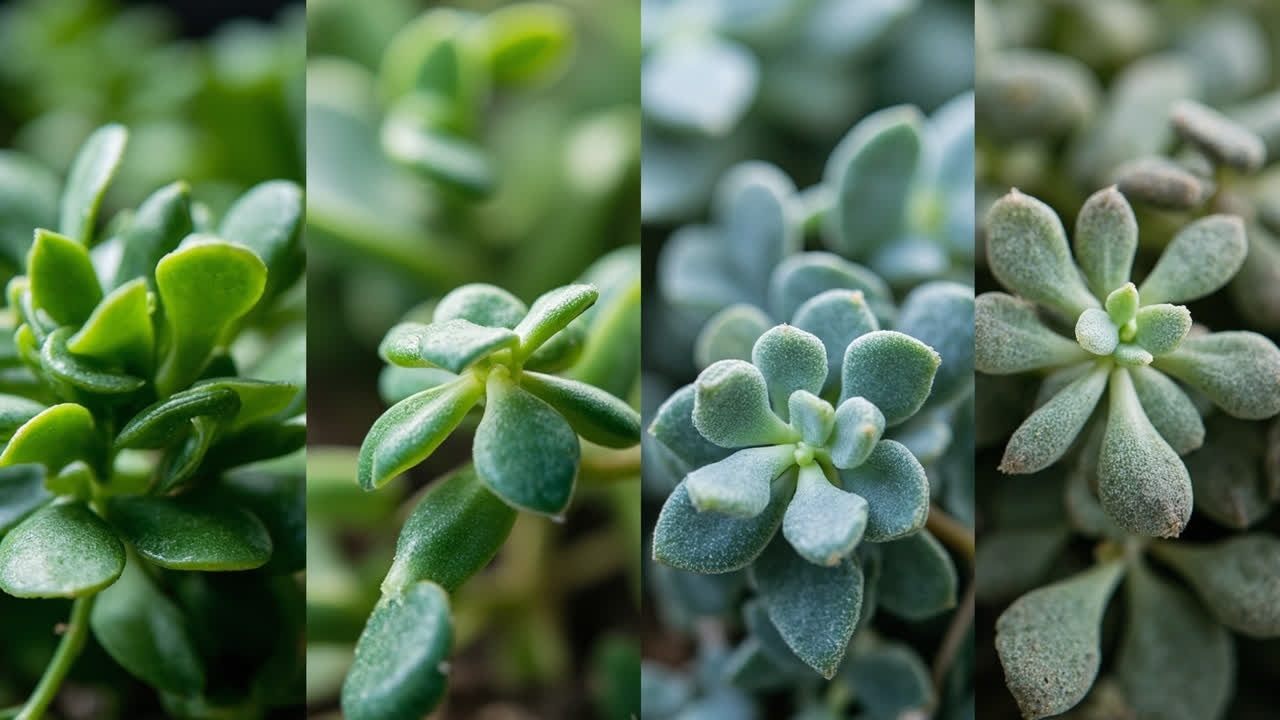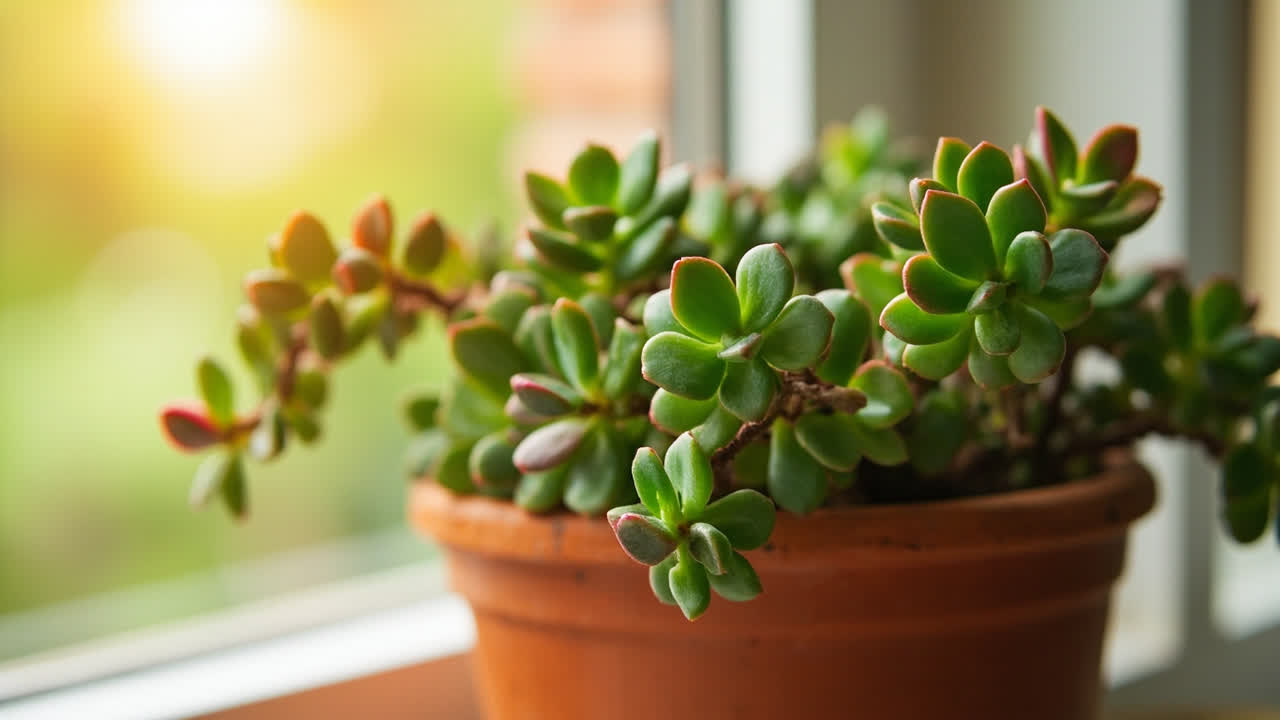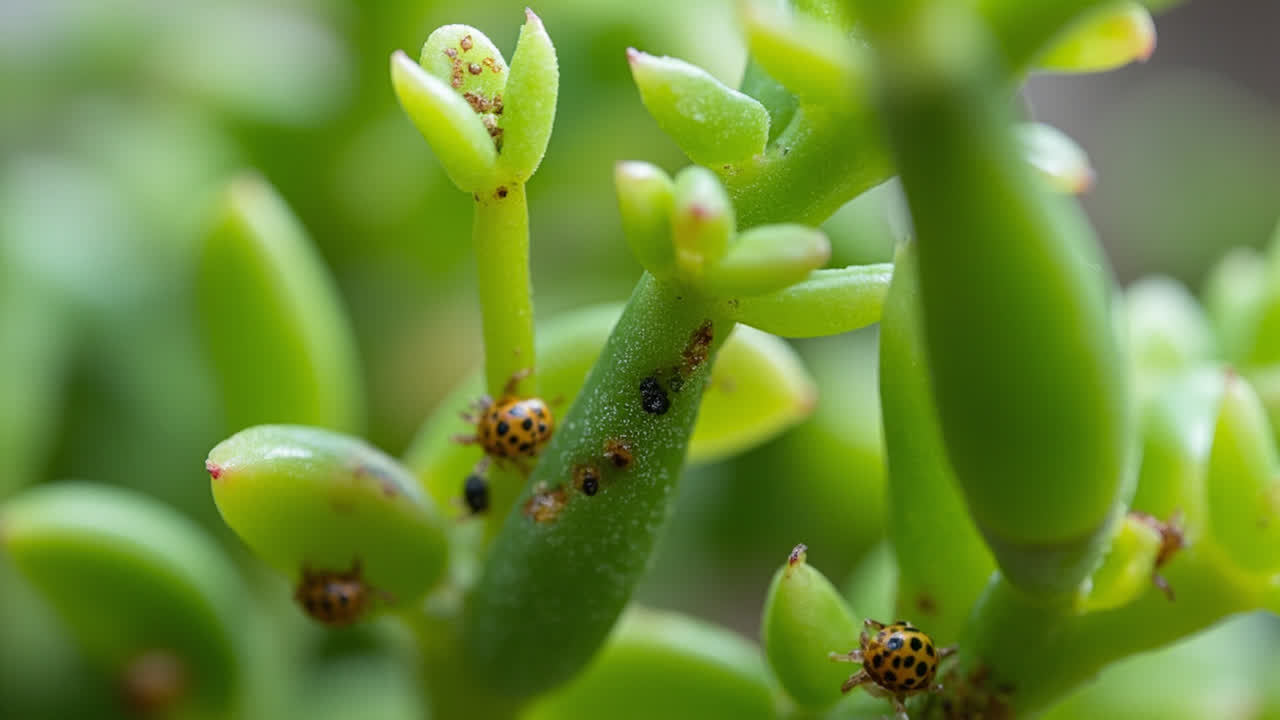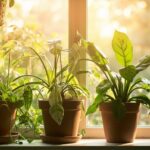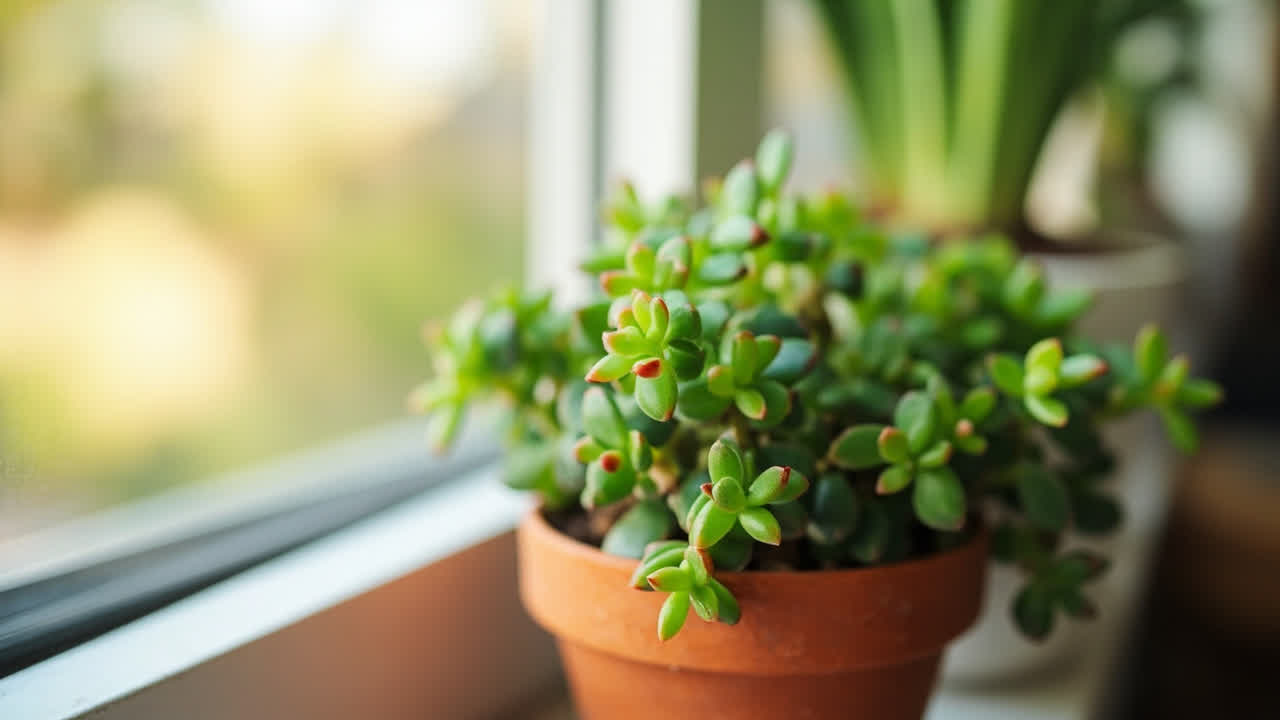

You’ve got a collection of houseplants and you’re looking at your jade plant sitting in its terra cotta pot, probably looking somewhat isolated on a shelf. You’re wondering if you can put it next to some other plants — maybe in a bigger arrangement, or on a plant stand with company. The short answer is yes, with conditions.
Jade plants have specific requirements that not all houseplants share. Pairing them with the wrong plants means one or both will suffer. If you’re not sure what a jade plant’s specific needs are, start with the jade plant care guide — the companion plant arrangement is only as good as the baseline care it’s built on.
What Makes a Good Companion Plant for Jade
The conditions jade plants need that most companion candidates also need are: bright light (at least 4-6 hours of direct or bright indirect light), fast-draining soil, infrequent watering, and tolerance for the same temperature range (60-75°F / 15-24°C).
The plants that fail as jade companions are usually plants that need more water, more humidity, or lower light than jade plants can tolerate. A fern next to a jade plant is a fern that’s going to get too dry. A pothos next to a jade plant is a pothos that’s going to get too much direct sun if the jade is happy.
Good companion candidates are almost always other succulents or dry-tolerant plants that happen to share the same cultural preferences.
Good Companions: Succulents and Dry-Tolerant Plants
Echeveria
Echeveria is one of the best companions for jade plants because they share the same watering philosophy, soil needs, and light requirements. Both want bright light, fast-draining soil, and watering only when the soil is completely dry. An Echeveria sitting next to a jade plant on a bright windowsill is essentially the same plant in different clothing.
The visual contrast is also strong — Echeveria’s rosette form and blue-green or pink coloring complement the jade’s larger, tree-like growth habit. They’re natural visual partners.
Haworthia (Zebra Cactus)
Haworthia is a small, architectural succulent that handles lower light than most succulents — it can tolerate bright indirect light that would be insufficient for Echeveria. If your jade plant is in a spot where it gets 3-4 hours of direct sun rather than 6, Haworthia is a better companion candidate than most other succulents.
It also handles more frequent watering than jade — so you can water the Haworthia without worrying about whether the jade’s soil is dry enough. The jade can go 2-3 weeks between waterings while the Haworthia might need water every 10-14 days, and that’s manageable as long as the two plants aren’t in the same pot.
Snake Plant (Sansevieria)
Snake plants are surprisingly compatible companions for jade plants. They share the same low-water philosophy, tolerate the same temperature range, and can handle irregular watering. Unlike many other houseplants, the snake plant’s needs don’t conflict with the jade’s — it won’t suffer if you forget to water it for a few weeks.
The tradeoff is light: snake plants tolerate low light but grow much better in moderate to bright indirect light, which is also ideal for jade plants. A jade and snake plant in a bright corner together is a natural pairing. The visual contrast — the jade’s round leaf form versus the snake plant’s vertical sword leaves — makes for strong composition. For light-specific placement tips, the light requirements guide has the full breakdown.
Aloe Vera
Aloe vera has very similar cultural requirements to jade plants, with one major advantage: it rarely gets pests that affect jade plants, so there’s no cross-contamination risk. Both want fast-draining soil, infrequent watering, and bright light. They’re also both medicinal plants historically, which gives the pairing an interesting shared story.
The main consideration is size: aloe vera can grow quite large, with some varieties producing offsets that form substantial clumps. A large aloe next to a small jade plant may eventually shade it or compete for the same pot space.
Sedum (Stonecrop)
Sedums and jade plants are closely related botanically — both are in the Crassulaceae family. They have identical watering needs, identical soil preferences, and often complementary forms. Trailing sedums look particularly good cascading from a pot alongside a jade plant.
The risk with sedums is that many trailing varieties want more water than jade plants. The sedum will stay healthy while you’re watering the jade appropriately, and the jade will stay healthy while you’re watering the sedum too little. Managing two watering schedules in the same arrangement requires attention.
Plants to Keep Away From Jade
Ferns
Ferns require consistently moist soil, high humidity, and lower light than jade plants can tolerate. A jade plant placed in a bathroom with a fern will either scorch from insufficient light or get root rot from soil that’s kept consistently damp for the fern’s benefit. Keep them in separate rooms.
Philodendrons and Pothos
These tropical climbers can survive next to jade plants in the same way a person can survive eating fast food every day — technically fine, not thriving. They want more water, more humidity, and more shade than jade plants can provide. A pothos next to a jade plant will either get sunburned from too much light or etiolated from trying to grow in the jade plant’s preferred bright spot.
Calatheas and Marantas
These prayer plants require high humidity and consistently moist soil — both of which directly conflict with jade plant care. The water requirements are essentially incompatible. Any arrangement that tries to meet both plants’ needs is an arrangement that serves neither well.
Arrangement Tips: What Works and What Doesn’t
Don’t plant jade plants in the same container with plants that have conflicting watering needs. A “succulent planter” that includes both jade plants and tropical plants is a planter that will kill one of them. If you’re creating a mixed arrangement, use the same soil type, put each plant in its own small nursery pot, and place those pots inside the decorative container. This lets you water each plant individually without disturbing the others.
Give jade plants space — they need good air circulation and resent being crowded against other plants. A crowded jade plant is more prone to pest problems because air movement is reduced. The ideal arrangement has at least a few inches between the jade and any companion plant.
Light placement is the most important factor in any jade companion arrangement. Put the arrangement where the jade plant gets its ideal light, then assess whether the companion plant can tolerate that light level. If the companion needs more shade, put it in front of the jade rather than beside it in the brightest spot.
The best jade plant arrangements are also the simplest: 2-3 plants with similar needs grouped in a way that creates visual contrast, placed in a spot that meets the jade plant’s light requirements. A jade plant with an Echeveria and a Haworthia on a bright shelf is a complete, low-maintenance arrangement that works perfectly. If you want to expand the collection, propagating more jade plants is the most reliable way to add to the arrangement without buying new companions.
Turn any PDF statement into a clean sheet
Skip the typos and the hours of copying. Our converter handles any bank statement format and outputs Excel, CSV, or QBO for QuickBooks. No file retention, free to try.
Convert your statement