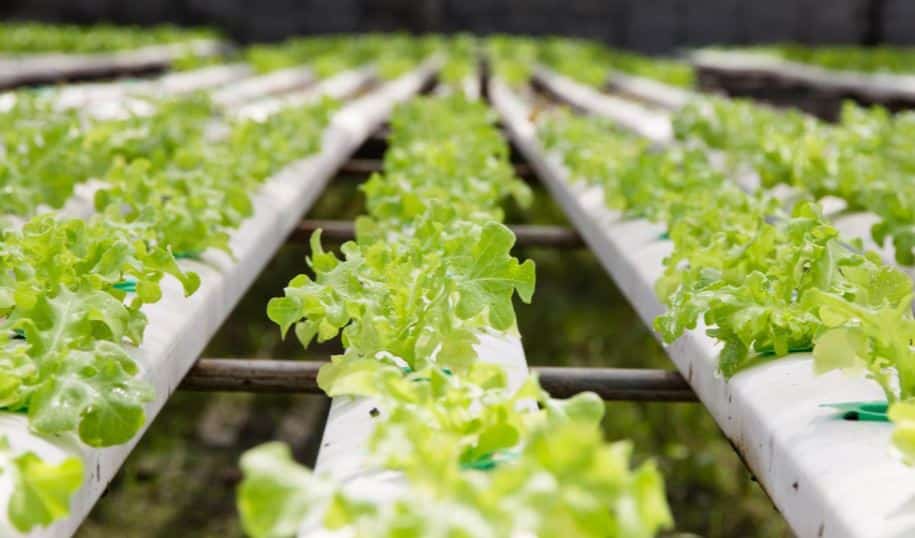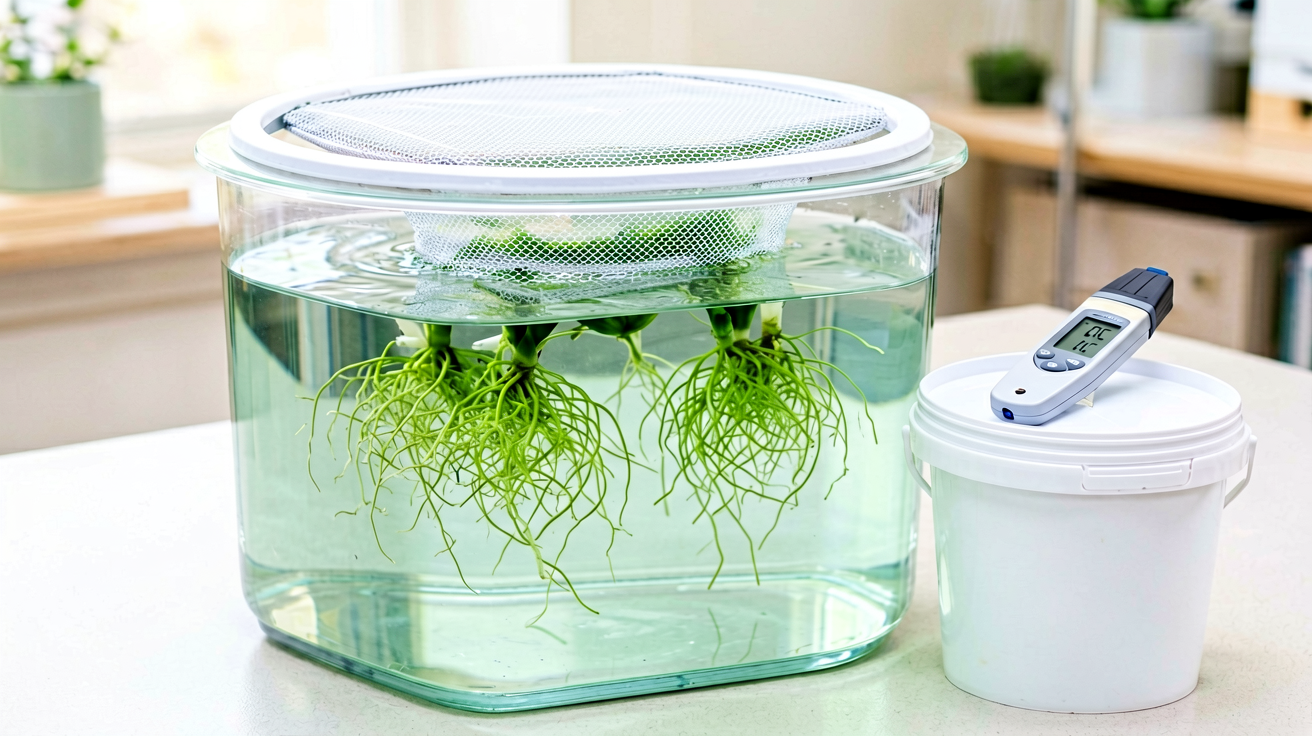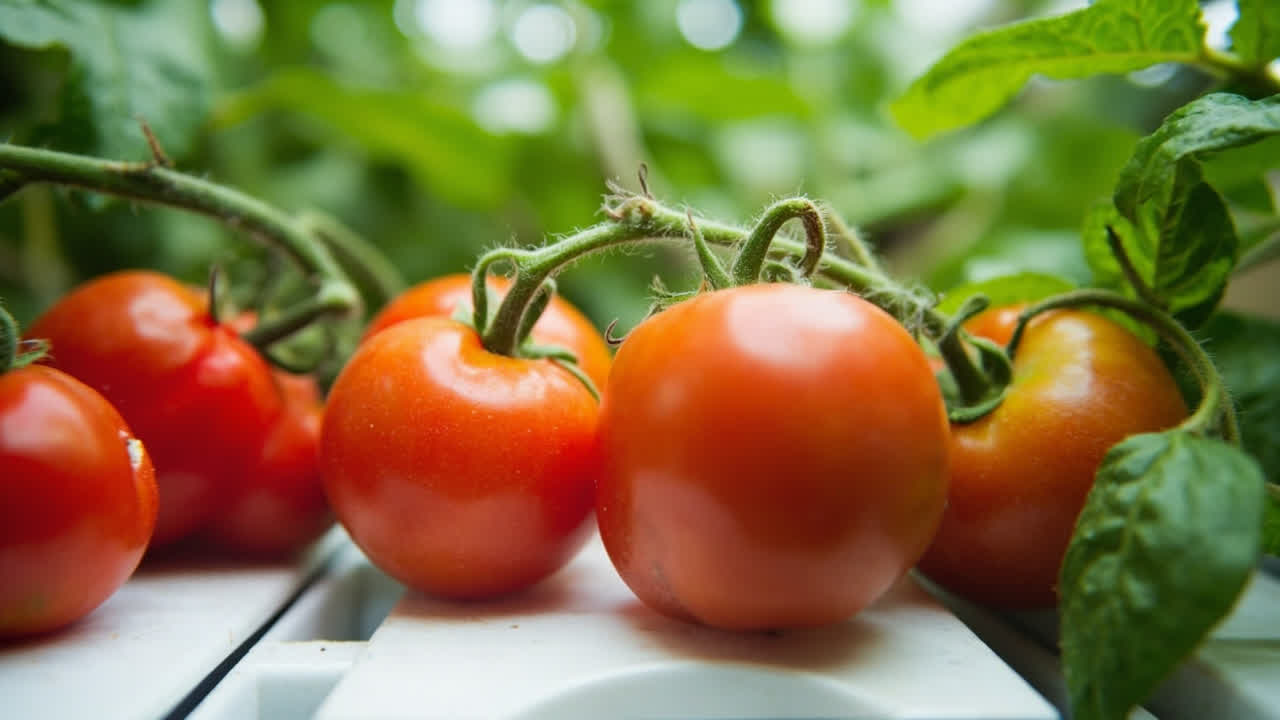

When you set up a hydroponic system, growing hydroponic tomatoes requires more intentional variety selection than most new growers expect.
Not every tomato performs equally well without soil — some cultivars are purpose-built for soilless environments, while others struggle with rootzone oxygen, vertical space constraints, and the rapid nutrient delivery that hydroponics demands.
Picking the right hydroponic tomatoes early means you won’t waste months growing plants that yield poorly or bolt prematurely.
This guide covers the specific characteristics that matter most in a hydroponic context, breaks down growth habits and variety performance, and gives you a practical framework for matching cultivars to your specific system.
Why Tomato Variety Matters More in Hydroponics Than in Soil
In soil, tomatoes can mine resources across a wide root spread. In a hydroponic setup, your plants are working with a concentrated, fast-access nutrient solution in a defined growing medium — and that changes the selection pressure entirely. Cultivars that thrive in soil because of their deep root systems or broad nutrient uptake may underperform in a DWC bucket or NFT channel where everything moves faster and roots need high oxygen access.
The varieties that consistently rank highest for hydroponic performance share a few traits: they tolerate higher root-zone moisture without developing disease pressure, they respond well to the steady, intense nutrition that hydroponic dosing provides, and they have growth habits that work within the vertical and horizontal constraints of indoor growing systems. Hydroponic tomato farming at the hobby and small-plot level rewards specificity — generic seed-packet choices rarely produce the best results.
Beyond agronomics, the variety you choose directly affects yourharvest timeline, fruit size uniformity, and flavour concentration. For a home grower, that translates to either a season of satisfying yields or a long run of bland, cracked, or underripe fruit that never quite ripens properly.
Indeterminate vs. Determinate Tomatoes in Hydroponic Systems
Understanding the distinction between these two growth types is the single most important decision point before you spend money on seed or transplants.
Indeterminate varieties grow continuously, producing flowers and fruit in lateral shoots as the main stem keeps extending. They need support, regular pruning, and vertical space. In a properly managed hydroponic system, indeterminate tomatoes can be exceptionally productive because the plant keeps redirecting energy into new fruit sets as old ones ripen. They require more hands-on maintenance — removing suckers, managing canopy, checking support lines — but they reward that attention with a long, continuous harvest window.
Determinate varieties grow to a fixed height and then stop, ripening most of their fruit within a concentrated two-to-three-week window. They are naturally more compact, require less pruning, and work better in smaller systems or where you want a batch-harvest approach. The trade-off is that once they fruit, the plant is essentially done, and you’ll need to rotate in new transplants if you want continuous production.
For most home hydroponic setups — particularly those with limited vertical height or grower attention — indeterminate cherry and small-fruited types tend to perform better because they make efficient use of vertical trellising and give you a rolling harvest. Determinate varieties suit batch-focused systems or short-season growers who want to cycle plants in and out.
Best Cherry Tomato Varieties for Hydroponics
Cherry tomatoes are arguably the most forgiving and highest-performing category for home hydroponic setups. They generally have shorter maturity windows, produce abundantly in compact spaces, and their smaller fruit size reduces the risk of blossom-end rot caused by uneven calcium uptake — a common issue in hydroponic tomatoes.
Tiny Tim is a determinate dwarf cherry tomato bred specifically for container and small-space growing. It matures in roughly 45–55 days, reaches 30–40 cm tall, and produces a concentrated set of sweet, bright red fruits. Its compact habit makes it an excellent fit for small DWC buckets or kitchen-counter growing units. If you are limited on vertical space, Tiny Tim is one of the few full-sized tomato plants that genuinely works in a countertop hydroponic system.
Tumbling Tom is a trailing determinate variety designed for hanging baskets and vertical systems. It produces cascading vines that work exceptionally well in vertical towers and NFT channels with shallow rooting depth. Yields are typically 2–4 kg per plant over a season, and the fruits are juicy and well-balanced. Tumbling Tom is a reliable workhorse for smaller hydroponic operations and performs well even under moderate light.
Sungold is an indeterminate cherry tomato that produces orange-gold, exceptionally sweet fruit with a Brix reading that consistently outranks most red cherry types. It is vigorous, handles high-nitrogen hydroponic nutrition well, and produces long trusses of fruit that ripen progressively. Sungold is a favourite in commercial deep water culture setups because its root system handles saturated conditions better than many other indeterminate types. The main drawback is a relatively thin skin that can crack if EC levels fluctuate — watch your nutrient consistency closely with Sungold.
Sugar Baby is a compact indeterminate cherry that performs well in buckets and smaller systems. It sets fruit reliably even at slightly lower light levels, which matters if your growing environment doesn’t get full direct sun. Fruit is dark red, sweet, and well-shaped.
Best Beefsteak and Standard Tomato Varieties for Hydroponics
Beefsteak and standard tomatoes present a different challenge in hydroponics. Their larger fruit size means higher demand for calcium, potassium, and consistent water delivery. Plants are typically more vigorous and need stronger structural support. However, when they perform well, the harvest is genuinely satisfying — large, meaty slices for sandwiches, salads, and cooking.
Ace 55 is a determinate beefsteak that produces large, thick-walled fruits with excellent flavour and good disease resistance. It matures in 75–85 days and performs well in five-gallon DWC buckets with solid support. The plant stays relatively compact for a beefsteak type, making it one of the more practical large-fruited choices for home systems. Ace 55 handles heat reasonably well, which matters in enclosed hydroponic grow spaces where temperatures can run warm.
Celebrity is a widely-adapted determinate hybrid that produces firm, flavourful fruits in the 200–300 gram range. It has strong disease resistance (especially against tobacco mosaic virus and verticillium wilt), which reduces the pressure on your nutrient management when problems arise. Celebrity is one of the most reliable all-round performers in any hydroponic format — DWC, NFT, or media-based systems — and is a solid choice if you are relatively new to hydroponic tomato growing and want a forgiving first variety.
Big Beef is an indeterminate beefsteak that consistently produces large, flavour-rich fruits. It is relatively disease-resistant and performs well in larger hydroponic setups where vertical trellising is available. Yields per plant can exceed 6 kg in a well-managed system. If you have the space and want proper slicing tomatoes from a hydroponic setup, Big Beef is the most reliable cultivar in this category.
Best Roma and Plum Tomato Varieties for Hydroponics
Roma and plum tomatoes are characterised by elongated fruit, meaty flesh, low moisture content, and few seeds — making them ideal for sauces, paste, canning, and drying. In hydroponics, these types tend to be less prone to cracking than round beefsteaks, and their compact growing habit suits smaller systems well.
Roma VF is the standard paste tomato and one of the most widely grown cultivars in any growing medium, soil or hydroponic. It is determinate, disease-resistant, and produces a concentrated heavy set of thick-walled fruit. In a hydroponic DWC bucket with proper feeding, Roma VF produces heavily and reliably. For a home grower focused on preservation — making sauce, sun-drying, or canning — this is the workhorse cultivar.
San Marzano is an indeterminate paste tomato with slightly larger, more irregular fruit than Roma. It has exceptional flavour for cooking applications and handles high-nitrogen hydroponic nutrition well. San Marzano needs trellising and more vertical space than Roma, but the harvest quality is noticeably superior if culinary use is your primary goal.
Banana Leg is a less common but worthwhile paste variety in hydroponics. It produces elongated yellow fruits with mild, low-acid flavour. It is particularly useful if you want to diversify colour in your harvest — yellow tomatoes alongside red ones make for visually striking preserved products and fresh presentations. Banana Leg handles warm root-zone temperatures better than most red paste types, which matters in poorly ventilated growing spaces.
What to Look For: Yield Per Plant, Days to Harvest, Disease Resistance, Height
Before selecting varieties, understand the four metrics that actually determine whether a cultivar works for your specific setup:
Yield per plant is measured in kilograms or fruit count over a full harvest cycle. Cherry tomatoes typically yield 2–5 kg per plant in a season. Standard beefsteak varieties produce fewer fruits but larger individual weights — Celebrity and Big Beef in the 5–7 kg range in good hydroponic conditions is achievable. Paste tomatoes like Roma VF often yield 3–5 kg of concentrated fruit. Factor in plant spacing: a more compact variety might produce less total weight but make better use of limited floor area.
Days to harvest — the seed-to-first-ripe-fruit window — ranges from 45 days for ultra-fast cherry varieties like Tiny Tim to 80–90 days for larger beefsteaks. In a continuously harvesting hydroponic system, your choice of early, mid, and late varieties determines whether you have tomatoes on the vine every week or in periodic batches. For a steady supply, grow one early cultivar (under 60 days) and one mid-season cultivar (70–85 days) simultaneously.
Disease resistance is listed on seed packets as codes — TMV (tobacco mosaic virus), V (verticillium wilt), F (fusarium), N (nematodes), and others. Hydroponic systems, particularly DWC and NFT, can develop root disease if temperatures rise or oxygen levels drop. Cultivars with resistance to F and V are worth prioritising for any system where root-zone conditions can fluctuate.
Mature plant height determines whether a variety fits your vertical space. Vertical towers and trellis systems have hard limits — a cultivar that grows to two metres is useless in a one-metre system. Check the expected height before purchasing seed or transplants, and plan your support infrastructure accordingly.
Matching Tomato Varieties to Your Hydroponic System
Different hydroponic formats impose different physical constraints, and matching your cultivar to the right system geometry is one of the most overlooked factors in achieving good yields.
DWC buckets work well for single-plant-per-bucket crops with a minimum of five litres of nutrient solution per plant. The buckets tolerate both indeterminate and determinate varieties, but deep-water roots need good oxygenation — air stones are non-negotiable. Cherry and small-fruited indeterminate varieties like Sungold and Sugar Baby perform very well in DWC because their roots tolerate the saturated conditions. Determinate beefsteaks like Ace 55 also work in five-gallon buckets if you provide adequate support.
NFT channels deliver a shallow, continuous nutrient film over the roots. They work best with shallower-rooted, more compact plants — making tumbling and trailing cherry varieties like Tumbling Tom excellent choices. Larger-fruited indeterminate types can struggle in NFT because their root mass may exceed the channel’s capacity and cause dry patches in the channel. If you want to grow beefsteaks in NFT, use wider channels and keep plant density low.
Vertical towers are best suited to compact, trailing, or dwarf determinate varieties. Tumbling Tom is the canonical example — its cascading growth pattern actually takes advantage of vertical space rather than fighting it. Tiny Tim also works in tower systems due to its compact habit. Avoid tall indeterminate beefsteaks in vertical towers unless you have headroom above the tower to allow continued upward growth — otherwise the plants crowd at the top and reduce light penetration to the lower fruit.
If you are still deciding which system format is right for your space and goals, choose a hydroponic system based on your available vertical height, electrical reliability for the pump, and how hands-on you want to be with plant management. The system you choose will immediately narrow down your viable variety options.
Starting from Seed vs. Transplanting Into Hydroponics
Both starting methods work, and the choice affects your timeline, cost, and the initial condition of your plants.
Starting from seed gives you full control over the early stage and avoids importing soil-borne pests or disease. Use a sterile seed-starting medium or rock wool cubes. For cherry tomatoes, you can germinate in as few as five to seven days and have a transplant-ready seedling in four to five weeks. Starting from seed is significantly cheaper per plant — a packet of Sungold seeds produces dozens of plants for the cost of a single transplant.
Transplanting from soil is risky in hydroponics unless you carefully clean all soil from the roots. Soil-borne roots will decompose in your nutrient solution, creating bacterial bloom and foul water. If you must transplant from soil, soak the root ball in pH-balanced water for 24 hours, then very gently rinse away all soil before placing in your hydroponic medium. Better alternatives are starting from seed or purchasing certified hydroponic seedlings grown in rock wool or coco coir.
The most effective approach for a continuous-harvest setup is to stagger your seed starts — begin a new batch of Sungold every three to four weeks so that as one plant reaches peak production, a younger replacement is already established and waiting. This eliminates the gap between harvests that determinate, single-cycle varieties inevitably create.
Whatever starting method you choose, monitor your plants carefully for the first two weeks after transplanting. Hydroponic tomatoes go through a significant adjustment as their root system shifts from soil or soilless medium into direct contact with nutrient solution — this is when problems like nutrient lockout, wilting from transplant shock, or root-zone temperature swings are most likely to appear. Keeping conditions stable during this window sets the stage for everything that follows.
Getting your variety selection right before you even plant a seed is the single most leveraged decision in your hydroponic tomato operation. The cultivars listed here are not the only good options — they are the ones with the strongest track record in home hydroponic systems, and each has a specific set of characteristics that makes it more or less suitable for your particular setup. Use the matching criteria above to narrow your selection, start your seeds, and give your plants the specific conditions their genetics require. The payoff for that specificity is measurable in every harvest you pull from your system.
From PDF to Excel in one click
Forget retyping line by line. Upload any bank statement, get a spreadsheet you can actually use. Your files are never stored, and you can test the converter with 3 free conversions.
Try it free