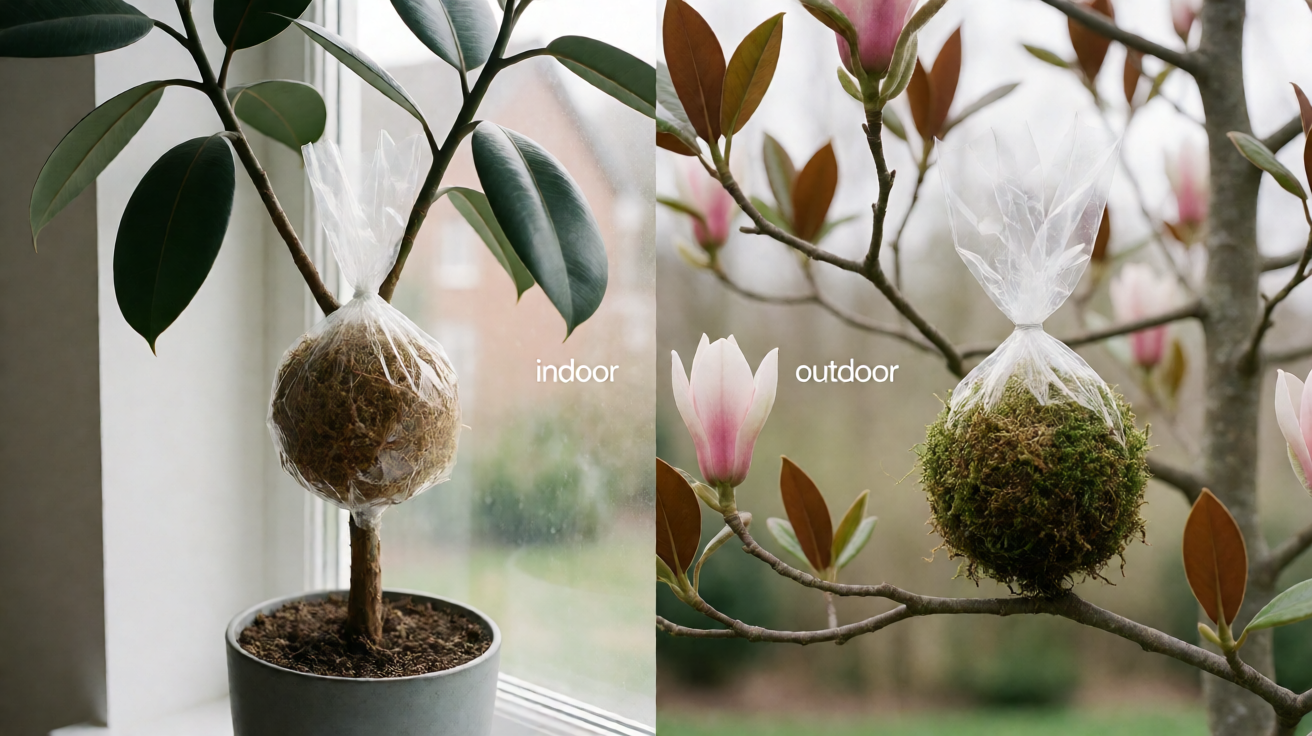

Air layering works in both indoor and outdoor settings, but the indoor context trades vigor for control while the outdoor context trades control for vigor. The right pick depends on three variables: your plant type, your climate, and the season. Indoor air layering gives you year-round timing and a stable environment. Outdoor air layering gives you stronger cambium activity during active growth and faster root formation, but you lose weather control. This page is the decision frame; the step-by-step procedure lives in the air layering pillar guide.
Most guides skip the indoor-versus-outdoor question and hand you one procedure for every plant. That is the gap. Air layering does not behave the same way on a windowsill rubber plant as it does on a backyard magnolia. The method is identical. The operating context is not.
Air Layering Indoors vs Outdoors: The One-Minute Decision Frame
Start with one question: is your plant indoors year-round, or does it live outside where the seasons move? Indoor air layering means a stable temperature, lower light, and slower growth. Outdoor air layering means seasonal temperature swings, full sun exposure for part of the day, and cambium activity that follows the calendar.
Both contexts work. They reward different plant types and different timing windows. The rest of this page walks through the three variables that change the answer and gives you a decision rule by the end. If you want the procedure once you decide, the step-by-step air layering pillar covers every cut, wrap, and pot-up step.
The Three Variables That Change the Answer
Three variables swing the indoor-versus-outdoor decision: location, plant type, and timing. Change any one of them and the answer flips.
Location: Where the Plant Lives Right Now
Location is the obvious variable. A rubber plant on a living-room shelf has a stable 18 to 24 C range and consistent diffuse light. A magnolia in a backyard bed has full sun exposure, wind, and seasonal temperature swings from below freezing to 30 C. The air layering procedure is identical, but the success rate and timing change because the cambium responds to those conditions.
Indoor location gives you climate control. Outdoor location gives you seasonal vigor. Neither is universally better. The right answer is the context that matches your plant’s natural rhythm.
Plant Type: Woody Stems and Growth Speed
Woody-stemmed and semi-woody plants air layer reliably in both contexts. Ficus elastica, Ficus lyrata, magnolia, camellia, dracaena, schefflera, dieffenbachia, money tree, azalea, and holly all respond to air layering indoors or outdoors. The difference is speed, not success.
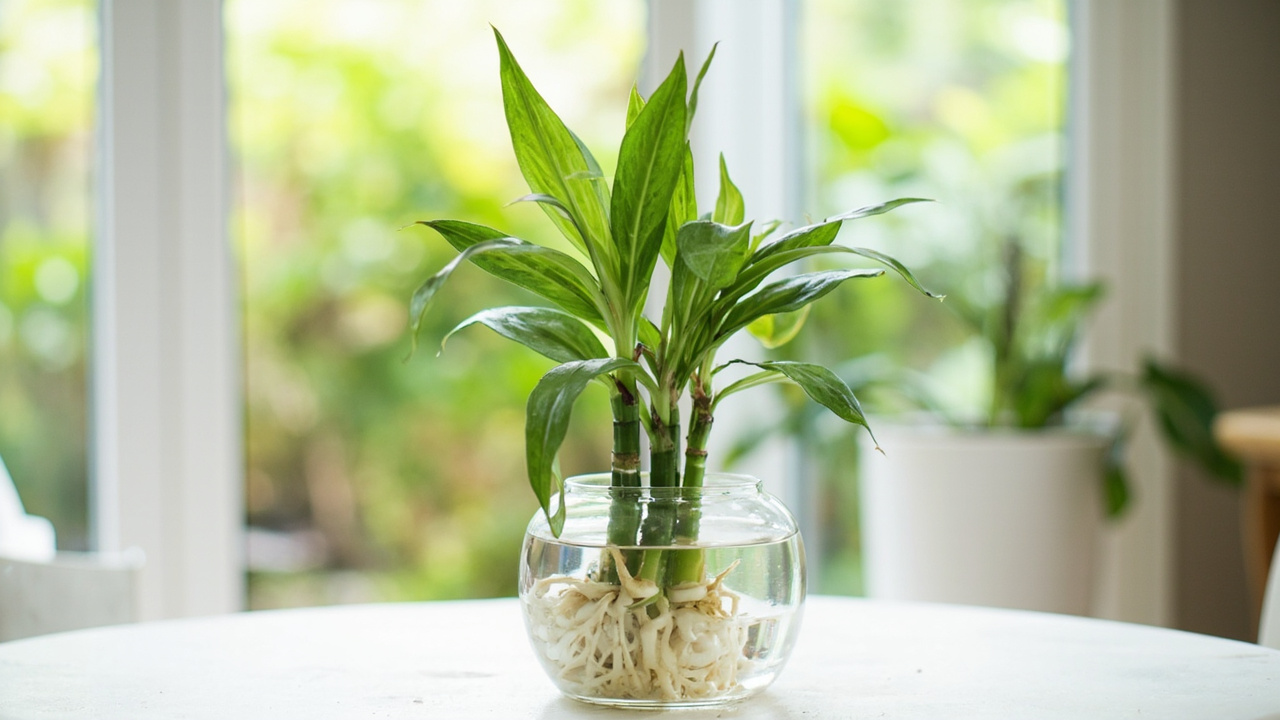
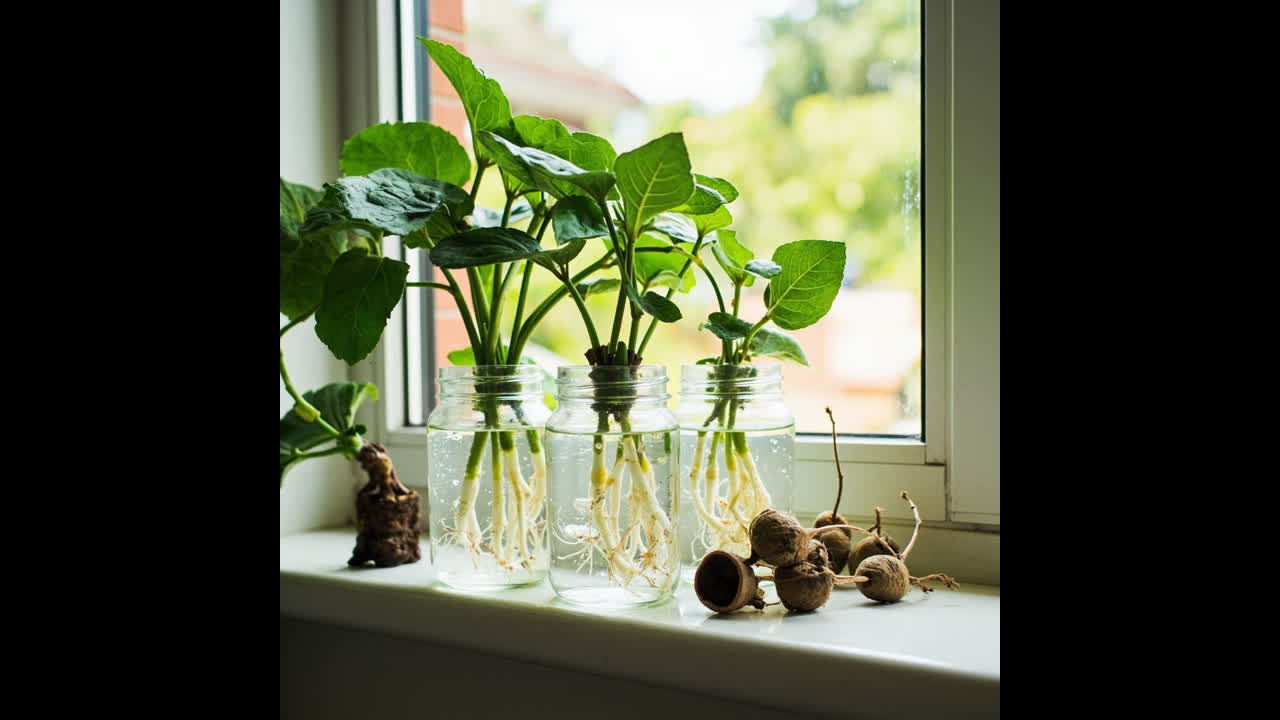
Soft-stemmed plants like pothos, philodendron, and tradescantia rarely need air layering at all. Water propagation is faster and the stems rot less. If you have a soft-stem plant, the air layering vs water propagation comparison covers when each method earns its place.
Timing: When You Plan to Start
Timing is the variable most readers miss. Outdoor air layering tracks the calendar. Active growth in spring and early summer drives cambium activity, which means faster callus and root formation. Indoor air layering is calendar-independent but slower, because indoor light and temperature stay below the peak outdoor vigor that triggers aggressive rooting.
If timing matters because you need the new plant by a specific date, outdoor air layering during active growth is faster. If you have a flexible timeline and want predictable conditions, indoor air layering wins.
Indoor Air Layering: When It Beats Outdoor and What You Trade
Indoor air layering is the right call when your plant already lives indoors and you want predictable results. The trade-off is speed. Indoor cambium activity stays moderate year-round, so callus forms in 3 to 6 weeks and roots in 6 to 12 weeks for most woody houseplants. Outdoor timing in active growth often beats that by half.
What Indoor Air Layering Gives You
Climate control. You pick the temperature, the humidity, and the light. You can wrap the moss ball in sphagnum, seal it with plastic wrap, and check it weekly without worrying about rain washing the medium out or wind stressing the stem. For first-time air layers, indoor is the lower-risk context.
Year-round timing. You are not waiting for spring. If your rubber plant drops a lower leaf in November and you want to save the leggy stem, you can air layer indoors without waiting for the calendar to catch up.
Smaller plants. Most indoor air layers happen on plants between 30 cm and 1.2 m tall. The stems are accessible, the moss ball is easy to wrap, and the pot-up step fits a normal potting bench.
What You Trade for Indoor Control
Slower rooting. Indoor cambium is less active than outdoor cambium in spring. Expect 6 to 12 weeks for visible roots, sometimes longer in low light. The best plants for air layering list ranks species by indoor rooting speed if speed matters to you.
Lower vigor. Indoor air layers often produce a smaller root mass at pot-up than outdoor layers on the same species. That is fine for most houseplants because the new plant still establishes well in a 10 cm to 15 cm pot.

Outdoor Air Layering: When It Beats Indoor and What You Trade
Outdoor air layering is the right call when you have a landscape woody plant, a seasonal window, and a tolerance for weather variance. The trade-off is control. Outdoor cambium in active growth is faster and stronger, but rain, wind, and temperature swings add failure modes the indoor context avoids.
What Outdoor Air Layering Gives You
Stronger cambium activity. In spring and early summer, outdoor cambium on woody landscape plants is at peak activity. Callus forms in 2 to 4 weeks for magnolia, camellia, azalea, and holly. Roots follow in 4 to 8 weeks. That is roughly twice the speed of indoor air layering on the same species.
Larger root mass at pot-up. Outdoor layers, done right, produce a denser white root mass that establishes faster once you cut the layer and pot it up. For readers who want a showpiece new plant by the next growing season, outdoor wins.
Bigger stock. Outdoor air layering works on trunks and branches indoor air layering cannot reach. If you have a 3 m magnolia with a leggy lower branch, outdoor is the only realistic context.
What You Trade for Outdoor Vigor
Weather exposure. Heavy rain can saturate the moss ball and rot the wound. Wind can stress the stem before the roots anchor the new plant. Heat above 32 C dries the moss fast and stalls callus. You can mitigate with a plastic bag tent and a shadier aspect, but outdoor adds variables indoor does not have.
Seasonal window. Outdoor air layering is a spring-and-early-summer job. Late summer and fall air layers often fail because the cambium is heading toward dormancy. If you miss the window, wait until next year or move the plant indoors.
Larger commitment. Outdoor air layers often mean climbing a ladder, working on a thicker branch, and committing to a longer recovery before the cut. The species-specific procedure in the fiddle leaf fig air layering guide shows the outdoor workflow on a woody Ficus lyrata branch.
Timing by Context: When Air Layering Works Indoors vs Outdoors
Timing is the variable that ties location and plant type together. Indoor air layering is calendar-flexible but slower. Outdoor air layering is calendar-locked but faster. Both work; both have a window where they work best.
Indoor Timing
Indoor air layering works any week of the year. Expect 3 to 6 weeks for first callus and 6 to 12 weeks for visible white roots on most woody houseplants. Low light slows rooting further. If your air layer stalls past 12 weeks with no roots, the no-roots troubleshooting guide covers the diagnostic steps.
Outdoor Timing
Outdoor air layering works during active growth. For temperate climates, that means April through early July in the Northern Hemisphere, or October through early January in the Southern Hemisphere. Tropical outdoor plants follow wet-season cues instead of temperature. Match the timing to your plant’s growth rhythm, not the calendar alone.
Decision Cheat Sheet: Pick Indoor, Outdoor, or Skip Air Layering
Three cases make the answer unambiguous. Use the closest match.
Pick Indoor Air Layering When
Your plant lives indoors year-round, you want year-round timing, and you are air layering a woody houseplant like rubber plant, fiddle leaf fig, or schefflera. Indoor is the lower-risk context and the procedure fits a normal potting bench.
Pick Outdoor Air Layering When
Your plant is a landscape woody like magnolia, camellia, azalea, or holly, and you can work during active growth in spring or early summer. Outdoor is faster and produces a larger root mass. The species-specific procedure for indoor-friendly Ficus species like rubber plant still works outdoors, as the rubber plant air layering guide shows for Ficus elastica.
Skip Air Layering When
The plant is soft-stemmed (pothos, philodendron, tradescantia); water propagation is faster. The plant is already dying from root rot or systemic disease; air layering will not save it. The plant is an outdoor evergreen conifer; air layering is unreliable on most conifers and a different method usually fits. For terminology on the techniques and tools, the air layering glossary covers every term used in this page.
When Air Layering Is the Wrong Method (and What to Use Instead)
Three honest limits make air layering the wrong tool, even when the plant and location look right.
Soft-Stemmed Houseplants
If your plant has soft green stems that bend without breaking, water propagation is faster than air layering. The stems root in 2 to 4 weeks in plain water, with no wound, no moss ball, and no plastic wrap. The air layering vs water propagation comparison walks through when each method earns its place.
Already-Dying Plants
Air layering does not cure root rot, stem canker, or systemic disease. If your plant is losing leaves from the bottom up while the stems go soft, air layering the upper stem gives you a cutting from a sick plant. The new air layer often fails because the parent was already failing. Address the parent first.
Outdoor Evergreen Conifers
Most pines, spruces, firs, and junipers do not air layer reliably. Their cambium responds slowly and the wood resists root formation even with rooting hormone. If you need to clone a conifer, grafting or hardwood cuttings usually beat air layering. For substrate choice on the air layers you do run, the sphagnum moss vs perlite comparison covers which medium holds moisture best for the woody plants that do air layer.
Turn any PDF statement into a clean sheet
Skip the typos and the hours of copying. Our converter handles any bank statement format and outputs Excel, CSV, or QBO for QuickBooks. No file retention, free to try.