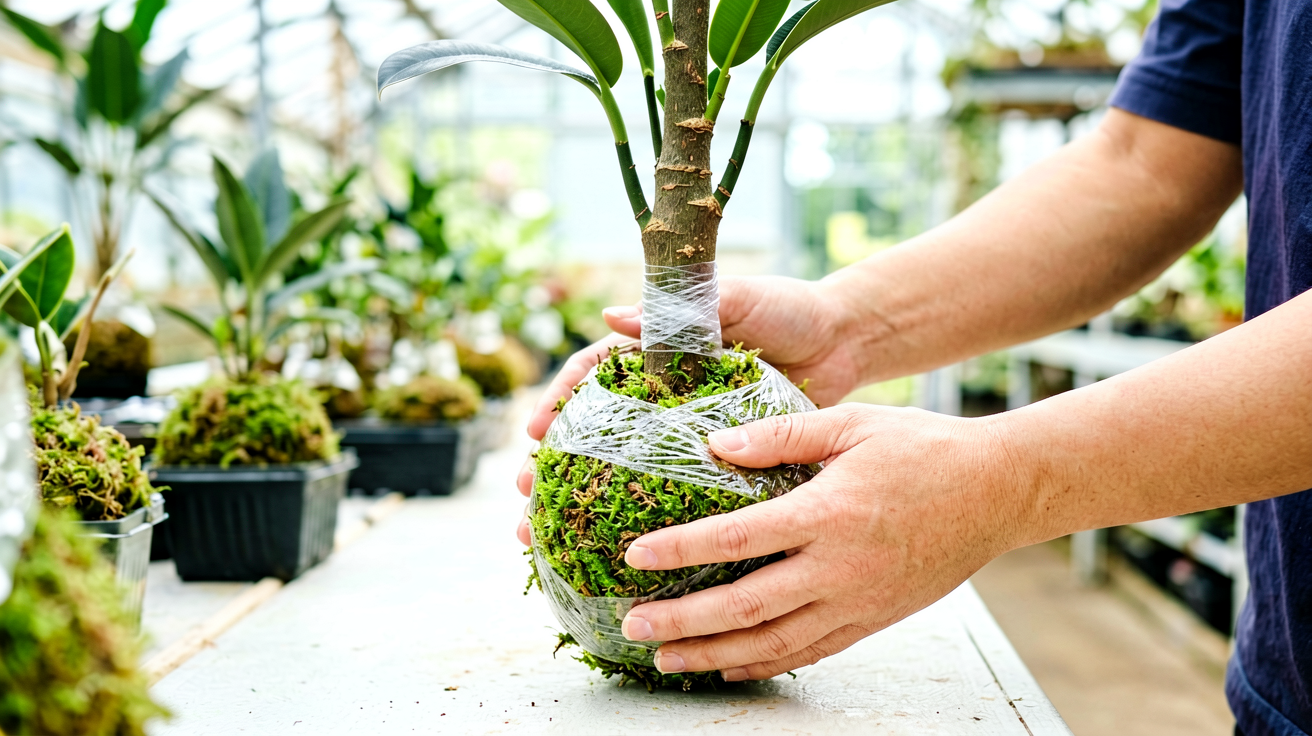

The best plants for air layering are thick woody-stemmed houseplants that refuse to root in water, and the shortlist starts with rubber plant, fiddle leaf fig, dracaena, and schefflera. These species push adventitious roots from a girdled cambium inside a damp sphagnum moss ball while the branch still draws water and sugar from the mother plant. Expect white roots in 8 to 12 weeks for fast species and 12 to 16 weeks for slow woody ornamentals like magnolia and camellia.
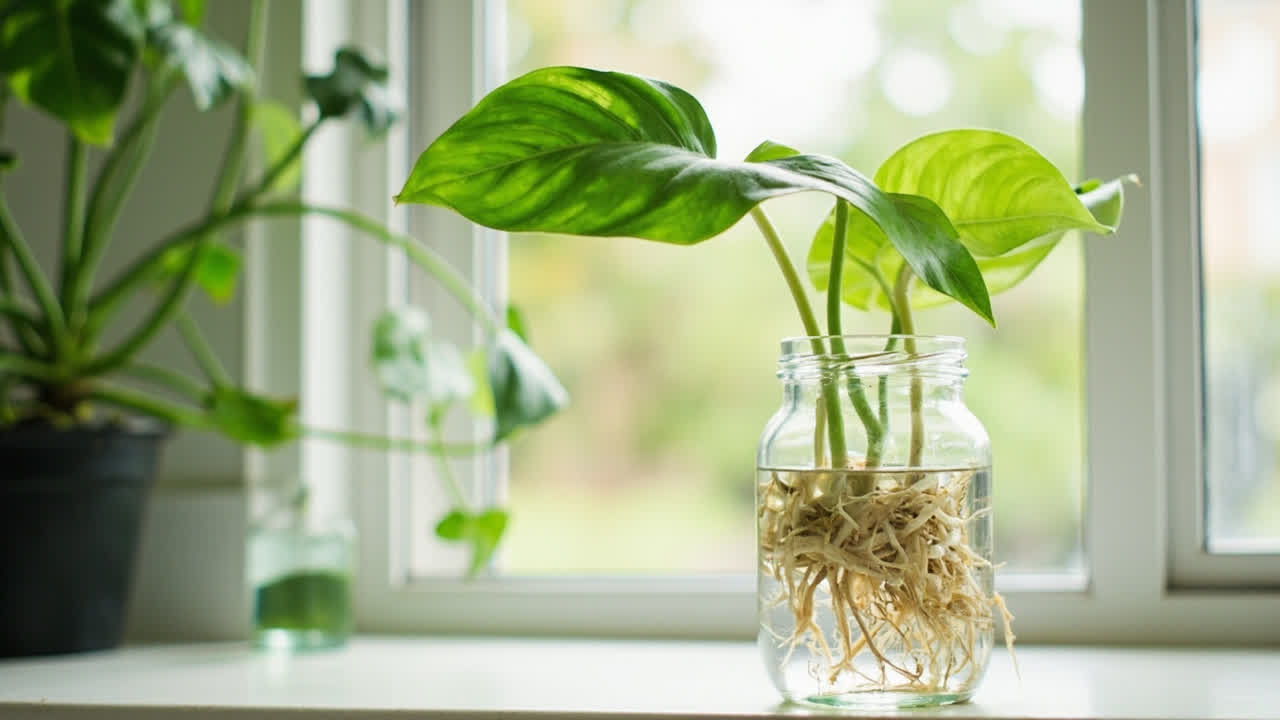
If your last water jar turned a rubber plant cutting to mush, the stem anatomy was the problem, not your patience. Soft green stems of pothos and philodendron root from a clean node in plain water in 2 to 4 weeks, but thick woody stems rot before callus tissue can form. Air layering solves exactly that mismatch by keeping the branch alive on the parent plant while the wound calluses inside the moss ball. This page ranks twelve houseplants by air layering success, names the branch to pick, and gives the week window so you wrap once and cut a rooted clone.
The short answer: which plants to air layer first
Start with rubber plant (Ficus elastica), fiddle leaf fig (Ficus lyrata), dracaena, schefflera, and dieffenbachia if you want the highest success rate on a first attempt. These woody-stemmed and semi-woody species callus fast, push white roots through sphagnum moss in 8 to 10 weeks during active growth, and forgive small wrap mistakes. Money tree (Pachira aquatica) joins the same tier when the branch is pencil thick and the mother plant pushes new leaves.
Move to magnolia, camellia, azalea, and holly (Ilex) only after one indoor success, because outdoor woody ornamentals root well but need 12 to 16 weeks and a strict spring wrap window. The cambium on these species stays dormant through fall and winter, so a layer wrapped in late season stalls no matter how perfect the moss ball feels. Pick active growth, pick a branch with visible new leaf push, and the slow tier becomes reliable instead of frustrating.
The full air layering procedure walks the wrap step by step, so this page stays on the ranking decision. If you already wrapped and nothing shows at week 12, read the week 12 troubleshooting guide before you cut anything. If you still wonder whether the jar would have worked, the air layering versus water propagation comparison settles the stem type question in under a minute.
Why woody stems win at air layering
Air layering works because the girdle interrupts the phloem while the xylem keeps feeding the branch, and woody stems have both tissues in a thick ring the cambium can rebuild from. The cambium sits between bark and wood and produces callus, then adventitious roots, when it stays moist, warm, and fed by current photosynthesis. A thick woody stem holds a wide cambium ring, stores enough energy to push roots for weeks, and keeps the moss ball stable on a stiff branch that does not flop inside the plastic wrap.
Soft thin stems fail the same test for structural reasons, not gardener error. A thin green stem has a narrow cambium, little stored energy, and a soft surface that rots inside constant moisture before callusing finishes. That is why pothos, philodendron, and most hoya belong in water or perlite, where a clean node roots fast with full air exchange. Vegetative propagation is not one method for all stems, and matching stem anatomy to method is the decision that saves the cutting. Propagate soft stems in the jar and clone woody stems on the parent plant.
Semi-woody species sit between the two groups and reward judgment. Dracaena, schefflera, dieffenbachia, and money tree have firm stems with visible bark at the base and softer growth at the tips, and they root well when you girdle the firm section, not the soft tip. Choose a branch as thick as a pencil, girdle through bark into pale cambium on all sides, and pack a firm moss ball that holds shape. The cambium on semi-woody stems calluses in 3 to 4 weeks and shows white roots by week 8 when the mother plant grows in bright indirect light.
Turn PDF Bank Statements Into Workable Spreadsheets
Your bank statement is a mess of numbers, but your books shouldn't be. Use our converter to get Excel, CSV, or QBO files — ready for QuickBooks.
Try It Free NowTier one: the six most reliable indoor species
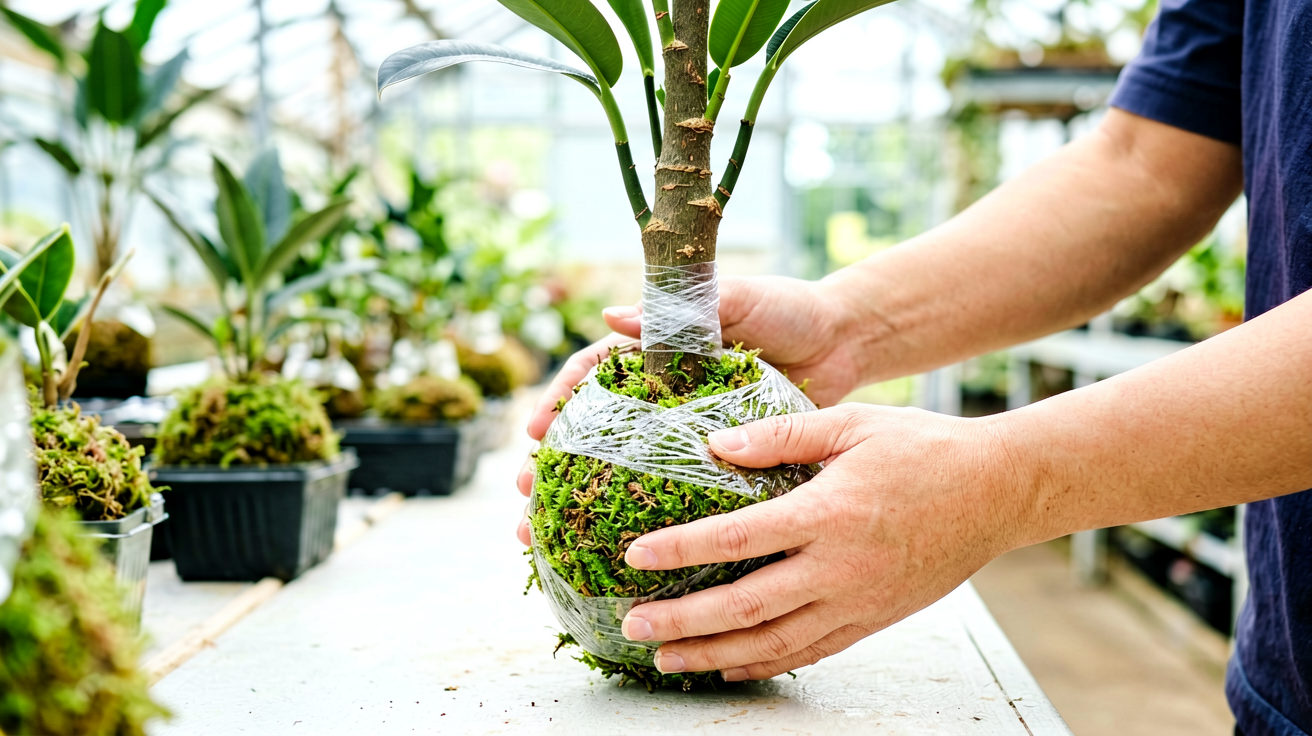
Rubber plant (Ficus elastica) tops the ranking because it calluses aggressively, tolerates a slightly dry moss ball, and shows white roots by week 8 in spring and summer. Pick a straight stem as thick as a marker, girdle 30 to 45 cm below the tip, dust the wound lightly with rooting hormone with IBA at 0.1 to 0.3 percent, also called indole-3-butyric acid, and wrap a grapefruit sized sphagnum moss ball sealed with plastic wrap and aluminum foil. Secure both ends with twist ties so the wrap stays airtight through the full rooting window.
Fiddle leaf fig (Ficus lyrata) ranks second with the same procedure and a slightly longer window of 8 to 12 weeks, because its cambium runs slower but steadier once active. Choose a branch with new leaf push at the tip, avoid branches that dropped leaves last winter, and keep the mother plant in bright indirect light for the whole window. Dracaena ranks third since its straight cane takes a clean girdle and roots evenly around the ring, and schefflera ranks fourth with fast callusing on multi stem clusters where you can layer one branch while the rest of the parent plant keeps growing.
Dieffenbachia and money tree (Pachira aquatica) close tier one for beginners who want visible progress early. Dieffenbachia pushes callus in 2 to 3 weeks and white roots by week 6 to 8 when wrapped in spring, and the thick cane forgives a shallow first girdle better than ficus bark. Money tree roots reliably from pencil thick branches during active growing months, and the braided trunk types respond well when you layer a single straight shoot above the braid. For all six, use a sharp knife or sterilized pruners, cut through bark into cambium, and confirm the bark ring lifts away cleanly with no bark bridges left to carry sugar past the wound.
Tier two: magnolia, camellia, azalea and holly outdoors
Magnolia, camellia, azalea, and holly (Ilex) air layer beautifully and belong in tier two only because they demand an outdoor spring calendar and a longer wait. Wrap in late spring to early summer when the parent plant pushes new shoots, expect callusing by week 6 and white roots between week 12 and week 16, and leave the moss ball sealed until the root mass fills the wrap. A moss ball opened at week 8 on these species shows promising callus with no roots yet, which tempts beginners to call it a failed air layer months too early.
Branch choice matters more outdoors than indoors because wind and sun stress the moss ball. Pick a branch as thick as a thumb on magnolia and camellia, pencil thick on azalea and holly, girdle on the shaded side where the bark stays cooler, and add aluminum foil over the plastic wrap to block sun and slow evaporation. Soak the sphagnum for 10 minutes, squeeze to damp but not dripping, and pack the moss ball tight enough that it does not slide down the branch in wind. Check at week 4 and week 8 by gently squeezing the wrap, and mist only if the moss feels light and dry through the plastic.
Dormant season wrapping is the main reason outdoor layers stall, and the symptom pattern matches dormant cambium exactly: pale smooth callus, moist moss, firm pale cambium, no white roots, no rotting moss smell. If you wrapped in fall and stalled, wait for spring growth, refresh the girdle with a light scrape, repack fresh damp sphagnum moss, and rewrap airtight. The same branch often roots 8 to 10 weeks after the spring refresh because the cambium was paused, not dead. After the cut, pot up into a well-draining mix with peat, perlite, and orchid bark, water into drainage holes, and hold the new clone in high humidity under a plastic bag tent for 2 weeks of recovery and aftercare.
Plants to skip: soft stems that root faster without air layering
Skip air layering for pothos, philodendron, heart leaf vine, spider plant, and most hoya, because these soft-stemmed tropicals root faster from a node cutting in water or perlite and gain nothing from an 8 week moss ball. A pothos node pushes roots in 2 weeks in a jar, a hoya cutting roots in 3 to 4 weeks in damp perlite with high humidity, and wrapping either in plastic and moss only adds rot risk without adding success. The method comparison shows the full split, and the rule stays simple: thin and green goes in the jar, thick or woody goes in the moss.
Succulents and cacti also skip air layering, since their water storing stems rot in constant moisture and root better from a dry callused cutting in gritty mix. Jade plant, echeveria, and haworthia want a clean cut, 3 days of wound healing on the bench, then a shallow seat in dry perlite. Herbs like basil, mint, and coleus root in water in days and never need girdling, and strawberry runners root while attached through a completely different mechanism that needs soil contact, not a moss ball. Save the girdling knife for the woody stems that truly need it.
The species specific rubber plant propagation guide covers stem cuttings alongside air layering when you want both options on one plant, and the hoya propagation guide shows the node method that beats air layering for soft vines. If you already wrapped a soft stem and the moss smells sour with partial roots dying back, unwrap, cut below the rot, and restart the cutting in water instead of refreshing the moss. Rotting moss on a soft stem is a method mismatch, not a moisture tweak, and switching methods recovers faster than rewrapping.
Branch rules and timing that lift success rate
Pick branches pencil thick or larger, girdle 30 to 45 cm below a healthy tip with new leaf push, and wrap only while the mother plant grows actively from spring through late summer. Make the girdle 2 to 3 cm wide, cut through bark into pale cambium on all sides, scrape lightly to remove phloem strands, and dust with rooting hormone before packing the moss ball. Seal with cling film or plastic wrap, cover with aluminum foil, and tie both ends with twist ties so the moss stays damp for the full window without weekly opening.
Hold the mother plant in bright indirect light, keep room temperatures near 21 to 27 C, and avoid moving the plant mid window since the cambium reads stable energy as permission to push roots. Expect callus by week 3 to 4, white roots by week 8 on fast species, and a firm root ball by week 10 to 12 before you cut. Cut below the new root mass with sterilized pruners, pot up into a well-draining mix, water until flow shows at the drainage holes, and tent with a plastic bag for high humidity through the first 2 weeks. New clones that wilt on day 2 usually recover by day 7 once the root ball connects to the mix, and steady aftercare beats extra fertilizer in month one.
Three mistakes cause most failures across all twelve species, and all three are preventable before you wrap. Shallow girdling leaves phloem bridges that carry sugar past the wound so the cambium never commits, dry sphagnum desiccates the callus when the wrap leaks air, and dormant season wrapping pauses the cambium before it starts. Fix the girdle depth, seal the wrap airtight, and wait for active growth, and the same species that stalled last fall roots on schedule this spring. When a layer stalls past week 12 with no roots, run the failure checklist in the troubleshooting guide instead of guessing, because the moss ball symptom pattern names the exact fix and saves the branch.