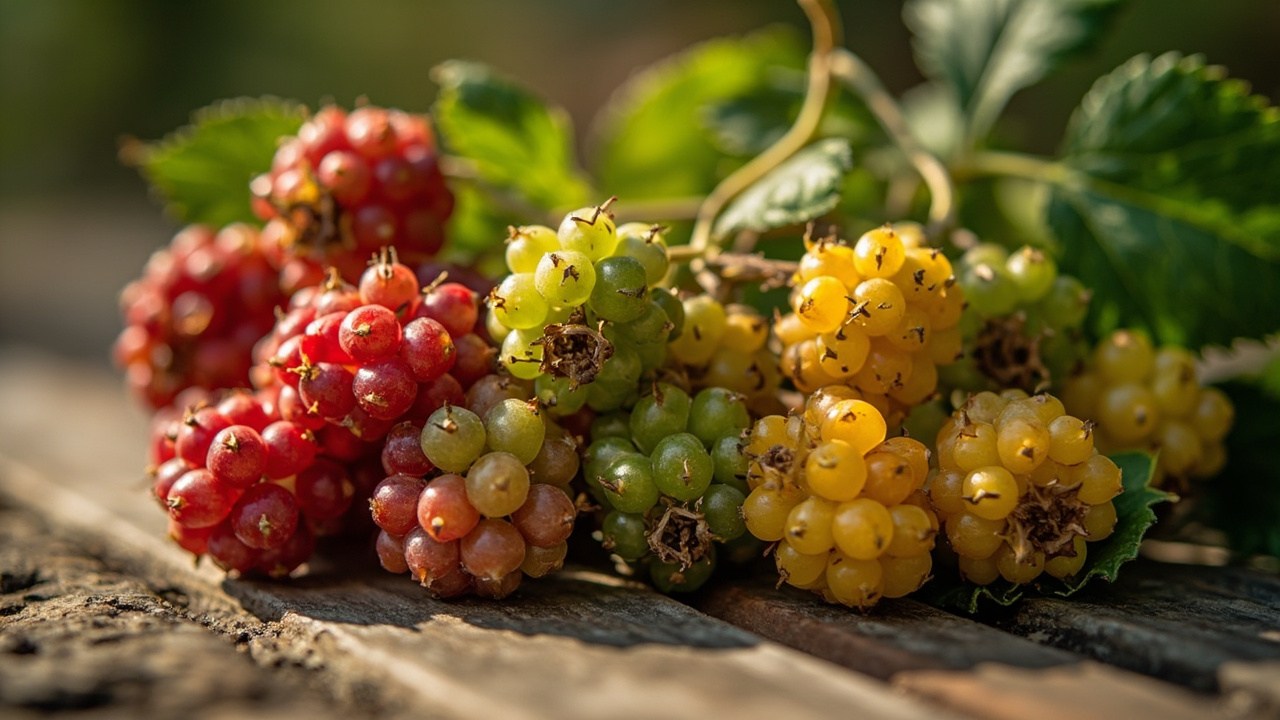

The gooseberry cultivar you choose determines whether you harvest buckets of sweet fruit or spend the summer fighting mildew. Modern catalogs list dozens of varieties, but six cultivars account for nearly all successful home plantings. This guide compares them by flavor, climate fit, maintenance demand, and harvest timing.
Gooseberries split into two species with fundamentally different growing personalities. European gooseberries (Ribes uva-crispum) produce larger, sweeter fruit with complex flavor. American gooseberries (Ribes hirtellum) are smaller, tarter, and far tougher — better disease resistance, lower chill requirements, and more tolerance for humid summers.
This guide covers the four best European cultivars for flavor, the three best American cultivars for ease of growing, and a buying checklist. For the full cultivation lifecycle, see the complete gooseberry plant care guide. For soil and light requirements by variety, see the light and soil requirements guide.
European vs American gooseberries: the fundamental choice
European gooseberries produce fruit that is 2-3 times larger than American varieties, with a sweetness that ranges from tart green-apple to honeyed grape depending on ripeness. The trade-off is maintenance: Europeans need 800-1200 chill hours, are highly susceptible to American gooseberry mildew, and demand the open goblet pruning that keeps their dense growth aerated.
American gooseberries are smaller and tarter but compensate with resilience. They tolerate humidity that would mildew a European bush in weeks, fruit reliably with 600-1000 chill hours, and resist most fungal diseases that plague Ribes growing. For gardeners in zones 6-7 or anyone wanting a lower-maintenance bush, American cultivars are the smarter starting point.
Modern breeding has produced hybrids that combine European flavor with American toughness. Invicta is the best example — it carries enough American genetics for genuine mildew resistance while producing full-sized European fruit.
These hybrids are the best choice for gardeners who want flavor without the spray schedule. They fruit on the same 2-3 year old cane as pure Europeans but with far less mildew pressure.
The quick decision rule: gardeners in zones 3-5 with cold winters should plant European or hybrid cultivars for maximum flavor. Gardeners in zones 6-7 should plant American cultivars for reliability. Everyone else chooses based on whether they prioritize flavor (European) or ease (American).
Top European cultivars for flavor
Invicta is the best European all-rounder and the cultivar most experts recommend for first-time growers. It produces heavy crops of medium-large pale green fruit with balanced sweet-tart flavor.
Its genuine mildew resistance — rare in European genetics — removes the single biggest headache of Ribes growing. Expect 1000 chill hours and moderate thorn density. The open center growth habit responds well to annual pruning.
Careless is the UK standard cooking gooseberry. It produces large green fruit with the sharp, classic flavor that has defined British preserves for generations. It is a reliable heavy cropper but has poor mildew resistance, so the goblet shape pruning and good air circulation are essential. Requires 900 chill hours and heavy thorn protection during harvest.
Leveller is the best European cultivar for fresh eating. The fruit is very large, yellow-green, and the sweetest of any European variety when fully ripe. The trade-off is that Leveller needs fertile, well-drained compost-rich soil and full sun to develop its flavor. In poor soil or partial shade, the fruit stays tart and small. Requires 1000 chill hours.
Hinnonmaki Red is a Finnish-bred cultivar selected for extreme cold hardiness. It produces medium-sized deep red fruit with a tart-sweet flavor for both fresh eating and cooking. At 1100 chill hours it is the best choice for zones 3-4 where few other fruit bushes survive winter. The red canes add ornamental value to the dormant season garden.
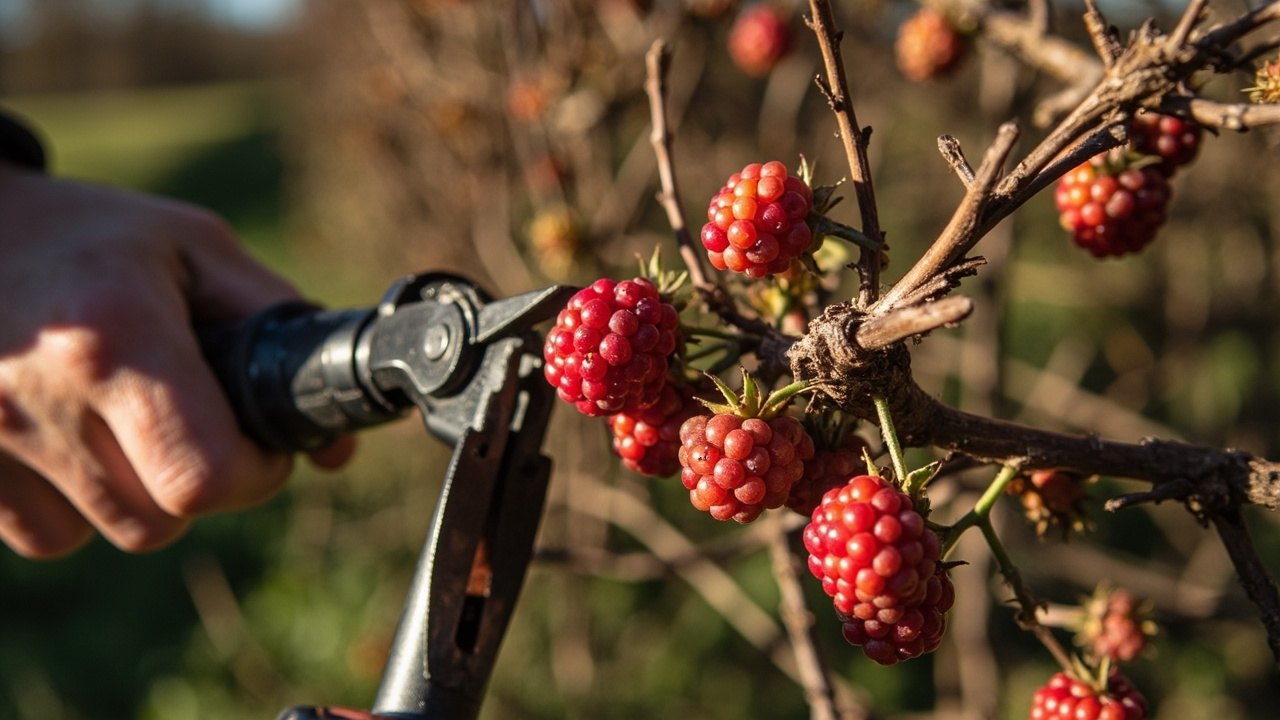
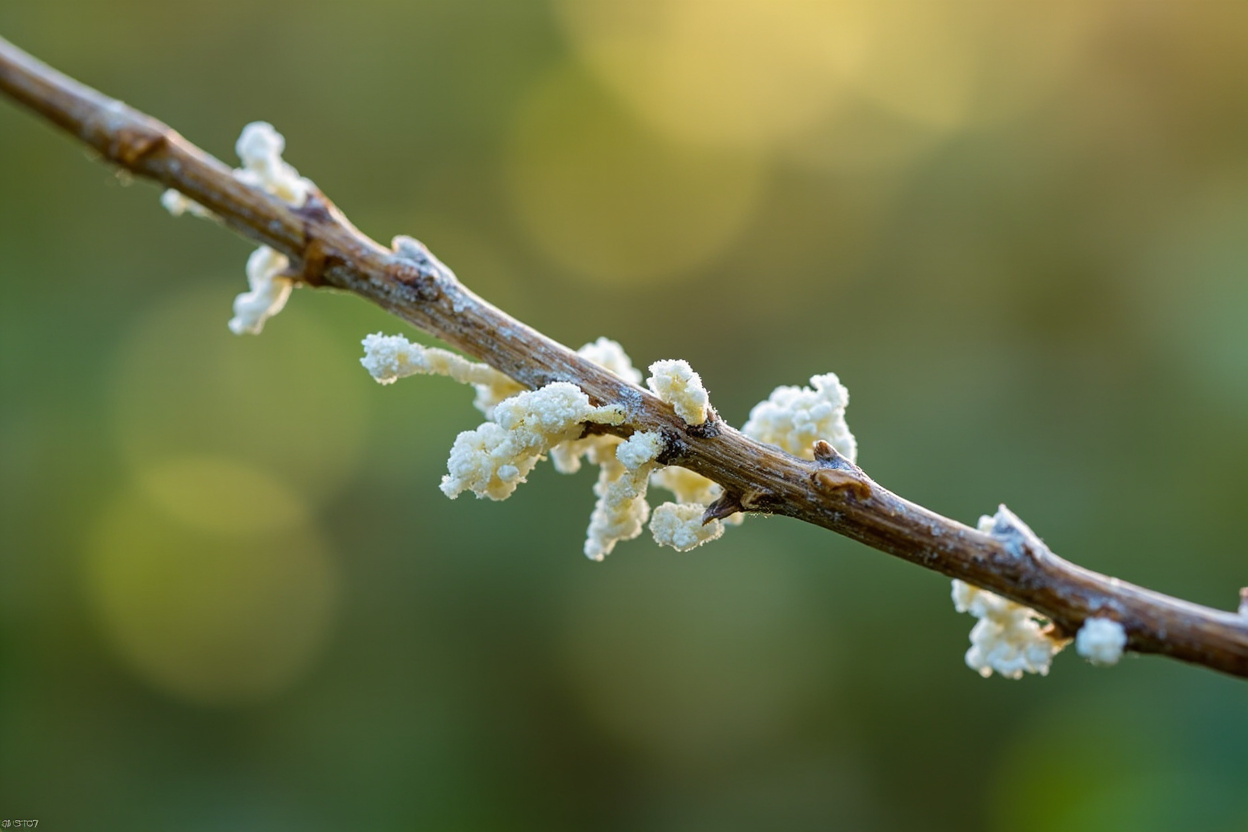
All European cultivars except Invicta need active mildew monitoring from June through August. Check leaf undersides weekly, maintain the open goblet shape, and remove any shoots showing white powdery coating immediately.
In humid climates, this is a weekly 10-minute task that prevents a mid-summer epidemic of powdery mildew and gooseberry mildew. Look also for leaf spot — brown patches with tiny black fruiting bodies that weaken the cane.
Top American cultivars for toughness
Captivator is the standout American cultivar for gardeners who prioritize ease of growing. It is nearly thornless — a genuine advantage when harvesting — and produces pink-red fruit with a mild, sweet flavor.
At 800 chill hours it fruits reliably in zone 6 where Europeans struggle. Good mildew resistance completes the low-maintenance package. Bird netting is still recommended as the fruit ripens.
Pixwell is the hardy workhorse of American gooseberry growing. It produces medium-sized green fruit that ripens to pink, with a tart flavor best suited to cooking and preserves.
At only 600 chill hours it fruits in warmer zones than any European variety. Its very good disease resistance means it thrives with minimal intervention. The compact habit suits smaller home garden spaces and large containers.
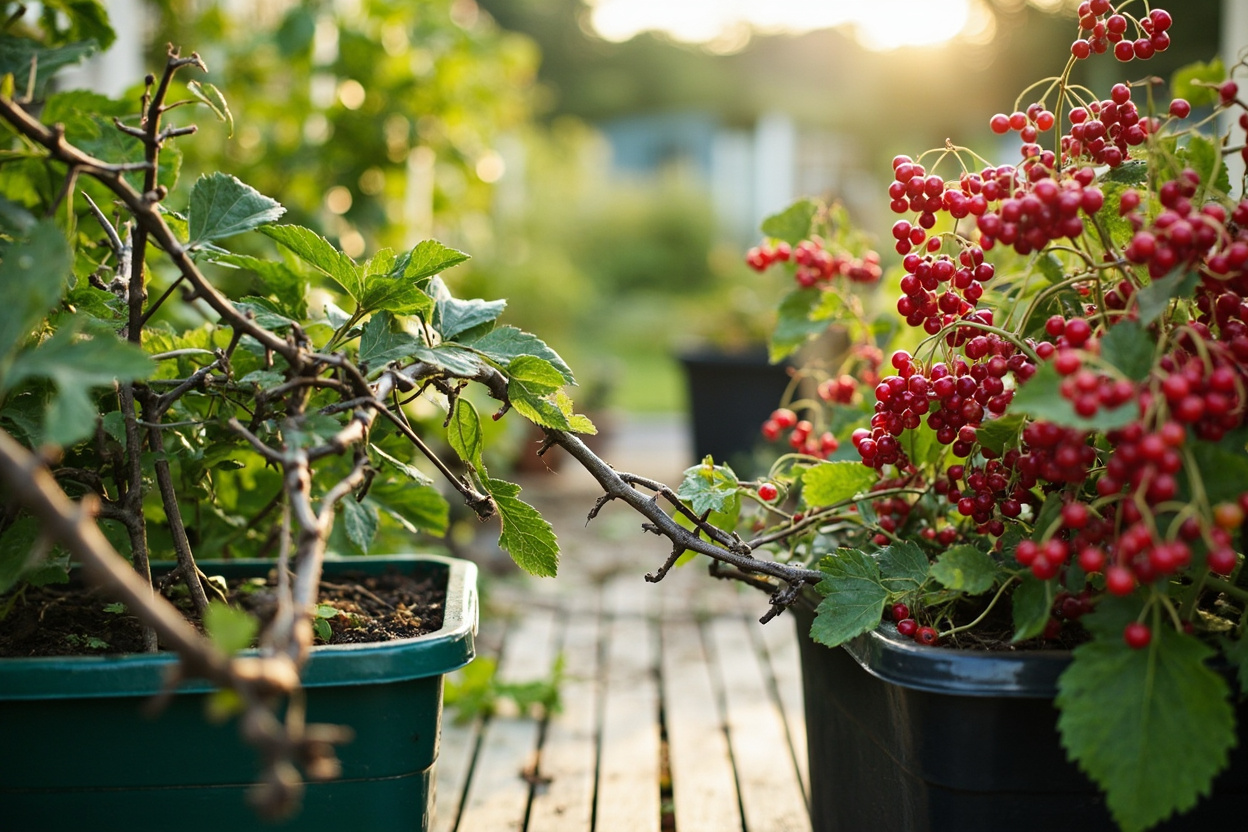
Jubilee offers the best flavor of the American cultivars — sweet red fruit that approaches European complexity when fully ripe. Its compact growth habit makes it the best choice for container growing on patios and balconies. At 700 chill hours it bridges the gap between American toughness and European flavor expectations.
The American advantage is real: these three cultivars thrive in conditions that would mildew a European bush within weeks. Their deciduous canes go fully dormant in winter, surviving temperatures that kill less hardy fruit crops.
The spur systems produce reliably even in summers when disease pressure is high. Watch for aphid colonies on new growth in spring and sawfly eggs on leaf undersides in May.
If you garden in zone 6-7, have limited time for maintenance, or are growing fruit bushes for the first time, start with Captivator or Pixwell. For container growing on patios, Jubilee’s compact habit is the best fit. See the soil and light requirements guide for exact chill-hour ranges by cultivar.
Buying and planting your gooseberry bush
Bare-root gooseberry bushes are the best value: they cost 30-50% less than container plants, establish faster because the roots grow directly into native soil, and are available in the widest range of cultivars. Order from reputable nurseries in autumn for dormant-season delivery between November and March.
Inspect bare-root plants before planting. Look for 3-5 healthy canes with visible buds, no cankers or dieback on the stems, and a root system that is white and fibrous rather than brown and brittle. Reject any plant with shrivelled canes or blackened roots — these are dead on arrival.
Plant bare-root bushes within 48 hours of delivery. If the ground is frozen or waterlogged, heel them into a temporary trench and plant properly within two weeks. Do not let the roots dry out — even 30 minutes of wind exposure can kill fine root hairs that take months to regrow.
In the first year after planting, remove any flowers that appear. This redirects the bush’s energy from fruit production to root and cane establishment. A bush that fruits in its first year produces less than half the yield of one that focuses on growth first and fruits in year two.
All gooseberry cultivars are self-fertile, so a single bush produces fruit without a pollination partner. Planting two different cultivars extends the harvest window by 2-3 weeks and increases total yield through cross-pollination, but a single bush is all you need for a productive home garden crop.
After planting, apply mulch around the root zone to conserve moisture and suppress weeds. Water deeply once a week during the first growing season.
The bush will focus on establishing its root system and cane framework. The fruiting wood that carries future harvests develops in years two and three. For the complete seasonal care calendar, see the complete gooseberry plant care guide.
Seasonal care tips for new bushes
In the first autumn after planting, apply a 5cm layer of compost or well-rotted wood chip mulch around the root zone. Keep mulch 5cm clear of the cane bases to prevent crown rot. This single practice suppresses weeds, conserves moisture, and feeds soil biology through the winter.
During the first dormant season, you can begin shaping the bush. Remove any damaged or crossing canes at ground level. Do not do heavy pruning in year one — the bush needs every cane to build its root system.
Light formative pruning is enough to establish the open center goblet shape. This early investment in structure pays off with heavier harvests in years three through ten.
In the second spring, the bush will produce its first significant flush of new growth. Apply a balanced nitrogen-rich fertilizer as buds break to fuel cane development. Remove any flowers that appear — the bush is still building framework and fruiting too early reduces long-term yield.
By year three, the bush enters full production. Fruiting wood on 2-3 year old cane carries the harvest. Apply potassium-rich feed after picking to harden off new growth for winter.
Watch for biennial bearing — heavy crops alternating with light ones — and thin fruit in heavy years to even out production. Choose the right cultivar and the bush will fruit for twenty years.
Turn That PDF Into a Spreadsheet in Minutes
You've seen how to do it manually — now let the tool handle the heavy lifting. Upload your bank statement and get Excel, CSV, or QBO in a few clicks.
Try It Free