
A gooseberry bush will survive in partial shade and average garden soil, but it will only produce heavy crops of sweet fruit when you match its four non-negotiable requirements: morning sun, slightly acidic soil, sharp drainage, and a deep organic mulch. Get these right and the bush rewards you with 3-5kg of fruit per season for 15-20 years.
Most fruit plants demand full sun, and gardeners carry that assumption into gooseberry growing. The reality is more nuanced. Gooseberries evolved as understory plants at woodland edges, and they perform best with direct morning light and protection from intense afternoon heat. Full sun in zone 7 produces smaller, scorched fruit; half-day sun produces larger, sweeter berries.
This article covers the exact light, pH, drainage, and soil composition requirements for gooseberries — both in the ground and in containers. For the full cultivation lifecycle including pruning and harvesting, see the complete gooseberry plant care guide. For variety selection by chill hours and climate, see the gooseberry varieties guide.
How much sun does a gooseberry bush need
Gooseberries need a minimum of half a day of direct sun — roughly 6 hours — to fruit reliably. Below that threshold, the bush survives but produces progressively fewer and less sweet berries. The yield difference between 4 hours and 8 hours of sun can be 40-50% on the same cultivar in the same soil.
Morning sun with afternoon shade outperforms full-day exposure in USDA zones 6 and 7. The mechanism is heat stress: when afternoon temperatures exceed 30°C (86°F), pollen viability drops and fruit set declines sharply. A bush that receives direct sun from sunrise to 1pm and dappled shade thereafter will produce larger, better-colored fruit than one in all-day sun.
In cooler zones 3-5, full sun is not only acceptable but beneficial. Heat stress is rare, and maximum light exposure drives the photosynthesis that builds next year’s fruiting wood. Northern gardeners should plant gooseberries in the brightest available site without worrying about afternoon shade.
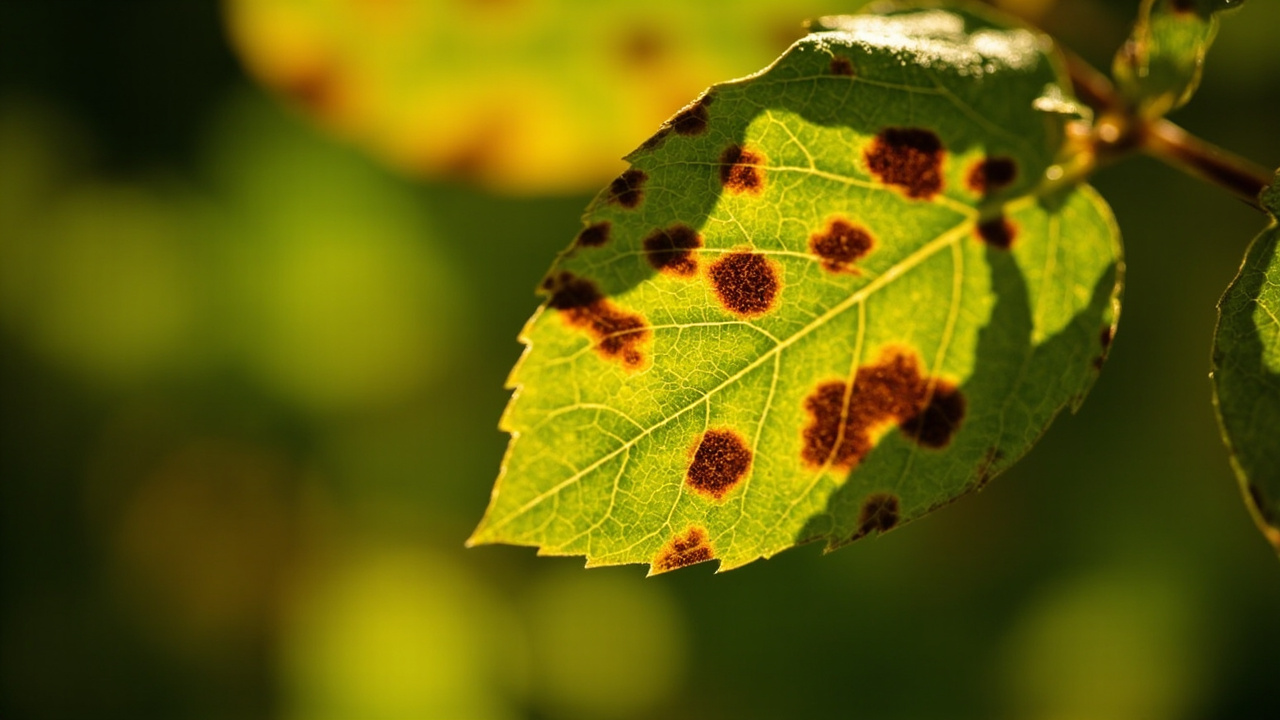
Sunscald is the visible cost of too much afternoon heat. It shows as pale, papery patches on exposed fruit and leaves, followed by berry drop. European Ribes cultivars with their thinner leaf cuticle are more susceptible than American varieties.
If sunscald appears in your first season, plan to add afternoon shade the following year. Severe cases invite leaf spot and cane blight into the damaged tissue.
The ideal site exposure is east-facing: full morning sun, natural afternoon shade from a wall, fence, or taller plant. South-facing sites work in zones 3-5; west-facing sites are the worst choice in any zone because they capture the hottest afternoon sun.
Soil pH and composition for gooseberries
The target soil pH for gooseberries is 6.0 to 6.5 — slightly acidic. This range makes iron, manganese, and phosphorus fully available to the root zone. Test your soil before planting using a home pH kit or a lab sample from your local extension service.
Alkaline soil above pH 7.0 causes iron chlorosis within the first growing season. The symptom is unmistakable: new leaves emerge yellow with green veins while older leaves stay dark green. The bush gradually weakens, cane growth slows, and fruit production drops by 30-50% within two years.
Below pH 5.5, manganese becomes overly available and reaches toxic levels. Above 7.0, iron locks out even when present in the soil. Both extremes reduce yield and bush vigor. The 6.0-6.5 window is narrow but achievable with standard amendments. Proper pH also suppresses powdery mildew and gooseberry mildew, both of which thrive in stressed plants.
To lower pH in alkaline soil, apply elemental sulfur at the rate recommended for your soil type — typically 100-200g per square metre for loam. Sulfur takes 4-6 weeks to react, so apply it well before planting. For a faster but less durable fix, incorporate peat moss or acidic compost into the planting hole.
Ideal soil composition is loam with 5-10% organic matter by volume. Loam provides the mineral base and moisture retention; organic matter feeds soil biology, improves soil structure, and buffers pH swings. Heavy clay and pure sand both fail for different reasons — clay holds too much water, sand drains too fast and holds too little nutrition.
Drainage requirements and solving heavy soil problems
Gooseberry roots rot in waterlogged soil within 48 hours of saturation. Sharp drainage is not a preference — it is a survival requirement. If your site holds standing water after rain, you must address drainage before planting or the bush will decline and die within two seasons.
Test drainage with a percolation test: dig a 30cm hole, fill it with water, and time how long it takes to drain. If the water disappears within 4 hours, drainage is adequate. If it stands overnight, you need to intervene before planting.
Raised beds are the most reliable solution for heavy or poorly drained soil. Build them at least 30cm above the surrounding grade using imported loam mixed with compost. The elevated root zone stays above the water table, and the imported soil gives you full control over pH and composition from day one.
For moderately heavy soil, incorporate 10 litres of compost per square metre to a depth of 30cm. This improves soil structure by creating pore spaces that hold air between water-holding particles. Repeat annually for three seasons — one application is not enough to permanently change clay soil structure. See how raspberry soil preparation follows a similar approach for heavy ground.
For sites with a high water table, install a French drain or gravel trench to redirect water away from the root zone. This is the most labor-intensive solution but the only permanent fix where the water table sits within 40cm of the surface.
Container growing is often the more practical alternative for heavy clay or waterlogged sites where the mature bush would otherwise struggle.
The best soil mix for container-grown gooseberries
Container growing is the right choice for heavy clay sites, small gardens, and gardeners who want full control over soil chemistry. The minimum pot size is 45-60 litres with drainage holes in the bottom. Smaller pots dry out too quickly in summer and restrict root development, which directly limits fruit production.
The ideal container mix is 50% loam-based compost, 30% well-rotted garden compost, 15% horticultural grit, and 5% perlite. The loam provides mineral content and moisture retention, the garden compost feeds soil biology, the grit ensures drainage, and the perlite keeps the mix aerated as it compacts over the season. For comparison, blueberry container mixes use more peat for additional acidity.
Do not put a layer of gravel at the bottom of the pot. This common myth creates a perched water table that keeps the lower root zone saturated. Instead, ensure drainage holes are clear and elevate the pot on pot feet for airflow underneath.
A healthy root zone in a container needs the same sharp drainage as a ground-planted spur system.
Container soil degrades faster than ground soil because frequent watering leaches nutrients and breaks down organic matter. Repot into fresh mix every 2-3 years, or top-dress with 5cm of compost and add a slow-release fertilizer each spring. Container bushes produce 40-60% less fruit than ground-planted ones, but the trade-off is precise soil control.
Place container gooseberries on pot feet for airflow and drainage underneath. In summer, move pots to a spot with morning sun and afternoon shade — containers heat up faster than ground soil, and root-zone temperatures above 25°C stress the bush and reduce fruit set.
Mulching and feeding the root zone
Apply 8-10cm of organic mulch in spring after the soil has warmed. Mulching too early in cold spring soil keeps the ground cold and delays bud break by 1-2 weeks. Wait until consistent daytime temperatures reach 10°C before spreading mulch.
The best mulches for gooseberries are well-rotted wood chip, straw, shredded leaves, or composted bark. All four break down slowly, feed soil biology, and maintain even moisture in the root zone.
Wood chip lasts the longest (12-18 months) but ties up a small amount of surface nitrogen as it decomposes. Avoid placing mulch against the thorny cane bases — the thorns make it hard to maintain the 5cm gap that prevents crown rot.
Keep mulch 5cm clear of the cane bases. Piling mulch against the crown creates a humid zone that invites fungal rot. A visible gap around each cane base is the simplest disease-prevention habit in gooseberry growing.
As mulch breaks down, it feeds the root zone with slow-release organic matter. An annual autumn top-dress of 5cm of compost replaces one liquid fertilizer application while improving soil structure. This single practice does more for long-term bush health than any fertiliser schedule. Add potassium in autumn to harden off side shoot growth before the dormant season.
Avoid fresh sawdust as mulch. It decomposes rapidly and ties up soil nitrogen, starving the bush at the exact moment it needs nutrition for cane growth. If you have sawdust available, compost it for 6 months before applying it near gooseberries.
Seasonal light and soil management
Autumn is the time to test soil pH and apply sulfur if needed. The months between autumn and spring give sulfur time to react before the bush breaks dormancy. Refresh the mulch layer after removing fallen leaves — those leaves harbor mildew spores and sawfly pupae that reinfect the bush next year.
Winter is the only safe time to transplant gooseberries or amend heavy soil around an established bush. During the dormant season, the deciduous bush tolerates root disturbance without the transplant shock that kills actively growing plants.
Dig wide, not deep — most gooseberry roots sit in the top 30cm of soil. This is also the time for rejuvenation pruning and bare root planting of new bushes.
In spring, check drainage after heavy rain. If water stands around the root zone, plan a raised bed or French drain before the next season. Top-dress with compost as buds break to feed the surge of new root growth that follows bud break.
In summer, monitor for sunscald during heat waves. If afternoon temperatures exceed 32°C for more than two consecutive days, drape 30% shade cloth over the bush during the hottest hours.
Remove it when temperatures drop — the bush needs full light for fruit ripening. Check the drip line for aphid colonies and sawfly eggs while you are inspecting for heat damage. Bird netting should already be in place to protect the developing berry crop.
Turn That PDF Into a Spreadsheet in Minutes
You've seen how to do it manually — now let the tool handle the heavy lifting. Upload your bank statement and get Excel, CSV, or QBO in a few clicks.
Try It Free