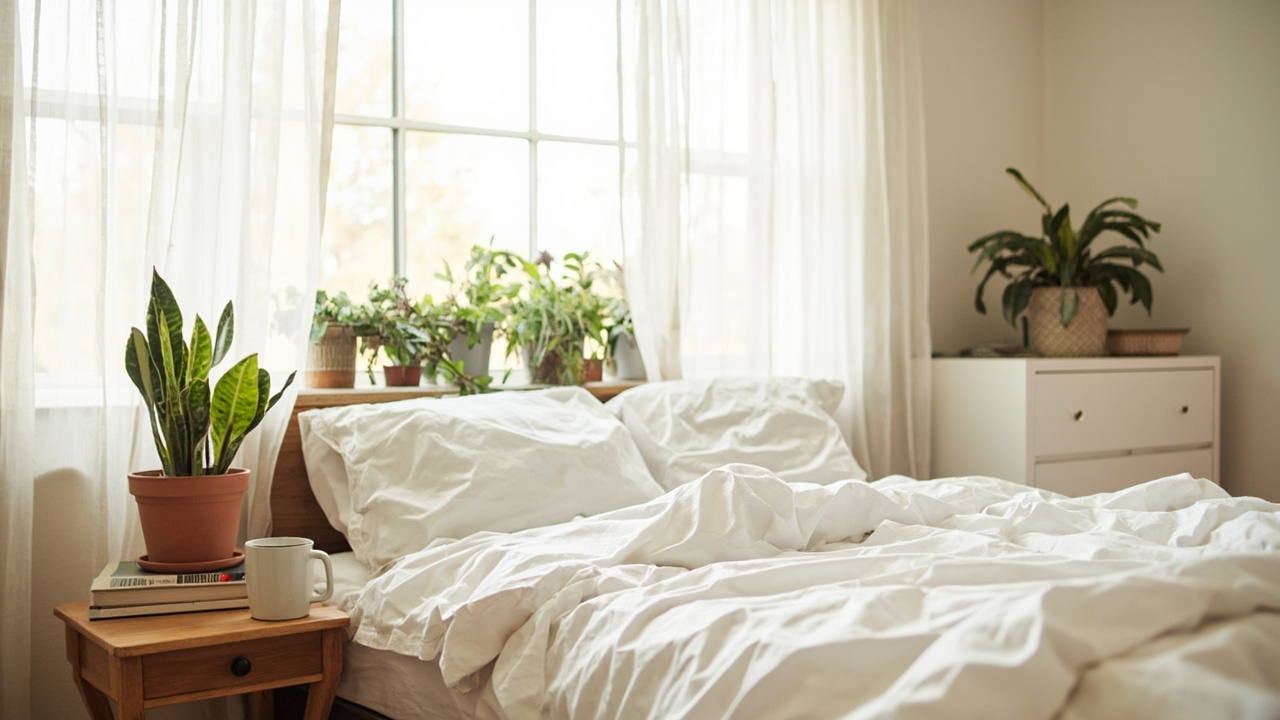
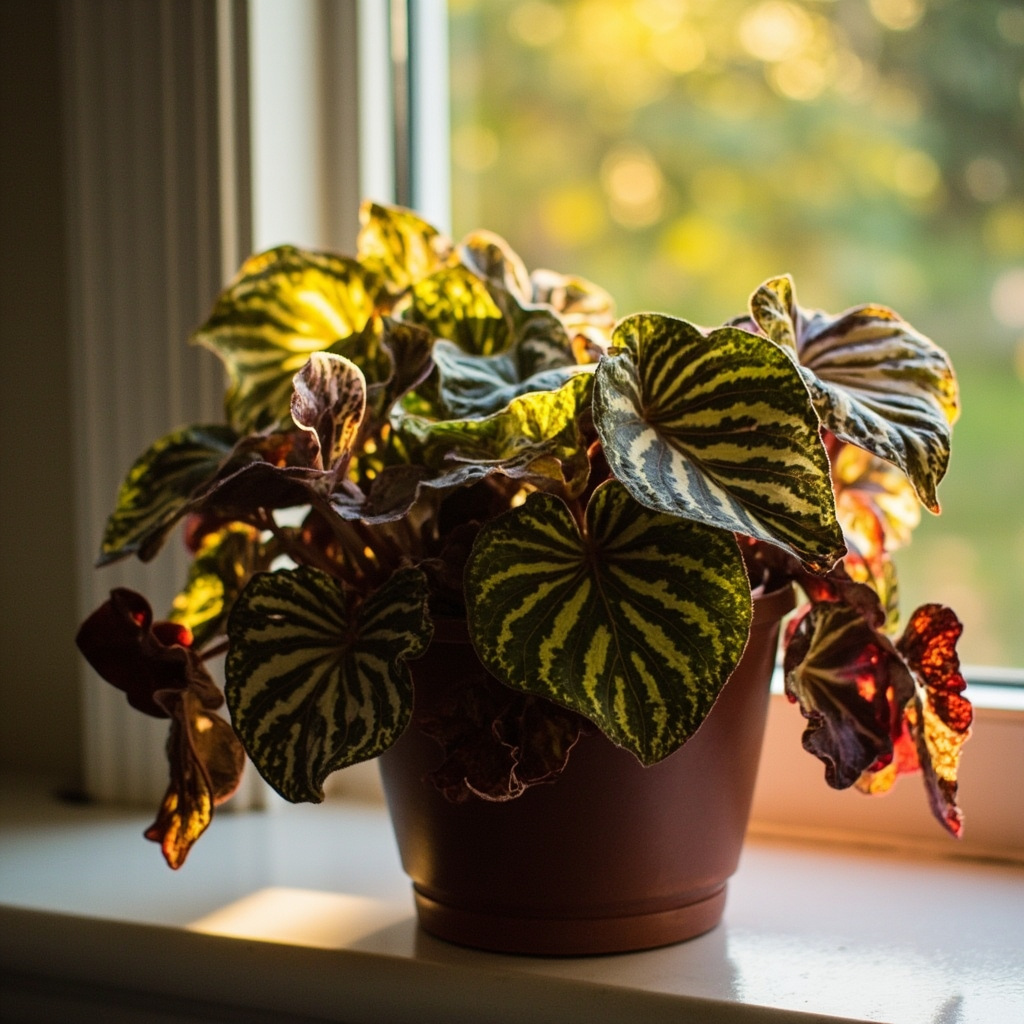
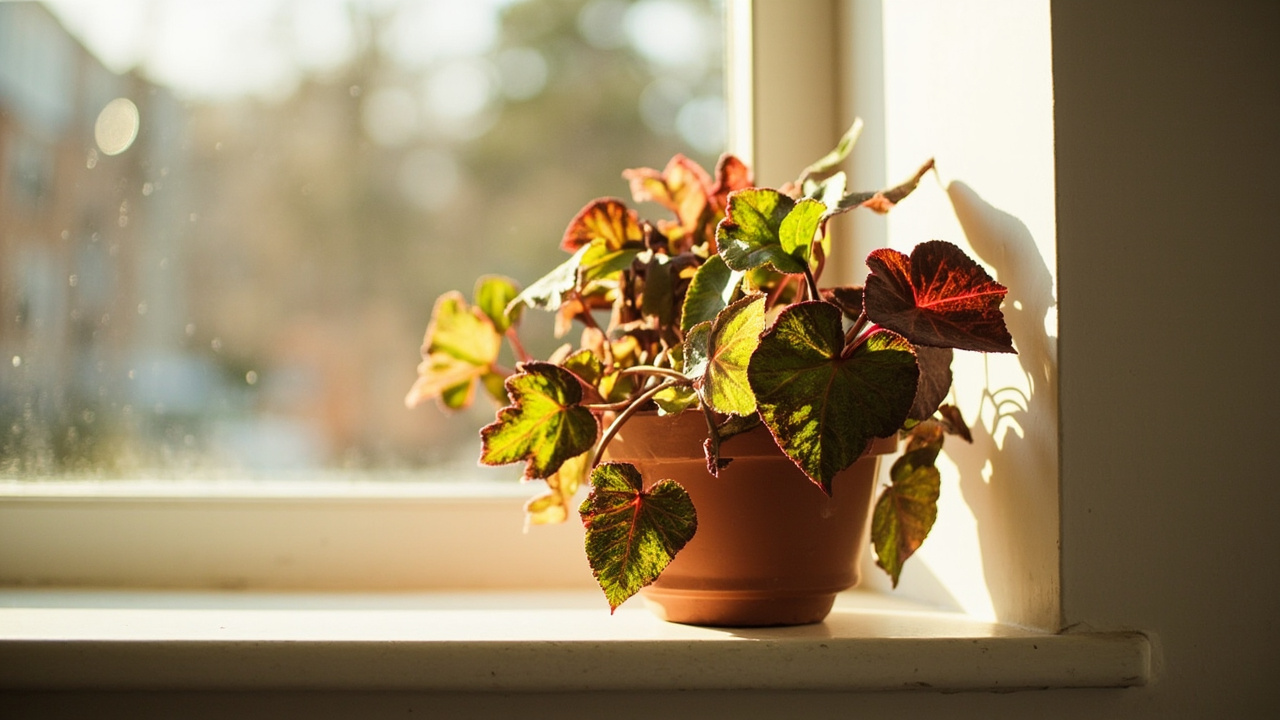
Rubber plants (Ficus elastica) and fiddle leaf figs (Ficus lyrata) are two of the most popular indoor trees you will find in homes, offices, and plant shops. They belong to the same genus, but they behave very differently once you bring them home. The rubber plant is one of the most forgiving houseplants you can grow. The fiddle leaf fig is one of the most dramatic — and one of the most demanding.
If you are trying to decide between the two, the right choice depends on your space, your experience level, and how much attention you can give a plant. This comparison covers the practical differences that should drive the decision: light, water, tolerance, size, and how each plant responds when conditions are not perfect.
Neither plant is objectively better. The rubber plant is the right choice for most beginners and for rooms with moderate light. The fiddle leaf fig is the right choice if you have a bright, stable spot and want a statement plant that rewards careful attention.
Appearance and Growth Habit
The rubber plant grows upright with a single trunk or a few main stems, topped with large, oval, glossy leaves that can reach 12 inches long. The foliage is deep green, though cultivars like ‘Burgundy’ add dark red tones and ‘Tineke’ introduces cream variegation. A mature rubber plant indoors reaches 6 to 8 feet over several years, with a compact, tree-like shape that fits into corners and beside furniture.
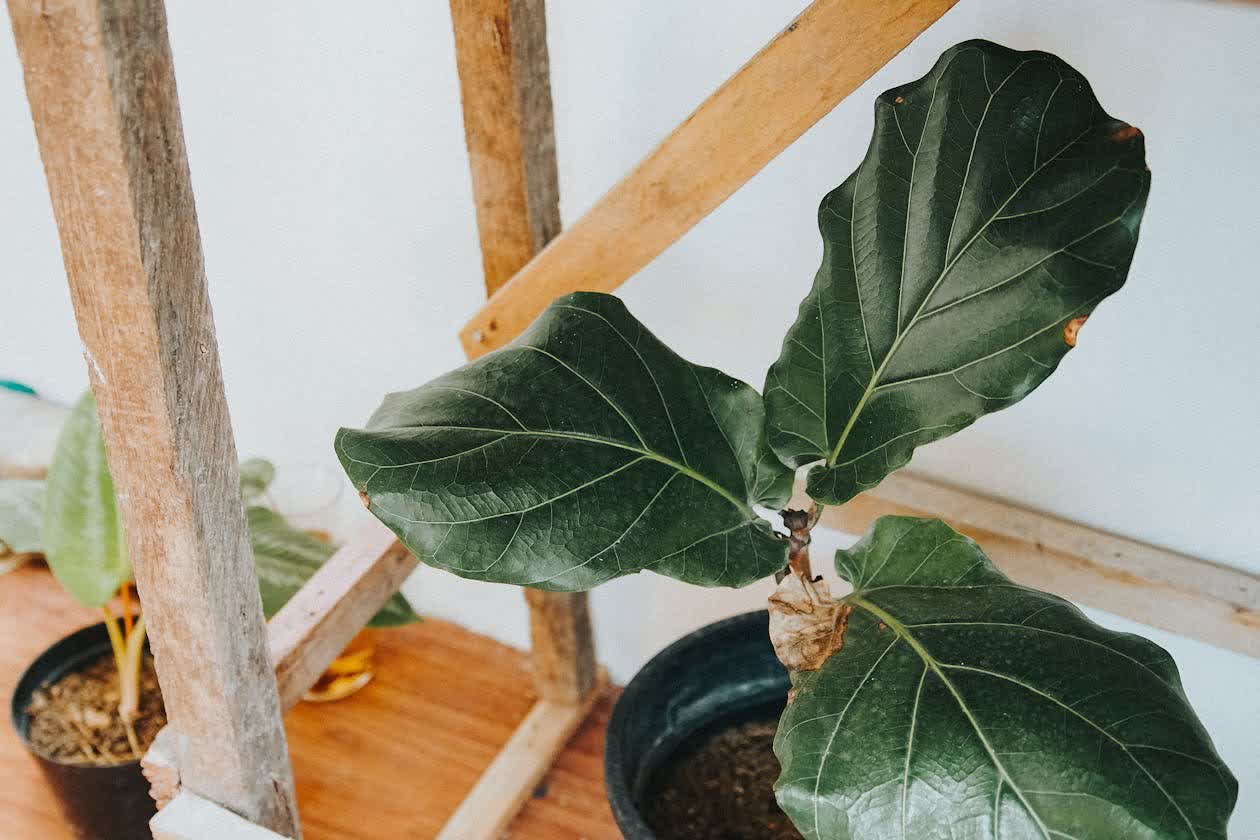
The fiddle leaf fig grows taller and more open, with a slender trunk and large, broad, fiddle-shaped leaves that can reach 18 inches long. The leaves are thinner and more textured than a rubber plant’s, with prominent veins. A healthy fiddle leaf fig can reach 10 feet indoors over time, with a more architectural, sculptural silhouette. It needs more horizontal space because the leaves spread outward.
Both plants can be pruned to control height. The rubber plant branches readily below cuts, giving you a bushier shape. The fiddle leaf fig is slower to branch and may grow as a single stem for years unless you notch or prune the trunk deliberately.
Light Requirements Compared
Both plants prefer bright consistent light, but they handle imperfect light very differently. A rubber plant tolerates moderate indirect light and will grow slowly in a room with only north-facing windows, though it will not thrive. A fiddle leaf fig in the same conditions will drop leaves within weeks and stop producing new growth.
The fiddle leaf fig needs at least 6 to 8 hours of bright indirect light daily to hold its leaves and grow well. An east-facing window is the minimum; a south-facing window with filtered light is better. Without enough light, the plant stretches, drops lower leaves, and becomes vulnerable to root rot because it is not using water fast enough.
The rubber plant handles 4 to 6 hours of indirect light without significant leaf loss. It also tolerates fluorescent office lighting better than almost any other large-leaf indoor tree. If your space has moderate light and you want a big plant, the rubber plant is the safer choice.
Watering and Soil Needs
Both plants need well-draining soil and thorough watering followed by a dry-out period. The difference is in how much margin for error you have. A rubber plant lets the top inch of soil dry out between waterings and bounces back from occasional missed waterings. A fiddle leaf fig needs more consistent moisture — the top half-inch should dry, but the lower soil should never go bone dry or stay soggy for long.
Overwatering causes root rot in both species, but the rubber plant tolerates wet soil for longer before showing symptoms. The fiddle leaf fig shows overwatering damage — brown spots on leaves, sudden leaf drop — faster and more dramatically. Underwatering causes the rubber plant’s lower leaves to yellow and drop gradually. The fiddle leaf fig’s leaves wilt, curl, and develop brown edges within days.
For soil, both do well in a standard indoor potting mix with added perlite. The key is drainage — neither plant tolerates waterlogged roots. Repot both species every 2 to 3 years in spring, moving up one pot size at a time.
Tolerance and Resilience
This is where the two plants diverge most. The rubber plant tolerates imperfect conditions that would stress a fiddle leaf fig to the point of leaf loss. It handles lower light, irregular watering, dry air, and temperature fluctuations without dramatic reactions. It is a good plant for people who travel, forget to water, or have rooms with variable conditions.
The fiddle leaf fig is sensitive to change. Move it to a new spot, shift it away from a draft, or change its watering schedule and it may drop leaves in protest. It is not a difficult plant once you understand its needs, but it requires consistency. It rewards stable conditions with steady, impressive growth. It punishes inconsistency with leaf loss that can take months to recover from.
For beginners, the rubber plant is the better starting point. For experienced plant owners who want a challenge and have a bright, stable spot, the fiddle leaf fig delivers a visual impact that few other indoor plants match.
Common Problems with Each Plant
| Issue | Rubber Plant | Fiddle Leaf Fig |
|---|---|---|
| Leaf drop | Gradual, usually from overwatering or low light. Slow to drop, easy to correct. | Sudden, often from drafts, relocation, or watering changes. Can lose many leaves at once. |
| Brown edges | Usually low humidity or salt buildup. Trim affected edges; increase humidity. | Often underwatering or low humidity. Leaves develop crispy brown patches that do not recover. |
| Brown spots | Rare; usually physical damage or sunburn. | Common; often from overwatering or bacterial leaf spot. Affected leaves do not recover; remove and adjust care. |
| Leggy growth | From insufficient light. Move to brighter spot; prune stretched stems. | From low light or lack of pruning. Stems stretch and lose lower leaves. |
| Pest issues | Occasional mealybugs or scale. Wipe leaves; treat with neem oil. | Susceptible to spider mites in dry conditions. Inspect undersides of leaves regularly. |
Which One Should You Choose?
Pick the rubber plant if:
- You are a beginner or have limited time for plant care.
- Your space has moderate indirect light rather than bright sun.
- You want a large, impressive plant that tolerates real-world conditions.
- You travel occasionally or have an irregular schedule.
Pick the fiddle leaf fig if:
- You have a bright, east- or south-facing window with consistent light.
- You can commit to a regular watering schedule and stable placement.
- You want a sculptural statement plant and are willing to learn its preferences.
- You already have experience keeping other ficus species healthy.
If you want a ficus that falls between these two in care difficulty, the weeping fig is sensitive to change but handles lower light better than a fiddle leaf fig. It is a middle ground — more graceful than a rubber plant, less demanding than a fiddle leaf fig, but less tolerant of being moved around.
From PDF to Excel in one click
Forget retyping line by line. Upload any bank statement, get a spreadsheet you can actually use. Your files are never stored, and you can test the converter with 3 free conversions.
Try it free