Water aglaonema when the top inch of soil feels dry. Push your finger into the soil up to the first knuckle — if it is dry, water thoroughly until it runs out the drainage holes. If it is still moist, wait and check again in two to three days. This simple routine prevents both overwatering (the most common killer) and underwatering (which causes wilted, drooping leaves that do not recover).
Agalonema are rhizomatous plants — they store water in thick underground stems. This makes them more drought-tolerant than most tropical houseplants, but it also means their roots are prone to rot in saturated soil. The balance is a mix that holds some moisture but drains fast, and a watering routine that lets the top layer dry between drinks.
The Finger Test: When to Water
The main care guide covers the full routine — light, soil, feeding, and temperature — that works alongside proper watering.
The finger test is the most reliable method for aglaonema. Insert your finger into the soil up to the second knuckle (about 2 inches). If the soil feels dry at that depth, water. If it feels moist or cool, wait. In a typical home environment, this means watering every 7 to 10 days in summer and every 14 to 21 days in winter.
Do not water on a fixed schedule. The actual frequency depends on pot size, soil mix, light levels, temperature, and humidity. A plant in a small pot in bright light dries out faster than one in a large pot in low light. Check the soil, do not guess.
Signs you are waiting too long: leaves droop slightly and the plant looks “tired” in the morning. This is the plant using its stored water overnight. Water thoroughly and it perks up within hours. If the plant is still wilted the morning after watering, the roots may be damaged and cannot take up water — check for root rot.
How to Water Thoroughly
When it is time to water, do it properly. Pour water slowly over the entire soil surface until it flows freely from the drainage holes. This ensures the entire root ball is moistened. A quick splash that wets only the top centimeter leaves the lower roots dry and stressed.
After watering, let the pot drain completely. Never let the plant sit in a saucer of standing water — this is the fastest route to root rot. Empty the saucer 30 minutes after watering.
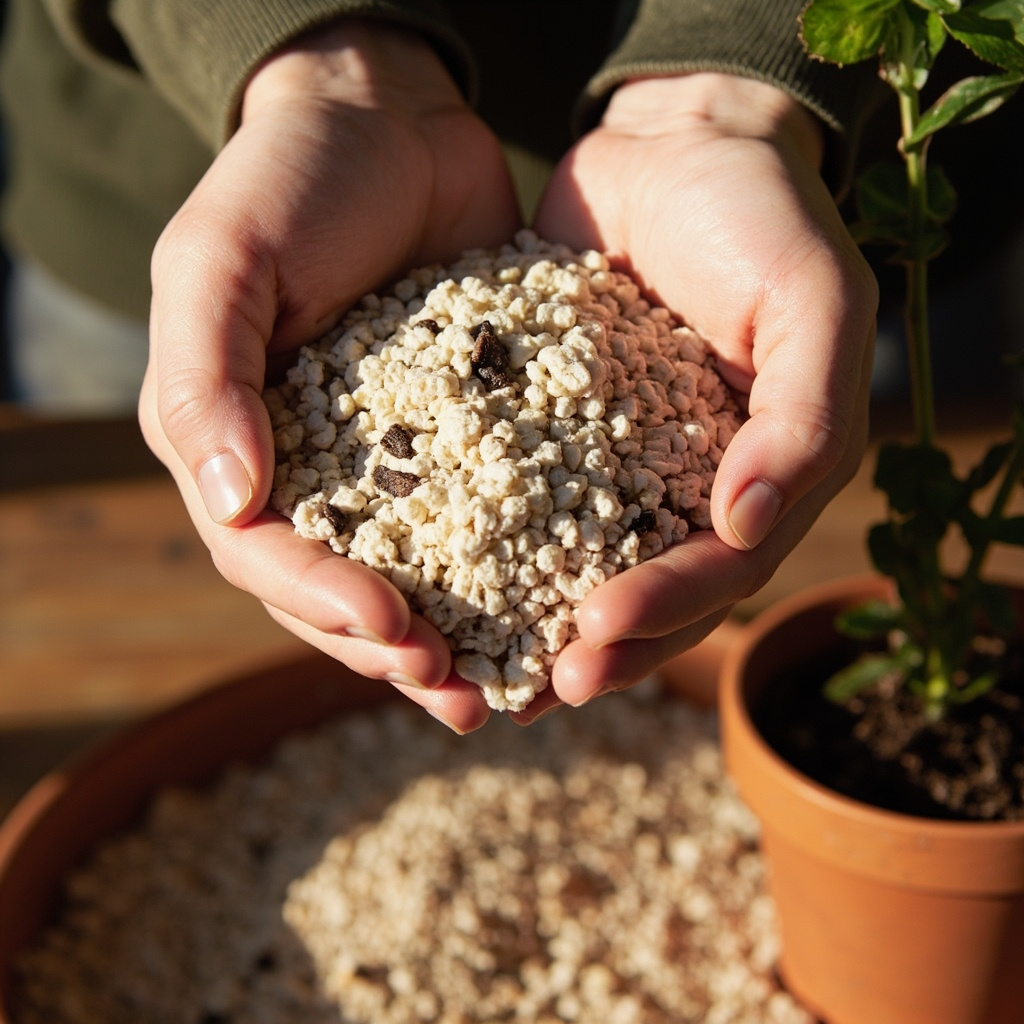
If the soil has dried out completely and water runs straight down the gap between the soil and the pot wall, the root ball may be hydrophobic. Set the pot in a basin of water and let it soak from the bottom up for 20 minutes. The soil will rehydrate and future watering will penetrate normally.
Overwatering: The Most Common Problem
Overwatering causes more aglaonema deaths than any other factor. The roots suffocate in saturated soil, begin to rot, and the plant cannot take up water or nutrients. The first visible sign is yellowing lower leaves that drop within days. By the time you see the symptom, the root damage is already advanced.
If you suspect overwatering, stop watering immediately. Remove the plant from the pot and inspect the roots. Healthy aglaonema roots are white or pale tan and firm. Rotted roots are dark brown, soft, and may smell sour. Cut away all affected roots with clean scissors, dust the cuts with cinnamon (a natural fungicide), and repot in fresh, dry mix. Do not water for one week after repotting.

Seasonal Adjustments
In winter, aglaonema grow slowly. The light requirements guide explains how lower winter light affects watering needs.
In winter, aglaonema grow slowly or not at all. The soil takes longer to dry, and the plant needs less water. Reduce frequency to half the summer rate — if you water every 7 days in summer, water every 14 days in winter. The finger test still applies: check before every watering.
In spring, as daylight hours increase and temperatures rise, the plant resumes active growth. Increase watering frequency gradually. This is also the time to begin monthly feeding with a balanced liquid fertilizer at half strength.
Agalonema in terracotta pots dry out faster than those in plastic or glazed ceramic. If your plant is in terracotta, expect to water 20 to 30 percent more frequently. The porous clay wicks moisture from the soil.
From PDF to Excel in one click
Forget retyping line by line. Upload any bank statement, get a spreadsheet you can actually use. Your files are never stored, and you can test the converter with 3 free conversions.
Try it free