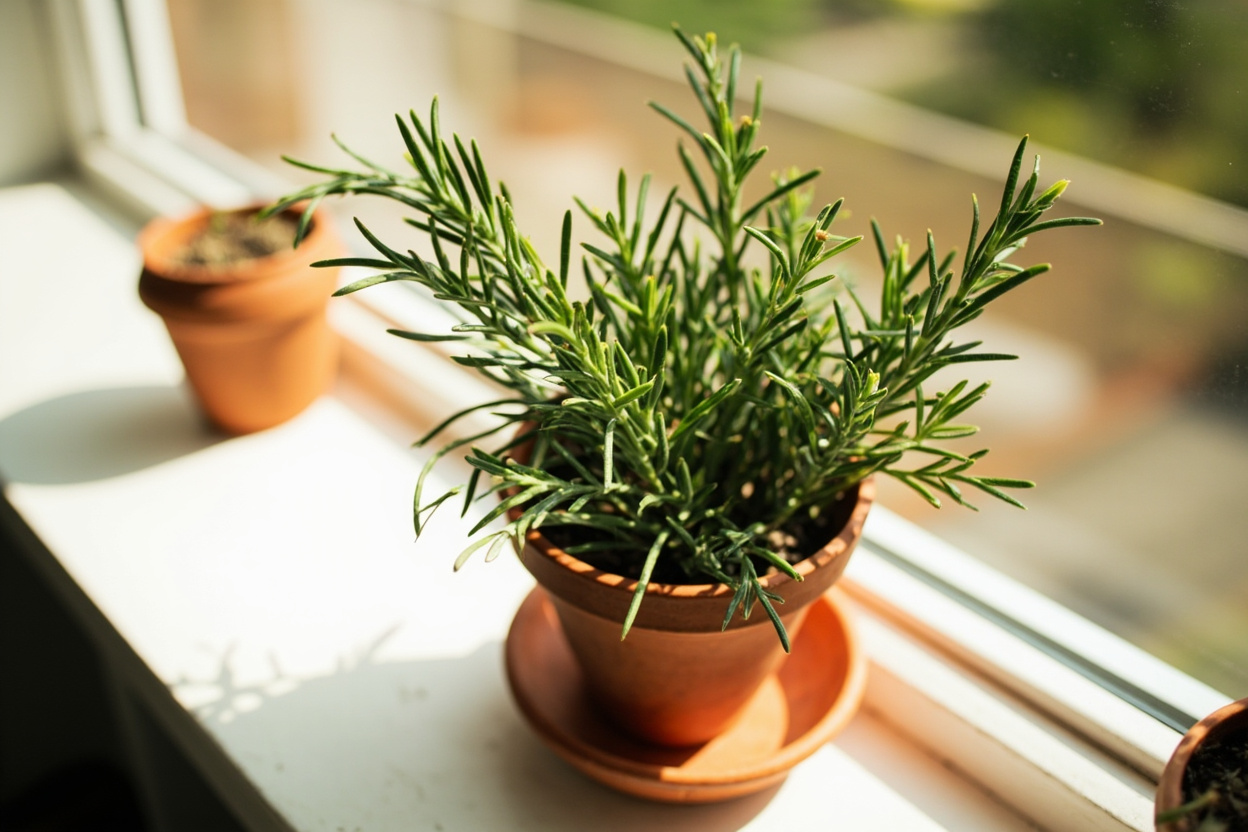
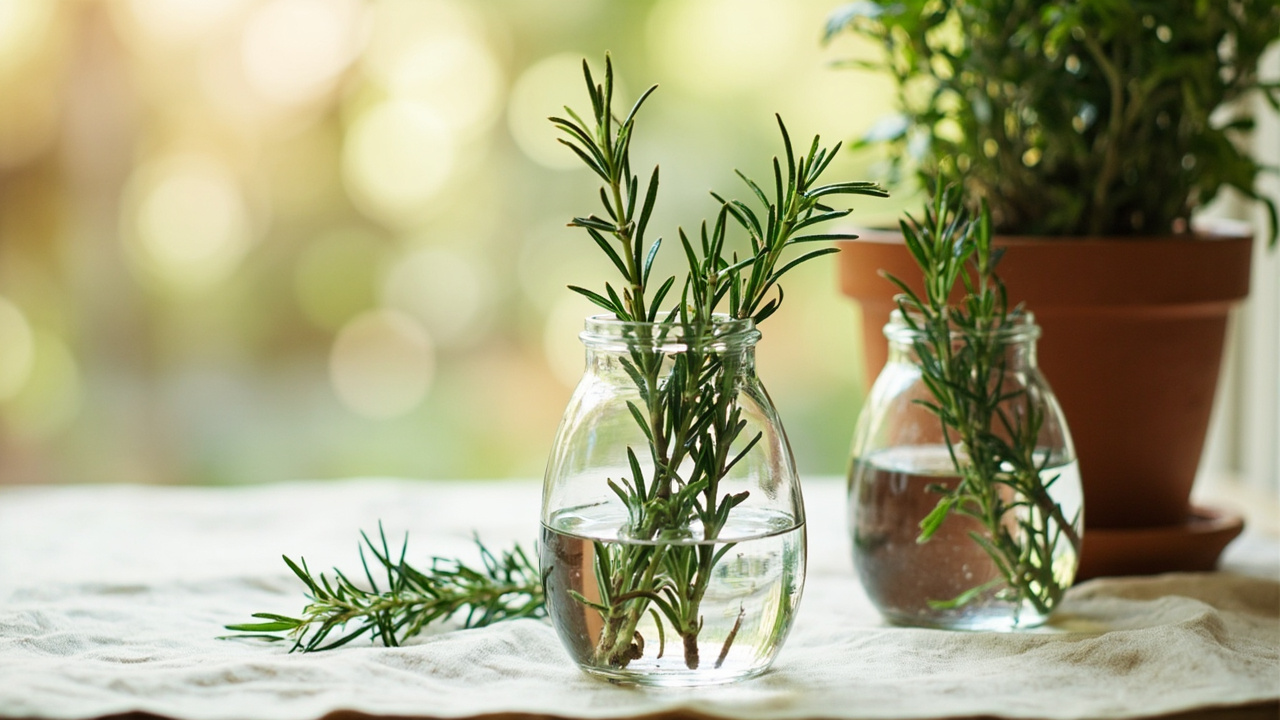
Rosemary turning brown is not one diagnosis. It can mean root rot, true drought, cold shock, or normal woody aging, and the right response depends on the pattern. Brown needle tips on a few stems are different from a whole plant going dull, brittle, and gray-brown.
The confusing part is that rosemary can brown from opposite causes. Wet roots can kill the fine roots so the plant cannot move water, while a bone-dry root ball can also leave the needles crispy and brown. Above the soil, both problems can look like a thirsty plant.
Use four checks before cutting or watering more: where the brown starts, whether the needles are crisp or dull, what the potting mix feels like, and whether the stems are still green under the bark.
Brown Rosemary Is A Pattern Diagnosis
Brown rosemary needles are dead or dying leaf tissue. Once a needle turns fully brown, it will not turn green again. The goal is to identify whether the plant is still producing healthy green growth and whether the browning is spreading.
Tip browning on older stems can be a small stress signal. Brown patches inside the plant can come from poor light and stale airflow. Whole stems turning brown from the base upward usually points to root trouble or cold damage. A whole plant turning dry and brittle is more serious and needs a stem check.
The rosemary plant care guide covers the full setup. This page stays focused on the browning pattern and the decision you need to make next.
The 4-Cause Rosemary Browning Check
Match the pattern before you act. If you water a root-rot case, it gets worse. If you let a truly dry plant sit longer, it keeps declining.
| Pattern | Likely cause | What confirms it |
|---|---|---|
| Dull brown needles, damp mix, soft lower stems | Root rot | Pot stays wet, smells stale, or drains poorly. |
| Crispy brown tips, very light pot, shrunken mix | Drought stress | Water runs down the sides instead of soaking in. |
| Brown tips after frost, drafts, or a sudden move indoors | Cold or transition shock | Damage appears within days to two weeks of the change. |
| Brown lower woody stems with green tips above | Normal woody aging | New growth remains green and flexible. |
The strongest clue is the root zone. Rosemary is a Mediterranean woody herb, so the top growth often tells you late. The pot and stem texture tell you earlier.
Root Rot Browning
Root rot browning usually starts with a plant that looks dull rather than crispy. The needles may turn gray-green, then brown, while the potting mix stays damp. Lower stems can soften near the soil line, and the pot may smell sour or stale.
The mechanism is oxygen loss. Rosemary roots need a dry-down period between waterings. If the potting mix stays waterlogged, fine roots die, pathogens move in, and the plant can no longer supply water to the needles. The top then browns even though the soil is wet.
The honest trade-off is that advanced root rot is difficult to reverse in rosemary. If most roots are brown and mushy, the plant may not recover. If some roots are still pale and firm, fast drainage, a brighter position, and a reset in fresh gritty mix can stop the decline.

Drought Browning
Drought browning is crisp. The needles feel dry, the pot is very light, and the mix may pull away from the pot edge. If the root ball has gone hydrophobic, water can run down the side of the pot and out the drainage hole without actually rewetting the center.
The fix is a slow rehydration, not a quick splash. Set the pot in a shallow basin of room-temperature water for 15 to 20 minutes, then let it drain fully. After that, return to a dry-down rhythm instead of keeping the soil constantly damp.
True drought damage shows a faster response than root rot. If the stems are still alive, the plant should look less droopy within a few days and should hold its remaining green tips. The brown needles stay brown.
Cold Shock And Indoor Transition Browning
Cold shock browning appears after frost, a cold window, a draft, or a sudden move from outdoors to a dim indoor room. Rosemary can tolerate cool air better than wet roots, but cold plus damp soil is a bad combination.
The timeline helps. Frost damage often shows within a few days. Indoor transition stress may show over one to three weeks as the plant loses light and airflow. The tips and exposed outer stems usually brown first, while shaded inner growth may stay green for a while.
The limitation is that you cannot reverse cold-browned tissue. Move the plant to the brightest window you have, keep it away from drafts, and water sparingly until active growth resumes. Pruning too early can remove stems that still have live tissue.
The Scratch Test And When To Escalate
The scratch test tells you whether a brown rosemary stem is still alive:
- Choose a brown stem that is at least pencil-thin.
- Scratch a tiny patch of bark with a clean fingernail or blade.
- Green or moist tissue means that stem is alive.
- Dry tan or gray tissue means that stem is dead at that point.
- Repeat lower on the stem before deciding the whole branch is gone.
If several main stems are dry all the way down, or if the potting mix is wet and the plant is collapsing, move to the dying rosemary plant protocol. A browning diagnosis tells you what is happening; a rescue protocol tells you how to triage the root system and remaining live stems.
What Recovery Looks Like
Recovery looks like stability first, not instant green. Existing brown needles stay brown. The good signs are flexible stems, green tissue under the scratch test, firm new tips, and no new brown spread over two to four weeks.
New growth can take four to eight weeks in strong light, especially after winter stress or root damage. If the plant is still browning after the root zone, light, and temperature have been corrected, the original cause was probably more advanced than it looked.
The practical rule: do not judge recovery by old brown leaves. Judge it by whether the plant can hold and produce clean green tips after the cause has been corrected.
Turn any PDF statement into a clean sheet
Skip the typos and the hours of copying. Our converter handles any bank statement format and outputs Excel, CSV, or QBO for QuickBooks. No file retention, free to try.
Convert your statement