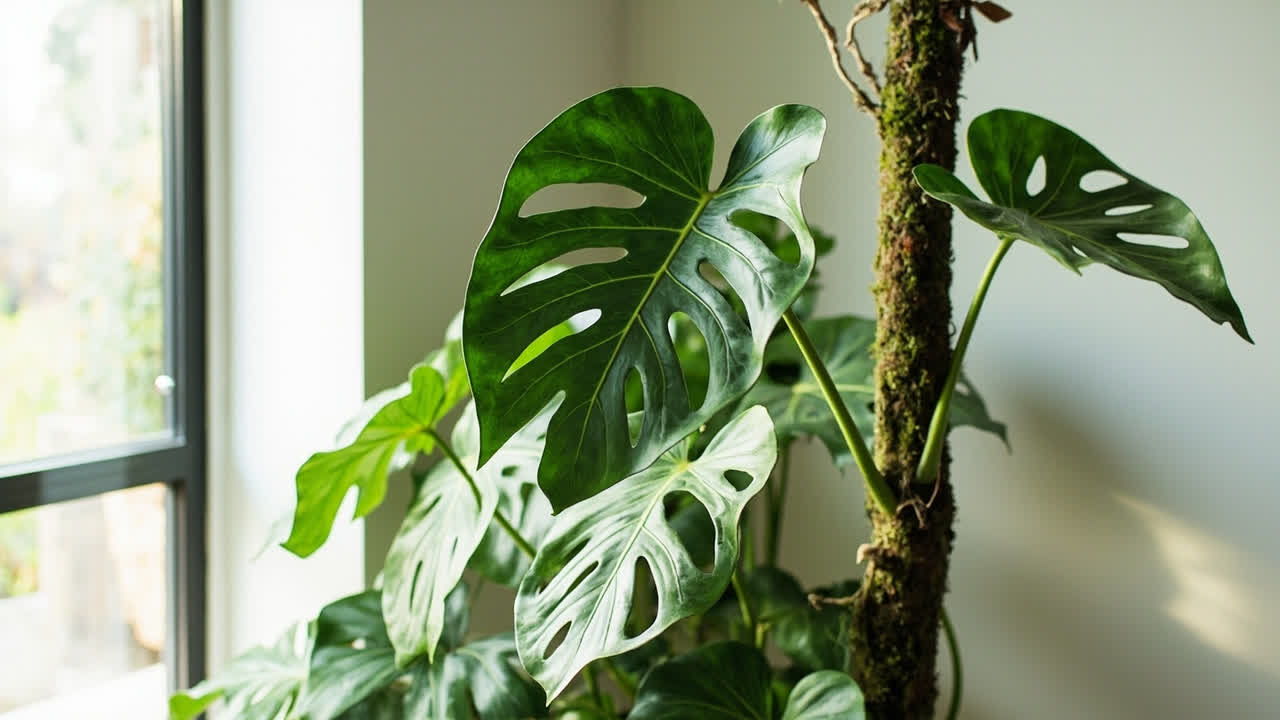
Yellow leaves on a Monstera are one of the most common signs something in the plant’s environment or care routine needs attention. The yellowing is called chlorosis — it means the leaf is losing chlorophyll, the green pigment that lets it photosynthesize. In Monstera, chlorosis almost always traces back to one of a handful of specific causes, and the right fix depends entirely on getting the diagnosis right.
This page is about figuring out why your Monstera’s leaves are turning yellow. For the treatment steps after diagnosis — watering schedules, soil amendments, recovery pruning — the linked articles in each section cover those in detail. The goal here is to give you a reliable diagnostic frame, not a treatment plan.
Why Monstera Leaves Turn Yellow : and Why It Matters
Chlorosis in Monstera is not cosmetic. When a leaf yellows, it is no longer photosynthesizing effectively, which means it is no longer contributing energy to the plant. If left unaddressed, the condition that caused the yellowing tends to spread — from one leaf to several, from lower leaves to newer growth. The plant’s energy reserves deplete, growth slows, and the characteristic splits and fenestration in the leaves may stop forming or develop poorly on new leaves.
The good news: yellowing that is caught early responds well to correction, because Monstera is a resilient tropical aroid. The bad news: treating the wrong cause wastes time and can make the real problem worse. So the diagnostic work here matters.
Overwatering : the Most Common Cause
More Monstera yellow leaves trace back to overwatering than any other single cause. When the soil stays saturated for too long, the roots effectively drown — they cannot access the oxygen they need to function. Root dysfunction reduces the plant’s ability to absorb water and nutrients, and the stress shows as chlorosis, usually starting on the lower and older leaves first.
The fix starts with checking the soil — if it stays wet 5–7 days after watering, your Monstera is sitting in water longer than its roots can absorb it, and the conditions are right for root dysfunction. Well-draining aroid mix that dries in 5–7 days after watering is the foundation of preventing overwater yellowing — standing in saturated soil for longer than that is where the mechanism starts. Feel the top 2 inches of soil before watering; if it is still damp, wait. If the pot has no drainage hole, that needs to change.
Underwatering and Inconsistent Watering
On the other side of the moisture spectrum, a Monstera that dries out completely between waterings will signal distress through yellowing that starts at the lower and older leaves first. Underwatering causes a different kind of stress than overwatering — the plant is not drowning, but it is operating with insufficient hydration, which disrupts nutrient transport inside the leaf tissue.
The stress from repeated wet-dry cycles is also a factor: a Monstera that goes from bone dry to saturated and back again experiences a kind of shock that compounds the yellowing problem. Consistency matters more than the exact schedule — watering when the top 2 inches are dry, every time, is more effective than a rigid weekly timer.
How to Distinguish Overwatering from Underwatering
The feel of the soil and the weight of the pot are the quickest clues. An overwatered pot feels heavy even days after watering; an underwatered pot feels very light and the soil pulls away from the sides of the pot. Yellowing from underwatering typically appears on older leaves first and may be accompanied by browning leaf edges. Overwatering yellowing may also cause the leaf to feel soft or look slightly translucent before it yellows.
Nutrient Deficiency : Nitrogen, Iron, and Magnesium
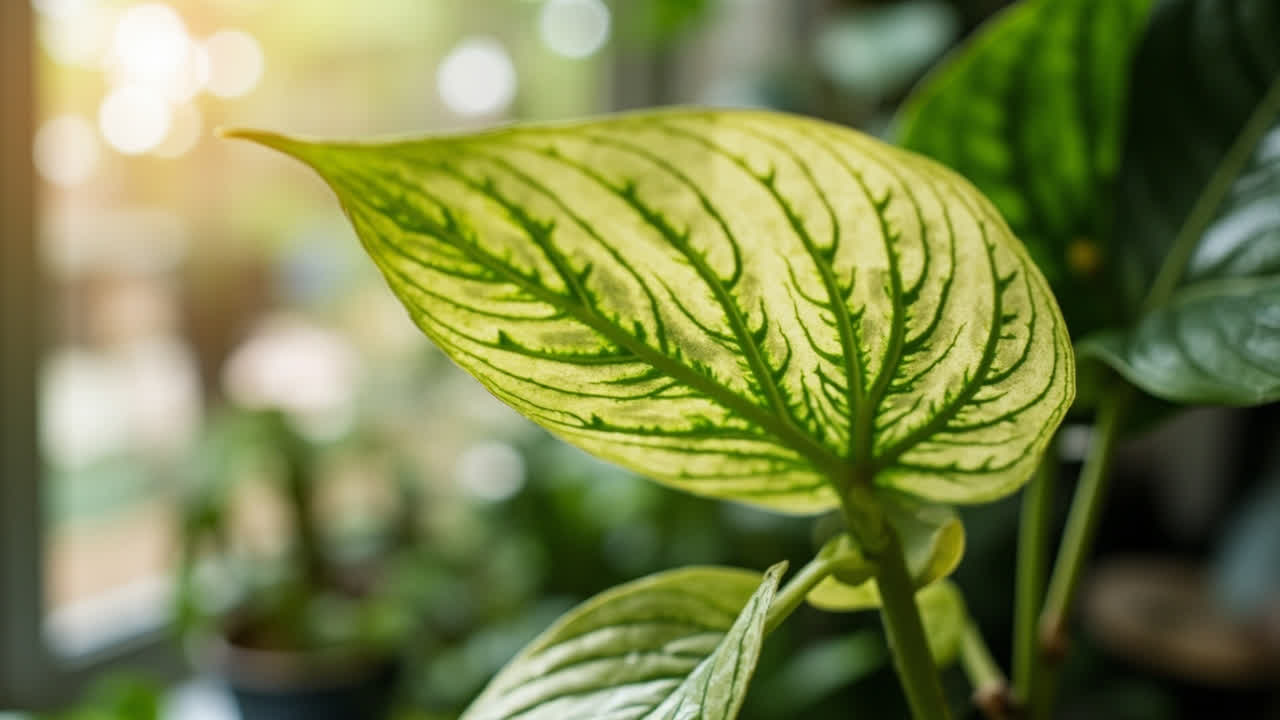
When a Monstera runs low on macronutrients — especially nitrogen, iron, or magnesium — it shows as yellowing between the leaf veins while the veins themselves stay green, a pattern called interveinal chlorosis. This is one of the most commonly misdiagnosed causes of yellowing in Monstera, because the leaf looks mostly green at first glance.
Nitrogen deficiency typically shows on older leaves first (the plant is moving nitrogen from old growth to new). Iron and magnesium deficiency tend to show on newer leaves, and the yellowing pattern is more concentrated between the veins while the veins remain a vivid green. The distinction matters because nitrogen deficiency is corrected with a balanced fertilizer, while iron deficiency requires an chelated iron supplement — and applying the wrong one wastes time.
Low Humidity and Temperature Stress
Monstera thrives when relative humidity stays above 60%; below 40%, the plant loses water faster than its roots can supply it, and the stress shows as yellowing on the newer or uppermost leaves first. This is different from the older-leaf yellowing of overwatering or nutrient deficiency — if the newest leaves are the ones yellowing and the rest of the plant looks reasonable, humidity or temperature stress is worth considering.
Temperature extremes compound the problem. Monstera is comfortable in the same range humans prefer: 65–85°F (18–29°C). Below 55°F (13°C) or above 90°F (32°C), the plant’s metabolic processes slow or disrupt, and yellowing is a common early symptom. Cold drafts from windows or air conditioning vents are a surprisingly common cause of temperature-stress yellowing in otherwise well-cared-for Monstera.
How to Tell Which Cause Is Affecting Your Monstera
Use this quick diagnostic sequence:
- Are the yellowing leaves at the bottom (oldest) or top (newest)? Bottom = likely overwatering, underwatering, or nitrogen deficiency. Top = likely humidity, temperature stress, or iron/magnesium deficiency.
- Is the soil wet, dry, or somewhere in between right now? Feel 2 inches deep.
- Have you fertilized in the last 6–8 weeks? If not, nutrient deficiency is more likely.
- Is the humidity above or below 50%? Most homes in winter drop well below that without a humidifier.
- Is the plant near a cold draft, air vent, or window with significant temperature swings?
Most cases of Monstera yellowing involve one dominant cause, but overwatering + low humidity is a common combination because both affect the root zone and both are exacerbated by the same instinct (wanting to care for the plant actively). If you are watering more than once a week and the soil is still damp, overwatering is almost certainly a factor.
Normal Aging vs. a Real Problem
If your Monstera’s oldest leaves — the ones closest to the base of the stem — yellow and drop while the rest of the plant looks healthy, that is usually normal senescence, not a problem: the plant is simply redirecting resources from a leaf it no longer needs. A healthy Monstera naturally retires its oldest leaves as it grows new ones. This is not a sign of poor care and requires no corrective action beyond removing the yellowed leaf cleanly at the stem.
The distinction matters: senescence yellowing is normal, isolated, and confined to the oldest leaves. Problem yellowing tends to appear on multiple leaves simultaneously or in sequence, affects newer growth, or is accompanied by poor growth, small new leaves, or loss of fenestration. One yellowed leaf at the base with everything else looking vigorous is almost never a crisis. Multiple yellowing leaves or yellowing spreading to new growth is worth treating as a real problem.
Read Also on Aqualogi
Related on the site, broken out by topic:
Start here: Monstera Varieties guide and Monstera Care guide.
For reading what the leaves are telling you: Monstera Problems decoder covers the symptom-first decoder: yellow, brown tips, drooping, slow growth, curl, no fenestrations and Monstera Common Problems guide covers the common issues and how to fix each one.
If you want to go further: Monstera Root Rot guide and Monstera Fertiliser guide.
Turn That PDF Into a Spreadsheet in Minutes
You've seen how to do it manually — now let the tool handle the heavy lifting. Upload your bank statement and get Excel, CSV, or QBO in a few clicks.
Try It Free