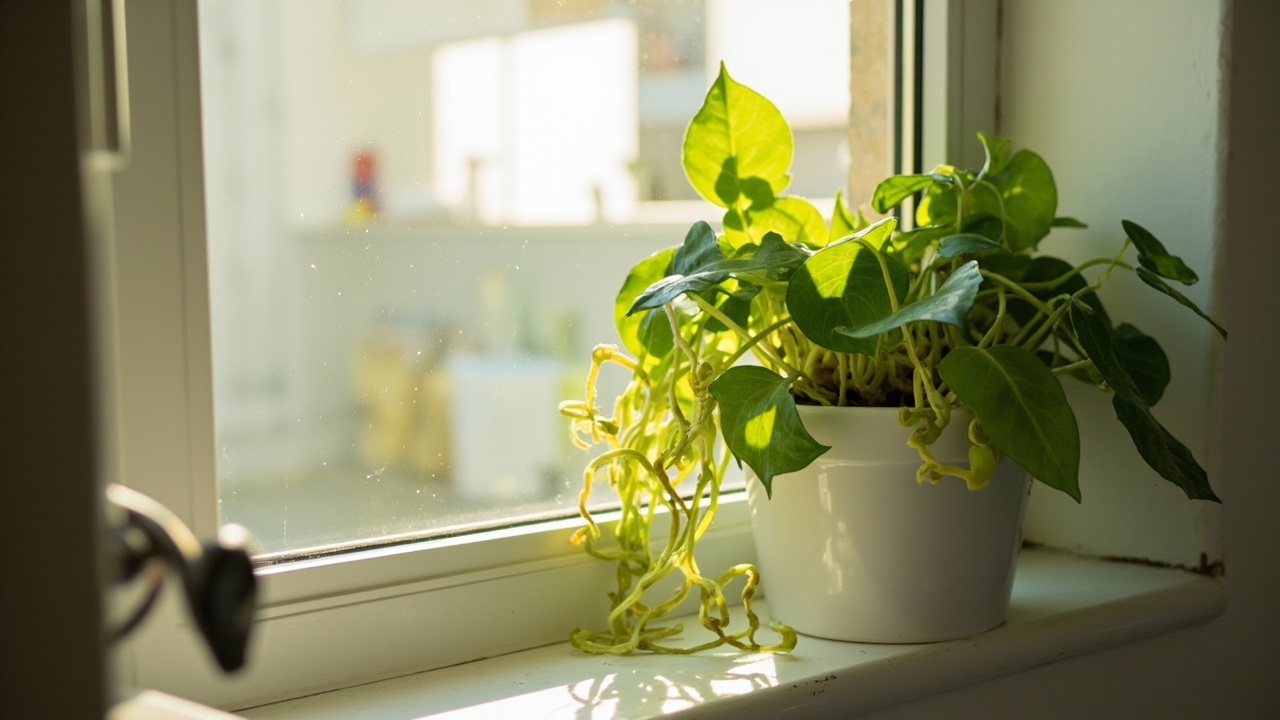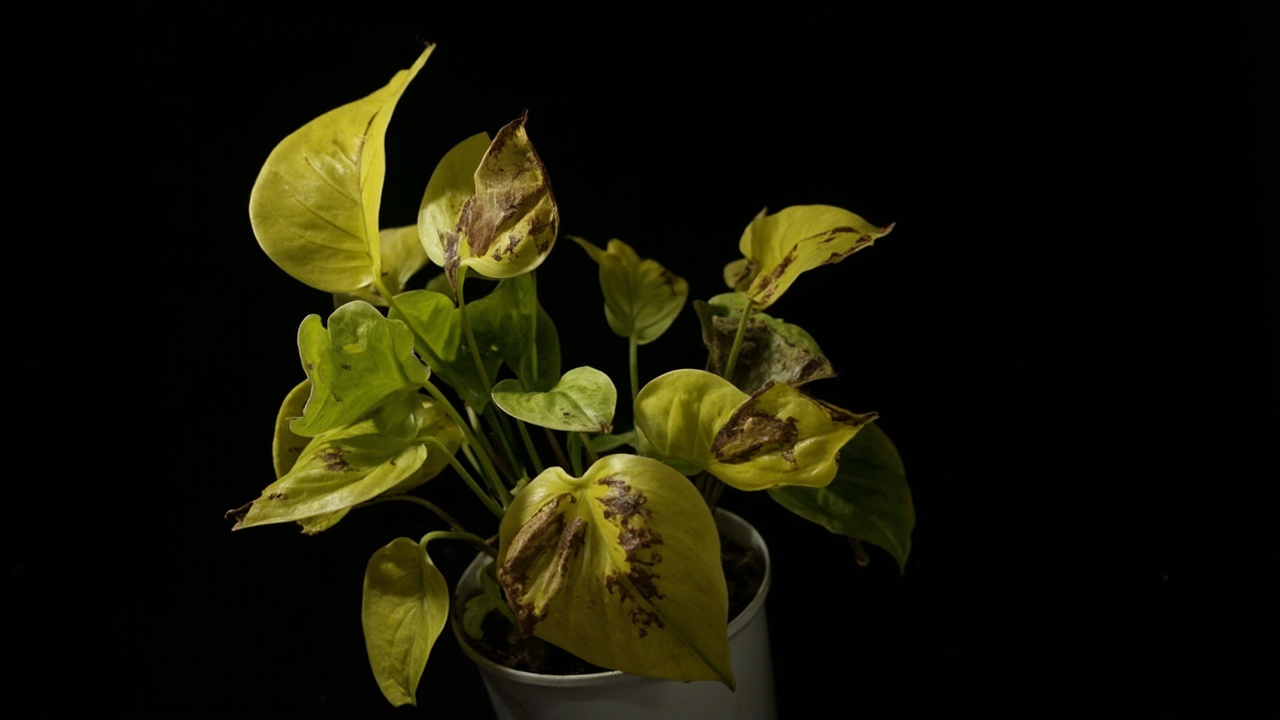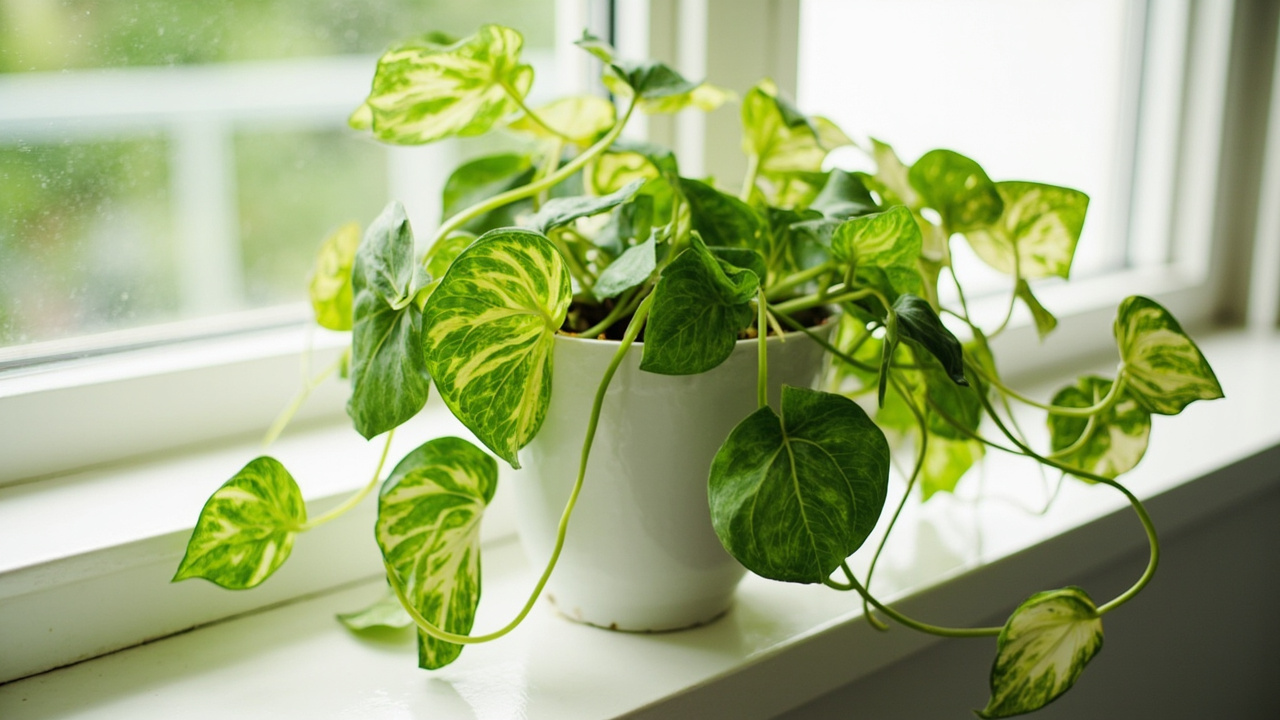

A drooping money plant is one of the most dramatic sights in houseplant care — the vines fold, the leaves hang limp, and the whole plant looks like it’s given up. The confusing part is that the same drooping can mean two opposite things: the plant needs water, or the plant has been overwatered and the roots are damaged.
The watering guide has the full breakdown of how overwatering causes the same symptoms as underwatering. The root rot guide covers the salvage operation if roots are damaged.
How to Tell What’s Causing the Droop
Before doing anything, check the soil. Insert your finger 2 inches into the potting mix. If the soil is dry and crumbly, the plant is thirsty — water it thoroughly and watch it recover within 2-4 hours. If the soil is damp or wet, the problem is root damage from overwatering, and adding water will make it worse.
The soil check is the only reliable way to distinguish between underwatering and overwatering droop. Both look identical from above. The plant looks wilted in both cases. But the fix is opposite, which makes getting this wrong damaging rather than helpful.
The Watering Test
Water the plant thoroughly — enough that water flows from the drainage holes. Then wait. If the plant firms up within 4-6 hours, it was thirsty. If nothing changes after 24 hours, the roots are compromised and the plant needs a different intervention.
The Overwatering Droop
When overwatering has damaged the roots, the plant can’t absorb water even though the soil is damp. This is why an overwatered money plant looks like it needs water — because the signals of underwatering and overwatering are identical in the leaves. The plant shows the same wilted, limp appearance in both cases.
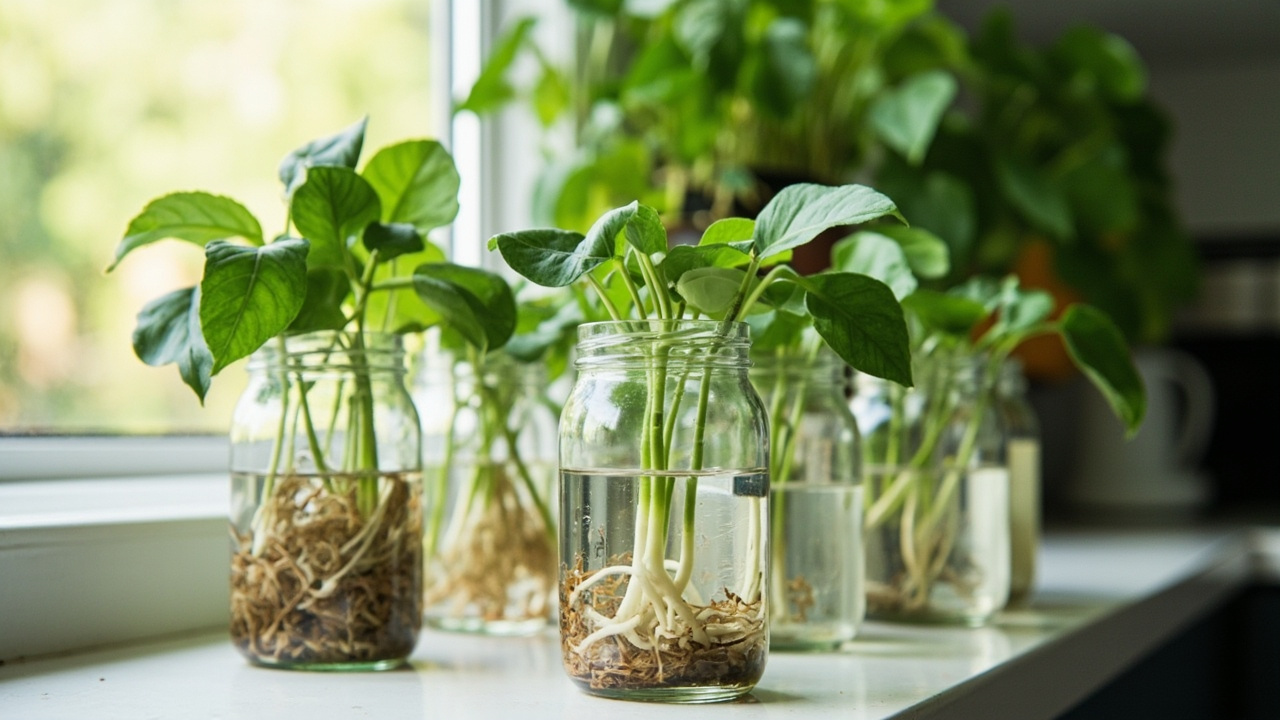
If watering doesn’t help within 24 hours, tip the plant out of its pot and check the roots. Healthy roots are white to tan and firm. Rotted roots are dark brown, mushy, and smell sour. If the roots are rotted, treat for root rot — remove all damaged roots, let the plant dry for 24-48 hours, repot in fresh fast-draining mix, and water only when the top inch is dry.
Environmental Causes of Drooping
Temperature Shock
Money plants droop dramatically after being exposed to cold — from a drafty doorway in winter, from a car ride in cold weather, or from being placed near an air conditioning vent. Cold causes the cell walls to collapse and the plant loses turgor pressure rapidly. The droop from cold exposure is immediate and severe, but if caught quickly and moved to warmth, the plant usually recovers within hours.
The damage threshold is approximately 50°F / 10°C. Below this, cellular damage begins. Sustained temperatures below 55°F / 13°C cause progressive damage that shows up as yellowing and slow growth even after the immediate droop recovers.
Heat Stress
Excessively high temperatures — above 90°F / 32°C — cause rapid water loss through the leaves, leading to drooping even when the soil is moist. This is common in summer when money plants are placed near hot windows or in rooms with poor ventilation. The fix is to move the plant to a cooler location and water normally. The plant should firm within a few hours in a cooler environment.
Low Humidity
Money plants tolerate normal household humidity but can droop in very dry conditions — particularly in winter when heating systems reduce indoor humidity to 20-30%. The leaves lose water faster than the roots can supply it, causing temporary wilting. This isn’t dangerous but it’s uncomfortable for the plant. Grouping plants together, using a pebble tray with water, or running a humidifier in the same room helps maintain humidity levels that prevent this kind of droop.
Drooping After Repotting or Moving
Money plants that have been recently repotted often droop — this is transplant stress and it’s normal. The root system was disturbed during repotting, water uptake is temporarily reduced, and the plant shows it by wilting. This typically resolves within 1-2 weeks as the roots recover and establish in the new soil. Water lightly and keep the plant in bright indirect light during this period.
The same applies after moving the plant to a new location. Money plants are sensitive to sudden changes in light, temperature, and airflow. A droop after moving is normal adjustment behaviour. Keep the plant in its new position, water normally, and give it 2-3 weeks to settle. Don’t move it again during this period — the repeated adjustment is cumulative and the plant never fully recovers.
When to Worry About Drooping
Drooping with soft, mushy stems is the warning sign. This indicates root rot that’s progressed to the point where the stems are beginning to rot as well. If the base of the plant feels soft rather than firm, the situation is serious. Stop all watering, remove the plant from the pot, inspect and treat the roots, and repot in fresh dry mix. This is a salvage operation at this point.
The progression: healthy plant → overwatered → root rot → stem rot → plant death. Drooping that doesn’t resolve after watering and doesn’t have an obvious environmental cause is the early warning signal. Catch it before the stems go soft and the plant is still salvageable.
The Recovery Timeline
Underwatering droop: recovers within 2-4 hours of watering. The leaves firm and the vines stand back up.
Temperature droop: recovers within 2-6 hours of moving to a warmer location.
Transplant stress droop: peaks at 24-48 hours after repotting, then gradually recovers over 1-2 weeks.
Root rot droop: does not recover without treatment. Will progressively worsen until the roots are treated.
If the plant doesn’t recover within the expected timeframe for its cause, investigate further — root inspection, soil check, light assessment. Something else is going on.
Read also: why houseplant leaves droop, which separates thirst from root failure before you touch the soil.
From PDF to Excel in one click
Forget retyping line by line. Upload any bank statement, get a spreadsheet you can actually use. Your files are never stored, and you can test the converter with 3 free conversions.