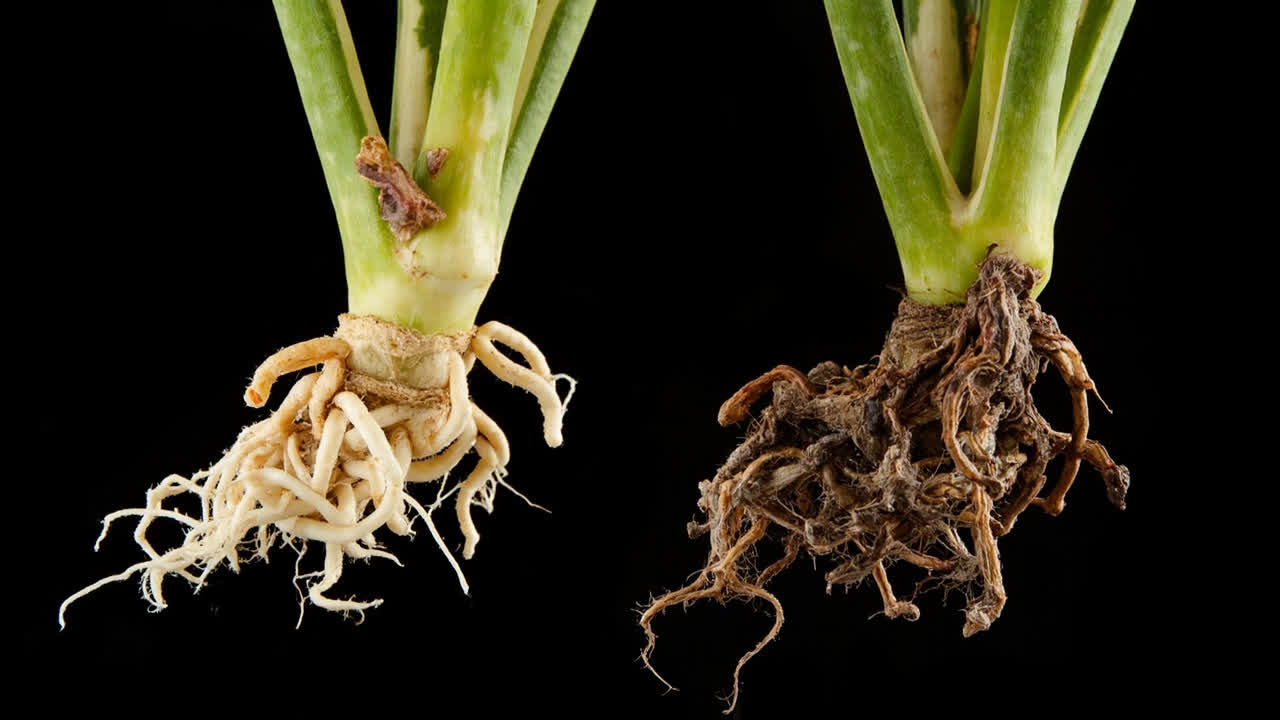
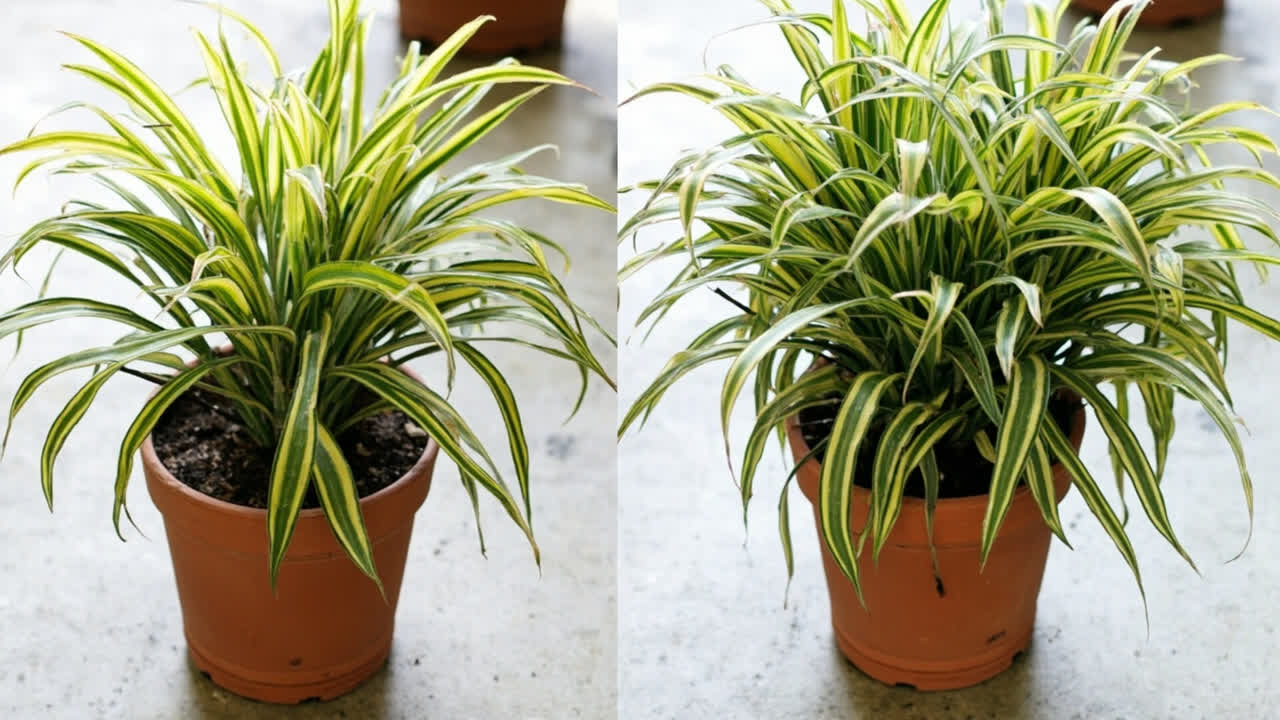
The name Dracaena comes up constantly when you research houseplants. You see it attached to the Mass Cane Plant, the Lucky Bamboo, the Dragon Tree, and several other plants that look completely different from each other. The naming can be confusing because the common names do not help — “Dracaena” is not a word that means anything to most people, and different species within the genus look so different that you might assume they are unrelated. Here is what the genus actually is and why it matters.
What Dracaena Actually Is
Dracaena is a genus of flowering plants in the family Asparagaceae — the same family that contains asparagus, hostas, and agaves. The genus contains approximately 120 known species, most of which are native to Africa, southern Asia, and northern Australia. The genus name comes from the Ancient Greek word drakaina, meaning “female dragon” — a reference to the red resin some species produce, which was historically called “dragon’s blood.”
In horticulture, the genus gained popularity in the 1970s and 1980s as interior plantscapes became a major industry. Dracaena species proved to be exceptionally tolerant of low light, inconsistent watering, and the dry air of air-conditioned spaces — all conditions that eliminate many other tropical plants. This resilience made them the backbone of office plant displays and lobby landscaping worldwide, including in Singapore.
What makes a plant a Dracaena — structurally — is a combination of characteristics: sword-shaped or strap-like leaves that grow in rosettes at the tips of stems, a growth habit that produces cane-like stems as the plant matures, and a root system that is fleshy and water-storing rather than fibrous. You can usually identify a Dracaena at a glance once you know what to look for: the long, strappy leaves in a rosette cluster at the end of a cane or trunk, rather than leaves distributed along the stem.
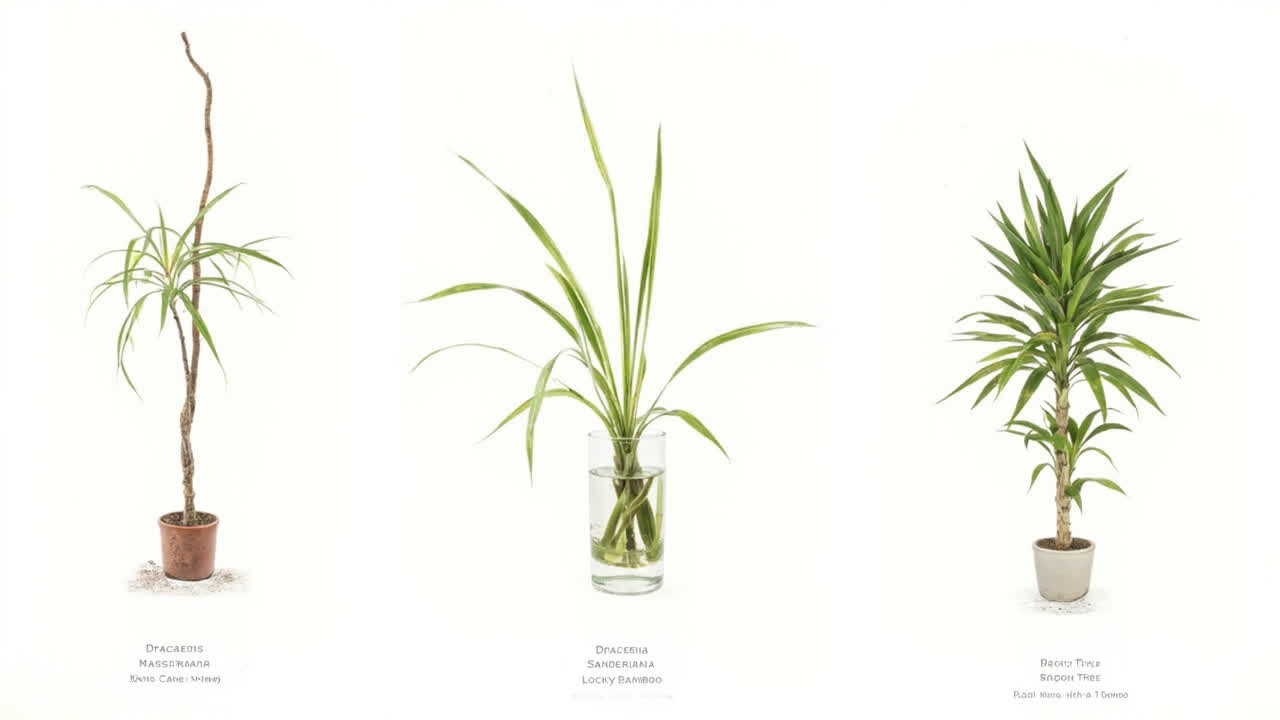
The Most Common Dracaena Species in Homes and Offices
Dracaena fragrans — the species of the Mass Cane Plant.
Dracaena fragrans is native to tropical Africa and is the most widely cultivated species in the genus for indoor use. Its common names include Corn Plant, Mass Cane Plant, and Fragrant Dracaena — the last referring to the fact that it occasionally produces fragrant flower clusters in its native habitat, though it rarely flowers indoors. The cultivar most commonly sold is Dracaena fragrans ‘Massangeana’, which features the yellow-striped leaves that define the Mass Cane Plant aesthetic. Other cultivars of Dracaena fragrans include Warneckii, Victoria, and Compacta — all with distinct leaf patterns and growth habits but sharing the same fundamental species characteristics.
All Dracaena fragrans cultivars share the same basic care profile: low to moderate indirect light, drought tolerance, sensitivity to overwatering, and mild toxicity to pets. They are among the most forgiving and structurally distinctive of all indoor Dracaenas.
Dracaena sanderiana — Lucky Bamboo.
Dracaena sanderiana is native to Central Africa and is universally sold as “Lucky Bamboo,” despite being neither bamboo nor having any botanical relationship to bamboo. It grows as a slender, bamboo-like stem with lance-shaped leaves and is typically sold in water-filled decorative containers in garden shops and supermarkets. It is one of the few Dracaena species that thrives in standing water — most other Dracaenas require well-draining soil and are damaged by perpetually wet roots. Lucky Bamboo grows best in low to moderate light and can be maintained indefinitely in a water vase or transferred to soil. The popularity of Lucky Bamboo as a gift plant and feng shui symbol has made Dracaena sanderiana one of the most recognised houseplants worldwide — yet almost no one who owns one knows it is a Dracaena.
Dracaena marginata — Dragon Tree.
Dracaena marginata, the Dragon Tree, is native to Madagascar. It has narrow, arching leaves with a characteristic red or purple margin — the “dragon” reference in its name. It grows as a slender tree with multiple cane-like stems that branch from a central trunk. It is more light-hungry than other common Dracaenas and requires brighter conditions to maintain its colour and form. In Singapore’s climate, it can be grown outdoors in shaded positions or in bright indoor spaces. It is more drought-tolerant than Dracaena fragrans and handles periods of neglect well.
Dracaena trifasciata — Snake Plant (formerly Sansevieria).
The Snake Plant — Dracaena trifasciata, formerly classified as Sansevieria trifasciata — was reclassified into the Dracaena genus in a 2015 botanical revision based on genetic analysis. This reclassification is still contested in some horticultural communities, and many nurseries continue to use the Sansevieria name, but botanically, the Snake Plant is now a Dracaena. It shares the drought tolerance and low-light resilience of other Dracaenas and is the most resilient of all houseplants for low-maintenance positions.
Why the Genus Name Matters
Knowing the genus name is not just botanical trivia — it tells you important things about care expectations. If someone tells you “I have a Dracaena problem,” you now know it could mean they are dealing with root rot on a Mass Cane Plant, yellowing leaves on Lucky Bamboo, or crispy tips on a Dragon Tree — three very different presentations requiring different responses, but all governed by the same genus-level characteristics: drought tolerance, low-light resilience, and sensitivity to overwatering and fluoride in tap water.
The common thread across all Dracaenas is that they are built for survival in challenging conditions — they store water in their roots and stems, they grow slowly to conserve energy, and they tolerate low nutrient environments. This makes them among the most forgiving houseplants you can grow. It also means that when something goes wrong — typically overwatering — the response is similar across all species: allow the soil to dry, improve drainage, reduce watering frequency.
Dracaena Toxicity : A Shared Characteristic
All Dracaena species contain saponins and calcium oxalate crystals in their leaves and stems, which cause irritation to the mouth, drooling, vomiting, and difficulty swallowing if ingested by cats, dogs, or humans. This toxicity is consistent across the genus. If you have pets that chew plants, any Dracaena — Mass Cane, Lucky Bamboo, Dragon Tree, or Snake Plant — needs to be kept out of reach. There is no non-toxic Dracaena species.
For specific care of the most common indoor Dracaena, see the Mass Cane Plant care guide. For the Dracaena sanderiana specifically, see the Lucky Bamboo care guide.
From Bank Statement to QuickBooks-Ready File
That manual cleanup you just read about? This tool skips it. Turn your PDF into QBO for QuickBooks without storing your data anywhere.
Start Converting