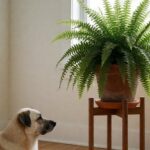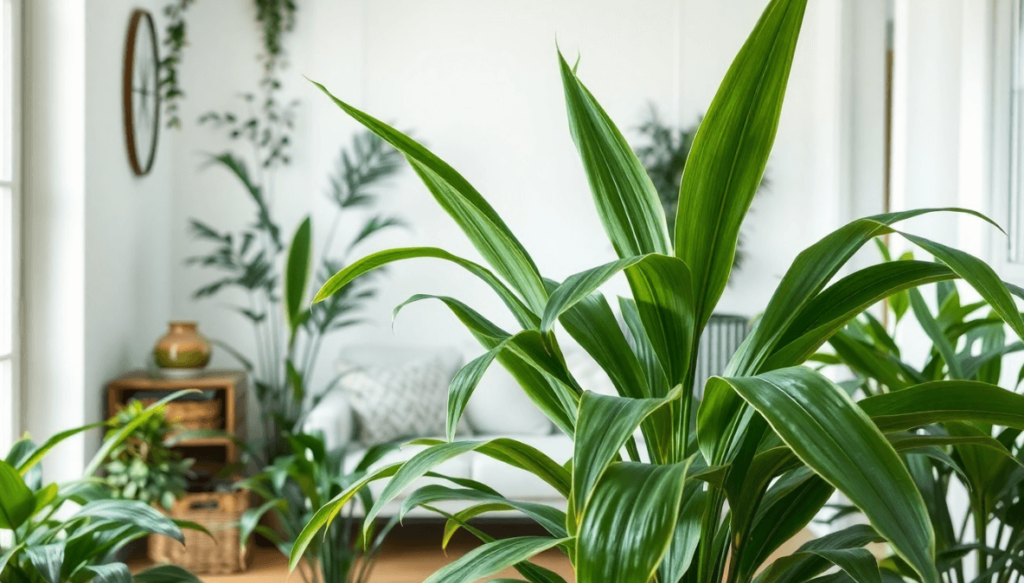

Today, I’m here to share my expert insights on why the mass cane plant toxic to dogs is a serious concern and what you can do to keep your furry friends safe.
I’ve seen firsthand how quickly a seemingly harmless plant can become a threat.
Let’s just say it wasn’t a pretty sight!
A friend’s mini Golden Doodle once nibbled on a mass cane plant out of curiosity, leading to a flurry of worrying symptoms.
Prompt veterinary care was crucial in managing the situation and ensuring the dog’s recovery.
This incident underscores the importance of being proactive and informed about the plants in your home or garden.
Let’s dive into a topic that’s both critical and often overlooked: the poisonous plant of mass cane plants to our beloved canine companions.
What Makes Mass Cane Plant Toxic to Dogs?
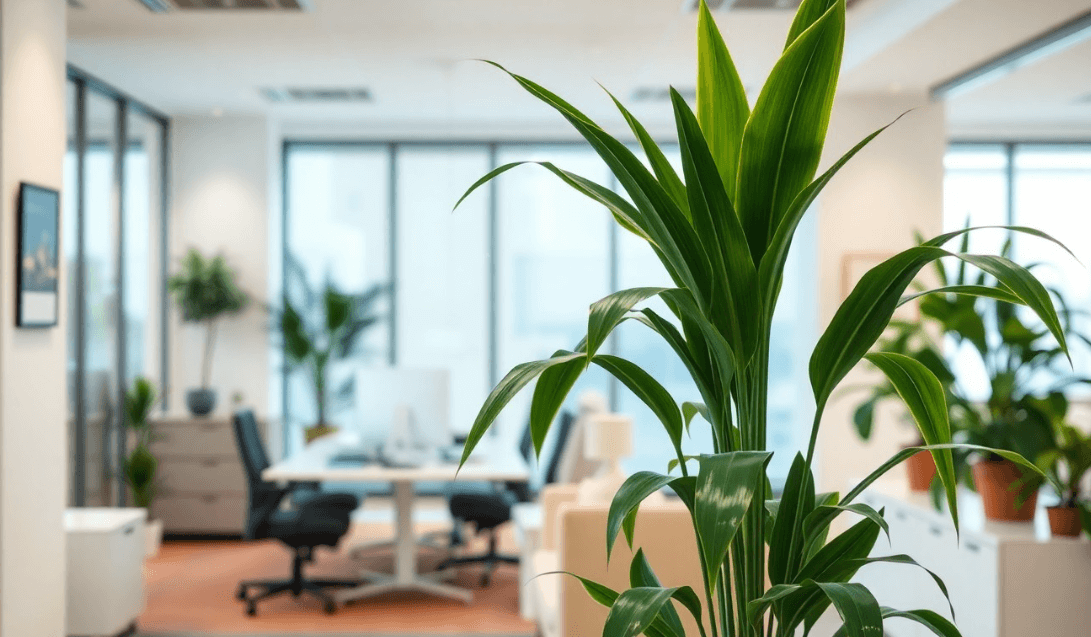
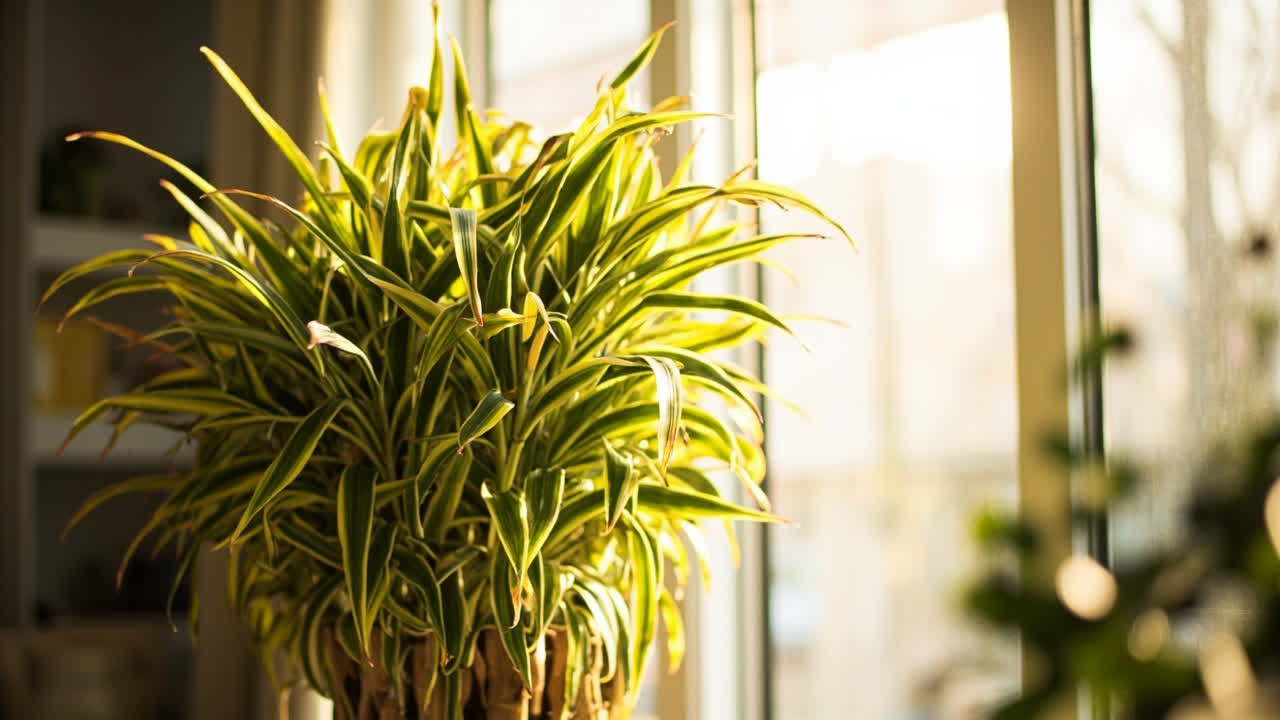
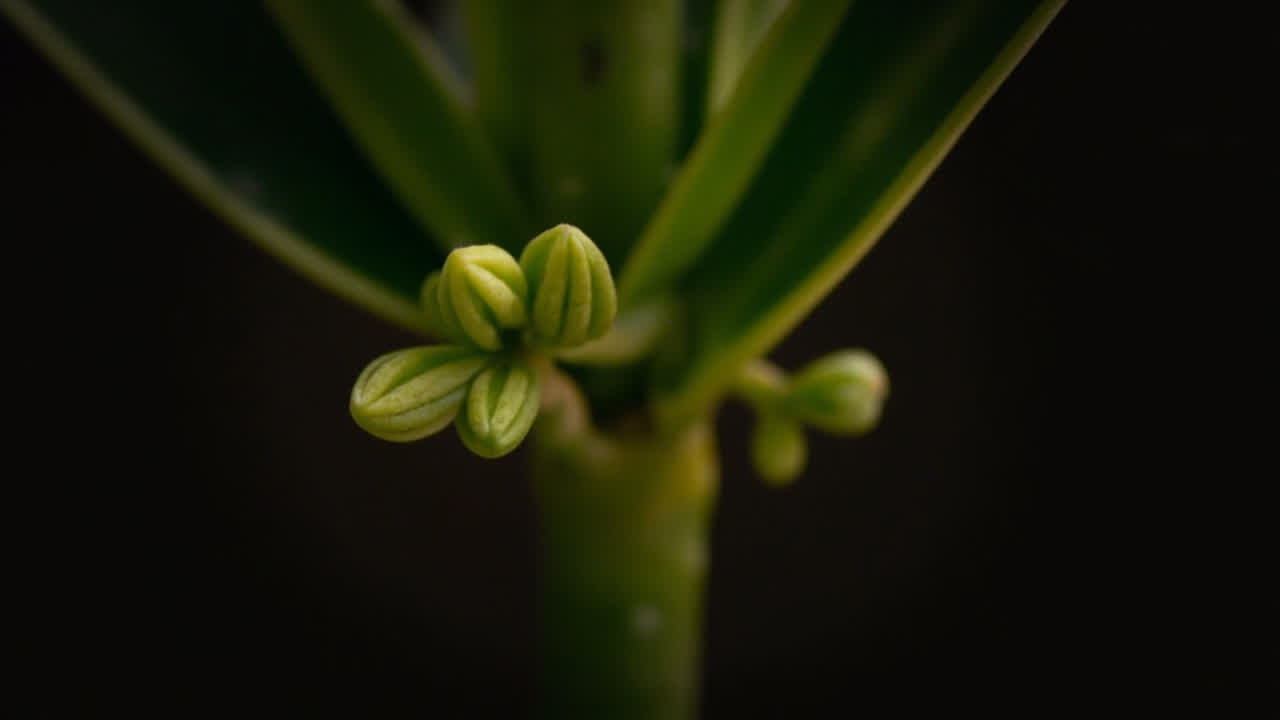
Mass cane plants, scientifically known as Dracaena fragrans ‘Massangeana’, are more than just a pretty addition to your living room.
Mass cane plant is toxic to dogs due to the presence of saponins.
These toxic compounds can cause a range of uncomfortable and potentially dangerous symptoms in our canine companions.
It’s important to note that all parts of the mass cane plant are toxic to dogs.
From the leaves to the trunk and roots, every bit contains those pesky saponins.
So, keep a close eye on your dog’s explorations, ensuring no part of the plant becomes a snack!
The Danger of Toxic Plant: Dracaena Types
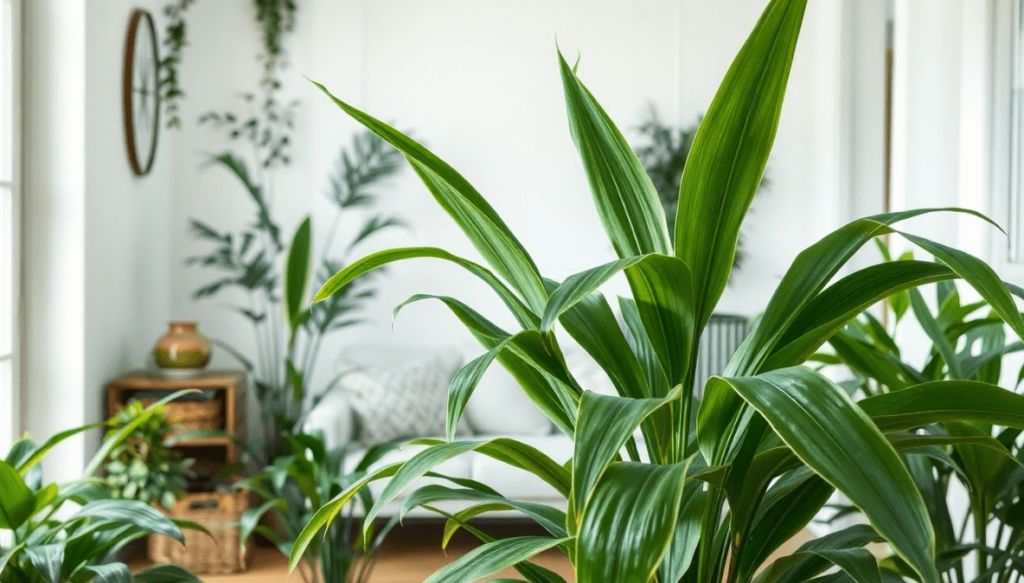
It’s not just the mass cane plant that poses a threat. Dracaena (all types) is considered toxic plant, and there are forty species of these plants.
Common names for these plants include cornstalk plants, corn plants, lucky bamboo, money trees, ribbon plants, and dragon trees.
Each of them contains toxic saponins that can cause poisoning symptoms in dogs if ate.
While benign to humans, Dracaena is toxic to both cats and dogs.
While we’ve focused on the dangers these plants pose to dogs, it is crucial to highlight that mass cane plant is toxic to cats too.
The saponins found in Dracaena species can cause similar symptoms in cats, such as vomiting, diarrhea, and lethargy.
Cat owners should take the same precautions to keep these plants out of reach and ensure the safety of their feline friends.
So, while your living room might look like a lush jungle, it’s important to be aware of which plants are harmful to your pets.
A little research and caution can go a long way in keeping your home both beautiful and safe.
Poisoning Symptoms to Watch Out For
If your dog decides to take a nibble on a mass cane plant, the poison consequences can be severe.
Saponins in dracaena massangeana are toxic to dogs.
Saponins disrupt cellular functions and can lead to gastrointestinal upset and other systemic issues.
Here are some of the key symptoms to watch out for:
- Drooling: Excessive salivation is often one of the first signs that something is wrong.
- Vomiting: Your dog might vomit, and in some cases, the vomit can be bloody.
- Diarrhea: Watch for loose, watery stools.
- Nausea: Your dog might seem listless and uninterested in food.
- Pale Gums: A telltale sign of distress.
- Tremors and Convulsions: Shaking and uncontrolled movements.
- Agitation: Your dog might seem unusually restless or anxious.
- Unsteadiness on Feet: Difficulty walking or standing.
- Abnormal Heart Rate: Rapid or irregular heartbeat.
- Difficulty in Breathing: Labored or rapid breathing.
Prevention is Key
Prevention truly is better than cure. Here are some practical tips to keep your mass cane plants and your dogs in harmony:
- Separate Spaces: Keep mass cane plants out of areas where your dogs spend a lot of time. If you have a dedicated plant corner, make it a no-dog zone.
- Elevated Placement: Place your mass cane plants on high shelves or in hanging planters where your dogs can’t reach them.
- Pet-Proofing: Consider using pet barriers or baby gates to create a safe boundary between your plants and your pets.
Think of it as setting up a mini garden fortress! Your dogs can still enjoy the greenery… from a safe distance.
APCP (Animal Poison Control Services) is a valuable and helpful resource in emergencies.
If you suspect your pet has ingested a toxic plant, contacting an animal care center services like APCP at (888) 426-4435, can provide immediate guidance and help determine the seriousness of the situation.
Keeping their contact information handy is a proactive step every pet owner should take.
What to Do if Your Dog Ate a Mass Cane Plants

If you suspect your dog has ingested any part of a mass cane plant, it’s crucial to act quickly. Here’s what you should do:
- Contact Your Veterinarian: Call your vet immediately for advice and potential treatment.
- Monitor Symptoms: Keep a close eye on your dog’s behavior and note any symptoms they exhibit.
- Hydration: If your dog is vomiting or has diarrhea, offer them small amounts of water frequently to prevent dehydration.
- Avoid Home Remedies: Resist the urge to treat your dog with home remedies. Stick to professional advice.
Being prepared and knowing the next steps can make all the difference.
Expert Care Advice for Gardening and Pet Parents
Years of experience managing household plants and pets can teach many lessons about safety and harmony.
Sharing your knowledge with fellow pet owners not only helps them avoid potential hazards but also fosters a community that prioritizes the well-being of both animals and plants.
Here are some final tips to help you navigate this balance:
- Choose Pet-Friendly Plants: There are many beautiful and non-toxic plants that are safe for pets. Do your research and opt for these alternatives.
- Educate Yourself: Stay informed about the plants you bring into your home. Knowledge is power, and it can save your pet from unnecessary distress.
- Consult a Professional: If you’re unsure about the toxicity of a particular plant, don’t hesitate to consult a veterinarian or a plant expert.
Dracaena Massangeana Toxicity to Dog
Remember, a little effort goes a long way in creating a harmonious home environment where both your plants and your pets can thrive.
By taking these precautions of Dracaena Massangeana toxicity to dog, you can enjoy the beauty of your garden without worrying about the safety of your furry friends.
In the end, the key is to be proactive and informed! Your dog’s health and happiness are worth the extra effort.
Let’s make our homes a safe haven for both our plants and our pets!
Turn PDF Bank Statements Into Workable Spreadsheets
Your bank statement is a mess of numbers, but your books shouldn't be. Use our converter to get Excel, CSV, or QBO files — ready for QuickBooks.
Try It Free Now