Gnats infestations on your beloved houseplants are like uninvited dinner guests—they show up, make themselves at home, and then leave you dealing with the aftermath.
Now, if you’ve got small flies buzzing around your indoor plants, you’re probably hosting a party for adult fungus gnats.
Let’s dive into how to get rid of gnats on houseplants, send them packing, and ensure they don’t invite themselves back for seconds.
Fungus Gnats Explained

First, let’s get to know your pests!
Fungus gnats could be mistaken for small flies, but these pesky gnats are actually tiny winged houseplant pests that thrive in moist soil which is overly hospitable for their larvae.
Moist soil? That’s their breeding ground!
The gnat problem often starts with potting soil that retains too much moisture, creating a welcoming environment for fungus gnat eggs.
These eggs hatch into larvae, which stay near plant roots.
Their lifecycle starts with eggs laid in soil, progressing to larvae, then pupae, and finally into those annoying adult fungus gnat problem.
To prevent infestations, consider refreshing the soil regularly and ensuring it dries out adequately between waterings.
How To Get Rid of Gnats on Houseplants
1. Control the Chaos with Tools and Traps
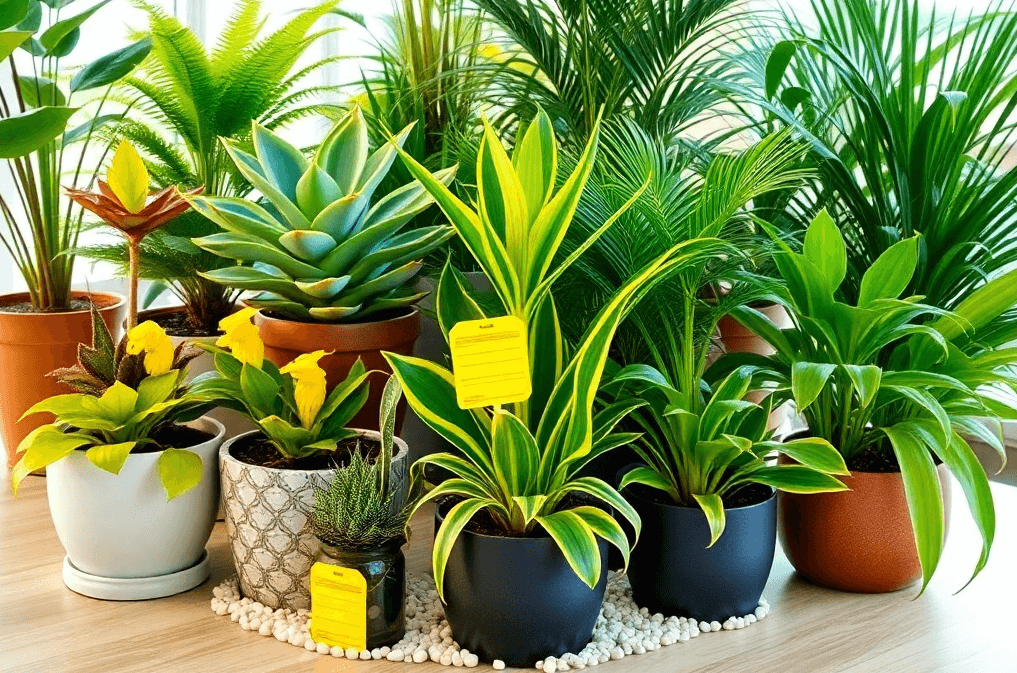
Yellow sticky traps are your simple yet effective arsenal against these fungus gnat adults.
Grab a yellow sticky trap and place it around your plants. It’s like laying out the red carpet for these pests to inadvertently stick around—forever!
With this method, you’re not just catching flies, you’re setting a trap for the minions of destruction.
But simply trapping isn’t a silver bullet; it’s just one part of the holistic approach to managing a gnat infestation.
Adult gnats swarm around infested plants, making it essential to tackle the issue at its source.
While yellow sticky traps are effective for catching adult gnats, addressing the larvae in the soil is crucial.
A soil drench with targeted solutions can help eliminate larvae before they mature.
2. Adjust Your Watering Habits
Overwatering your potted plant or houseplant encourages root rot and invites more than just root-feeding pests.
Here’s a simple fix:
- Dry Top Layer of Soil: Let the soil dry out to around 15 cm deep between waterings. Top dry soil forces gnats to take a vacay from your plants.
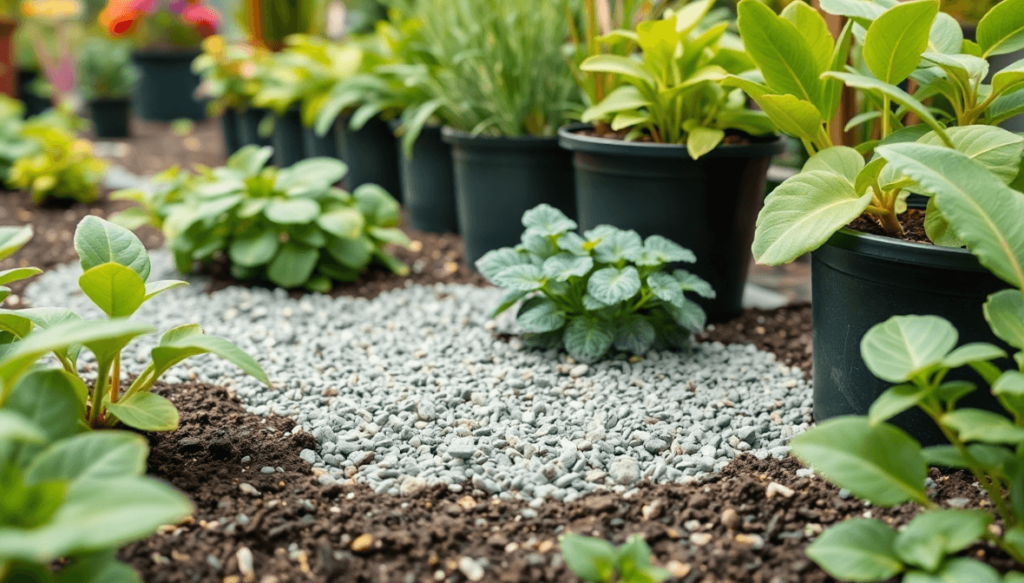
- Gravel Mulch: Spread a thin layer of gravel or grit on the soil to discourage fungus gnat egg-laying.
Avoiding overwatering is key to managing soil gnats.
Letting the top layer of soil dry out not only discourages fungal gnats but also supports healthier young plants.
Ensuring fresh soil with good drainage properties can further deter these pests from taking hold.
3. Natural Interventions
Try using chamomile tea, cinnamon, neem oil, and hydrogen peroxide as straightforward remedy that providing a broad spectrum of natural interventions for keeping your plants healthy and pest-free.
Chamomile and Cinnamon
Turning to nature for solutions, chamomile and cinnamon can become your go-to remedies.
This combo doesn’t just smell delightful; it’s a natural remedy to treat gnat larvae.
What you need to do is brew strong chamomile tea and sprinkle cinnamon on the soil. Repeat for 3 weeks to deter gnats naturally.
Neem Oil
And neem oil?
It’s the pest control equivalent of olive oil in your kitchen—versatile and a must-have.
Dilute and apply neem oil through the soil or as a spray.
As a thermal barrier for larvae, neem disrupts their lifecycle, effectively smothering them.
Hydrogen Peroxide
When it comes to managing pesky pests naturally, hydrogen peroxide offers another effective solution.
By mixing one part hydrogen peroxide with four parts water, you create a powerful soil soak that targets gnat larvae directly.
This mixture works by releasing oxygen upon contact, which effectively disrupts the larvae’s environment and helps eliminate them.
Introducing mosquito dunks into your plant care routine offers another natural intervention. These contain bacteria that target fungus gnat larvae without harming your indoor plants or pets. Regular use can help maintain a gnat-free environment.
4. Biological Warfare
Incorporating beneficial organisms into your gnat control strategy can be a natural and effective way to manage these pests.
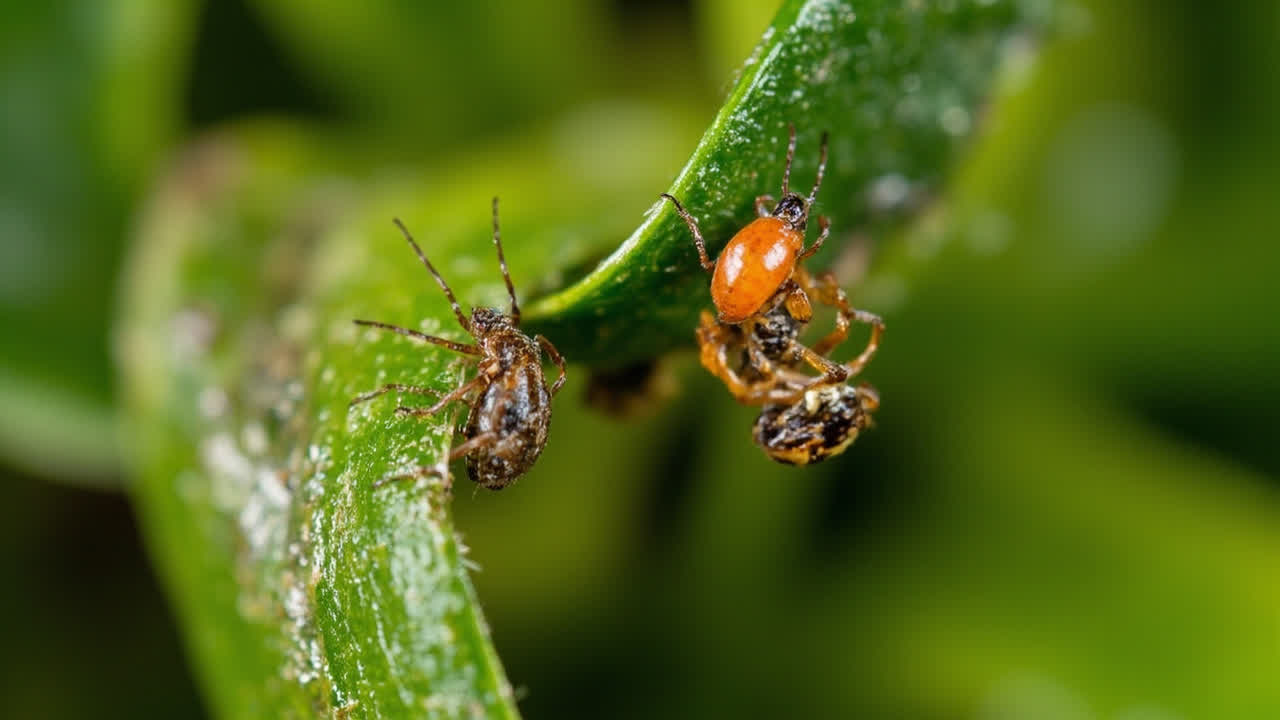
Nematodes (Steinernema Feltiae) are microscopic worms that seek out and parasitize gnat larvae in the soil.
By applying them according to the package instructions, you allow these tiny warriors to infiltrate the gnats’ hideouts, effectively reducing their population from the ground up.
Predatory mites can also play a significant role.
These small but mighty creatures patrol the soil surface, hunting down gnat larvae.
They are particularly useful when dealing with heavy infestations and can be applied directly to the soil around your plants.
Rove beetles, on the other hand, are versatile predators.
Not only do they target fungus gnat larvae, but they can also help control other small soil-dwelling pests.
Introducing these beetles as beneficial insects to your plants adds another layer of biological defense, creating a more balanced ecosystem.
By integrating these biological controls, you enhance your efforts beyond yellow sticky traps and soil drenches.
This multi-faceted approach helps create a sustainable environment that minimizes gnat problems and promotes healthy plant growth.
5. Carnivorous Plants
Incorporate carnivorous plants into your indoor plant garden as natural allies against gnats.
Carnivorous plant can help reduce the adult gnat population by trapping them, offering an eco-friendly solution to your pest woes.
6. Potato Traps
Lastly, a simple potato trap can lure larvae out for easy capture by leaving slices of raw potato on the surface of infested plant.
Check back to find larvae drawn to the feast. Swiftly remove them before they think about inviting more guests.
Master the art of bug banishment from your beloved plants with these targeted strategies.
Preventive Strategies to Keep Gnats Away
To permanently escape the gnat trap, homeowners should:
- Use Mosquito Bits in houseplant soil. These surprising bits contain something that’s deadly to larvae but harmless to your pets and plants. Using mosquito dunks in conjunction with a soil drench can provide an effective one-two punch against gnat larvae. The dunks release a bacterium that targets larvae without harming your plants or pets.
- Regularly check new plants for signs of fungus gnat infestation. Quarantine new additions to prevent transferring problems to your indoor garden. Young plants are particularly susceptible to gnat infestations since their delicate roots can be easily damaged by feeding larvae. Take extra care with new plant additions by quarantining them and monitoring for adult gnats or fungus gnat eggs.
- Select a potting mix that’s less hospitable to pests, like those with perlite for better drainage. The choice of potting soil can make all the difference in managing a gnat problem. Opt for well-draining soil to reduce the chances of soil gnats setting up camp. When repotting, consider using fresh soil to minimize the risk of fungal gnats.
Discover trendy indoor plants that demand little maintenance yet flourish beautifully in any space.
Gnat-Free House Plants
With these multifaceted gnat-free house plants strategies, you’re better equipped to say goodbye to gnats.
Remember, overwatering invites disaster; just like in your life, moderation in watering leads to happier, healthier house plants.
Revive your wilting indoor plants with expert tips that breathe life back into their leaves.
An infestation-free environment brings peace to your living space and vitality to your indoor plants.
By adopting these practices, you’re not just evicting gnats, but also nurturing a healthier ecosystem in your potted plants.
Here’s to thriving houseplants and a peaceful, gnat-less home!
Discover how certain indoor plants naturally repel bugs, enhancing your home’s environment while keeping pesky invaders at bay.
Gnats are the most common houseplant pest, but they are not the only one. For a broader overview of all houseplant pests — including mealybugs, spider mites, fungus gnats, scale, and whiteflies — see our guide to how to get rid of bugs in houseplants.
From Bank Statement to QuickBooks-Ready File
That manual cleanup you just read about? This tool skips it. Turn your PDF into QBO for QuickBooks without storing your data anywhere.
Start Converting