
Most people who buy a “low light plant” and watch it die are not failing at plant care. They are failing at physics. “Low light” is a marketing term, not a measurement. A plant labeled “low light tolerant” still needs a minimum amount of light to photosynthesize. When that minimum is not met, the plant slowly starves, even if it looks fine for weeks.
The fix starts with understanding what light actually is, how to measure it, and what thresholds different plants need. Once you know your actual light level, you can match plants to it, place them correctly, and avoid the number one killer of low-light plants: overwatering in dim conditions.
What “Low Light” Actually Means
Light for plants is measured in foot-candles (fc) or lux. One foot-candle equals about 10.76 lux. These units measure the intensity of light reaching a surface. A sunny outdoor day delivers roughly 10,000 fc. A bright indoor room near a south-facing window might deliver 1,000 to 2,000 fc. A dim corner might deliver 50 fc or less.
The plant industry generally defines “low light” as 50 to 250 fc (500 to 2,500 lux). “Medium light” is 250 to 1,000 fc. “Bright light” is 1,000 fc and above. But these ranges are broad. A plant that tolerates 250 fc may struggle at 50 fc.
The key distinction is between survival and thriving. Many plants labeled “low light” will survive at 50 to 100 fc but will not grow, flower, or maintain their best appearance. They are in a maintenance mode, slowly declining. True growth requires more light than most people provide.
How to Measure Light in Your Home
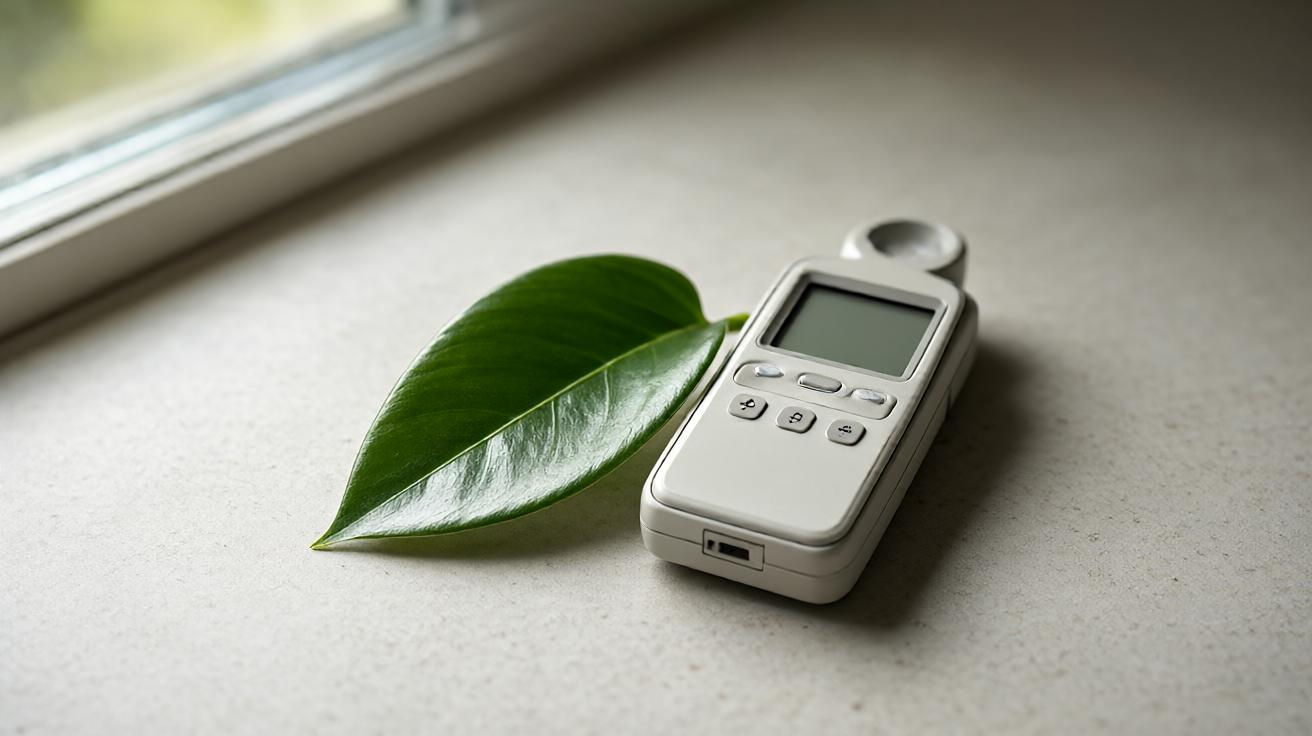
You do not need expensive equipment. A light meter app on your phone gives a reasonable estimate. Hold the phone at plant level, pointing the camera at the light source, and read the fc or lux value. Take readings at different times of day and in different locations.
Window orientation is the biggest factor. South-facing windows provide the most light, followed by east and west, then north. Distance from the window matters too. Light intensity drops dramatically with distance. A plant 3 feet from a window receives significantly less light than one on the windowsill.
Seasonal changes also matter. Winter light is weaker and days are shorter. A spot that works in summer may be too dim in winter. Move plants closer to windows in winter, or add supplemental lighting.

Light Thresholds by Plant Type
Plants fall into tolerance categories based on the minimum light they need to survive and grow.
High-tolerance plants (50 to 100 fc minimum): snake plant (Sansevieria trifasciata), ZZ plant (Zamioculcas zamiifolia), cast iron plant (Aspidistra elatior). These survive in very dim conditions but grow slowly.
Medium-tolerance plants (100 to 250 fc minimum): pothos (Epipremnum aureum), peace lily (Spathiphyllum wallisii), Chinese evergreen (Aglaonema). These do better with more light but tolerate moderate shade.
Low-tolerance plants (250+ fc minimum): most flowering plants, succulents, and cacti. These need bright light and will decline in low-light conditions.
For related guidance, see low light plants for bedroom and grow lights for low light plants.
Window Orientation and Placement
North-facing windows provide the least light, roughly 50 to 100 fc at the sill. Only the most tolerant plants survive here without supplemental lighting. East and west windows provide 200 to 400 fc at the sill, suitable for medium-tolerance plants placed close to the glass.
South-facing windows provide 500 to 1,000+ fc at the sill, enough for most plants. But direct southern sun can burn sensitive foliage. Use a sheer curtain to filter the light, or place plants a few feet back from the window.
Room depth matters. A plant 6 feet from a window receives roughly 10 to 25 percent of the light at the sill. If your light meter reads 200 fc at the window, it may read 20 fc at the back of the room. Most plants cannot survive at 20 fc.
Why Low-Light Plants Die
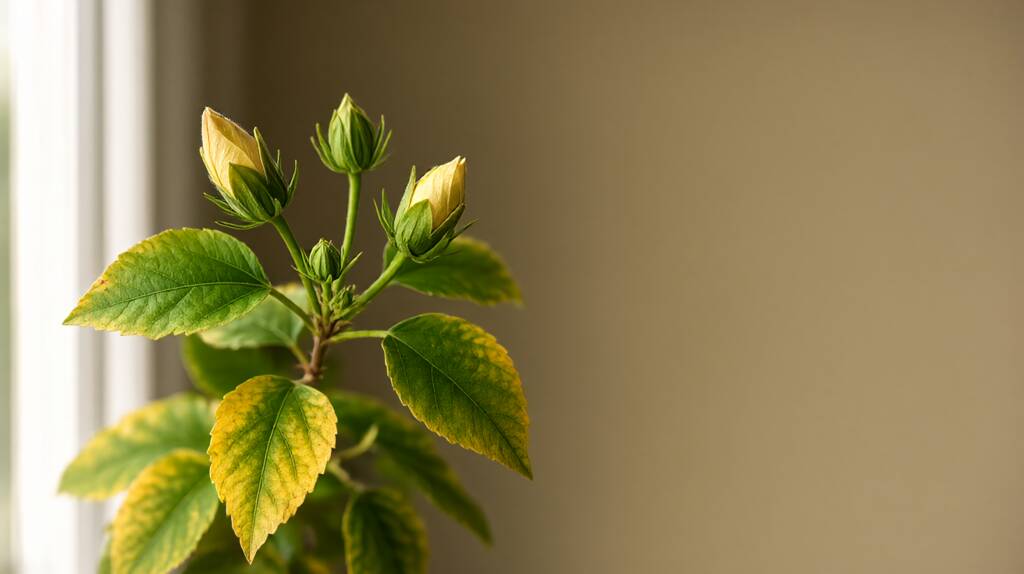
The number one killer of low-light plants is overwatering. In dim conditions, plants transpire less and use less water. Soil stays wet longer. Roots suffocate and rot. The plant shows yellowing leaves and wilting, which looks like underwatering, so the owner waters more, making it worse.
The fix is to water less frequently and check soil moisture before watering. Let the top inch or two of soil dry between waterings. Use pots with drainage holes. Avoid saucers that hold standing water.
Other failure modes include etiolation (stretching toward light), loss of variegation (pothos and snake plants lose patterns in low light), and pest susceptibility (stressed plants attract spider mites and mealybugs).
For related symptoms, see leggy plant etiolation, yellow leaves on plants, and plant diagnosis.
How to Fix Low-Light Problems
First, measure your light. Use a phone app or light meter to get actual fc readings in your plant’s location. Compare to the thresholds above.
Second, match plants to light. Move high-tolerance plants to dim spots. Move medium-tolerance plants closer to windows. Remove low-tolerance plants from dim locations.
Third, adjust watering. Water less in dim conditions. Check soil moisture with your finger before watering. Let the top inch dry.
Fourth, consider supplemental lighting. A simple LED grow light can transform a dim corner into a viable growing space. See grow lights for low light plants for recommendations.
Fifth, rotate plants. Give each side equal light exposure by rotating the pot a quarter turn weekly. This prevents lopsided growth.
Last reviewed on November 10, 2026