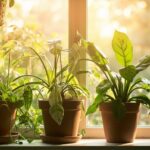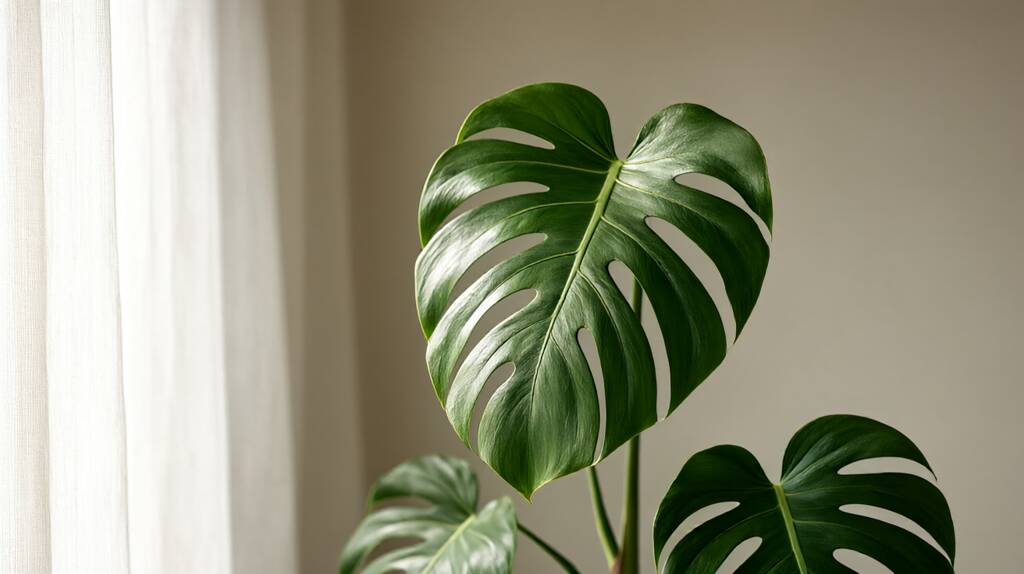

Houseplant light guide: most indoor plants thrive in bright, indirect light (500–1,000 foot-candles), tolerate medium light (100–500 fc), and only a few survive true low light (25–100 fc). The three things that matter are intensity, duration, and quality , and matching the plant to the light you actually have beats forcing a plant into the wrong spot.
Light is the single biggest reason houseplants fail indoors. Get it right and watering, soil, and fertilizer become easy. Get it wrong and no amount of care fixes a plant starving in a dark corner.
How to Measure Light for Houseplants (Foot-Candles)
Light is measured in foot-candles (fc). One foot-candle is the light from one candle at one foot distance. A free light-meter app on your phone gives a workable estimate.
| Light level | Foot-candles | Typical location | Plant examples |
|---|---|---|---|
| Low | 25–100 fc | North window, far from windows, artificial-only rooms | ZZ plant, snake plant, cast iron plant, peace lily |
| Medium (bright indirect) | 100–500 fc | East/west window a few feet away, shaded south window | Chinese evergreen, rubber plant, dracaena, African violet, pothos |
| High | 500–1,000 fc | Unshaded east/west window, shaded south window | Croton, hibiscus, jade plant, hoya, monstera |
| Direct sun | 1,000+ fc | Unshaded south/southwest window, sunroom | Citrus, succulents, cacti, gardenia, tillandsia |
Rule of thumb: most houseplants labeled “bright indirect” want the high range; “medium light” plants want medium; “low light” plants tolerate low but grow best in medium.
The Three Aspects of Light: Intensity, Duration, Quality
Light is not one thing. Three aspects decide whether a plant thrives.
Intensity
How bright the light is. Intensity drops fast with distance from a window , a plant 3 meters back receives a fraction of the light at the sill. Direct sun through glass can burn leaves; bright indirect (sheer curtain or a few feet back) is the sweet spot for most tropicals.
Duration
How many hours of light per day. Most houseplants need 12–16 hours. In low light, extending duration (e.g., 14–16 hours) compensates for low intensity. Never exceed 16 hours , plants need a dark period to develop properly.
Quality (Spectrum)
Which wavelengths. Blue and red drive photosynthesis; flowering plants also need far-red/infrared. Sunlight provides all three. Artificial lights vary , cool-white fluorescents skew blue (good for foliage), incandescents skew red (good for bloomers).
How to Tell If Your Plant Gets Enough Light
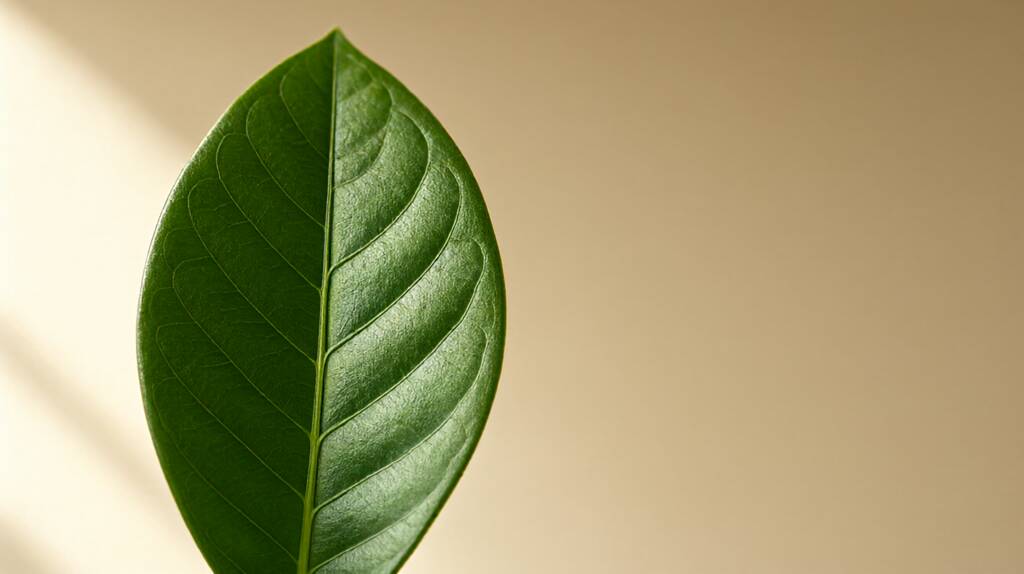
Plants tell you. Watch for these signs:
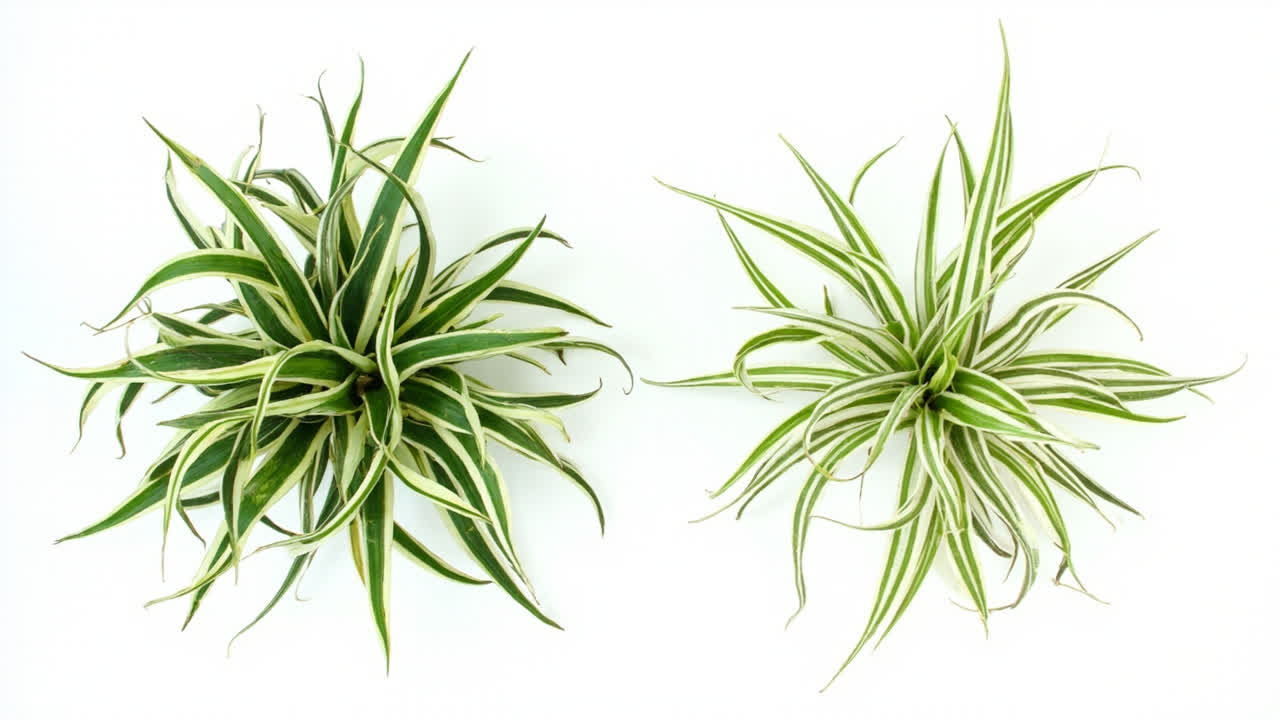
- Too little light: leggy stems, small new leaves, slow or no growth, loss of lower leaves, variegated leaves turning solid green.
- Too much light: bleached or scorched patches, crispy brown leaf edges, faded color, soil drying too fast.
- Just right: compact growth, steady new leaves, vibrant color, normal watering rhythm.
The “hand shadow test” works: hold your hand 30 cm above the plant. A sharp, dark shadow = high light; a soft, fuzzy shadow = medium; barely visible = low.
Choosing Plants by the Light You Have
Match the plant to the room, not the room to the plant. Pick from the list that fits your brightest realistic spot.
Low light (25–100 fc)
ZZ plant, snake plant, cast iron plant, peace lily, pothos, Chinese evergreen. These tolerate shade but grow best in medium light if you can give it.
Medium light (100–500 fc)
Rubber plant, dracaena, African violet, Norfolk Island pine, monstera, philodendron, calathea. The widest, easiest group for most homes.
High light (500–1,000 fc)
Croton, hibiscus, jade plant, hoya, citrus (dwarf), fiddle-leaf fig, bird of paradise. These need a bright window without scorching.
Direct sun (1,000+ fc)
Succulents, cacti, gardenia, tillandsia, aloe. South-facing windowsills; rotate to prevent one-sided growth.
Grow Lights: When Natural Light Isn’t Enough
If your space is below 100 fc, supplement with artificial light. Options:
- LED grow lights: efficient, full spectrum, run cool. Best all-rounder.
- Fluorescent (T5/T8): cheap, good for foliage, replace annually.
- Incandescent: mostly red, hot, inefficient , avoid for foliage.
Place lights 15–30 cm above the plant, run 12–16 hours, and use a timer. Combine with natural light rather than replacing it.
Common Light Mistakes (and Fixes)
- Putting a high-light plant in a north window. Fix: move closer to a south/east window or add a grow light.
- Leaving a shade plant in direct sun. Fix: sheer curtain or move back 1–2 m.
- Assuming “low light” means “no light.” Fix: low-light plants still need some light; true darkness kills them.
- Ignoring season. Fix: rotate plants and adjust distance as winter shortens daylight.
- Cleaning leaves rarely. Fix: dust blocks light; wipe leaves monthly.
Quick Decision Guide
Match your room to a plant in 30 seconds:
| Your spot | Choose |
|---|---|
| Dark corner, no window | ZZ plant, snake plant (plus grow light) |
| North window | Peace lily, pothos, Chinese evergreen |
| East/west window | Rubber plant, monstera, dracaena, philodendron |
| Bright south window | Croton, jade, hoya, citrus, succulents |
Sources and further reading
Claims in this guide come from university extension services and horticultural references:
- Lighting | Houseplants , Illinois Extension
- Chapter 14: Houseplants , WSU Extension
- Growing Indoor Plants with Success , UGA CAES
- Light for Houseplants , UF/IFAS Gardening Solutions
- Lighting Indoor Plants , University of Maryland Extension
For home decor inspiration using trendy plants, see Trendy Indoor Plants for Home Decor guide.
From PDF to Excel in one click
Forget retyping line by line. Upload any bank statement, get a spreadsheet you can actually use. Your files are never stored, and you can test the converter with 3 free conversions.
Try it free