Begonias are frost-tender plants. The moment nighttime temperatures dip below 50°F (10°C), their metabolism shifts. Growth slows, water needs drop, and the indoor environment — with its dry air and reduced light — creates a very different set of challenges from the summer growing season. The good news: most begonias can survive winter indoors without much trouble, as long as you adjust your care to match their slowed state.
The key decision you will face this winter is whether to keep your begonia growing actively or let it rest. This depends on which type you have and what your indoor conditions allow. A tuberous begonia with a basement or cool spare room can go dormant and re-emerge stronger in spring. A rex begonia in a warm living room will keep growing — slowly — if you give it enough light. A cane begonia by a bright window will do something in between: not quite dormant, not quite thriving.
This guide walks you through both paths. Start by identifying your begonia type, then follow the right protocol for your situation. Either way, the goal is the same: get your plant through winter healthy enough to explode with growth when spring returns.
Why Begonias Struggle in Winter
Winter hits begonias with three stressors at once. Daylight hours shrink, reducing the energy the plant can capture. Indoor heating drops relative humidity to 20-30% in most homes — far below the 50-70% begonias prefer. And if the plant is near a window, cold drafts at night can shock roots that are accustomed to steady warmth.
The most common winter mistake is treating your begonia the same way you did in July. Watering on the same schedule, fertilizing at full strength, expecting the same growth rate. The plant cannot use those resources in low light and cool temperatures, so the excess sits in the soil and invites root rot. Cutting back is not neglect — it is matching your care to the plant’s actual metabolic rate.
There is a trade-off here. Begonias kept actively growing through winter need supplemental lighting and careful humidity management. Those allowed to go dormant are easier to manage but will look dead for months. Neither approach is wrong. The honest answer is that most indoor begonias do best with a reduced-growth approach — less water, no fertilizer, bright indirect light — rather than a full dormancy or forced active growth.
Know Your Type: Tuberous, Rhizomatous, Cane, or Fibrous
Your winter care depends almost entirely on which begonia type you have. Here is how to identify them and what each needs. If you are unsure which type you have, our begonia variety guide covers the main groups with photos.
Tuberous
Tuberous begonias produce the largest, most dramatic flowers — often in vivid reds, yellows, and pinks. They grow from a thick, potato-like underground tuber. In nature, this tuber survives dry winters in dormancy. Indoors, you can either let it go dormant (the easier path) or keep it growing with supplemental light and warmth. The tuber is the most toxic part of the plant if you have pets — store it where animals cannot dig it up.
Rhizomatous
Rex begonias and their relatives grow from a thick, creeping rhizome just below the soil surface. They are grown primarily for their spectacular foliage — silver, purple, green, and pink patterns that look painted. These begonias do not have a true dormancy, but they slow down significantly in winter. Reduce watering and stop fertilizing, but keep them in bright indirect light.
Cane-stemmed
Cane begonias — including the popular angel wing and maculata types — have tall, bamboo-like stems with swollen nodes. They are the most structurally dramatic begonias and can reach 3-5 feet indoors. In winter, they benefit from a light pruning to reduce the leaf area the roots need to support. Cut back by about one-third, and they will regrow vigorously in spring.
Fibrous-rooted
Wax begonias and fibrous-rooted types are the most forgiving. They have thin, upright roots and small flowers. These begonias often continue blooming through winter if given enough light. They tolerate lower humidity better than other types and are the best choice if you want a begonia that does not require much adjustment for winter.
Keeping Begonias Growing Actively Through Winter
If you have a warm home (above 65°F / 18°C), good south- or east-facing windows, and are willing to adjust your routine, you can keep most begonias in active growth. This works best for fibrous and rhizomatous types. For the full year-round care breakdown, see our complete begonia care guide.
Light: Place your begonia within 3 feet of a south or east window. In northern climates, winter daylight may not be enough — if you see leggy, stretched growth, add a simple LED grow light for 10-12 hours per day. Rex begonias are the most light-sensitive; if new leaves are smaller than old ones, the plant is telling you it needs more light.
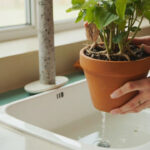
Watering: This is where most winter problems start. Check the soil with your finger — water only when the top 1-1.5 inches feel dry. In a 6-inch pot at 68°F (20°C), this typically means watering every 10-14 days, compared to every 4-5 days in summer. Use room-temperature water. Cold water shocks roots. Our begonia watering guide covers how to adjust frequency for each season.
Humidity: Group plants together, place pots on a pebble tray with water below the gravel surface, or run a small humidifier nearby. Aim for 45-55% relative humidity. Do not mist begonias — water sitting on leaves invites powdery mildew, especially in winter when air circulation is poor.
Temperature: Keep nighttime temperatures above 55°F (13°C). Avoid placing begonias against cold window glass or near drafty doors. A consistent 60-72°F (15-22°C) range is ideal.
Fertilizing: If your begonia is still producing new leaves, feed at half strength once every 6-8 weeks. Use a balanced liquid fertilizer. If growth has stopped entirely, do not fertilize at all — unused salts accumulate and damage roots.
Letting Your Begonia Go Dormant (Tuberous and Some Rhizomatous)
Dormancy is the natural state for tuberous begonias in winter. If you have a cool, dark storage area (a basement, garage, or closet that stays 45-55°F / 7-13°C), letting your tuberous begonia rest is often easier than trying to keep it growing in dry indoor air.
Here is the dormancy protocol:
- Stop watering gradually. About 2-3 weeks before your target dormancy date, reduce watering by half. Let the foliage yellow and die back naturally. Do not cut it green — the plant is pulling nutrients back into the tuber.
- Remove dead foliage. Once stems have yellowed and fallen off, cut them cleanly at the soil line with sharp scissors.
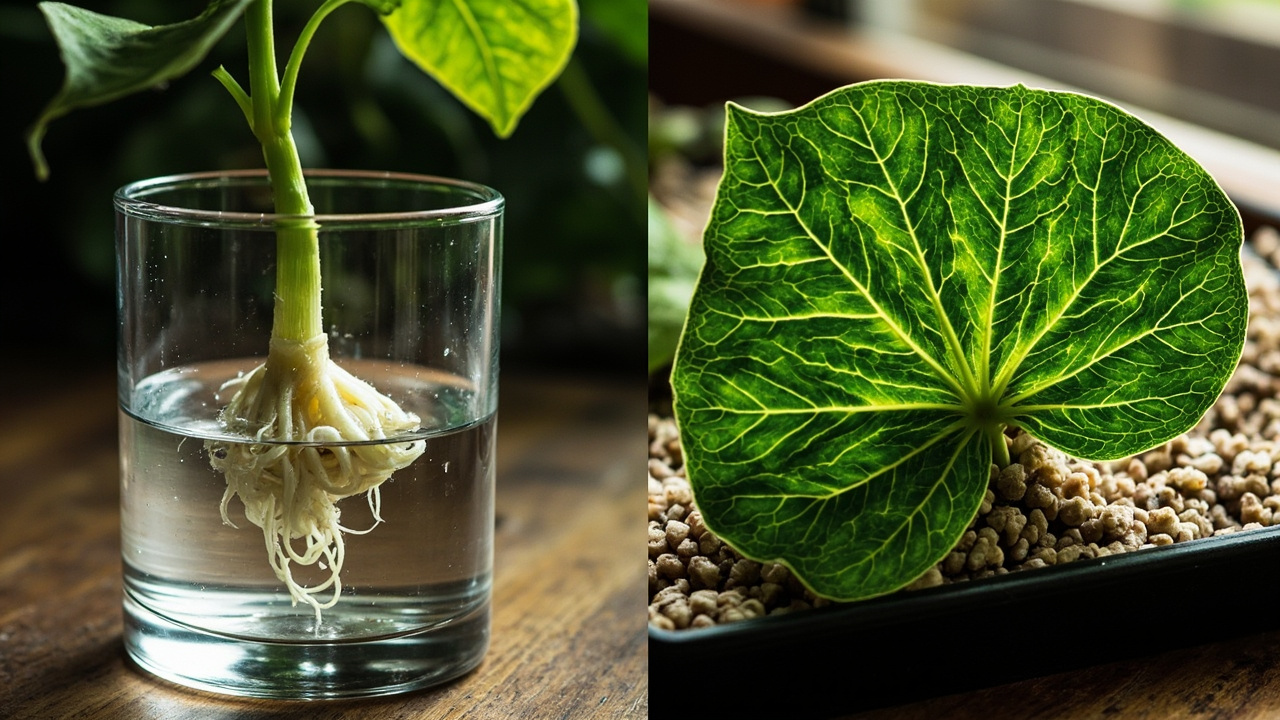
- Lift and clean the tuber. Gently remove the tuber from the pot. Brush off excess soil. Let it dry in a warm, airy spot for 2-3 days.
- Store in dry medium. Place the tuber in a paper bag, cardboard box, or mesh bag filled with dry peat moss, vermiculite, or perlite. Store in a dark, cool location at 45-55°F (7-13°C). Check monthly for shriveling or mold.
- Restart in early spring. Around March, move the tuber to a warm spot (65-70°F / 18-21°C) and plant it in moist potting mix, concave side up. New shoots should appear within 3-6 weeks.
The honest trade-off: dormant tubers can fail. If the storage area is too warm, the tuber may sprout prematurely and exhaust its energy. If it is too wet, the tuber rots. If it is too dry, the tuber shrivels. Check every 2-3 weeks and adjust — a little moisture if it is shrieking, more air circulation if you see any soft spots.
For rhizomatous begonias, full dormancy is optional. You can simply reduce watering, stop fertilizing, and let the plant rest at room temperature. It may drop a few leaves. That is normal. Resume normal care in spring.
Common Begonia Winter Problems: Yellow Leaves, Leaf Drop, and Rot
Three issues dominate winter begonia care. Here is how to diagnose and prevent each one.
Yellow leaves: A few yellowing leaves in winter is normal — the plant is shedding older foliage it cannot support in low light. If yellowing is widespread, the cause is usually overwatering. Check the soil. If it is wet and the pot feels heavy, stop watering until the top 2 inches are dry. If the yellow leaves are on the side facing the window, cold damage is the culprit — move the plant 6-12 inches back from the glass.
Leaf drop: Begonias drop leaves when they are stressed by sudden temperature changes, drafts, or a move to a new location. If you just brought your plant indoors for winter, expect some leaf drop in the first 1-2 weeks. It should stabilize. If leaf drop continues after 3 weeks, check for root rot — remove the plant from the pot and inspect the roots. Our begonia yellow leaves guide helps distinguish normal shedding from early warning signs.
Healthy roots are white or pale tan. Brown, mushy roots mean rot has started.
Root rot: The most common killer of winter begonias. Caused by overwatering in cool, low-light conditions. If you catch it early — a few brown roots, some wilting — remove the affected roots, repot in fresh, well-draining soil, and cut back watering. If most roots are gone and the stem is soft at the base, the plant may not survive. This is why prevention matters more than treatment: always let the soil dry between waterings, and never let pots sit in standing water.
Preparing for Spring: When to Wake Your Begonia Up
As days lengthen in late February and March, your begonia will start to wake up on its own. You will see new leaf buds forming on cane types, or small shoots emerging from rhizomes. This is your signal to gradually resume active care.
Increase watering slowly — do not go from once every two weeks to once every three days overnight. Add one extra day between waterings each week until you are back to your normal spring schedule. Resume fertilizing at half strength once you see active new growth, then move to full strength by mid-spring. See our fertilizer guide for the right dilution ratios for begonias.
If your begonia spent winter in a low-light spot, acclimate it to brighter conditions gradually. A week at 2-3 hours of direct morning light, then 4-5 hours, then its normal placement. Sudden exposure to strong spring sun on winter-weakened leaves causes scorching — pale, papery patches that never recover.
Winter is not the enemy of begonias. It is a rest period that, handled well, sets up stronger growth in spring. Identify your type, adjust your watering, and give your plant the light it needs. That is the entire formula.