
Most problems that develop in a growing medium trace back to one of three imbalances: too much water, too little oxygen, or accumulating salts. Root rot, algae, salt buildup, and compaction are not separate diseases with separate cures. They are symptoms of the same underlying conditions, and they often appear together. A waterlogged medium breeds root rot and algae at the same time it drives out the oxygen roots need, while evaporating water leaves salts behind that further stress the root zone. Reading these symptoms as connected signals rather than isolated failures is what separates a quick fix from a recurring problem.
This guide is written for growers working with soilless and hydroponic systems, from small tent setups to larger recirculating rigs, who want to diagnose what is actually going wrong in their medium instead of guessing. It draws on standard horticultural practice, university extension literature on root-zone management, and field experience with common media such as rockwool, coco coir, perlite, and expanded clay. If you are new to soilless growing, the hydroponics for beginners overview covers the basics before diving into troubleshooting.
Root Rot: Causes and Prevention
Early Signs
Root rot is the most common and destructive medium problem. It is not a single disease but a syndrome: roots suffocate in saturated, low-oxygen conditions, then opportunistic pathogens such as Pythium, Phytophthora, and Fusarium colonize the weakened tissue. The medium itself rarely causes rot on its own. Waterlogging does. When pore spaces fill with water and stay filled, root respiration stops, energy production collapses, and the root surface becomes an open invitation to microbes.
Prevention starts with drainage and oxygen. A medium must hold enough water for plant uptake between irrigations while still leaving air-filled pores after drainage. Root rot develops when air-filled porosity drops below ~10%, starving roots of oxygen; the same medium that was well-aerated at planting can become anaerobic as biofilm and compaction reduce pore space. That balance depends on particle size, container depth, and how often you water. Shallow containers and fine media hold water longer and drain more slowly. Overwatering on top of that is the fastest route to rot. Irrigate based on the medium’s dry-down, not on a fixed schedule, and make sure every container has unobstructed drainage.
Prevention Protocol
Sanitation matters as much as watering. Pythium spores move through water, tools, and reused containers. Sterilization of pots, net cups, and trays between cycles with a dilute bleach or peroxide solution removes inoculum. Do not sterilize living media with harsh chemicals, but do sterilize anything that touches it. Beneficial microbes can also help: Trichoderma and Bacillus species compete with pathogens and are widely used as root-zone drenches in commercial operations.
Temperature is the third lever. Pathogen activity accelerates above roughly 21 degrees Celsius in the root zone, while beneficial organisms and root metabolism perform well slightly cooler. Keeping nutrient solution and medium temperatures in the 18 to 20 degree range, with adequate oxygenation, dramatically reduces rot incidence even when other conditions are not perfect.
Algae Growth in Growing Medium
Algae is a visible warning sign that light and moisture are reaching a surface they should not. Green, brown, or black film on top of rockwool, coco, or perlite means the medium surface is staying wet and exposed. Algae itself does not usually kill plants directly, but it competes for nutrients, clogs drip emitters and wicks, and forms biofilm that further restricts oxygen exchange.
The fix is environmental, not chemical. Algae needs light, water, and nutrients, all of which are present in any hydroponic system. Remove any one and growth stops. Cover medium surfaces with opaque lids, black plastic, or a thin layer of inert top dressing such as perlite or clay pebbles. Reduce surface wetness by adjusting irrigation to avoid constant saturation of the top layer. In drip systems, route emitters beneath the surface where possible.
Where algae has already established, physical removal is more reliable than algicides. Scrape or rinse the affected surface, then address the light and moisture conditions. Hydrogen peroxide at low concentrations can suppress algae without harming roots, but repeated use disrupts beneficial biology. Avoid copper-based algaecides in food production and any system with fish or sensitive organisms.
Algae also signals something useful: it marks exactly where water is pooling. A patch of algae on one side of a container often reveals uneven drainage or a blocked outlet. Treat algae as a diagnostic tool, not just a nuisance.
Salt Buildup and EC Creep
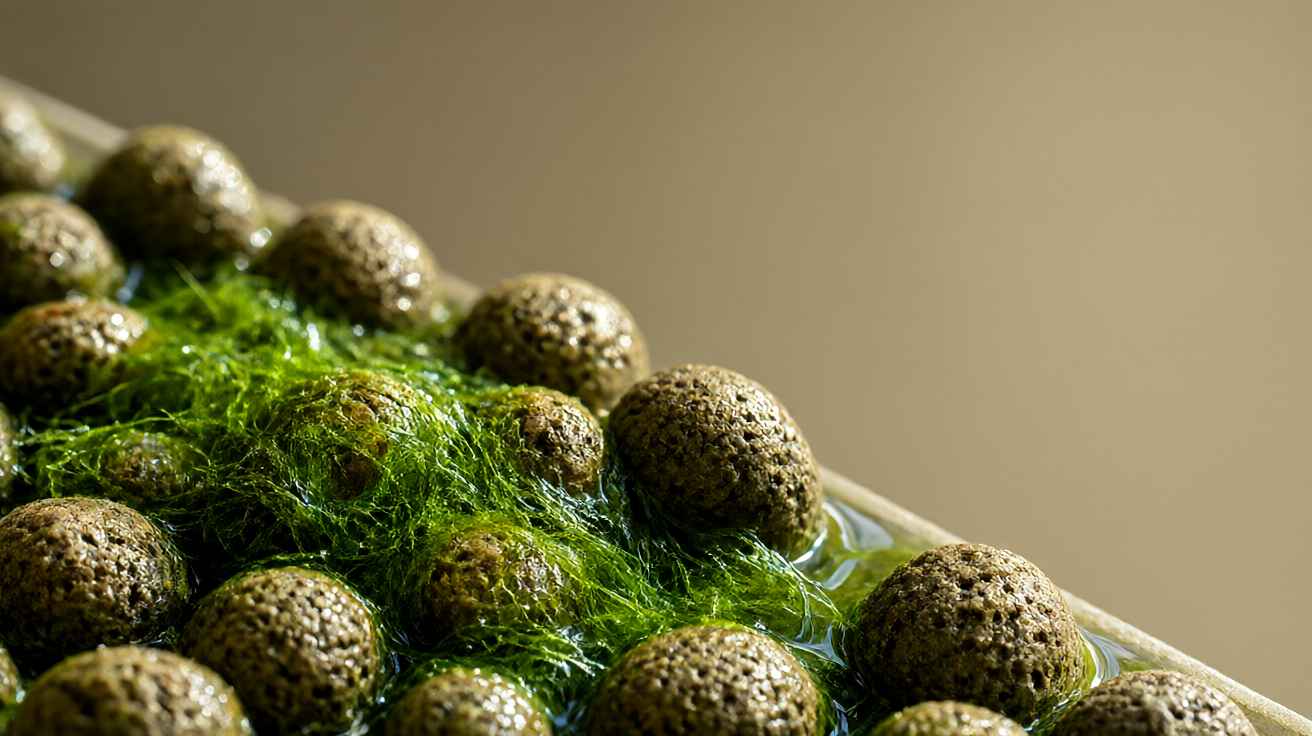
Salt buildup is the gradual accumulation of dissolved minerals in the medium as water evaporates or transpires and leaves salts behind. In recirculating systems it shows up as rising EC, or electrical conductivity, in the reservoir, a phenomenon called EC creep. In non-recirculating setups it shows up as white crust on medium surfaces, leaf-tip burn, and stunted growth even when the nutrient solution is correctly mixed.
The mechanism is simple evaporation physics. Plants take up water faster than they take up salts, and evaporation from surfaces leaves everything dissolved behind. Over time the concentration in the root zone climbs well above what the reservoir measures. Roots then face osmotic stress: they cannot absorb water against a higher salt concentration outside the root than inside it. The plant wilts despite wet medium, a confusing symptom that is often misread as underwatering.
Managing salts means flushing. Salt buildup becomes a problem when runoff EC exceeds 2.0 mS/cm; Flush until runoff EC is within 0.2 mS/cm of your input EC, or below 0.5 mS/cm absolute. Periodically irrigate with plain water or a dilute nutrient solution at two to three times the container volume to push accumulated salts out through drainage. In coco coir, which holds significant cation exchange capacity, flushing is especially important because the medium itself releases and reabsorbs ions. Monitor runoff EC against input EC. Runoff that reads much higher than input confirms buildup. When runoff stabilizes near input levels, the medium is clean.
Prevention is about water quality and irrigation strategy. Hard tap water adds calcium and magnesium that accumulate over cycles. Reverse osmosis or softened water reduces the load. Smaller, more frequent irrigations keep salt concentration steadier than infrequent heavy watering followed by long dry periods. Avoid letting containers fully dry, since drying concentrates salts at the root surface.
Compaction and Loss of Aeration
Compaction is the slow collapse of pore structure in a medium, and it is the quietest killer of the four. As organic media decompose, as fines wash downward, and as roots and microbes break down particles, the air-filled pores that roots depend on shrink. The medium becomes denser, holds more water, drains more slowly, and warms up. Compaction and waterlogging then reinforce each other.
The symptoms overlap with root rot because the cause overlaps: oxygen starvation. Plants in compacted medium grow slowly, show nutrient deficiencies that do not respond to feeding, and may develop soft, brown roots. The medium feels heavy and wet long after irrigation. In coco and peat-based media, compaction is nearly inevitable over multiple cycles. Compaction typically occurs after 3-5 grow cycles in fine media. In inert media such as perlite and clay pebbles, compaction is minimal but fines and debris can still clog pores.
Prevention is about structure. Mix media to maintain aeration: perlite or pumice blended into coco, or a coarse fraction retained in rockwool. Avoid over-compressing medium when filling containers. Water gently to avoid washing fines downward. In deep water culture and nutrient film technique, where medium is minimal, compaction is less of an issue, but biofilm can play the same role by coating surfaces and reducing oxygen transfer.
Once compacted, a medium rarely recovers. Fluffing or breaking up the top layer helps superficially but does not restore deep pore structure. This is the point where replacement becomes necessary rather than optional.
Diagnosing Medium Problems
Diagnosis should be systematic, not reactive. Start with the plant, then the medium, then the system. Wilting in a wet medium points to root damage or oxygen starvation, not thirst. Yellowing that does not respond to nutrients points to root dysfunction or pH lockout. Patchy growth across a bench often indicates uneven irrigation or drainage rather than a nutrient problem.
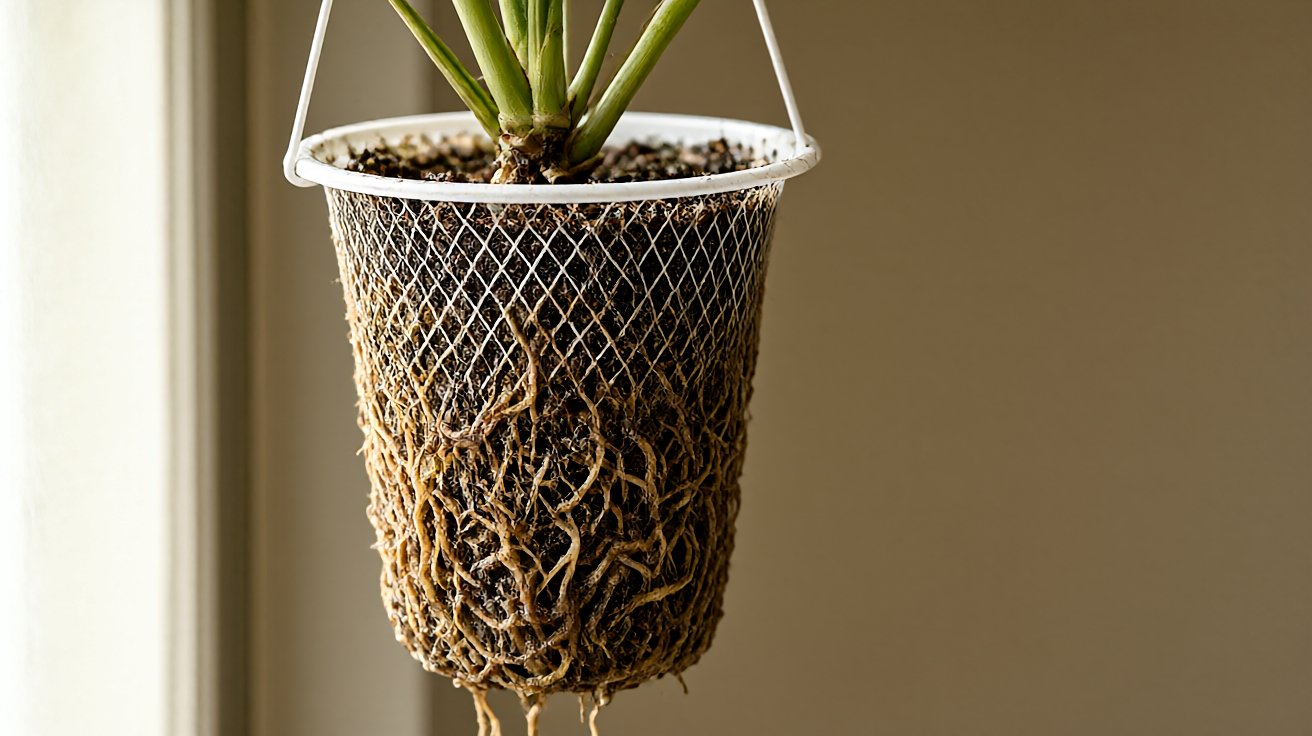
Physical inspection of the medium tells most of the story. Pull a plant and examine the roots. Healthy roots are white or cream, firm, and branching. Brown, slimy, or foul-smelling roots indicate rot. A sour or sulfurous odor from the medium points to anaerobic conditions. White crust on the surface indicates salt buildup. Green film indicates algae. A dense, heavy, waterlogged feel indicates compaction or overwatering.
Measure what you can. Runoff EC and pH reveal salt and pH status. Medium moisture can be checked with a simple probe or by weight. Temperature of the root zone is often overlooked and explains many summer failures. Understanding growing medium properties such as water retention, aeration, porosity, and CEC gives you the framework to interpret these measurements instead of treating each symptom in isolation.
Finally, rule out the system before blaming the medium. A clogged emitter, a failed pump, or a blocked drain can mimic every medium problem described here. Check flow, pressure, and drainage before replacing medium that may be fine.
Flushing and Recovery
When to Flush
Flushing is the primary recovery tool for salt buildup and can help with early root rot by restoring oxygen and diluting pathogens. The principle is to pass enough clean water through the medium to displace the old solution and any accumulated salts. Two to three container volumes is the standard target. Use water at the same temperature as the root zone to avoid cold shock, and ensure drainage is free so water actually exits rather than pooling.
Step-by-Step Flush
For salt recovery, plain water or a very dilute nutrient solution works. Some growers add a flushing agent, but water alone is effective when applied in sufficient volume. Monitor runoff EC until it approaches input EC. For early root rot, a hydrogen peroxide drench at low concentration can suppress pathogens while flushing dilutes them, followed by reintroduction of beneficial microbes.
Recovery has limits. Flushing cannot rebuild compacted pore structure, cannot remove established algae from deep within the medium, and cannot resurrect dead roots. It is a maintenance and early-intervention tool, not a cure for advanced problems. If you skip flushing, salts keep accumulating: runoff EC climbs, osmotic stress intensifies, leaf-tip burn and stunting worsen, and the eventual flush required grows larger and may not fully reverse root damage. After flushing, return to a balanced irrigation and nutrition program rather than repeating the conditions that caused the problem.
When to Replace vs Reuse
The decision between replacing and reusing medium depends on material, condition, and cost. Inert media such as clay pebbles, perlite, and rockwool can often be cleaned and reused several times if they have not compacted or become heavily colonized. Organic media such as coco coir and peat degrade faster and are usually replaced after one or two cycles, sometimes after a single crop if disease was present.
Reuse requires proper cleaning. Remove all root material, rinse thoroughly, and sterilize with heat or chemical treatment appropriate to the material. Clay pebbles in particular benefit from a soak in dilute acid or peroxide followed by thorough rinsing, because their porous structure traps salts and biofilm. For a detailed procedure, see how to clean and reuse clay pebbles.
Replace when any of the following apply: visible compaction or loss of structure, persistent root rot despite treatment, heavy salt crusting that does not flush out, or a disease outbreak you cannot confidently eliminate. The cost of medium is almost always lower than the cost of a lost crop. When in doubt, replace the affected containers and sterilize the rest of the system.
Medium Problems vs System Problems
Not every root-zone failure is a medium failure. Many symptoms blamed on medium originate in the system: pumps, timers, emitters, reservoirs, and environment. Learning to separate the two saves money and prevents repeating the same mistake.
System problems tend to be sudden and uniform. A pump failure starves an entire bench at once. A clogged filter reduces flow everywhere. A thermostat failure raises temperature across the room. Medium problems tend to be gradual and patchy: one container worse than another, one corner of a tray affected, decline over weeks rather than hours. Timing and pattern are your best diagnostic clues.
Common system culprits include insufficient oxygenation of nutrient solution, incorrect pH or EC in the reservoir, inadequate or excessive irrigation frequency, poor drainage design, and environmental extremes of temperature or humidity. Each of these produces medium-like symptoms: rot from warm, stagnant solution; salt buildup from high-EC feed; compaction from chronic overwatering driven by a mistimed timer.
When troubleshooting, verify system parameters first: pH, EC, temperature, flow rate, and drainage. Then inspect the medium. This order prevents unnecessary medium replacement and points you toward the real fix. For help choosing media that resist these problems from the start, compare hydroponic growing media across water retention, aeration, and reuse characteristics.
Review date: 2026-11-03. Sources: university extension publications on soilless and hydroponic root-zone management; commercial grower guidelines on irrigation, nutrition, and sanitation; standard horticultural references on Pythium and root disease management.
Last reviewed on 3 November 2026. Updated as new evidence and extension guidance are checked.
Sources and further reading
The claims in this guide come from extension services, plant science references, and horticultural practice.
Oklahoma State University Extension , Soilless growing media.
University of Minnesota Extension , Hydroponic growing media.
Premier Tech Horticulture , Hydroponic growing media guide.
Turn any PDF statement into a clean sheet
Skip the typos and the hours of copying. Our converter handles any bank statement format and outputs Excel, CSV, or QBO for QuickBooks. No file retention, free to try.
Convert your statement