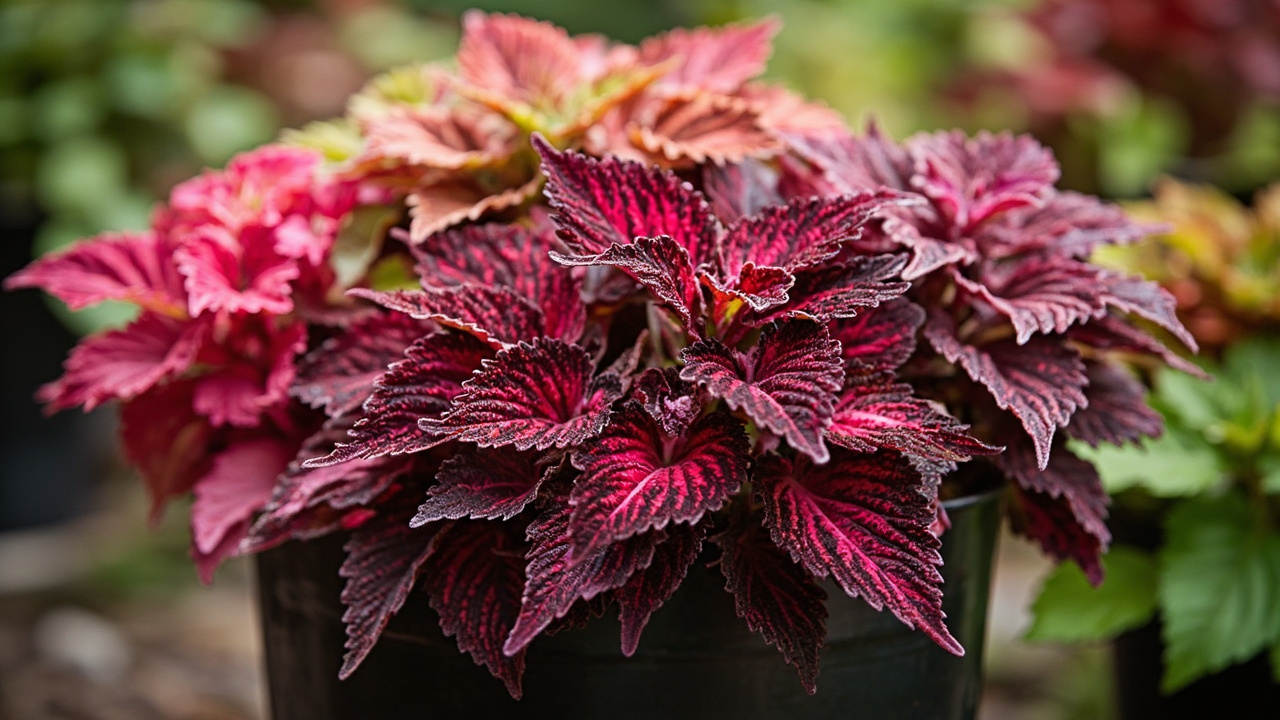

Coleus (Plectranthus scutellarioides) is famous for its vivid foliage, but yellow leaves are the plant’s most common complaint. Before you reach for fertilizer or repotting soil, diagnose the cause correctly. Five specific conditions produce yellow coleus leaves, and each requires a different fix. Getting the diagnosis wrong is the fastest way to make a recoverable problem fatal.
Why Coleus Leaves Turn Yellow: The Five Root Causes
Coleus (Plectranthus scutellarioides, formerly Solenostemon) signals distress through its leaves faster than almost any other common houseplant. The vivid pigments that make coleus desirable also make problems impossible to ignore. When a leaf loses its colour and turns yellow, the plant is communicating one of five specific messages: natural aging, overwatering, underwatering, nutrient deficiency, or pest damage. Correctly identifying which message is being sent determines whether you need to do nothing, adjust your watering, add fertilizer, or treat for insects.
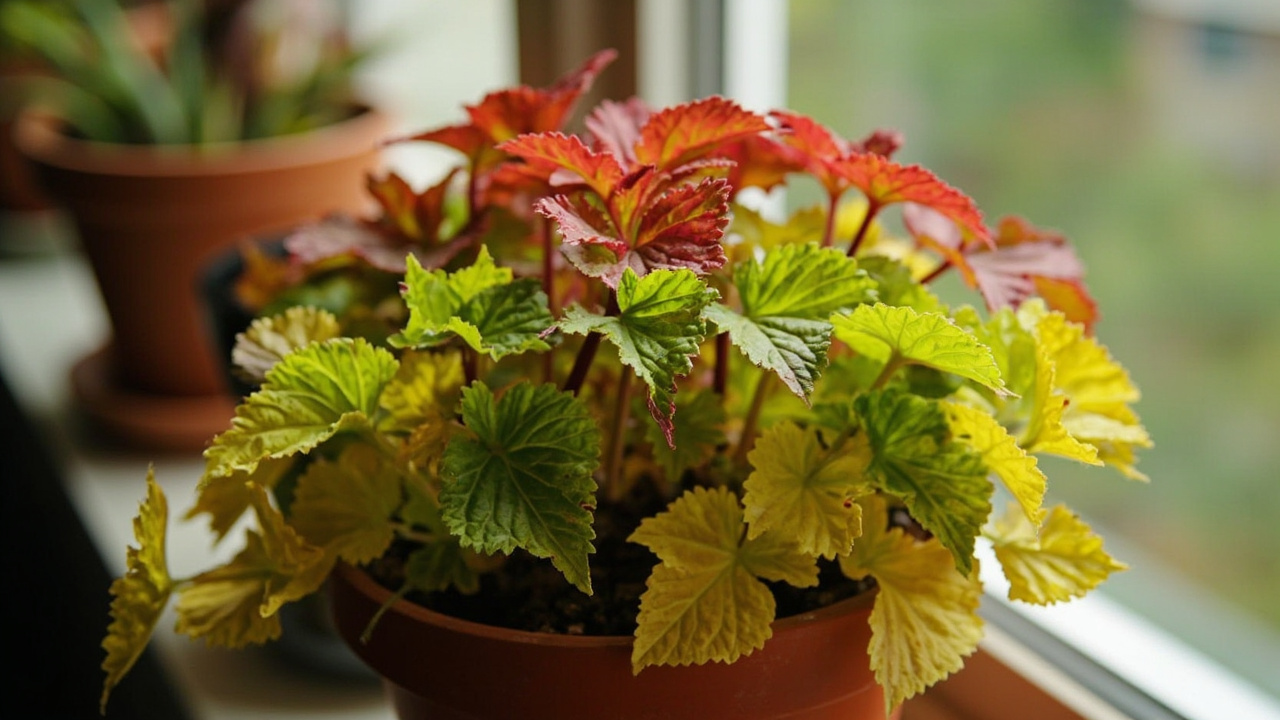
The diagnostic key is pattern. Yellowing from natural aging starts at the bottom of the plant and moves upward slowly, one or two leaves at a time. Overwatering yellowing appears on older leaves first but is accompanied by wilting and soft, mushy stems. Underwatering yellowing affects the entire plant unevenly, with leaves curling inward as they turn yellow. Nutrient deficiency yellowing creates a specific pattern where the veins stay green but the tissue between them fades to pale yellow. Pest damage yellowing shows tiny stippling dots or webbing on the underside of leaves before the yellowing becomes widespread.
Before you change anything about your care routine, spend two minutes examining the pattern. The answer is usually visible if you know where to look. Rushing to repot, rewater, or refertilize without diagnosing first is the most common mistake coleus owners make, and it often makes an already-stressed plant worse.
Cause One: Natural Leaf Senescence
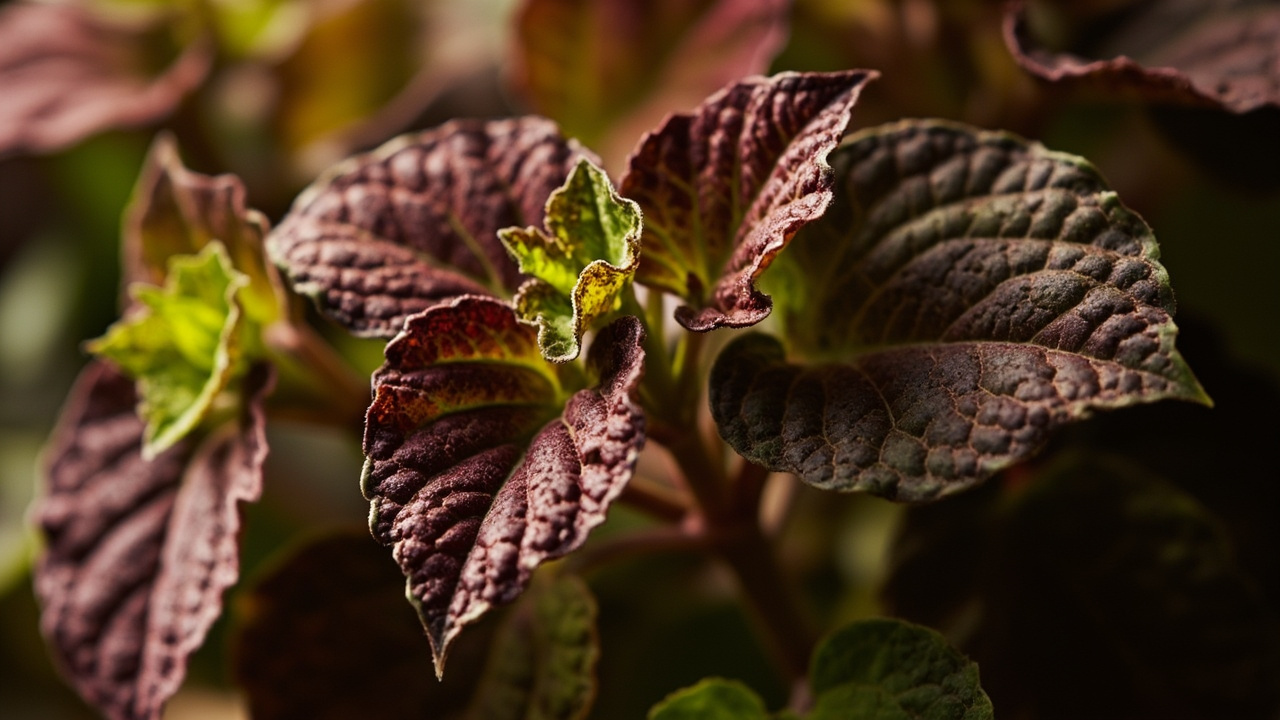
Natural leaf senescence is the simplest and least worrying cause of yellow coleus leaves. As a coleus leaf ages, the chlorophyll pigment that gives it green colour breaks down progressively. The breakdown reveals underlying pigments that were always present but masked by the dominant green: carotenoids produce yellow tones, and in some cultivars anthocyanins produce red and purple tones. This is the same biochemical process that turns maple leaves yellow and orange in autumn.
Natural yellowing follows a predictable pattern. It begins on the lowest, oldest leaves first, precisely because those leaves are the oldest and have been photosynthesizing the longest. The yellowing spreads slowly upward, one leaf at a time, over weeks rather than days. The leaf attached to the yellowing petiole remains firm and turgid until the very end. The plant is not dying. It is recycling nutrients from the old leaf into new growth at the stem tip.
The diagnostic test for natural senescence is straightforward. Count the yellow leaves. If there are one to three yellow leaves on a plant with ten or more healthy green leaves, and those yellow leaves are at the bottom of the plant, this is normal aging. Remove the yellow leaves by pinching them off at the stem. Do not pull them, as pulling can damage the stem tissue and create an entry point for pathogens. Leave the rest of the plant alone. No change to watering, light, or fertilizer is needed.
However, if more than five leaves turn yellow simultaneously, or if the yellowing progresses faster than one leaf per week, natural aging is not the cause. Escalate your diagnosis to the four remaining causes listed below.
Cause Two: Overwatering and Root Rot
Overwatering is the number one killer of coleus, and yellow leaves are the first visible symptom. Coleus has shallow, fine roots that absorb water quickly but also suffocate easily when the soil stays wet for extended periods. When roots cannot access oxygen, they begin to die. Dead roots cannot absorb water or nutrients, so the plant experiences a paradoxical drought even though the soil is wet. The leaves yellow, soften, and drop.
The diagnostic pattern for overwatering yellowing is distinctive. The affected leaves are older leaves near the base of the plant, not the newest growth at the tip. The yellowing progresses from the leaf margin inward, starting as a pale lime-green translucency before turning fully yellow. The leaves feel soft and limp, not dry and crispy. The soil surface may have a faint algae bloom or a slight musty odour. The stem at the soil line may feel slightly soft to gentle pressure.
Soil moisture is the definitive diagnostic tool. Push your finger 3 to 4 centimetres into the soil. If the soil is wet, soggy, or cool to the touch at that depth, overwatering is the likely cause. If the soil is dry at that depth but the leaves are still yellow and limp, you are dealing with a different problem.
The fix for overwatering depends on severity. If the yellowing is recent and the soil is only moderately damp, allow the top third of the soil to dry completely before watering again. Reduce watering frequency by half and ensure the pot has drainage holes. If the soil is waterlogged and the stem base is soft, repot immediately into fresh, dry soilless mix. Trim away any black, mushy roots with clean scissors. Repot in a slightly smaller pot to reduce soil volume and moisture retention. Water lightly after repotting and keep the plant in bright indirect light until new growth appears, which typically takes 10 to 14 days.
For growers who want to prevent overwatering entirely, the coleus care guide covers the full watering rhythm including the top-inch test, seasonal adjustments, and the difference between indoor and outdoor watering needs.
Cause Three: Underwatering and Water Deficit
Underwatering produces yellow leaves that look nothing like overwatering yellow leaves, which is why misdiagnosis is so common. When a coleus is chronically underwatered, the plant sheds its oldest leaves first to conserve water for the growing tip. These leaves turn yellow gradually, starting at the margins and moving toward the centre. Unlike overwatering yellowing, underwatered leaves feel dry and papery, not soft and limp. The soil pulls away from the pot edges and feels dry several centimetres below the surface.
The diagnostic pattern for underwatering includes three signals that together confirm the diagnosis. First, the soil is dry to the touch and pulls away from the pot rim. Second, the yellow leaves are dry and crisp, not soft. Third, other leaves on the same plant may show marginal browning or slight curling, indicating the plant is conserving water by reducing leaf surface area. If all three signals are present, underwatering is the cause.
The fix is immediate and straightforward. Water the plant thoroughly until water flows freely from the drainage holes. If the soil has pulled away from the pot edges, bottom-water the pot by placing it in a tray of water for 20 to 30 minutes. The dry soil will wick water upward from the drainage holes, rehydrating the entire root zone evenly. Top watering dry soil can cause water to run through the gap between soil and pot without actually wetting the root ball.
After rewatering, the remaining green leaves should firm up within 6 to 12 hours. New yellow leaves will not recover, but no new yellowing should appear within 48 hours of proper rewatering. If yellowing continues after rewatering, the cause is not underwatering and you should investigate the remaining causes.
Cause Four: Nutrient Deficiency and Chlorosis
Nutrient deficiency in coleus produces a very specific type of yellowing called chlorosis, where the leaf tissue between the veins turns yellow while the veins themselves remain green. This vein-retention pattern is the single most reliable diagnostic signal for nutrient deficiency. It occurs because the plant is mobilizing mobile nutrients like nitrogen and magnesium from older leaves to support new growth, leaving the older leaves pale and yellow while the veins, which contain the structural proteins, retain their green colour longer.
The two most common nutrient deficiencies in indoor coleus are nitrogen deficiency and iron deficiency. Nitrogen deficiency affects the entire plant uniformly, with older leaves turning pale green to yellow first. Iron deficiency produces a sharper contrast: the veins stay deep green while the tissue between them turns bright yellow, creating a striking lace-like pattern. Iron deficiency is more common in coleus grown in alkaline soil or tap water with high pH, as iron becomes less available to the roots at pH above 6.5.
The diagnostic test for nutrient deficiency is a combination of leaf pattern and soil history. If the yellowing shows vein retention and the plant has not been fertilized in more than 4 weeks during the growing season, nutrient deficiency is likely. Check the soil pH if you have a test kit. Soil above pH 6.5 locks up iron. Soil below pH 5.0 locks up phosphorus and micronutrients.
The fix is to resume balanced fertilization. Use a liquid houseplant fertilizer diluted to half strength, applied every 2 weeks during the growing season (spring through early autumn). For iron deficiency specifically, switch to a chelated iron supplement or use rainwater instead of tap water to lower the pH slightly. The coleus care guide covers the full feeding schedule including seasonal frequency and the balance between growth and colour retention.
Cause Five: Pest Damage and Insect Feeding
Pest damage is the least common but most easily missed cause of yellow coleus leaves. The two pests most likely to affect indoor coleus are aphids and spider mites. Both feed on plant sap, extracting the chlorophyll-rich fluid from individual cells. The damaged cells lose their green pigment and turn yellow, creating a stippled or speckled appearance that eventually coalesces into larger yellow patches.
Aphid damage appears as clusters of tiny yellow spots, usually on the underside of leaves and along the stem nodes where the insects congregate. The spots are irregular in shape and size. Underneath the yellow spots, you may see tiny green, black, or pink insects, or a sticky residue called honeydew. Honeydew attracts sooty mould, a black fungal growth that coats the leaves and further reduces photosynthesis.
Spider mite damage looks different. For a similar diagnostic approach on another foliage plant, see the croton leaves turning brown guide, which covers the same four-signal diagnostic method adapted for codiaeum variegatum. Mites are microscopic, so you will not see the insects themselves without magnification. Instead, you see fine silken webbing on the undersides of leaves and between leaf stems. The yellowing appears as tiny pale dots that multiply until the entire leaf turns a mottled yellow-grey. Severely infested leaves may drop prematurely, leaving the stem bare from the bottom up.
The diagnostic test for pest damage is a leaf inspection. Turn over the yellowing leaves and examine the undersides with a magnifying glass or your phone camera zoom. Look for moving dots (aphids), fine webbing (spider mites), or sticky residue (honeydew). If you find any of these, pest damage is confirmed.
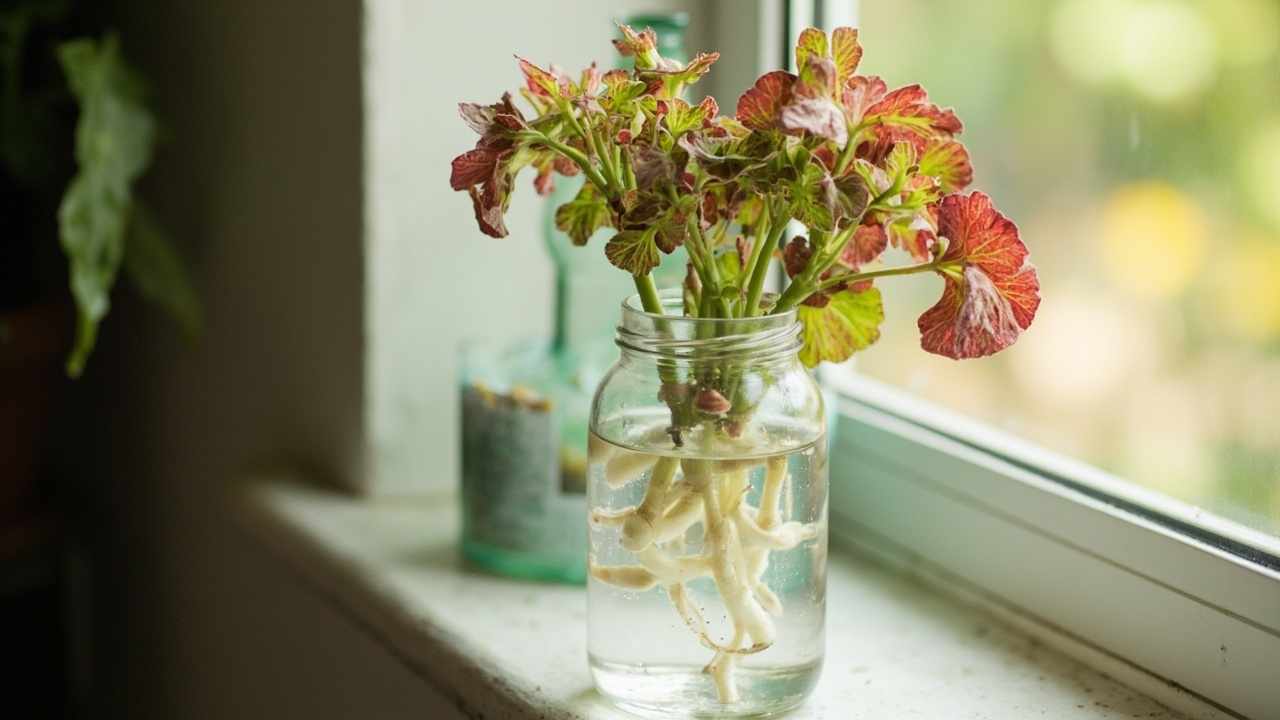
The fix depends on the pest. Aphids respond to a strong stream of water from the garden hose or a spray bottle, which dislodges them from the leaf surface. Follow up with an insecticidal soap spray applied to the undersides of leaves, repeating every 5 to 7 days for three applications. Spider mites require a miticide or neem oil spray applied to the entire plant, covering both leaf surfaces and the stem. Repeat every 5 days for two weeks, as miticides kill active mites but not eggs. For propagation-safe pest management, sterilize your cutting tools between plants to prevent spreading infestations. Learn more about coleus propagation techniques and how to keep your plants healthy during the rooting process. The eggs hatch after the first application, so the second application kills the newly hatched nymphs before they reproduce.
Diagnostic Decision Tree
When your coleus leaves turn yellow, follow this decision sequence to identify the cause quickly:
Step 1: Check the soil moisture. Insert your finger 3 to 4 centimetres into the soil. If the soil is wet or soggy, the cause is overwatering. If the soil is dry, proceed to Step 2. If the soil is merely damp but the yellowing is severe, check for pests before assuming underwatering.
Step 2: Check the leaf texture. Pick up a yellow leaf. Is it soft and limp? That indicates overwatering or root rot. Is it dry and papery? That indicates underwatering. Is it firm but pale with green veins? That indicates nutrient deficiency. Proceed to Step 3 if the texture is ambiguous.
Step 3: Check the yellowing pattern. Are the yellow leaves only at the bottom of the plant, one or two at a time? That is natural senescence, and no action is needed beyond removing the yellow leaves. Are the yellow spots stippled or speckled across multiple leaves? Check the undersides for pests. Is the yellowing uniform across the whole plant with green veins? Suspect nutrient deficiency.
Step 4: Confirm with a timeline. Did the yellowing start suddenly after a change in environment, such as moving the plant or a temperature drop? That points to stress-induced yellowing, which resolves on its own within 7 to 10 days. Did the yellowing start gradually over 2 to 3 weeks? That points to a chronic issue like overwatering or nutrient deficiency.
Once you have identified the cause, address it directly. Do not treat for pests when the problem is overwatering. Do not repot when the problem is nutrient deficiency. Each cause has a specific remedy, and applying the wrong remedy wastes time and may introduce new stress.
What Not to Do When Coleus Leaves Turn Yellow
The most common wrong responses to yellow coleus leaves are worth listing explicitly because they are so frequent. First, do not overwater in response to yellowing without checking the soil first. Many beginners see yellow leaves and assume the plant is thirsty, so they water more. If the actual cause is overwatering, additional water accelerates root rot and kills the plant faster. Always check soil moisture before adding water.
Second, do not repot a yellowing plant into the same soil. Repotting into identical potting mix replicates the conditions that caused the problem in the first place. If overwatering caused the yellowing, repot into fresh, well-draining soilless mix. If nutrient deficiency caused the yellowing, repot into fresh mix amended with slow-release fertilizer. Repotting without changing the medium is surgery without treatment.
Third, do not fertilize a yellowing plant that is also overwatered. Fertilizer salts accumulate in wet soil and increase osmotic pressure around the roots, making it harder for damaged roots to absorb water. This is called fertilizer burn, and it compounds the existing overwatering stress. Only fertilize when the soil is properly moist and the roots are healthy.
Fourth, do not prune more than one third of the plant at once. A severely yellowing coleus may look like it needs a hard cutback, but removing too much foliage at once shocks the plant further. Remove only the fully yellow leaves and any stems that are clearly dead or diseased. The remaining green leaves will continue photosynthesis and support recovery.
For a comprehensive overview of all coleus care topics including light requirements, watering schedules, soil preferences, and feeding routines, refer back to the coleus care guide. It covers the full spectrum of care decisions that prevent yellowing before it starts.
From Bank Statement to QuickBooks-Ready File
That manual cleanup you just read about? This tool skips it. Turn your PDF into QBO for QuickBooks without storing your data anywhere.
Start Converting