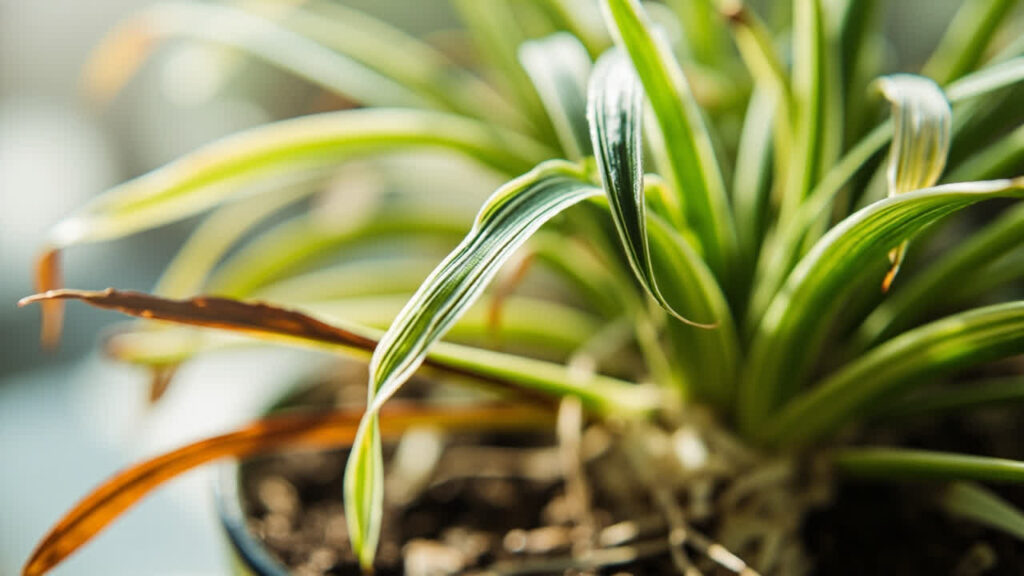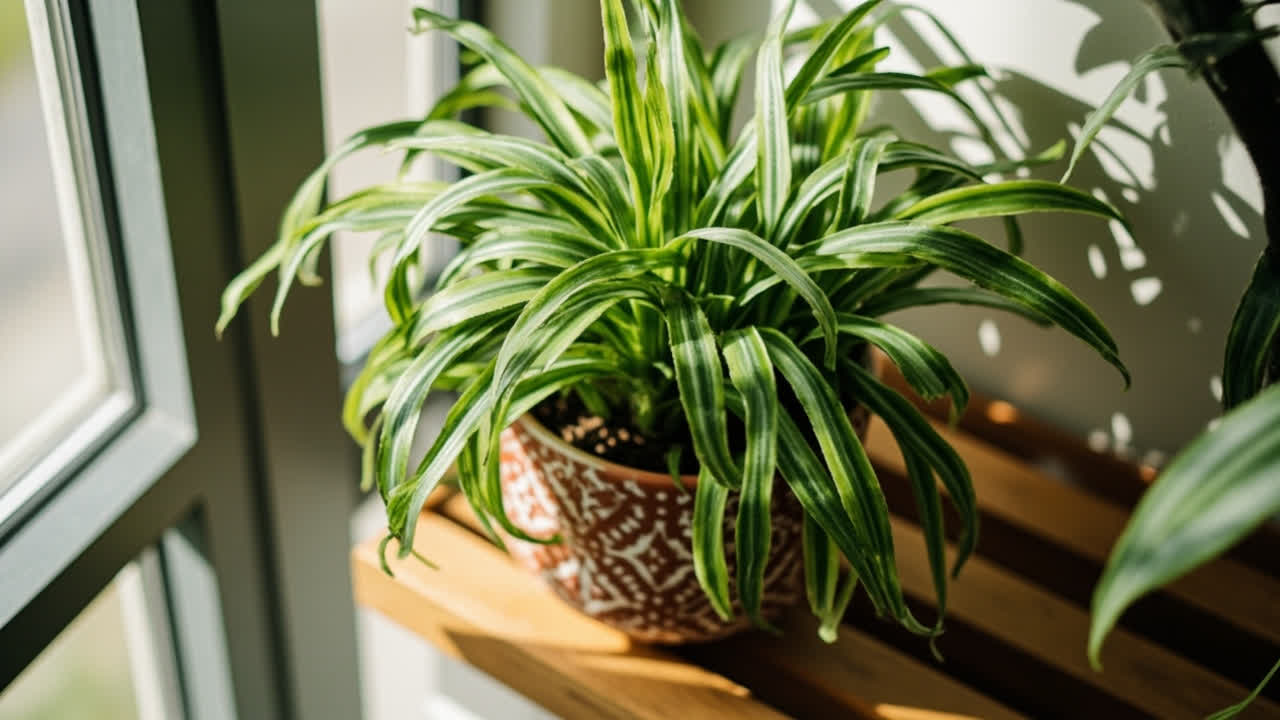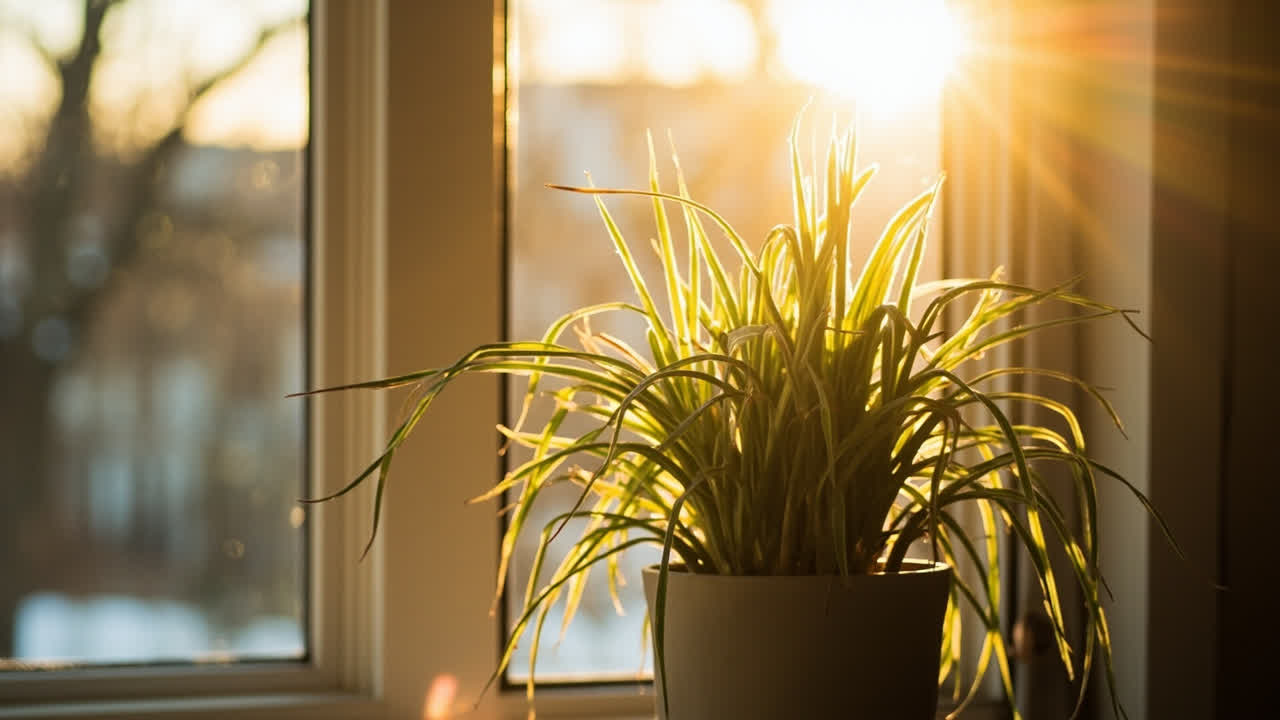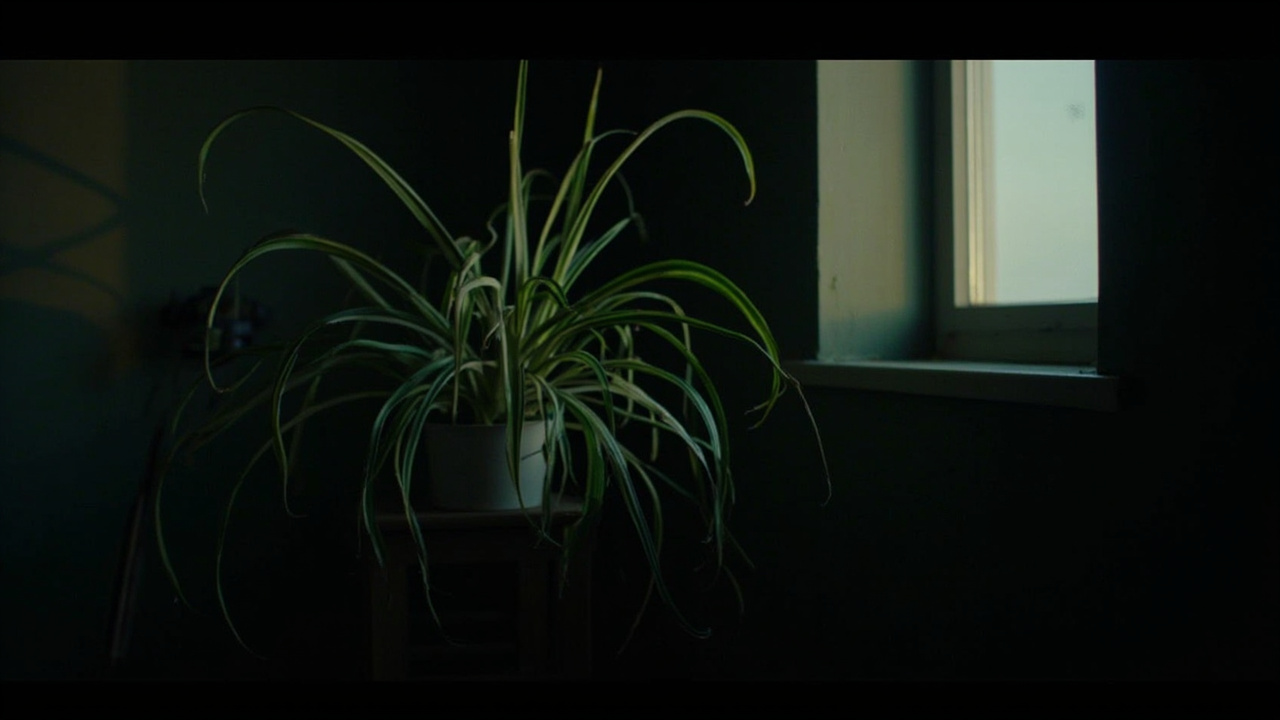

Spider plants (Chlorophytum comosum) adapt to low light conditions but do not thrive there. The species originates from warm, shaded forests in South Africa where dappled sunlight filters through canopy layers. This evolutionary background gives spider plants genuine tolerance for indirect light, but tolerance differs from preference. A spider plant in low light survives by slowing its growth rate and reducing leaf production. It does not die quickly, but it also does not produce the cascading foliage and abundant spiderettes that define healthy specimens in proper conditions.
The critical threshold for spider plant survival sits around 100 to 150 foot-candles of light. Most north-facing windows in temperate climates deliver 50 to 100 foot-candles during winter months. South-facing windows without direct sun deliver 200 to 400 foot-candles year-round. East-facing windows provide moderate morning light that spider plants handle well. West-facing windows receive intense afternoon sun that can scorch leaves but still delivers adequate intensity for growth.
Variegated spider plants require more light than solid green cultivars. The white or cream streaks in Variegatum and Bonnie varieties contain no chlorophyll, reducing the leaf surface available for photosynthesis. A solid green spider plant might survive at 100 foot-candles, while a heavily variegated specimen needs 150 to 200 foot-candles to maintain health. This difference matters significantly when placing plants near windows with marginal light levels.
Signs Your Spider Plant Needs More Light
Leaf color fade signals insufficient light most clearly. Variegated leaves lose their white streaks and turn uniformly green as the plant produces extra chlorophyll to maximize photosynthesis. This adaptation helps survival but reduces visual appeal. Dark green leaves in a variegated cultivar indicate the plant is prioritizing function over form. For guidance on selecting variegated varieties when buying, see our spider plant buying guide.
Growth slowdown is the second reliable indicator. Healthy spider plants in adequate light produce new leaves every four to six weeks during spring and summer. In low light, this interval extends to eight to twelve weeks or longer. New leaves may also emerge smaller than usual, with shorter petioles and narrower blades. The plant conserves energy by reducing growth rate rather than stopping entirely.
Leggy growth with extended stem internodes shows the plant stretching toward available light. Stems elongate between leaf attachment points, creating sparse foliage distribution. This etiolation response sacrifices compact form for light acquisition. Plants in very low light may lean dramatically toward the nearest window, bending their entire structure over time. See our comprehensive care guide for detailed light management strategies.
Absence of spiderette production confirms chronic light deficiency. Spider plants propagate by sending out stolons that bear baby plantlets. This reproductive effort requires substantial energy reserves. Plants struggling for light redirect energy toward basic survival rather than reproduction. A mature spider plant that has never produced offsets likely receives insufficient light, regardless of other appearance factors. Learn propagation techniques once light conditions improve.
Measuring Light Levels in Your Space
Smartphone light meter apps provide reasonable estimates for home use. Download a lux meter application and hold your phone at plant height facing the ceiling or window. Most apps display readings in lux or foot-candles. Spider plants need at least 1000 lux (approximately 100 foot-candles) for survival and 2500 lux (250 foot-candles) for comfortable growth. North-facing windows typically measure 500 to 1500 lux depending on season and latitude.
Shadow testing offers a quick no-tool alternative. Stand at your plant location at midday with the sun behind you. Sharp, well-defined shadows indicate strong light suitable for spider plants. Soft, diffuse shadows with no clear edges suggest marginal light. No visible shadow means the location lacks sufficient light for healthy spider plant growth.
Seasonal light variation affects placement decisions significantly. Winter sun sits lower in the sky, reducing light intensity by 30 to 50 percent compared to summer. A window position that supports spider plants in June may starve them by December. Plants near south-facing windows lose less seasonal variation than those near east or north windows. Track light conditions seasonally if your space experiences dramatic seasonal changes.
Three Options for Low-Light Spider Plants
Relocate the plant to a brighter window whenever possible. Even modest improvements matter. Moving a spider plant from a dark corner to an east-facing windowsill can double available light and transform growth patterns within weeks. If no bright window exists, consider whether the plant can share space with a brighter-location houseplant during growing seasons. Rotate the spider plant quarterly so all sides receive equal light exposure during brief bright periods.
Install a full-spectrum LED grow light positioned 12 to 18 inches above the foliage. Run the light for 10 to 12 hours daily using a timer. Full-spectrum bulbs mimic natural sunlight and support photosynthesis more effectively than warm-white or cool-white alternatives. A modest 15 to 30 watt LED panel costs $15 to $40 and delivers sufficient photon density for spider plants. Position the light so the bottom of the lowest leaves receives direct illumination without touching the bulb surface.
Accept reduced vigor and adjust expectations accordingly. If relocation and grow lights are impossible, the spider plant can survive for months or years in low light with minimal care. Water less frequently since low light reduces transpiration. Fertilize sparingly or not at all since slow growth demands fewer nutrients. Expect occasional leaf yellowing and minimal new growth. The plant becomes a long-term resident rather than a rapidly spreading showcase specimen.

What Low Light Does Not Do
Low light does not cause root rot directly. Root rot results from overwatering combined with poor drainage, not from insufficient photons. However, low-light plants dry more slowly between waterings, creating conditions where overwatering becomes easier. Adjust watering frequency to match reduced transpiration rates. Check soil moisture before watering and only water when the top inch feels dry.
Low light does not make spider plants toxic to pets. Chlorophytum comosum remains non-toxic to cats and dogs regardless of light conditions. The American Society for the Prevention of Cruelty to Animals classifies spider plants as safe for household pets. Light level affects growth vigor, not toxicity profiles.
Low light does not kill spider plants immediately. These plants possess remarkable resilience and can endure months of suboptimal conditions. The gradual decline timeline often fools owners into thinking the plant is fine until sudden collapse occurs from compounded stress factors. Regular monitoring prevents surprise failures.
Seasonal Care Adjustments
Winter demands different strategies than summer. Reduce watering by 25 to 50 percent during shorter days when light levels drop naturally. Overwatering in winter low light causes more damage than underwatering. Allow the growing medium to dry further between waterings than you would during active spring and summer growth.
Spring signals increased light and warming temperatures. Gradually increase watering as new growth emerges. This is the optimal time to relocate spider plants outdoors to dappled shade if your climate permits. Outdoor partial shade often provides superior light quality compared to indoor windows during summer months. Bring plants back indoors before nighttime temperatures drop below 13°C (55°F).
Fall transition requires attention to declining light. As days shorten, monitor plants closely for leggy growth or color fade. These signs indicate the growing season is ending and the plant is entering dormancy preparation. Reduce fertilization completely by late fall. Resume minimal feeding only when new growth appears in late winter or early spring.
When to Replace vs Rescue
Consider replacement when a spider plant shows three or more severe decline signs simultaneously: extensive yellowing affecting more than half the leaves, stem collapse at the soil line, visible root rot with black mushy roots, and complete absence of new growth for six months despite adjusted care. These combined symptoms suggest the plant has passed the recovery threshold.
Rescue efforts work best when decline signs remain mild to moderate. Yellowing tips, slight leggy growth, or occasional leaf drop respond well to light improvement and watering adjustment. New leaf production within four to six weeks of intervention confirms recovery is underway. Take cuttings from recovering plants to propagate new specimens while the parent recovers.
The Reality Check on Low-Light Spider Plants
Spider plants tolerate low light but perform best in bright indirect conditions. If your space offers only poor light, manage expectations and adjust care accordingly. Measure light levels honestly, choose an option from the three paths described, and monitor your plant monthly for decline signs. The species rewards attentive care with vigorous growth and abundant offspring. It punishes neglect with gradual decline that accelerates once symptoms become visible.
Most home growers achieve success by placing spider plants near east or south-facing windows with filtered light. When that option exists, low-light strategies become unnecessary. Reserve grow lights and acceptance protocols for spaces where window light simply cannot support the plant. The spider plant earns its reputation as an easy houseplant when given conditions matching its evolutionary origins. Even modest light levels can sustain healthy growth if watering and fertilization are carefully adjusted to match reduced photosynthetic capacity throughout the year.
Turn any PDF statement into a clean sheet
Skip the typos and the hours of copying. Our converter handles any bank statement format and outputs Excel, CSV, or QBO for QuickBooks. No file retention, free to try.
Convert your statement