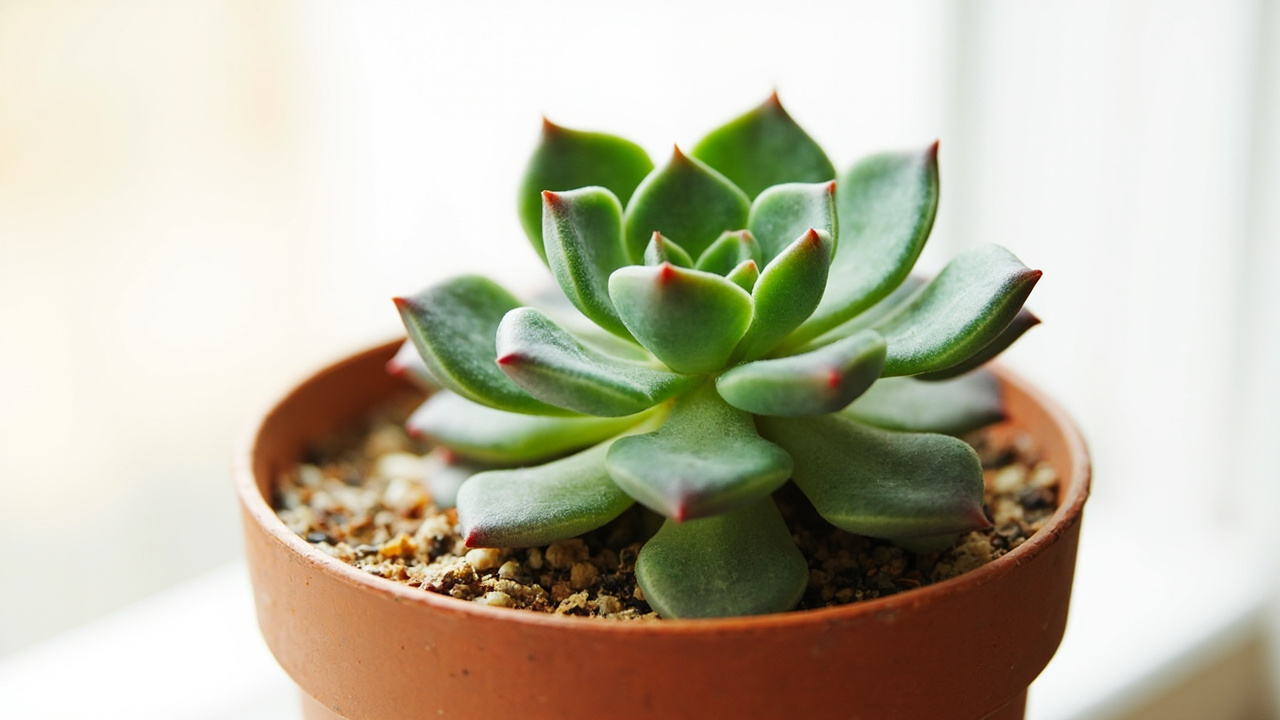
Haworthia is sold as the indestructible succulent. The garden center label promises something a child could keep alive. Six months later, the rosette has collapsed into a translucent mush and the owner is convinced they cannot grow anything.
The plant is not indestructible. It is different-care.
But once you learn the six variables that drive its routine — light, water, soil, temperature, pot, and season — Haworthia becomes one of the most rewarding indoor succulents in the collection. The rosettes stay small, the leaves develop translucent windows that catch the afternoon light, and the offsets double in number each year.
Compare the compact Haworthia rosette with its larger relative in our Haworthia vs Aloe Vera comparison guide to confirm which plant you own and how to care for each one correctly.
This guide covers the six essential care areas in order of failure frequency: what a Haworthia is, the six variables that drive its routine, the six varieties you will find for sale, the soak-and-dry rule and when it breaks, the four diagnostic patterns, and the 6-month owner path.
What Is Haworthia: A Rosette Succulent Built for Survival, Not Decoration
Haworthia is a genus of small, rosette-forming succulents native to South Africa, where most species grow in semi-arid scrub under tall grasses or tucked into rock crevices. There are roughly 60 accepted species and several hundred named varieties, but the indoor market concentrates on about six of them.
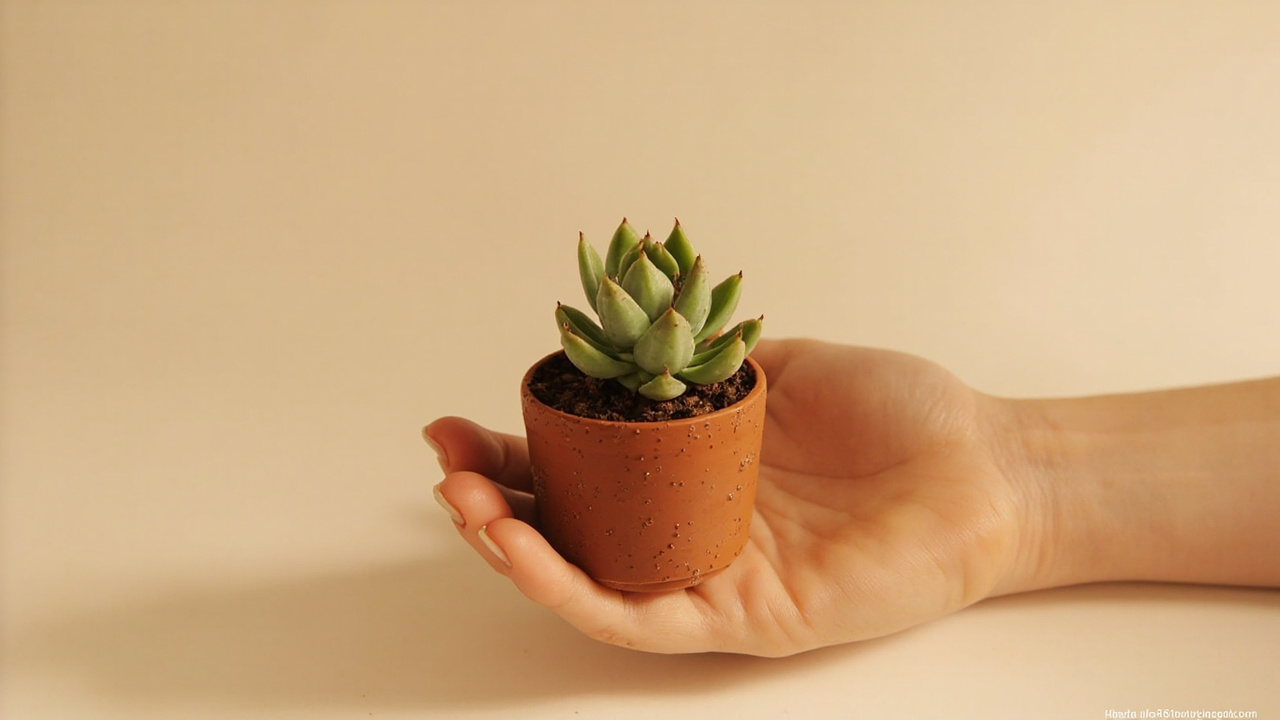
The plant belongs to the Asphodelaceae family — the same family as Aloe vera — but grows from a much smaller, more compact base. A mature Haworthia rarely exceeds 15 cm (6 in) across.
What makes Haworthia different from other succulents is the leaf window. Many species, including Haworthia cooperi, grow translucent panels at the leaf tips.
In the wild, these windows sit just below the soil surface and let light reach the buried photosynthetic tissue. Indoors, the windows are the visible feature that makes collectors stop and look.
The plant is built for survival rather than decoration. It stores water in thick, fleshy leaves arranged in a tight rosette. It offsets freely from the base, producing pups that share the root system until you divide them.
It tolerates low light better than most succulents because the leaf windows evolved to capture filtered light under grass.
However, these traits create four care traps that kill most purchased plants. The first trap is the assumption that “succulent” means “low water.” Haworthia does need less water than a tropical houseplant, but its roots are thinner than aloe roots and they rot quickly in saturated soil.
The second trap is treating it as a sun-lover: in its native range, Haworthia grows in dappled shade under taller plants, and full afternoon sun bleaches the leaves. The third trap is the mineral mix — standard potting compost holds too much water for a plant whose roots evolved in rocky crevices. The fourth trap is dormancy: Haworthia slows growth in summer heat, not winter, and many owners keep watering through the slowdown.
The Haworthia Care Variables: Light, Water, Soil, Temperature, Pot, Season
The same Haworthia in a 10 cm (4 in) terracotta pot can need water every 14 days in spring and every 28 days in summer dormancy. Six variables drive the routine, and they interact more than they act alone.
Broken down by component, the six are light, watering, soil, temperature, pot size and material, and season. Each can be measured, each has a numeric range, and each shifts the watering interval by 3 to 7 days when it changes.
Light intensity. Bright indirect light at 2,000 to 3,000 lux for 4 to 6 hours daily produces compact rosettes with vivid leaf color. Direct afternoon sun above 35°C (95°F) bleaches the leaves to pale yellow and can scorch the windows. The full light guide — window direction, grow light options, and the four signs of too little light — is in the haworthia light guide.
The University of Florida IFAS Extension notes that succulents grown at lower light levels develop thinner, longer leaves with reduced translucency.
Watering frequency. Soak-and-dry means watering thoroughly until it runs from the drainage holes, then waiting until the soil is fully dry before the next pass. For most Haworthia in a 10 cm (4 in) pot, that is every 14 to 21 days in active growth and every 28 to 35 days in summer dormancy.
Below 10°C (50°F), most varieties stop drinking entirely.
Soil mineral content. A gritty mix with at least 50 percent inorganic material (pumice, perlite, lava rock, or coarse sand) drains within 30 seconds. Standard peat-based potting compost holds water for 7 to 10 days in the same pot, which is long enough to suffocate Haworthia roots because the thin root hairs cannot survive without oxygen.
Temperature range. Haworthia tolerates 10°C to 32°C (50°F to 90°F) for active growth. Above 35°C (95°F), the plant enters semi-dormancy even with adequate water.
Below 5°C (41°F), leaf cells rupture and the rosette dies within 48 hours.
The Royal Horticultural Society recommends keeping Haworthia above 7°C (45°F) as a safe winter floor because cold damage is irreversible.
Pot size and material. A pot 2 to 3 cm (about 1 in) wider than the rosette encourages tight growth and reduces the wet-soil volume around the roots. Terracotta breathes and dries faster than glazed ceramic or plastic — useful in humid rooms, but a drawback in dry heated rooms where the plant may need watering every 10 days instead of every 18.
Season. Most Haworthia are winter growers — actively pushing leaves and roots from October through April in the northern hemisphere, then slowing through summer. Reversing this rhythm, that is, treating them as if they were summer growers, is the single most common cause of purchased plants failing within 12 months because the watering rhythm never matches the growth rhythm.
Six Haworthia Varieties You Will Actually Find for Sale
The garden center, big-box store, and online succulent shop will offer about six Haworthia varieties consistently. Each has a slightly different care profile, and identifying yours correctly changes the watering rhythm more than any other single factor.
For example, a grower’s bench of six common varieties reveals the full range of care behaviour, from the forgiving cymbiformis to the unforgiving truncata. The six below cover what you will find for sale.
Haworthia fasciata (Zebra plant). The most commonly sold variety, recognised by the white tubercles arranged in horizontal stripes on the outer leaf surface. Grows in a tight upright rosette to about 10 cm (4 in).
Tolerates slightly more sun than other Haworthia but resents wet feet. The leaf windows are minimal — photosynthesis happens through the green outer surface.
Haworthia attenuata. Often confused with fasciata; the white stripes are similar but the leaves are slightly longer and more pointed. The care profile is identical.
Most “Zebra plant” sales are actually attenuata — the two were taxonomically merged in 2010 and the older fasciata name is now the accepted one for both forms.
Haworthia cooperi. The collector’s favourite, with pale green, almost translucent leaf tips that look like water-filled balloons. The windows are highly developed; in strong light the leaf tips glow.
Slightly more sensitive to direct sun than fasciata and prone to etiolation (stretching) in low light.
Haworthia truncata. The “horse’s teeth” Haworthia, with flat leaf tops that grow in two stacked rows. The leaves look truncated — cut off horizontally — and the windows form a flat translucent surface on each leaf top.
Slow-growing and expensive; one of the varieties most likely to rot if overwatered.
Haworthia cymbiformis. A softer rosette with pale green, boat-shaped leaves marked with darker green stripes. Easier to grow than cooperi and more forgiving of imperfect watering.
Good first Haworthia for beginners.
Haworthia reinwardtii. A columnar grower rather than a flat rosette — the leaves stack in a tall spiral that can reach 15 cm (6 in). Tolerates brighter light than most Haworthia and offsets freely from the base.
The Missouri Botanical Garden lists it as one of the more cold-tolerant indoor Haworthia.
For a full breakdown of each variety’s growth habit, sun tolerance, and propagation speed, see the haworthia varieties guide. Haworthia repotting guide covers repotting timing, pot size, and root handling.
Watering Haworthia: The Soak-and-Dry Rule and When It Breaks
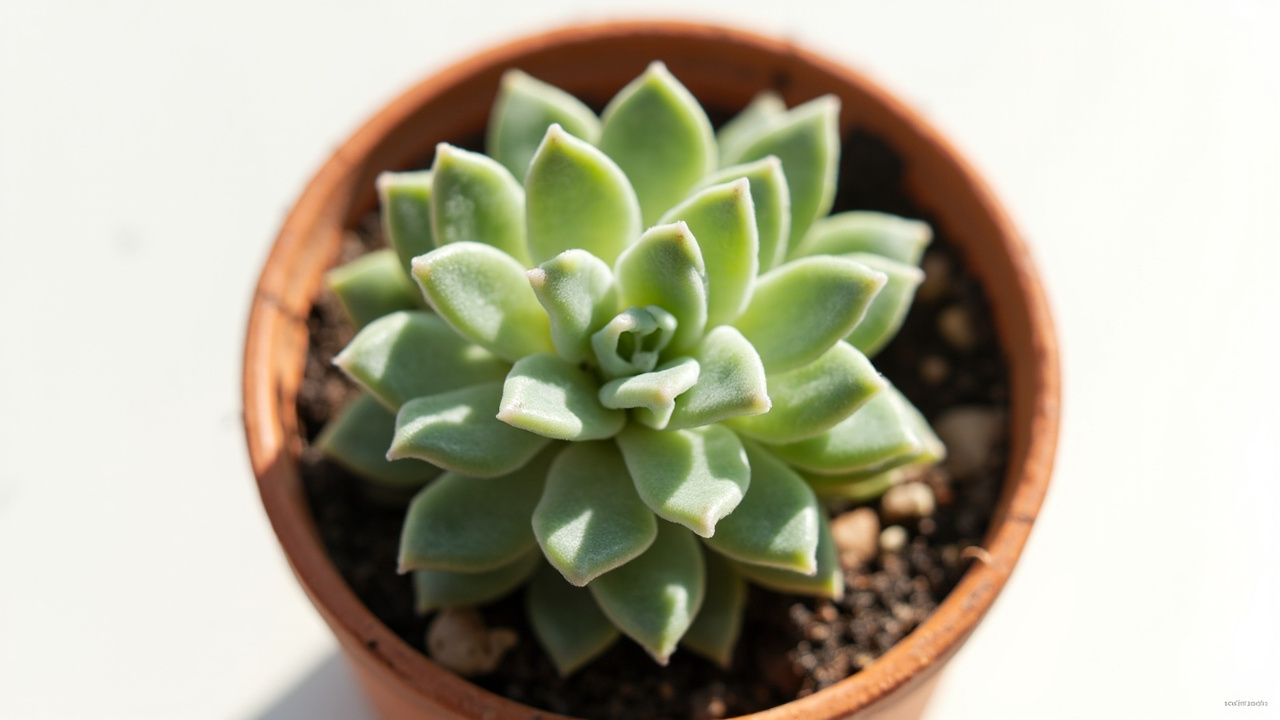
The soak-and-dry rule is the starting point for every Haworthia owner. Water thoroughly until it runs from the drainage holes, then do not water again until the soil is dry to the bottom of the pot. In a 10 cm (4 in) terracotta pot with gritty mix, that means every 14 to 21 days during active growth.
The full rule with seasonal adjustments, pot-size variants, and the four diagnostic cues is in the haworthia watering guide.
The rule breaks in four cases. First, summer dormancy: when night temperatures stay above 24°C (75°F) for more than a week, Haworthia slows water uptake even when the soil is dry. Continuing to water on the same spring schedule causes the roots to sit in warm, damp soil and begin to rot.
The fix: extend the interval by 7 to 14 days and water only in the morning.
Second, low-light placement. A Haworthia on a north-facing windowsill uses 30 to 40 percent less water than the same plant on an east-facing window. The standard interval must be extended.
The plant will look healthy but slowly lose root mass if watered too often in low light.
Third, plastic or glazed pots. A non-breathable pot keeps the soil moist 4 to 7 days longer than terracotta in the same conditions. If you must use plastic, reduce watering frequency by one-third.
Fourth, recent repotting. After repotting, wait 7 to 10 days before the first water. The disturbed roots need time to callus over, and water before callusing invites rot.
Expect 4 to 6 weeks for the roots to fully regenerate after a repot.
The Four Most Common Haworthia Problems and How to Read Them Early
Haworthia signals problems clearly once you learn the pattern. Four diagnostic patterns precede the four most common deaths.
For instance, a grower’s bench of twelve plants in different conditions showed that the same yellowing symptom has three different causes depending on which leaves are affected first. The patterns below cover what you are most likely to see at home.
Yellowing from below. This is root rot in progress, almost always from overwatering in a poorly draining mix. The lowest leaves go translucent and squishy first, then the rot climbs the stem.
Recovery requires unpotting, cutting to firm tissue, and re-rooting. Expect 8 to 12 weeks for full recovery if caught before the growing point is affected.
The full diagnostic and recovery walk-through is in the haworthia yellow leaves guide.
Stretching rosette. This is etiolation — the plant reaching for more light. The gaps between leaves grow wider and the leaves lose their compact shape.
Recovery requires moving to brighter light and, in severe cases, beheading the rosette and re-rooting the top. Expect 8 to 12 weeks for the beheaded top to re-establish roots and resume compact growth.
Curling inner leaves. This is severe underwatering, often mistaken for overwatering because the leaves also go translucent at the tips. The difference: underwatered leaves are firm but thin, not soft.
A single soak from below (set the pot in 2 cm of water for 10 minutes) usually rehydrates the plant within 48 hours.
Black leaf spots. This is fungal infection, almost always secondary to overwatering or poor airflow. The leaves develop black water-soaked patches that spread within days.
Treat by removing affected leaves, improving airflow, and holding water for 14 days.
If the plant has already lost most of its roots and the rosette is collapsing, the recovery walk-through is in the save a dying haworthia guide.
Where to Go Next: Building Your Haworthia Routine Over the First Six Months
The first six months of owning a Haworthia set the pattern for the next six years. Three phases matter.
Months 1 to 2 are establishment. The plant is recovering from the nursery’s watering schedule and adapting to your home’s light and humidity. Expect some leaf loss from the bottom of the rosette as the plant sheds nursery leaves and replaces them with ones adapted to your conditions.
Do not repot during this window unless the soil is clearly rotten. The plant is also the right size for its first propagation attempt once it has settled. See the haworthia propagation guide for offset division timing and the one rule that decides whether a pup survives separation.
Months 3 to 4 are active growth. New leaves emerge from the centre of the rosette and the first offsets become visible at the base. This is when to switch to the spring watering rhythm — every 14 to 18 days — and when to begin light acclimatisation if you plan to move the plant outdoors for summer.
Months 5 to 6 are the first summer dormancy. The plant slows visibly even with adequate water. Extend the interval to every 28 to 35 days, withhold fertiliser, and resist the urge to “fix” the slowdown by watering more.
By month 7, when nights cool below 18°C (65°F) again, the rosette will resume growth and may produce its first flower spike — a thin stalk with small tubular white or pink flowers.
Haworthia rewards patience more than any other indoor succulent. A single rosette becomes a colony within three years, and a colony of six to eight rosettes in a wide shallow pot is the goal that drives most collectors. The care rules are not complicated; they are simply different from what most houseplant owners expect.
For the soil side of this routine, the gritty mix recipe is in the haworthia soil mix guide.
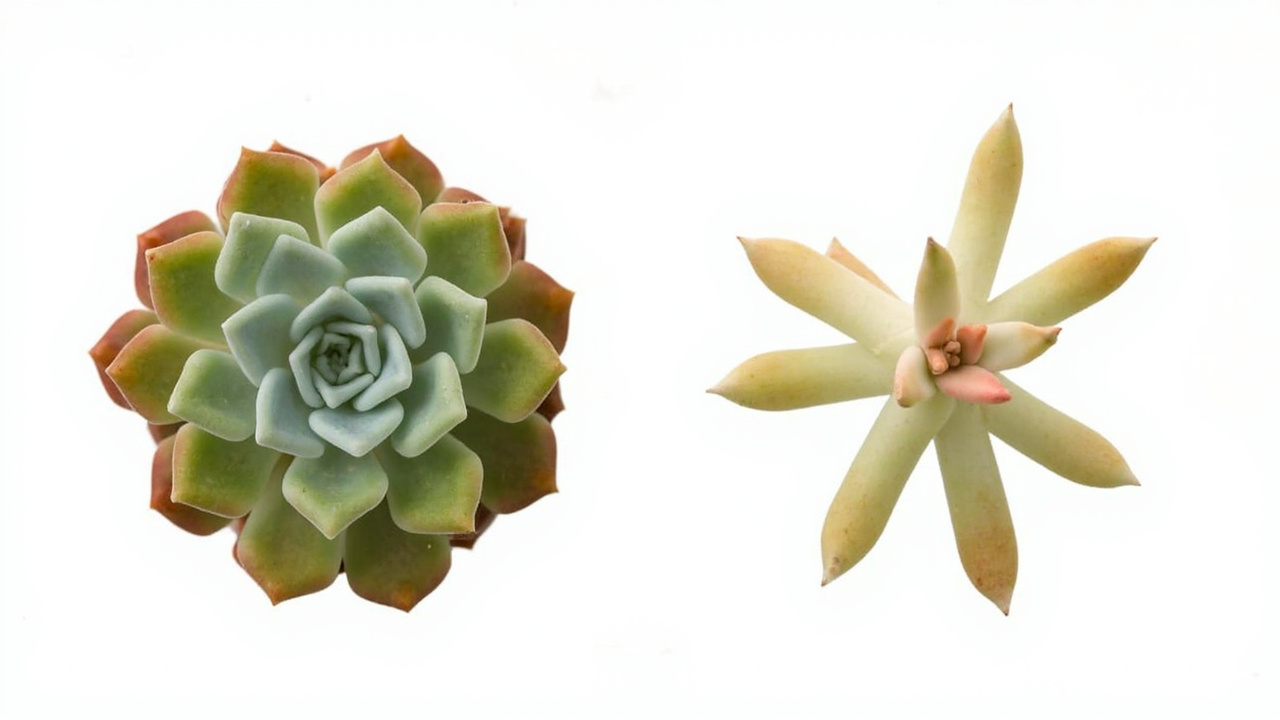
For a side-by-side comparison between Haworthia and its closest rosette cousin, the Echeveria, see the Echeveria vs Haworthia guide
For the soil side of this routine, the gritty mix recipe is in the haworthia soil mix guide.
mdash; it covers the leaf-surface and leaf-tip differences that decide which genus a rosette actually is.
Turn That PDF Into a Spreadsheet in Minutes
You've seen how to do it manually — now let the tool handle the heavy lifting. Upload your bank statement and get Excel, CSV, or QBO in a few clicks.
Try It Free