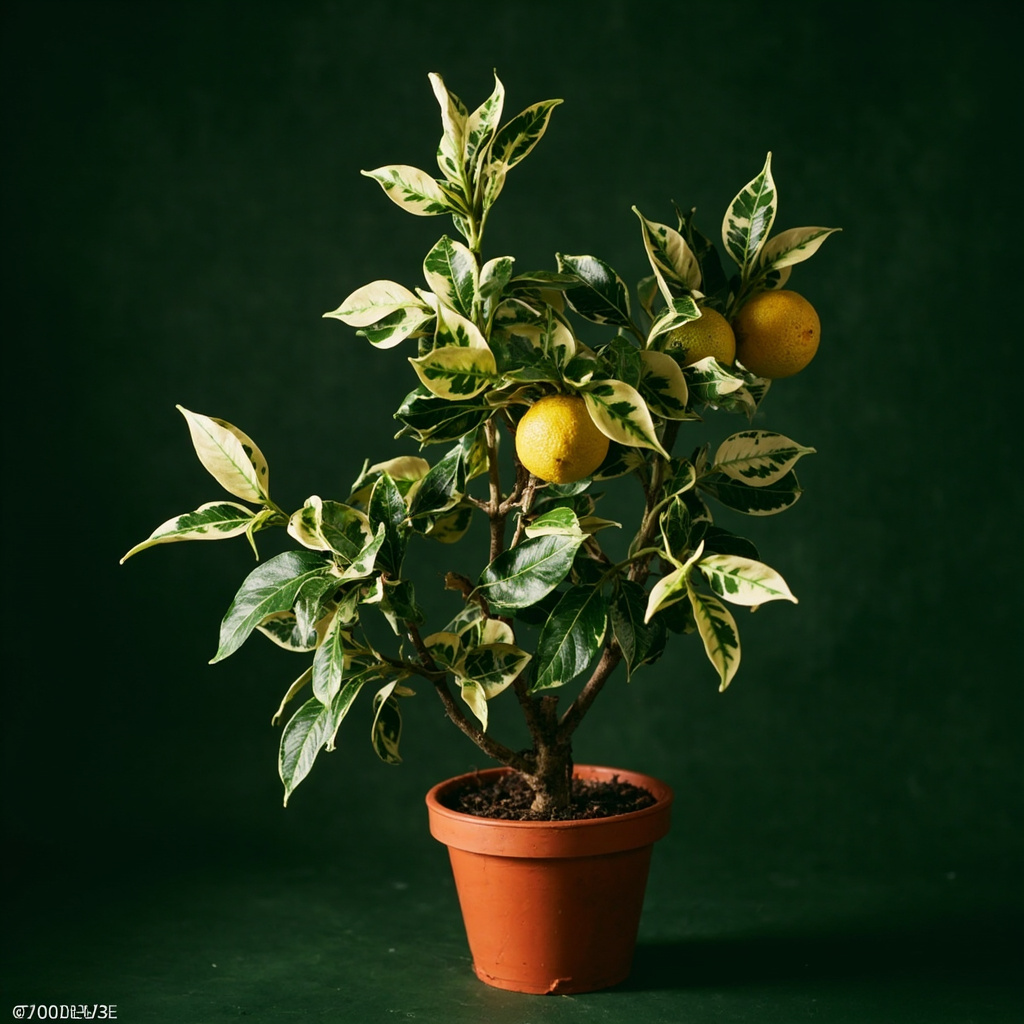
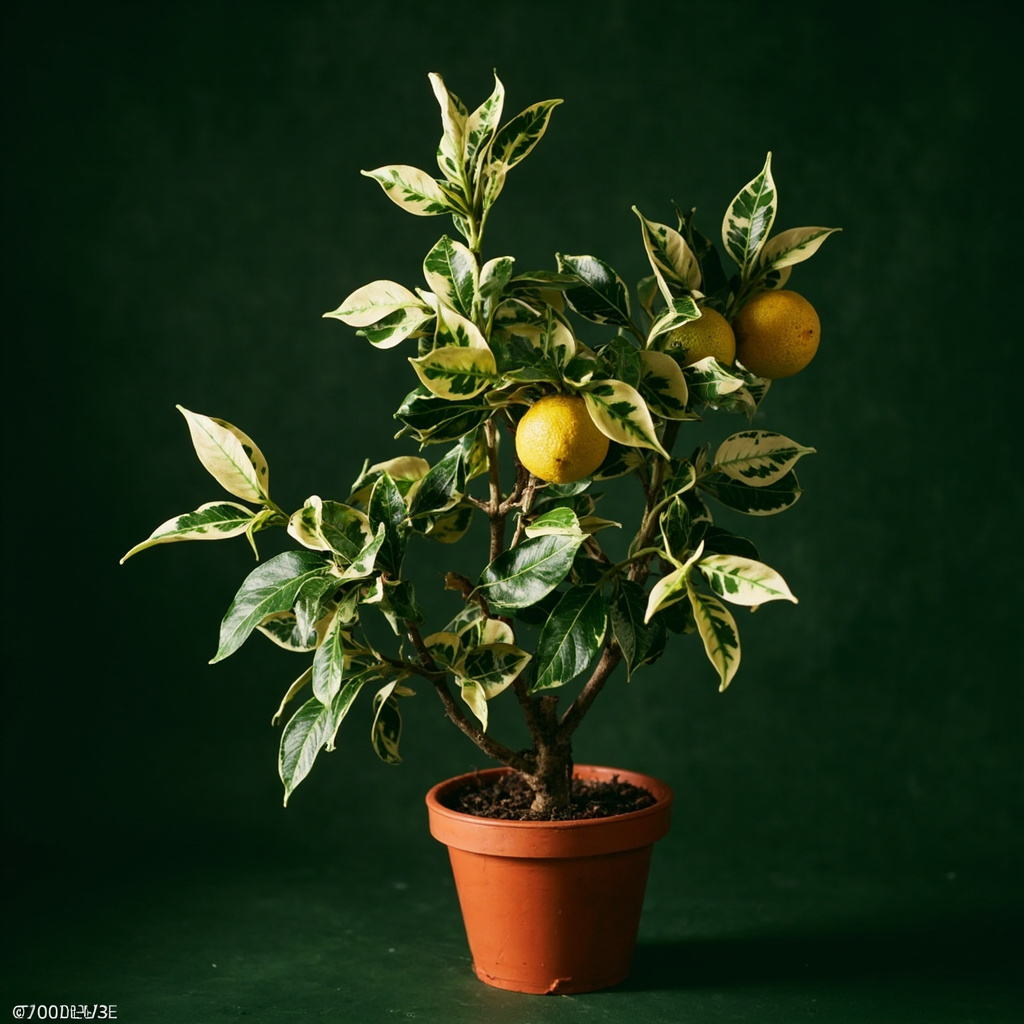
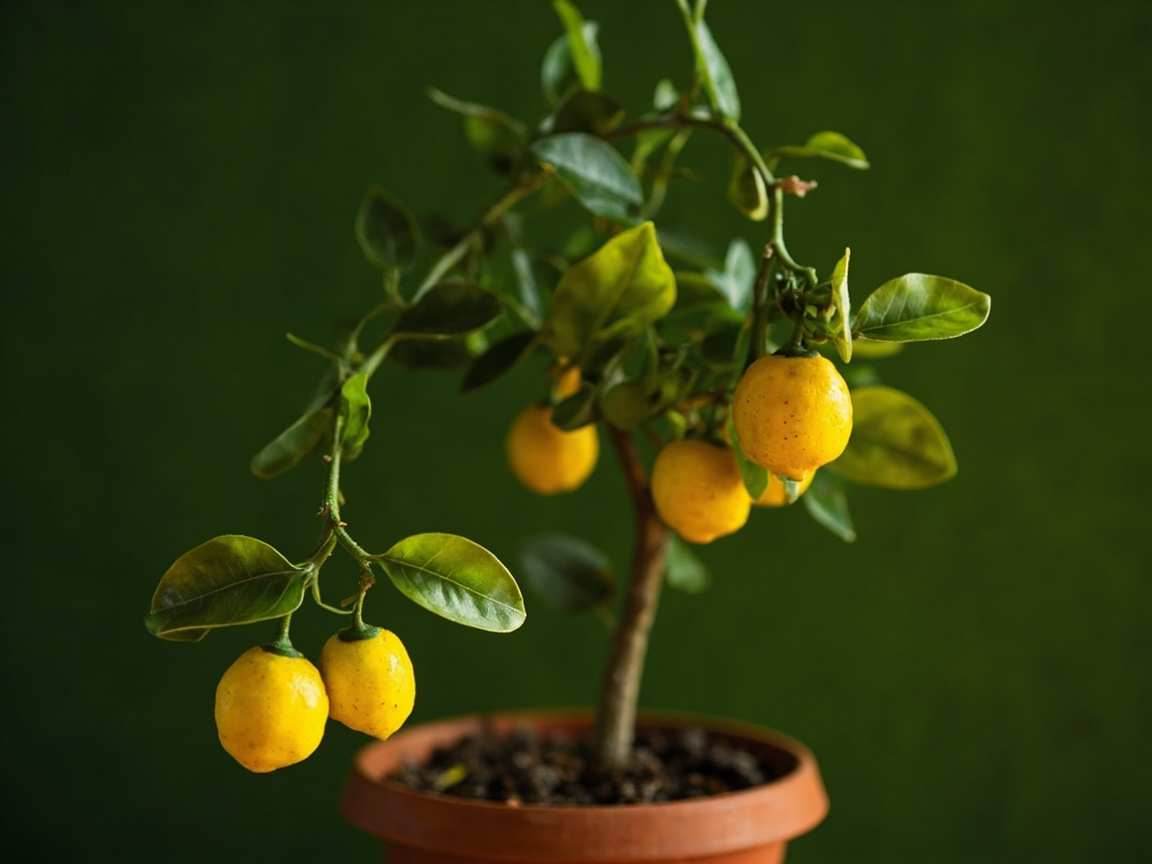
The kumquat (Fortunella) is the hardiest citrus you can grow indoors. Unlike Meyer lemon or calamondin, it shrugs off temperature dips to 35°F (1.5°C) for short stretches, naturally stays compact at 3-5 feet, and produces fruit you eat whole — sweet skin, tart flesh. If a south window plus patience through one winter sounds like something you’d commit to, kumquat rewards you with fruit no store carries.
What Aqualogi recommends: aim for 6-8 hours of direct sun, weigh the pot dry before watering, feed citrus-specific 2-1-1 every two weeks in active growth, and accept that years 1-3 are nearly always a green leafy houseplant. The fruit comes on the tree’s terms, usually in winter when flowers set late summer and ripen through cold months. If you’ve eaten a sun-warmed kumquat off your own tree, store-bought versions stop being an option.
Kumquat vs Other Indoor Citrus: The Short Comparison
All three of the popular indoor citrus do well on a bright windowsill, but they aren’t interchangeable. Pick kumquat over Meyer lemon when you want cold tolerance and a smaller tree. Pick calamondin when flavor matters more than cold tolerance. Pick kumquat when you want to eat the fruit skin-and-all because the skin is sweet where Meyer lemon skin is bitter.
Trade-off: kumquat fruit is smaller than both, fewer per harvest, and ripens in winter when days are short. Expect 50-200 fruits per season for a mature tree, but accept the quiet years of leaf-only growth first. Because kumquat flower set survives brief cold snaps that kill Meyer lemon flower buds, this is the citrus that actually fruits reliably for indoor growers in temperate climates.
Light and Placement
Target 6-8 hours of direct sun per day. South or southwest-facing windows are ideal; east works with a reflective wall behind the tree. Kumquat tolerates as little as 4 hours but fruit set drops sharply below that — if the internodes between new leaves stretch more than an inch, light is the problem. Wait until new growth tightens before feeding heavily.
Symptom reader instead of relying on: a light-starved kumquat shows pale new leaves etched at the edges, long gaps between leaf pairs, and no flowers in year 2-3. If yellow leaves appear in winter, suspect light before nitrogen. A 20-30W full-spectrum LED panel positioned 12-18 inches from the canopy, run for 12-14 hours a day, covers the gap on dim north-facing windows. The light tells the tree what season it is, even when your windows can’t.
Soil and Potting
Mix: 60% coconut coir or high-quality peat, 30% perlite, 10% coarse bark. Kumquat is less tolerant of soggy roots than Meyer lemon or calamondin, so the perlite ratio matters more here. A standard cacti-and-citrus mix from a nursery works, but adding 10% extra perlite by volume gives kumquat the drainage that prevents root suffocation and leaf drop.
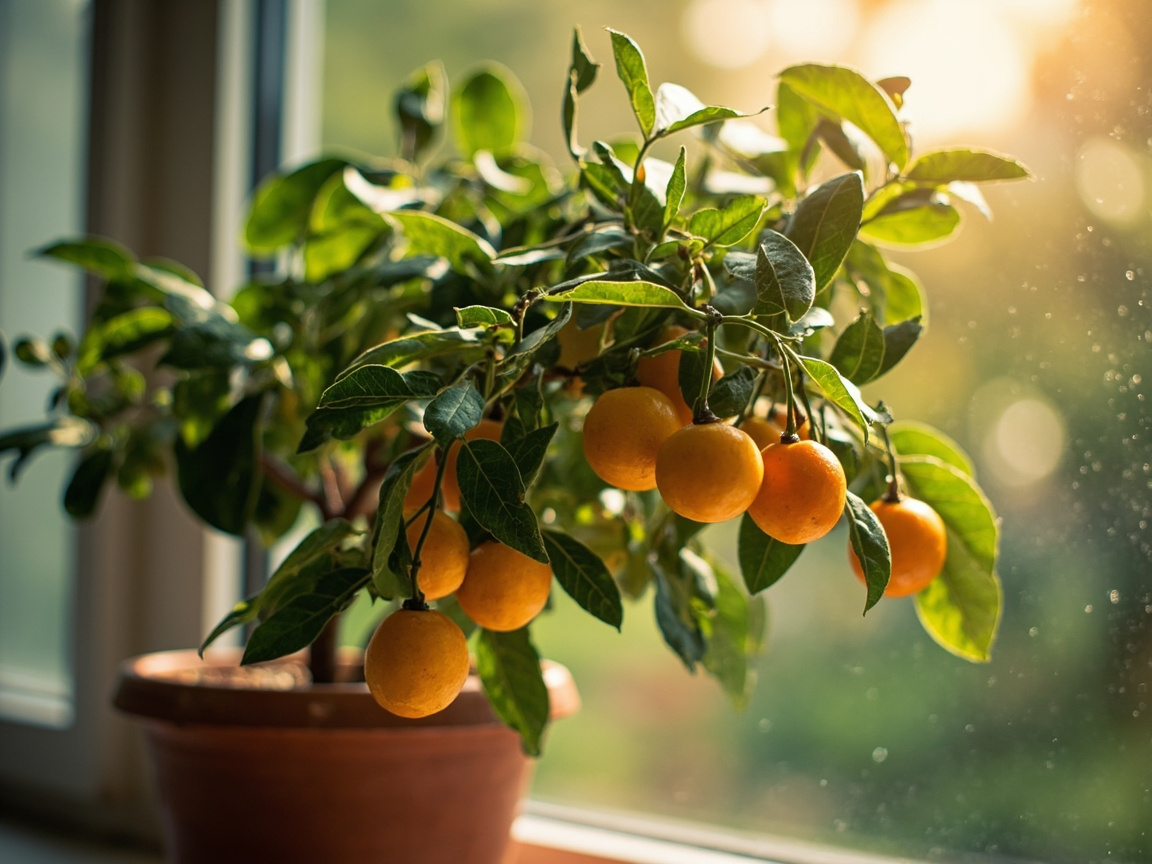
Pot in unglazed terracotta 12-14 inches in diameter for a mature tree. Unglazed clay breathes moisture out through the walls; glazed ceramic holds it in and invites root rot if you water on a schedule. Repot every 2-3 years in early spring before new growth pushes. Bump pot diameter by 2 inches maximum; oversized pots trap moisture in soil the roots haven’t grown into yet, which is the most common cause of post-repot decline.
Watering and Humidity
Water when the pot feels noticeably dry at the base, not when the surface looks dry. In summer that means every 5-7 days for a 12-inch pot; in winter every 10-14 days. Lift the pot at the base after watering to learn what “soaked” feels like. Lift it again before watering — when the difference is obvious, water. If you can’t tell the difference, you haven’t waited long enough.
Humidity 40-60% is fine. Kumquat tolerates dry indoor air far better than it tolerates chronically wet roots — if you see brown leaf tips in winter, the cause is usually low ambient humidity, which a pebble tray handles without compromising root oxygen. Misting helps briefly but raises leaf-spot fungal risk on citrus. Skip it unless the tree lives in a winter-dry desert climate with no other humidification.
Feeding and Fertilizing
Use a citrus-specific 2-1-1 or 3-1-2 fertilizer with added iron, manganese, and magnesium. Kumquat shows micronutrient deficiency faster than the other indoor citrus — magnesium shortage shows up as a green-arrow pattern on older leaves where veins stay green but tissue between turns pale.
Schedule: every 2 weeks in active growth (March through September), once a month in winter. Reduce, do not stop, in winter — a hungry tree enters spring weak. If you see the magnesium arrow pattern, run an Epsom salts flush at 2 teaspoons per gallon of water once. Symptoms usually resolve in 3-4 weeks. Avoid excessive nitrogen in late spring — leaf growth at the expense of flower set means no fruit next winter. Calamondin has similar fertilizer needs but tolerates a slightly higher nitrogen-to-phosphorus ratio.
Fruiting and Harvest Time
Fruit cycle: flowers in late summer, fruit ripens through winter into early spring. Pollination indoors isn’t required — kumquat self-pollinates without hand help unless air flow is zero. If no flowers by year 2 on a healthy-looking tree, the cause is light deficit or excess nitrogen, not pollination.
Yield realistic expectations: 50-200 fruits per season on a mature 3-4 year old tree. First year after purchase or repotting, expect almost none — the tree is still establishing, and pushing fruit on a young tree stunts growth. Harvest when the fruit is fully orange and slightly soft to a gentle squeeze. A ripe kumquat pulls from the branch with minimal tug. Under-ripe fruit stays sharp and acidic even after weeks of counter ripening; on the tree is the right place to finish them.
Common Problems and Failure Modes
Diagnostic order when something looks wrong: water first, light second, food third, pests fourth.
Leaf drop (water stress, then temperature shock)
Overwatering suffocates roots — the leaves turn pale and drop in waves. Underwatering triggers emergency leaf shed — crisp leaves, dry soil pulling from the pot edges. Both look similar but the fix is opposite. Check the soil moisture before responding. If roots smell sour or look black, repot into dry mix and skip watering for two weeks.
No fruit (light deficit or micronutrient shortage)
Years 1-2 with no flowers is normal — the tree is still maturing on grafted rootstock. After year 3, expect flowers. If they don’t appear, the cause is almost always less than 6 hours of direct sun, or a fertilizer that’s missing micronutrients. Add the 20-30W LED supplement and switch to a citrus-specific 2-1-1 blend; results show in the next flowering cycle.
Scale and mealybugs (winter indoor pests)
Inspect stem joints and leaf undersides weekly in winter. An indoor citrus in a heated room is a warm island in a cold house — pests move in. Horticultural oil on a foam brush wipes them out before they breed. Skip neem on kumquat: it can scorch the fruit rind. Horticultural oil applied directly with a brush avoids the leaf coverage that invites phytotoxicity.
Fruit drop (inconsistent water or excess nitrogen)
Premature fruit drop means the tree is in stress. Pause nitrogen feeding, even out watering on the dry-before-soaked rhythm, and wait for the next flowering cycle. Yellow leaves combined with fruit drop usually points back to the roots. Check drainage before anything else.
Pruning and Seasonal Care Calendar
Prune in early spring right after harvest. Remove crossing branches and inward-growing twigs to open the canopy. Cut just above an outward-facing bud to shape the silhouette. Keep final height at 3-4 feet for indoor manageability — pruning for size concentrates the tree’s energy on fewer, better-supported branches and does not reduce yield.
Spring (March-May)
Repot if needed. Resume biweekly feeding. Move to the brightest window or outdoors on a south balcony when night temperatures stay above 50°F. Watch for aphids on tender new growth — a 1% horticultural oil spray handles small outbreaks.
Summer (June-August)
Outdoors if your nights allow; kumquat on a south-facing balcony fruits heavier than any indoor setup. Water daily in small pots during heat waves. Flower buds form late summer — don’t prune now.
Fall (September-October)
Bring indoors before night temperatures drop below 50°F. Reduce feed frequency. The tree is hardening off new growth for winter fruit ripening.
Winter (December-February)
Hold on watering, skip feeding, and enjoy the fruit. The tree looks static but the fruit is ripening on the branch. Below 40°F, flower buds abort for the next cycle, so keep the tree away from drafty windows and heating vents.
From PDF to Excel in one click
Forget retyping line by line. Upload any bank statement, get a spreadsheet you can actually use. Your files are never stored, and you can test the converter with 3 free conversions.
Try it free