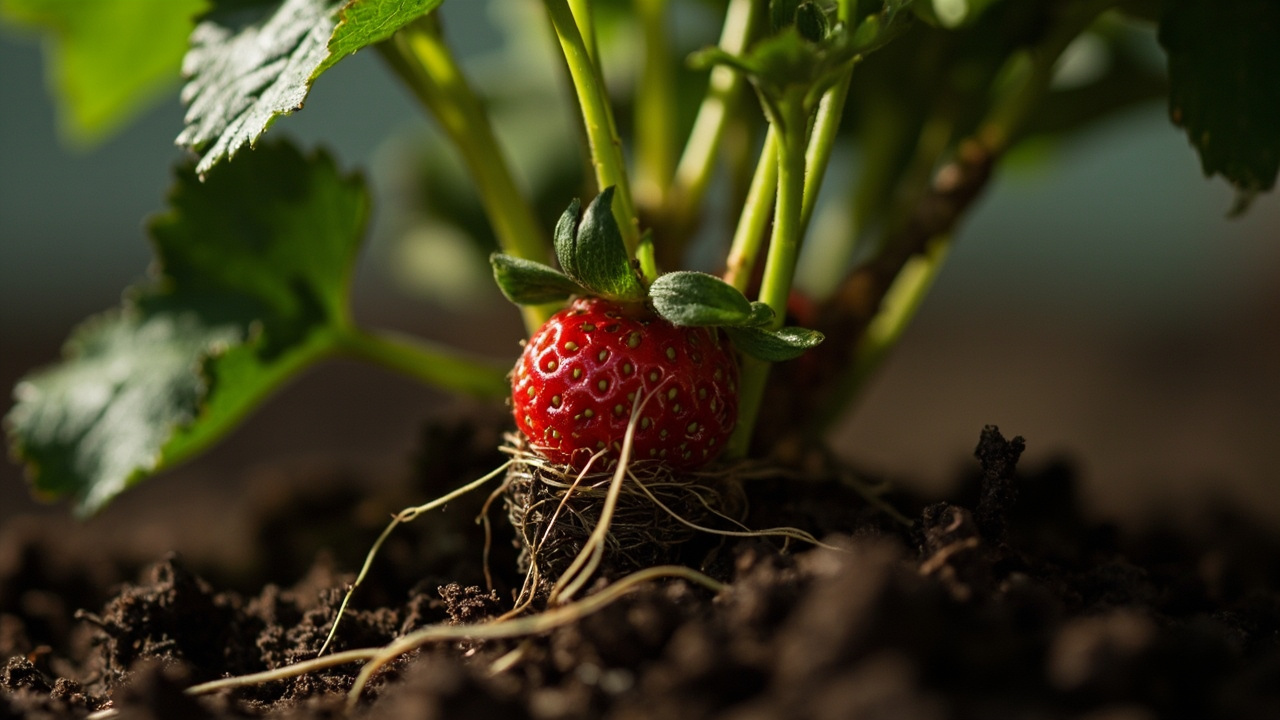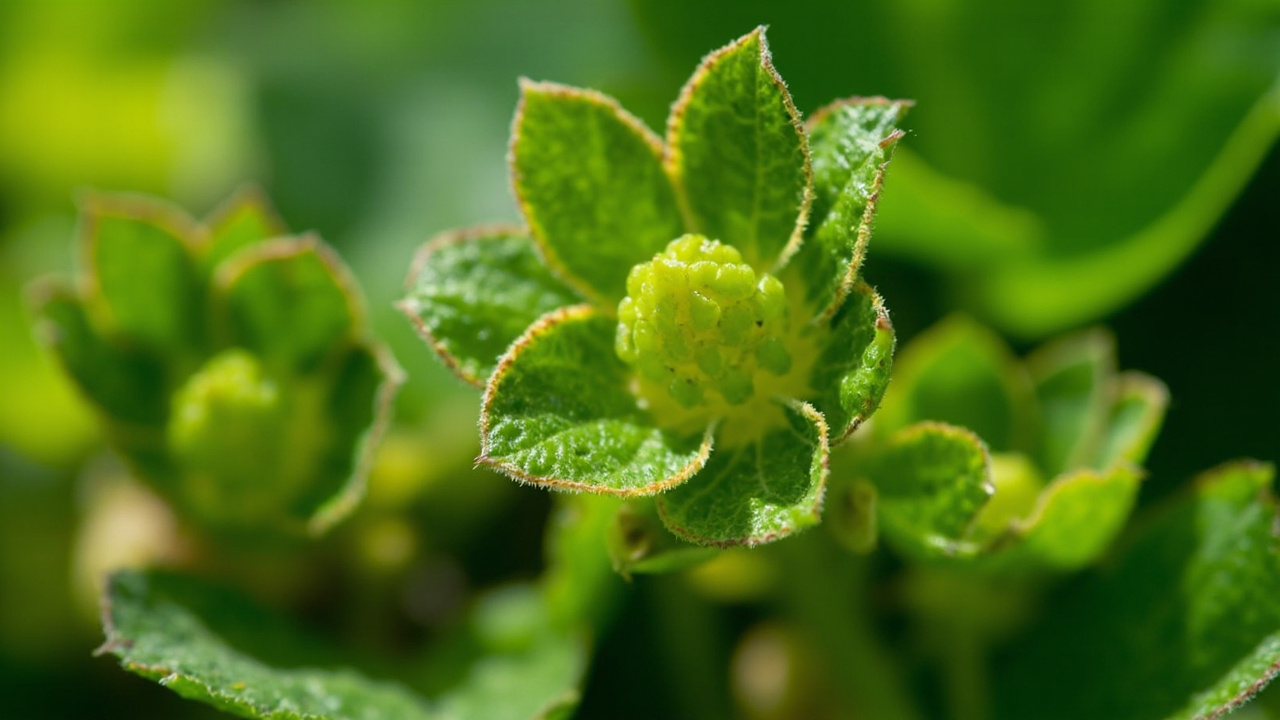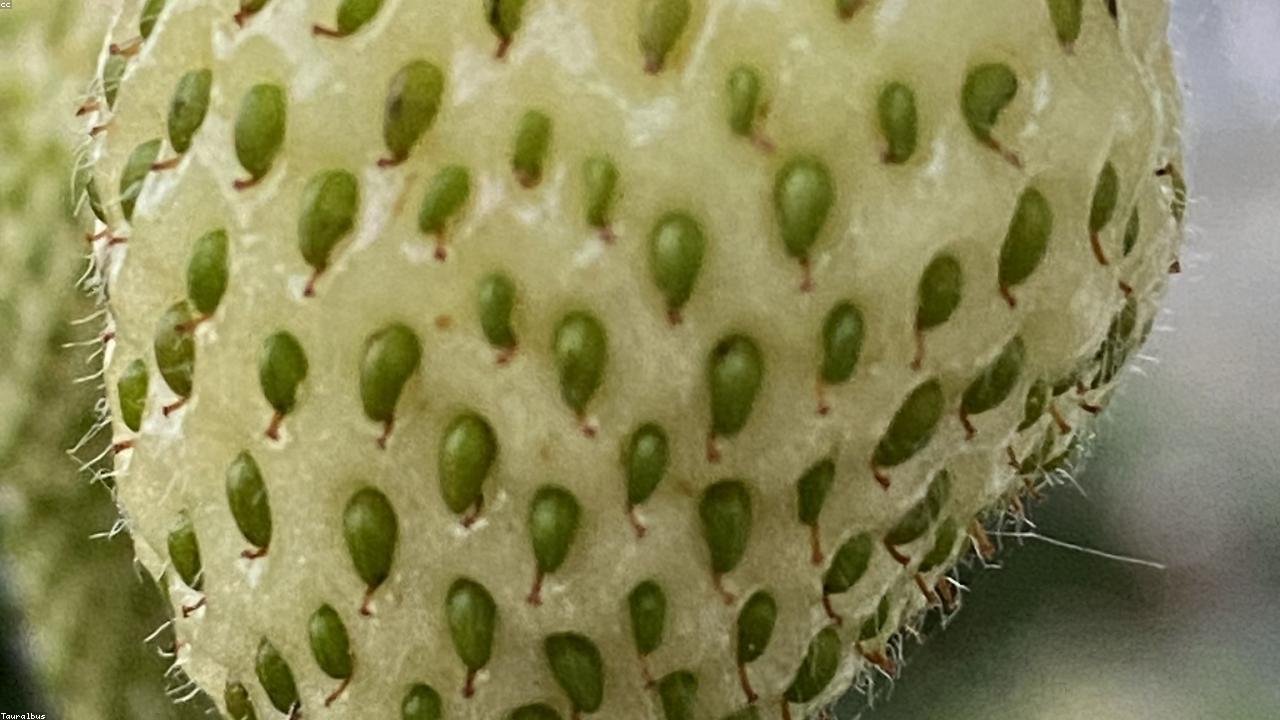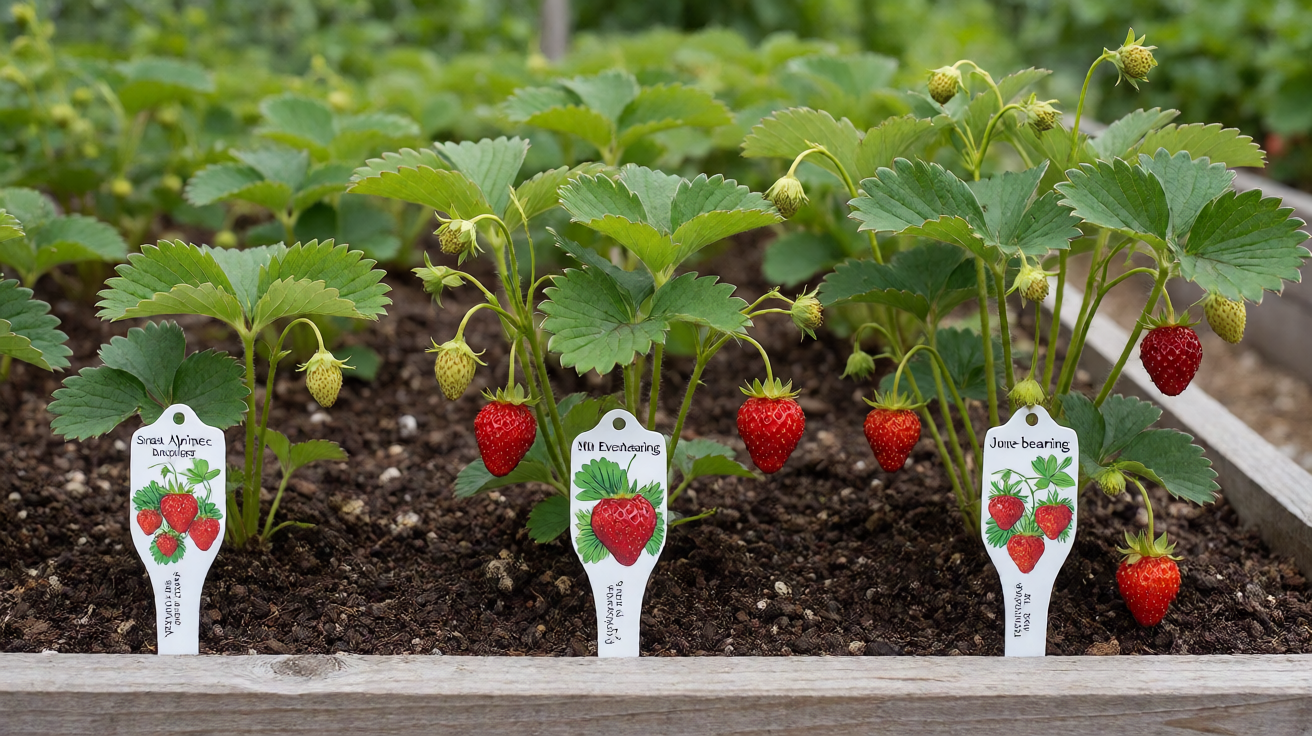

Choosing the right strawberry variety determines whether you get a few sweet fruits for two weeks in June or a steady harvest from spring through first frost. The three fruiting types — June-bearing, everbearing, and day-neutral — behave so differently in the garden that the choice matters more than almost any other decision you make: planting depth, sun exposure, watering frequency, even how you arrange the plants in a bed all flow from the type you picked.
Modern home-garden strawberry varieties fall into three categories based on how they initiate flowers in response to day length and temperature. June-bearing varieties initiate flowers during the short days of late summer and fall, then bloom the following spring, producing one large crop over 2 to 4 weeks. Everbearing varieties initiate flowers during long days (typically 12+ hours) and produce two to three moderate crops per year. Day-neutral varieties are not actually day-length-sensitive — they initiate flowers regardless of photoperiod whenever temperatures are between 40 and 85°F, producing a continuous trickle of fruit from spring through fall.
The right choice depends on your climate, your harvest goals, and your space. June-bearing varieties give the largest individual fruits and the heaviest single-season yields, ideal for jam-making and freezer-stocking. Everbearing and day-neutral varieties give smaller individual fruits but a longer harvest window, ideal for fresh eating throughout the summer. This guide ranks the best varieties in each category for home garden conditions, with specific recommendations by climate, container vs. bed, and use case.

June-Bearing: One Heavy Crop in Late Spring to Early Summer
June-bearing strawberries are the traditional choice for serious strawberry growers. The plants initiate flowers during the short days of fall, go dormant over winter, and bloom heavily the following spring. A well-tended June-bearing bed produces 1 to 2 pounds of fruit per plant over a 2 to 4 week window, with all berries ripening roughly together. This makes June-bearing the right choice if you want to make jam, freeze berries for winter, or pick a single large harvest for a specific event.
The tradeoff is that you have a single harvest window, then nothing for the rest of the year. The plants also produce heavy runners that need to be managed — either trained into a matted-row system or removed to keep the mother plants productive.
Best June-Bearing Varieties for Home Gardens
Honeoye (Zone 3 to 8) is the most widely-adapted June-bearing variety in North America. It produces large, firm, bright red berries with classic strawberry flavor. Plants are vigorous, cold-hardy, and resistant to most common strawberry diseases. Yields are reliably heavy — typically 1 to 1.5 pounds per plant over a 3-week window. Honeoye is an excellent first June-bearing variety for new growers.
Allstar (Zone 4 to 8) is a later-season June-bearing variety that extends your harvest if planted alongside Honeoye. Berries are large, sweet, and have a softer texture than Honeoye, making them ideal for fresh eating rather than shipping or jam. Plants are vigorous and disease-resistant.
Chandler (Zone 5 to 9, especially California, Southern US) is the standard commercial variety for warmer-winter climates. It produces very large, glossy berries over an extended June-bearing window of 3 to 4 weeks. Less cold-hardy than Honeoye but produces higher individual fruit size.
Earliglow (Zone 4 to 8) is the earliest-ripening June-bearing variety, producing medium-sized berries with exceptional flavor 7 to 10 days before Honeoye. Best for growers who want to extend the harvest window at both ends by pairing Earliglow (early) with Allstar (mid-season) and a late variety like Sparkle.
Sparkle (Zone 3 to 7) is a classic Northeastern variety, prized for jam-making because of its intense flavor and natural pectin content. Berries are smaller than modern varieties but the flavor is unmatched. Best for cool-climate growers who prioritize taste over yield.
Everbearing: Two to Three Moderate Crops Through the Season
Everbearing strawberries initiate flowers under long-day conditions (more than 12 hours of daylight) and moderate temperatures, producing a spring crop and a fall crop with a smaller summer crop in between (or sometimes skipped in the hottest weeks). Plants produce fewer runners than June-bearing types, making them easier to manage in small beds and containers. Total seasonal yield per plant is roughly half that of a June-bearing plant, but spread across two to three harvests.
The right choice if you want fresh strawberries for the longest possible window and don’t need a single large harvest for preserving.
Best Everbearing Varieties for Home Gardens
Ozark Beauty (Zone 3 to 8) is the classic everbearing variety, producing medium-sized, sweet berries in two distinct crops — late spring and early fall — with a smaller trickle in summer. Very cold-hardy and widely adapted. Plants produce moderate runners but are manageable.
Quinault (Zone 4 to 8) is a Washington State-bred everbearing that produces very large, soft, sweet berries. Heavy producer in the spring crop, lighter in fall. Best for fresh eating; berries do not ship or freeze well due to soft texture.
Fort Laramie (Zone 3 to 7) is an exceptionally cold-hardy everbearing from Wyoming. Produces medium-sized, very sweet berries with strong strawberry aroma. Good choice for short-season climates where June-bearing harvests are unreliable.
Day-Neutral: Continuous Harvest from Spring Through Fall
Day-neutral strawberries are not actually day-length-sensitive — they initiate flowers whenever temperatures are between 40 and 85°F, regardless of photoperiod. The result is a continuous harvest from late spring through first frost, with the heaviest production in spring and fall and lighter production during the hottest weeks of mid-summer.
Day-neutral plants produce the smallest individual berries of the three types but produce the longest harvest window and the highest total yield per plant over a full season. They produce very few runners, which makes them ideal for container growing, hydroponic systems, and dense raised-bed plantings.
Best Day-Neutral Varieties for Home Gardens
Albion (Zone 4 to 9) is the most popular day-neutral variety in North America, prized for its very large, firm, conical berries with classic strawberry flavor. Resistant to most common strawberry diseases. Heaviest production in spring and fall; production slows but does not stop during hot weather. Excellent for both fresh eating and short-term storage.
Seascape (Zone 4 to 8) is a California-bred day-neutral that produces large, glossy berries with mild flavor. More heat-tolerant than Albion, making it a better choice for hot-summer climates. Plants are vigorous and produce consistently through heat waves that stall other varieties.
Tristar (Zone 3 to 8) is a smaller-berried day-neutral prized for intense flavor. Berries are roughly half the size of Albion but with concentrated sweetness and aroma. Best for fresh eating and container growing where flavor matters more than size.
Choosing by Climate Zone
Variety selection matters most when the variety’s cold-hardiness range matches your USDA hardiness zone. Planting a Zone 7 variety in Zone 4 will lose the plants to winter kill within 1 to 2 years even with mulch protection.
Cold climates (Zones 3 to 4): Prioritize cold-hardy varieties. Honeoye, Allstar, Fort Laramie, and Tristar are the safest choices. Plant in early spring as soon as the soil is workable. Apply 4 to 6 inches of straw mulch after the first hard frost in fall for winter protection.
Temperate climates (Zones 5 to 7): Most varieties thrive here. Plant in early spring or late summer (for a strong crop the following year). All three types work well; the choice depends on harvest preference rather than survival.
Hot climates (Zones 8 to 9): June-bearing varieties struggle in hot climates because they require cold winters to flower properly. Focus on day-neutral varieties (Albion, Seascape) which tolerate heat and produce through summer. Plant in fall for spring harvest.
Very hot climates (Zones 10+): Most traditional strawberries struggle. Choose day-neutral varieties bred for heat tolerance (Seascape, Albion) and provide afternoon shade. Expect reduced yields compared to temperate climates.
Choosing by Use Case
For fresh eating throughout the summer: Day-neutral varieties give the longest harvest window. Albion or Seascape in a raised bed or large container will produce from late May through October.
For making jam or freezing: June-bearing varieties give the largest single harvest for preserving. Honeoye, Allstar, and Sparkle all have classic flavor and good pectin content for jam.
For containers and small spaces: Day-neutral varieties produce fewer runners and tolerate the restricted root volume of containers. Albion, Tristar, or Seascape in 12-inch or larger pots.
For new growers and first-time success: Honeoye (June-bearing) and Albion (day-neutral) are the most forgiving varieties across the widest range of climates. Either will produce reliably with basic care.
For hydroponic and indoor setups: Day-neutral varieties are the standard for indoor and hydroponic strawberry production. Albion and Seascape tolerate the controlled conditions and produce continuously under supplemental lighting.
Where to Buy Strawberry Plants
Bare-root strawberry plants (dormant plants with no soil, shipped in spring or fall) are the highest-value option. A bundle of 25 bare-root Honeoye plants costs roughly $25 to $35 and establishes a productive bed in one season. Bare-root plants are available from nurseries and online specialists (Burpee, Gurney’s, Indiana Berry, Nourse Farms in the US; Thompson & Morgan, Marshalls in the UK).
Potted strawberry plants (already leafed out, in 3 to 4 inch pots) are available at local garden centers and big-box stores in spring. They cost $3 to $5 per plant but establish faster than bare-root because they are already actively growing. Choose plants with multiple leaves, no yellowing, and visible white roots at the drainage holes.
Seed-grown strawberries (started from seed in late winter) are available but not recommended for beginners. They take 4 to 6 months from seed to first harvest, require careful seedling care, and produce smaller plants in the first year than bare-root or potted plants. Alpine varieties are the exception — they grow true from seed and produce small but intensely-flavored berries.
Planting and First-Year Care by Variety Type
The fruiting type you choose affects first-year care. June-bearing varieties need to be prevented from flowering the first year (pinch off all blooms) so the plant invests energy in establishing roots and runners rather than fruit. Everbearing and day-neutral varieties are allowed to fruit the first year, but yields are smaller and the plants benefit from light feeding to support both establishment and fruit production.
For full establishment and first-year care, see our strawberry planting guide for soil preparation, spacing, and depth. For watering schedule and moisture management, see the strawberry watering guide. For sun exposure and indoor grow light setup, see the strawberry light requirements and indoor grow light guide.
What to Do Now
If you are planting strawberries this season, pick one variety type (June-bearing for a single heavy crop, day-neutral for continuous harvest) and one variety within that type that matches your climate zone. Order bare-root plants for late-winter or early-spring delivery, or buy potted plants from a local nursery when they appear in spring. Plant 12 to 18 inches apart in a sunny bed with well-draining soil amended with compost. Mulch with straw to keep berries clean and soil cool. Water consistently and expect first harvest 60 to 90 days after transplant for day-neutral varieties, or the following spring for June-bearing varieties.
For the broader context of growing strawberries at home, see our complete strawberry care guide covering planting through harvest. For the diagnostic side — yellowing leaves, curling leaves, dying plants — see the yellow leaves and curling leaves guides. For propagating your own plants from runners once your bed is established, see the strawberry runner propagation guide.
Turn any PDF statement into a clean sheet
Skip the typos and the hours of copying. Our converter handles any bank statement format and outputs Excel, CSV, or QBO for QuickBooks. No file retention, free to try.
Convert your statement