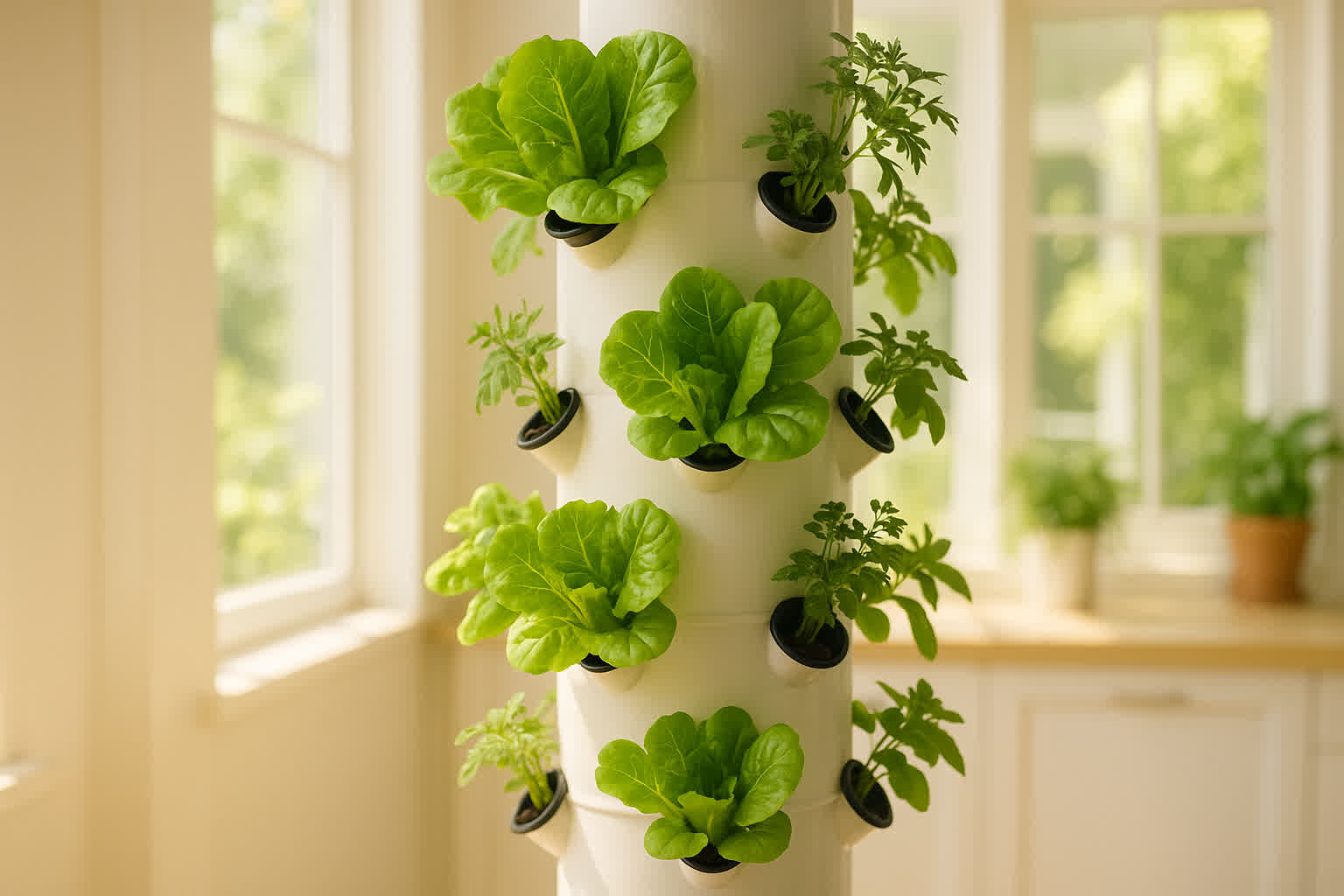
Hydroponic farming is a way of growing plants without soil. The term comes from the Greek words hýdōr (water) and pónos (labour) — literally, “water working.” Instead of drawing nutrients from soil, plant roots sit in a water-based solution that carries exactly the minerals they need. Hydroponic farming has been practiced commercially since the 1930s, but the last decade has brought it into apartments, classrooms, and backyard sheds as equipment costs have dropped.
Two numbers explain why more growers are paying attention. Recirculating hydroponic systems use up to 90% less water than equivalent soil operations because the water is captured and reused rather than draining away or evaporating from open ground. And because roots absorb nutrients more efficiently in solution than through soil particle contact, most hydroponic crops grow 25–30% faster than the same varieties in pots. Both advantages scale as the system scales. However, the trade-off is precision — commercial solutions are pre-balanced with exact ratios, while DIY requires you to calculate and mix each element separately.
This guide covers what you need to decide whether hydroponic farming fits your space. The six standard system types, the root zone chemistry that makes them work, the water-and-yield maths, the real limitations, and a decision guide for choosing your first system. For setup details and nutrient recipes, follow the links embedded in each section.
What Is Hydroponic Farming?
A hydroponic farm is any controlled growing operation where the soil has been replaced by a mineral nutrient solution. In all hydroponic systems, three things happen: the roots are suspended in or periodically flooded with water containing dissolved nutrients, the pH of that water is kept inside a defined range so nutrients remain bioavailable, and oxygen reaches the root zone so roots can respire.
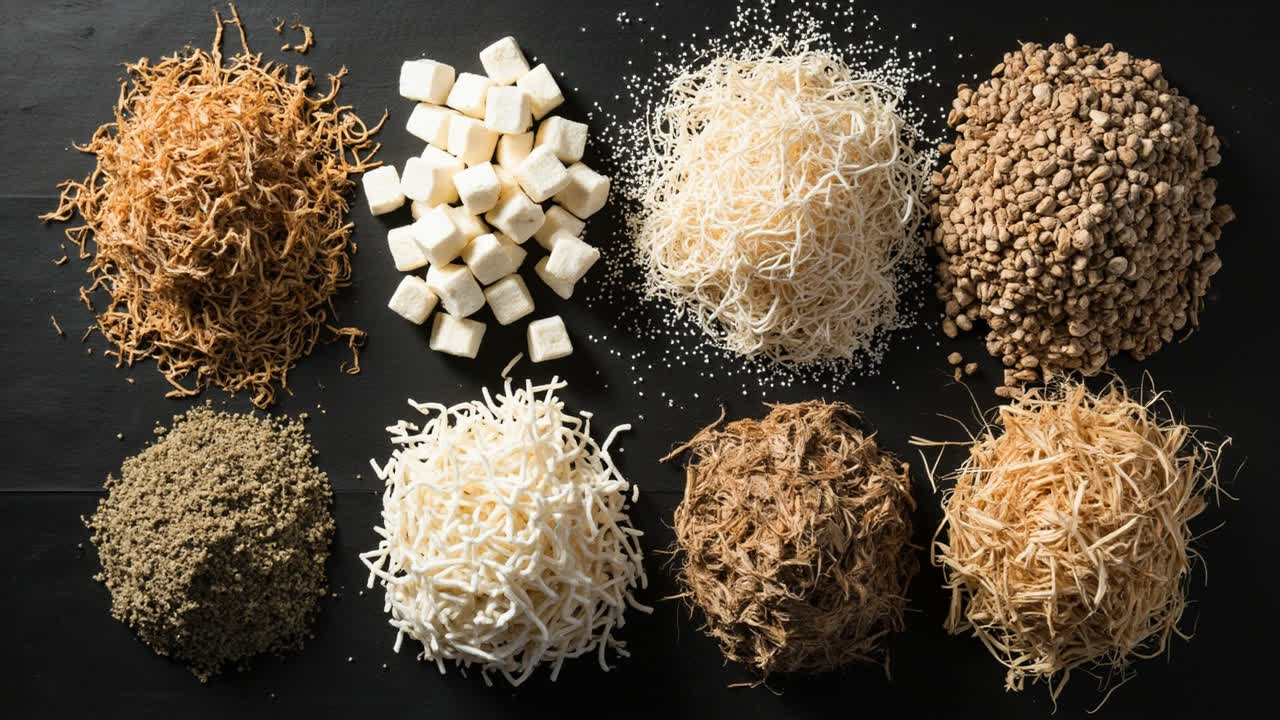
The technique is a subset of hydroculture, which includes any soilless growing method (including ornamental water gardens). True hydroponic farming uses inert growing media — rockwool, perlite, clay pebbles, or coco coir — that hold moisture and anchor roots without contributing nutrition. The plant gets everything it needs from the solution you mix. This definition matters because a pot of water with no added nutrients is not hydroponics — it is simply a plant dying in water, and the plant will die within 7-10 days.
Hydroponic farming is not one technique. It is a family of six standard system types (covered below) that differ in how the solution reaches the roots. What they share is the root zone chemistry — pH, electrical conductivity, dissolved oxygen, and temperature — and the monitoring that goes with it. Understanding that chemistry is what separates a system that thrives from one that burns out in a week. Because there is no soil buffer, mistakes in hydroponics show up within 24-48 hours rather than the weeks it takes for soil-grown plants to show stress.
How Does Hydroponic Farming Work?
The mechanism is straightforward once you separate the three functions soil normally plays. Soil anchors the plant, it stores water between rains, and it exchanges mineral ions onto root surfaces. Hydroponics replaces each: the growing medium provides physical anchor, the reservoir replaces water storage, and the nutrient solution replaces mineral exchange. The key insight is that the solution can be more precise than soil because there is no competition from soil microbes and no buffering by organic matter.
The chemistry is where most beginners lose their first crop. Nutrient availability depends on pH — the measure of how acidic or alkaline the solution is. Most hydroponic crops grow best in a pH range of 5.5 to 6.5. Below 5.5, calcium and magnesium become hard to absorb; above 6.5, iron and manganese start to lock out. A pH drift can happen within 24 hours because roots exude acids or bases as they feed. Checking pH daily and adjusting with potassium hydroxide (raise) or phosphoric acid (lower) is the single most important habit.
Electrical conductivity, or EC, measures how much dissolved mineral content is in the solution. It does not tell you which minerals are present — only how many ions are conducting electricity. Most leafy greens grow well at EC 1.2 to 2.5 millisiemens per centimetre (mS/cm). Fruiting plants like tomatoes need 2.5 to 4.0 mS/cm. Above the target range, roots suffer nutrient burn; below it, growth stalls because there is not enough mineral mass. A ppm reading (parts per million) is the same thing scaled differently — measuring nutrient strength correctly keeps the crop inside the target window.
The third variable most beginners ignore is dissolved oxygen. Roots must respire or they drown in their own exudates. In systems where roots sit in stagnant solution, an air pump and air stone are non-negotiable. Active systems that flow the solution (NFT, drip, aeroponics) naturally entrain oxygen — one reason they tend to produce faster growth.
Six Standard Hydroponic Systems
Each hydroponic system type takes a different approach to the same root zone problem: how to deliver water, nutrients, and oxygen to the roots without drowning them or drying them out. There is no universally best system — the right choice depends on your budget, the crop you want to grow, and how much maintenance time you have.
Nutrient Film Technique (NFT)
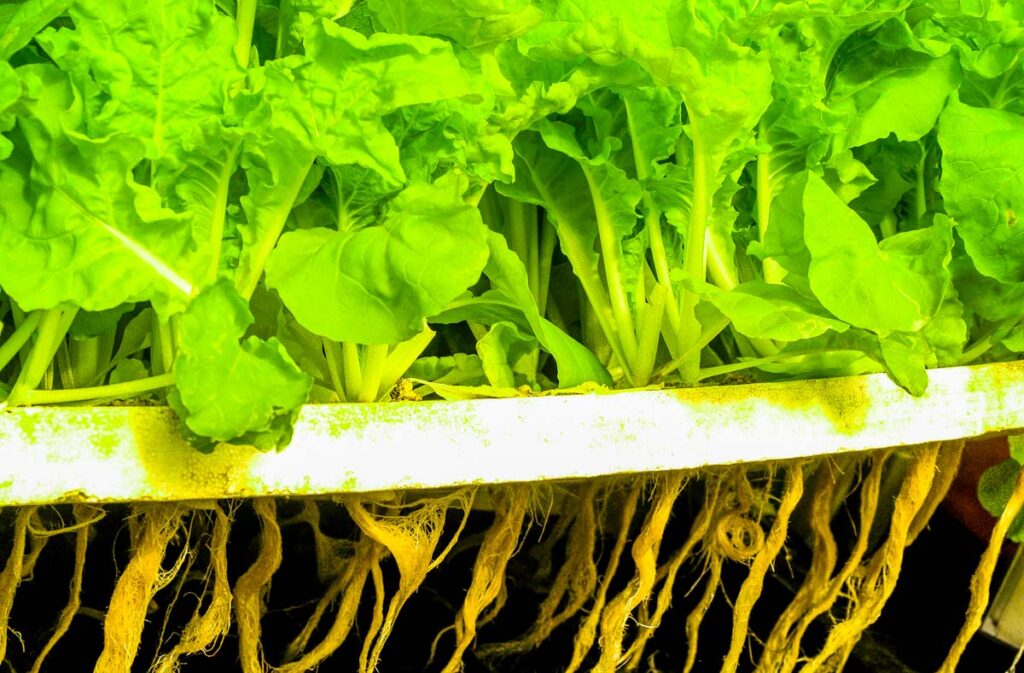
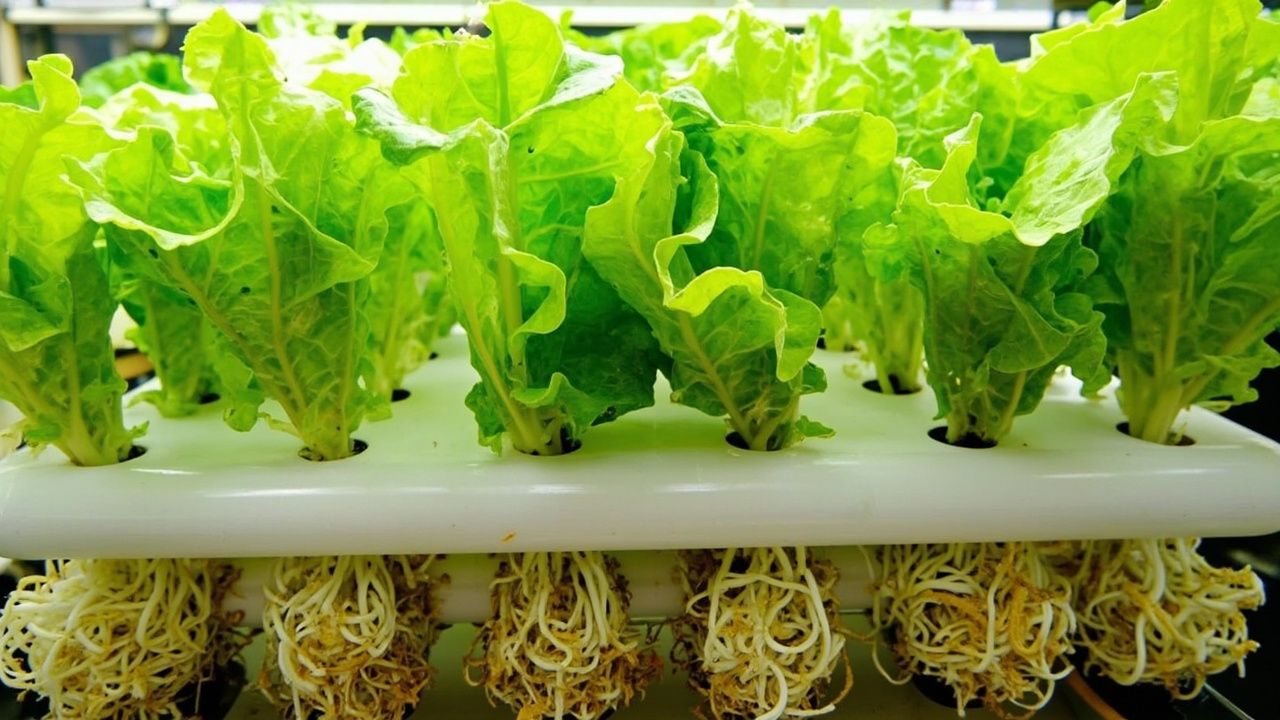
A thin film of nutrient solution flows continuously through a sloped channel. Roots grow into a mat that dips into the film. NFT is the standard for lettuce, basil, and other fast-growing leafy greens because the film delivers nutrients and oxygen simultaneously. Difficulty: intermediate. The main risk is pump failure — root mats dry out within 2-4 hours on a hot day and the crop is gone. Best crops: leafy greens, strawberries, herbs. Not suitable: fruiting plants, heavy vines, root vegetables.
Deep Water Culture (DWC)
Roots sit directly in an aerated nutrient reservoir. The solution is kept oxygenated with an air pump and air stone. DWC is the simplest active system to build and the most forgiving for beginners because the reservoir acts as a pH, EC, and temperature buffer. Difficulty: beginner. The main limitation is crop weight — heavy fruiting plants like mature tomatoes need support cages, and the shallow reservoir depth (15-25 cm) restricts root volume. Best crops: lettuce, basil, kale, chard.
Drip Systems
A pump delivers nutrient solution through small emitters to the base of each plant in a growing medium (perlite, vermiculite, or coco). The excess drains back to the reservoir for recirculation. Drip systems work at any scale — from a single herb pot to a commercial greenhouse. They can support heavy fruiting crops because plants sit in robust containers. Difficulty: intermediate. The risk is emitter clogging from salt buildup; flush the lines monthly.
Aeroponics
Roots are suspended in air inside a sealed chamber and misted with nutrient solution every few minutes. Because roots are exposed to air between mistings, aeroponics delivers the highest oxygen levels of any system, producing the fastest growth rates. Difficulty: advanced. Risk: a pump failure or clogged nozzle kills the entire crop within 1-2 hours. Pressure, misting frequency, and nozzle maintenance must be monitored daily.
Ebb and Flow (Flood and Drain)
A timer floods a grow tray with nutrient solution periodically, then drains it back to the reservoir. The cycle frequency depends on medium, plant size, and temperature — young seedlings may flood once a day, mature plants every two hours. Difficulty: beginner to intermediate. This is a good middle-ground system because it combines the periodic drying of soil-like growing with the nutrient precision of recirculation. Most crops do well, but plants sensitive to root zone fluctuation (like some herbs) may struggle.
Wick Systems
Nutrient solution travels from a reservoir to the root zone via capillary action through a wick or absorbent medium. No pumps. A passive system. Difficulty: beginner. Works well for petite plants that need consistent moisture: lettuce, herbs, microgreens. Struggles with larger plants because the wick cannot move enough water volume to sustain transpiration.
Water Efficiency and Yield Numbers
A recirculating hydroponic system loses water through two pathways only: transpiration from the plants and evaporation from the reservoir surface. Everything else is captured and returned. A well-sealed system uses 85-95% less water than equivalent soil agriculture per kilogram of produce. The 90% figure cited by University of Arizona research applies to lettuce in a recirculating NFT system compared to field-grown lettuce — the largest difference is eliminated runoff.
Growth rate is the second advantage. Hydroponic lettuce reaches harvest maturity in 30-35 days compared to 45-55 days in soil. The reason is nutrient availability — mineral ions in solution arrive at the root surface through diffusion and mass flow, bypassing the soil-particle bottleneck. In soil, roots compete with microbes and mineral adsorption sites; in solution, there is nothing between the ion and the root membrane. For growers, the 25% cycle reduction translates into more crops per year from the same space.
Yields per square metre scale further with vertical stacking. A single-tier NFT system producing 200 g of lettuce per square metre per week becomes 600-800 g with a three-tier vertical rack — assuming pH is maintained within the 5.5-6.5 range and root zone light is excluded. The maths is simple: more tiers × same weekly crop = more kilograms per square metre per year. But the upfront cost increases proportionally with tier count, and structural considerations (rack weight, watering intervals) add complexity.
Real Challenges and Limitations
Hydroponic farming is not a shortcut. Electric costs are the first surprise. Pumps, air stones, and (for indoor setups) grow lights run continuously. A small indoor DWC system costs $30-$60 per month in electricity; a multi-tier aeroponic system with lights can exceed $200. In climates where ventilation is needed to shed heat, add $20-$50 more. Power reliability is the second challenge — a single pump failure on a hot afternoon can destroy a crop worth weeks of growth. Urban growers on unreliable grids need a backup power source, not an upsell.
The initial hardware cost for a reliable indoor setup sits between $200 and $800 depending on system type and scale. A basic DWC build with reservoir, air pump, pots, nutrients, and a simple grow light lands on the lower end. A drip system with multiple timers, larger reservoirs, and LED bar lights climbs toward the higher end. Frugal builds using recycled containers are possible — until they fail and cost more to fix than a proper build would have cost in the first place.
Yield is also crop-specific. Deep-rooted vegetables (carrots, parsnips, beets) perform poorly in most hydroponic systems because root architecture demands deep soil space. Large vining plants (cucumbers, squash) need robust support and higher nutrient concentrations, pushing system cost upward. Flowering fruiting plants (tomatoes, peppers) need careful pollination — no wind or insects indoors. For these crops, a greenhouse or outdoor build is often simpler and cheaper than recreating their requirements indoors.
Monitoring is not optional. Check pH every one to two days and adjust as needed. Check EC weekly and top off with fresh nutrient solution. Inspect roots weekly for browning (early root rot signal) and adjust dissolved oxygen or lighting duration accordingly. A water chiller may be needed in hot climates because reservoir temperatures above 25 °C (77 °F) hold too little dissolved oxygen for healthy root function. Expect pH to drift 0.2-0.5 units within 48 hours of mixing a fresh nutrient solution.
Is Hydroponic Farming Right for You?
Start with your constraint. If you have a balcony or spare room with reliable electricity and want leafy greens or herbs in 30-45 days, a DWC or wick system is the right entry. If you want to learn system mechanics and do not mind monitoring, start with ebb and flow. If you want maximum growth from minimum space and do not mind daily checks, aeroponics is the long-term target.
Start with your budget. Under $100, a passive wick system with a single reservoir and one or two plants is viable. Between $100 and $300, DWC with LED grow light covers lettuce, basil, and most herbs year-round. Above $300, a full drip system with multiple plants and backup timers begins to work commercially. Budget for nutrients ($30-$50 per year), pH adjustment chemicals ($10-$20 per year), and replacement air stones ($10 per year).
Start with your space. A 30 × 30 cm windowsill can run a wick system for herbs. A 60 × 60 cm spare corner handles DWC with two to three plants. A 120 × 60 cm grow tent supports a multi-tier ebb-and-flow for 10-15 lettuce plants. Measure the floor area, add vertical height if you plan to stack, and pick the system that fits — not the other way round.
There is nothing wrong with starting on a windowsill with a single herb in a jar. Hydroponic farming scales on all axes — space, cost, complexity, yield. The question is not whether it works — the question is what band of the cost-curve your situation sits in, and whether you are willing to do the daily monitoring the crop demands.
Once you have decided which system fits your constraints, the next step is mixing the nutrient solution — and getting the nutrient dosing right from day one will save you more time than any equipment upgrade. If your crop is showing yellow leaves within the first 7-10 days, pH drift is the most likely cause because nutrient lockout happens before deficiency symptoms appear. Test pH within 24 hours of planting, then daily for the first two weeks.
For more on hydroponic nutrients and system setup, see our homemade hydroponic nutrients guide and our complete hydroponics system guide.
From Bank Statement to QuickBooks-Ready File
That manual cleanup you just read about? This tool skips it. Turn your PDF into QBO for QuickBooks without storing your data anywhere.
Start Converting