The best soil for begonias is a mix that holds moisture but drains fast — light, airy, and never soggy. Standard bagged potting soil is the #1 reason indoor begonias fail: it is too dense, holds too much water, and collapses within a few months, suffocating the thick, fleshy roots that begonias depend on.
Begonia roots need oxygen as much as they need water. In their native tropical forests, these plants grow in leaf litter and loose organic debris — not in heavy, waterlogged ground. Replicating that environment indoors means building a mix that balances two competing needs: enough organic matter to stay lightly moist between waterings, and enough inorganic material to keep air pockets open in the root zone.
The good news is that the right mix is easy to make from common ingredients, and the difference it makes is visible within weeks. A begonia moved from dense potting soil into a proper mix will produce new leaves faster, hold color better, and resist root rot — the single biggest killer of indoor begonias.
Why Standard Potting Soil Fails for Begonias
Commercial potting soil is designed for a wide range of plants, and it prioritizes water retention. That works for thirsty annuals and vegetables, but it works against begonias. The fine peat and compost in standard mixes compact over time, closing the air gaps that roots need. Water drains slowly — sometimes taking 4 to 5 days for the top inch to dry after a thorough watering. In that window, the root zone becomes anaerobic: oxygen is depleted, and the conditions that cause root rot take hold.
The damage is invisible at first. Roots begin to rot below the soil surface while the plant still looks fine above. By the time leaves yellow and wilt, more than half the root system may be gone. If your begonia’s soil stays wet for more than 3 to 4 days after watering, or if the surface develops a crust, the mix is too heavy. Our article on how overwatering causes root rot explains how to catch and fix this before it is too late.
What Makes a Good Begonia Soil Mix
A good begonia mix has two components: an organic base that holds moisture and nutrients, and inorganic amendments that create drainage and aeration. The organic part can be peat moss or coco coir — both hold several times their weight in water while staying light. The inorganic part is typically perlite, vermiculite, or coarse sand, which create permanent air channels that do not collapse as the organic matter breaks down.
The target texture is loose and crumbly. When you squeeze a handful of the damp mix, it should hold together briefly, then fall apart easily. If it stays a hard clump, it is too heavy. If it falls apart immediately and feels gritty or dusty, it will not hold enough moisture. Aim for a pH between 5.5 and 6.5 — slightly acidic, which matches the forest-floor conditions begonias evolved in. For the full care framework that pairs with this soil guide, see the complete begonia care guide.
The DIY Begonia Mix Recipe
This mix takes about five minutes to assemble and uses widely available ingredients. It works for all indoor begonia types — rex, cane, rhizomatous, and wax.
Base Mix
- 2 parts peat moss or coco coir — the moisture-holding base. Coco coir is more sustainable and pH-neutral; peat holds slightly more water.
- 1 part perlite — creates drainage channels and keeps the mix from compacting. Standard horticultural perlite (not the fine grade).
- 1 part pine bark fines — adds structure, slow-release nutrients, and mimics the leaf-litter environment begonias naturally grow in. Bark pieces should be 1/4 to 1/2 inch.
Substitutions
- No pine bark? Use 1 part orchid bark or add an extra 1/2 part perlite plus 1/2 part vermiculite.
- No perlite? Use coarse horticultural sand (not beach sand or play sand — those are too fine and will concrete the mix).
- For rex begonias, which are especially prone to rot, increase perlite to 1.5 parts for extra drainage.
What to Avoid
- Garden soil — far too dense for containers, compacts within weeks, and may carry pests and pathogens.
- Heavy compost or manure — too rich and too fine; holds too much water and can burn tender roots.
- Vermiculite alone as the amendment — it holds water rather than draining it, which defeats the purpose in a begonia mix.
Understanding Each Ingredient
- Peat moss — holds up to 20 times its weight in water. Slightly acidic (pH 3.5–4.5), which helps offset the alkalinity of tap water. Downside: it is a finite resource and becomes hydrophobic when fully dry.
- Coco coir — similar water-holding capacity to peat but pH-neutral (5.5–6.8). Easier to re-wet if it dries out. More sustainable. Slightly lower in available nutrients, so fertilizing on schedule matters more.
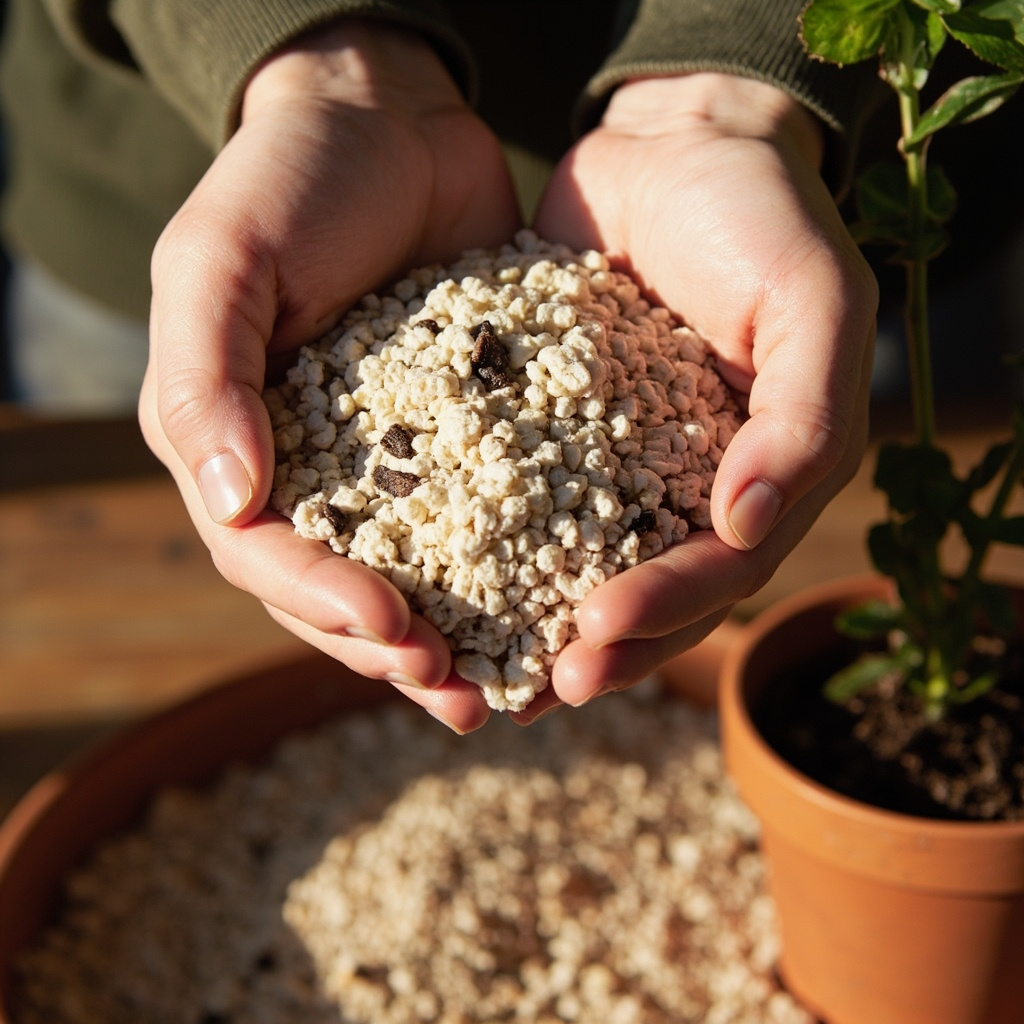
- Perlite — volcanic glass expanded by heat. Inert, pH-neutral, and permanent. It does not break down or hold nutrients. Its only job is to create air space and speed drainage.
- Pine bark fines — slowly decomposes, releasing small amounts of nitrogen and creating a beneficial micro-environment for root health. The irregular pieces create large air pockets that perlite alone cannot.
Pot and Repotting Considerations
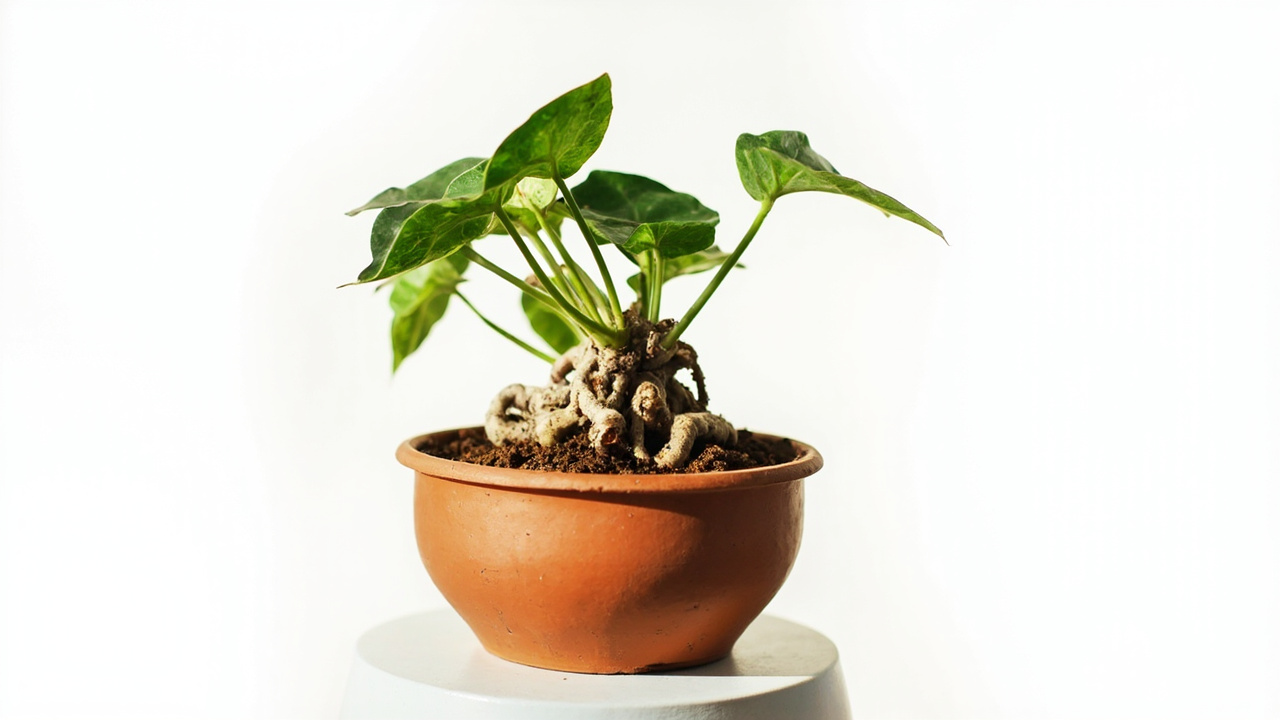
The pot matters almost as much as the soil. Terracotta is the best choice for most begonias because it is porous — moisture evaporates through the walls, which helps prevent overwatering. The trade-off is that the soil dries faster, so you will water more often. In a dry heated home, that can be a problem. Glazed ceramic or plastic retains moisture longer, which helps in arid environments but requires more discipline: always check the soil before watering, never water on a schedule alone.
Whatever the pot, drainage holes are non-negotiable. A begonia in a pot without drainage is a begonia waiting to rot. Repot every 1 to 2 years in spring, refreshing the mix because the organic components break down and lose their structure over time. When repot, choose a pot only 1 to 2 inches larger in diameter — an oversized pot holds too much wet soil around a small root system. For how soil moisture connects to watering frequency, see our begonia watering frequency and tips.
Signs Your Soil Is Wrong
- Water sits on the surface for more than a few seconds before absorbing — the mix is too dense or has hydrophobic peat on top.
- Soil pulls away from the pot edges when dry — the peat has become hydrophobic. Submerge the entire pot in water for 10 minutes to re-wet.
- Sour or musty smell from the soil — anaerobic conditions, usually from overwatering or a mix that is too heavy. Repot with fresh mix immediately.
- White crust on the pot rim or soil surface — salt buildup from hard water or over-fertilizing. Scrape off the crust and flush with plain water.
- Soil level drops significantly within a few months of repotting — the organic matter is breaking down. Time to refresh the mix.
Turn That PDF Into a Spreadsheet in Minutes
You've seen how to do it manually — now let the tool handle the heavy lifting. Upload your bank statement and get Excel, CSV, or QBO in a few clicks.
Try It Free