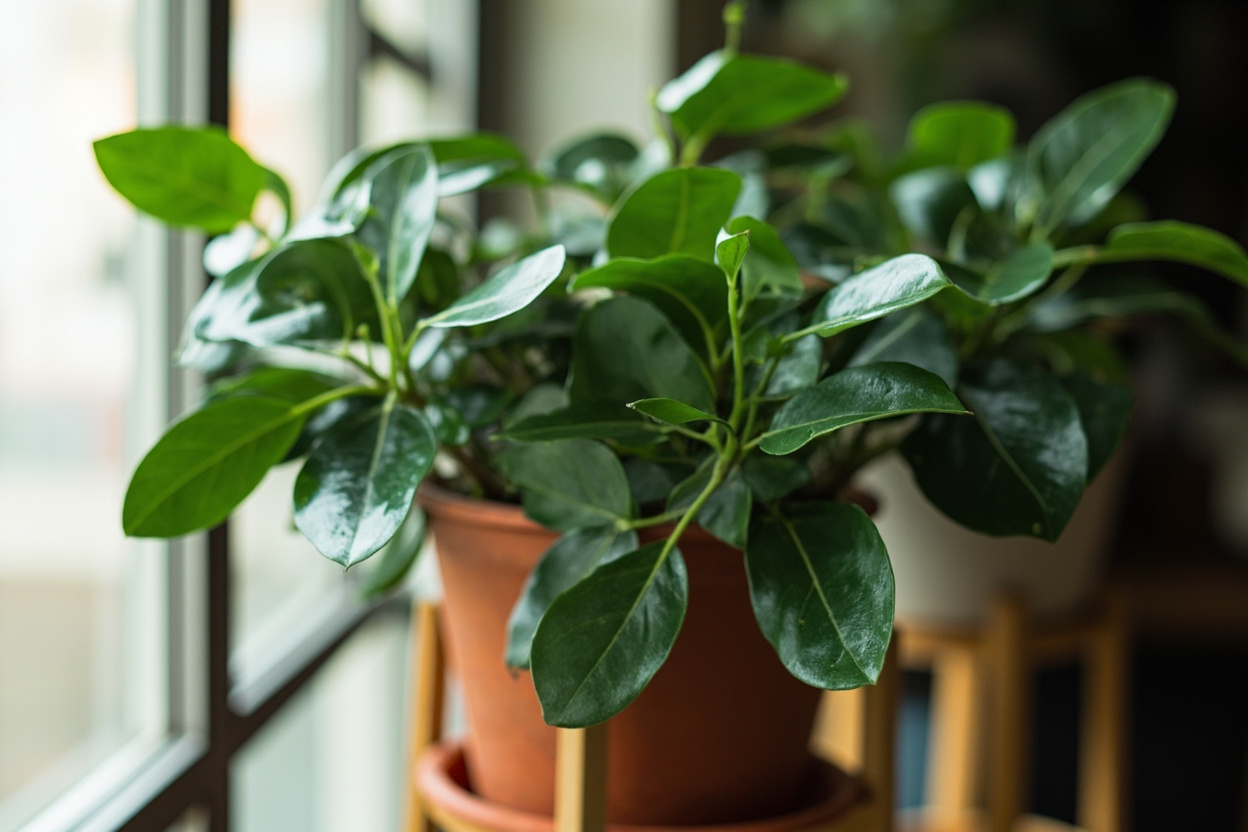
Weeping figs (Ficus benjamina) are one of the most widely sold indoor trees in the world, and one of the most frustrating. The reason is not that they are difficult — it is that they are sensitive to change. Move the plant to a new room, shift it a few feet from its current spot, or change its watering schedule, and it responds by dropping leaves. The core care formula is straightforward: bright indirect light, consistent moisture, and once you find the right spot, leave it there.
A healthy weeping fig is a genuinely beautiful plant. The slender branches carry small, glossy, oval leaves that create a light, airy canopy. In a good environment, the plant grows 12 to 24 inches per year and can reach 6 feet indoors. Variegated cultivars like ‘Starlight’ add white and cream to the foliage if you want more contrast.
This guide covers the exact care routine that prevents the leaf drop most owners struggle with — light, water, soil, environment, feeding, pruning, and troubleshooting.
Light and Placement
Weeping figs need bright indirect light to hold their leaves and grow well. An east-facing window is ideal — the plant gets gentle morning sun and bright indirect light for the rest of the day. A west-facing window works if you filter the afternoon sun with a sheer curtain. South-facing windows are acceptable if the plant sits 3 to 5 feet back from the glass.
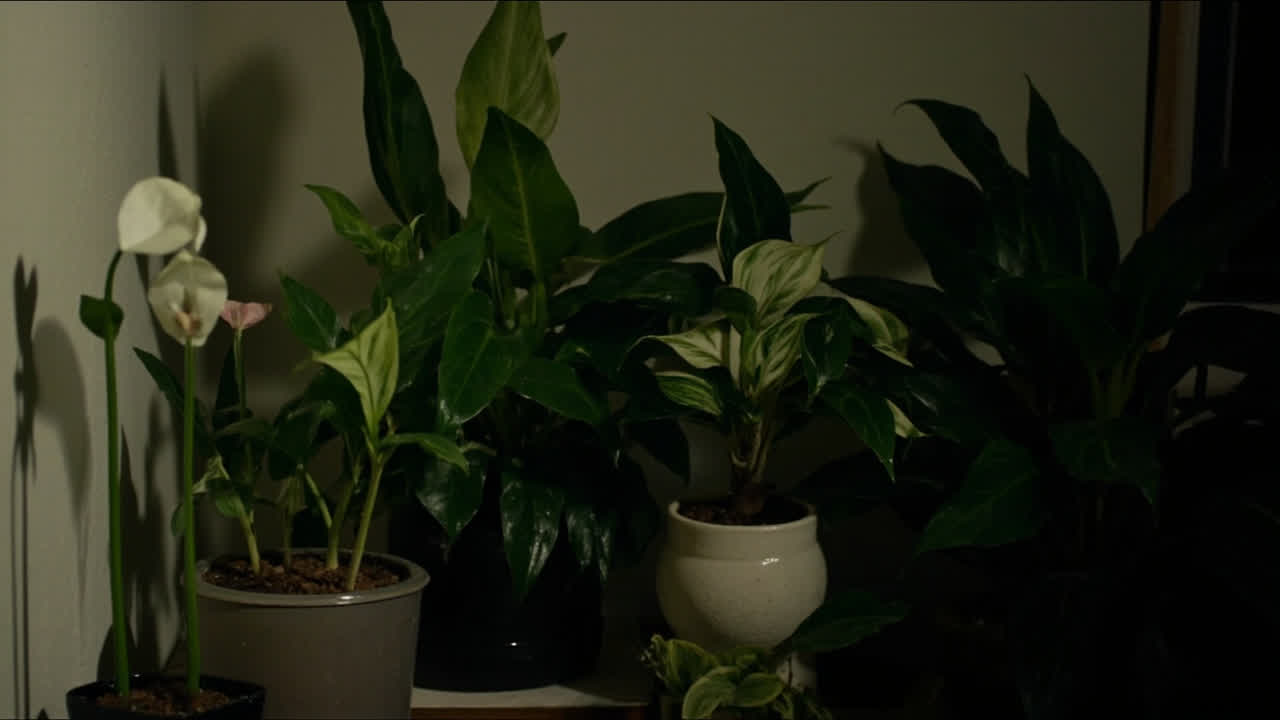
Low light is the weeping fig’s biggest enemy. In a dim room, the plant will slowly shed leaves from the inside out, starting with the oldest growth. It may survive for a year in low light, but it will look thin and sparse the entire time. If you only have a north-facing window, supplement with a full-spectrum grow light running 10 to 12 hours daily.
The most important rule with placement is stability. Once you find a spot where the plant is happy, do not move it. Weeping figs acclimate to their specific light angle, humidity level, and temperature. A change of even a few feet can trigger leaf drop that lasts 2 to 4 weeks. If you must move the plant, do it gradually — shift it a foot every few days rather than relocating it all at once.
Watering Routine
Water when the top inch of soil feels dry, then water thoroughly until it drains from the bottom. Empty the saucer after 15 minutes — the plant should never sit in standing water. In spring and summer, this typically means watering every 5 to 7 days. In fall and winter, stretch to every 10 to 14 days.
Consistency matters more than precision. Weeping figs respond badly to alternating drought and flood. If you forget a watering and the leaves start to wilt, water thoroughly and the plant will recover within a day or two. But if you then overcompensate by keeping the soil constantly wet, the roots will suffocate and the plant will drop leaves from the bottom up.
Signs of overwatering include yellowing leaves, a musty smell from the soil, and soft stems near the base. Signs of underwatering are crispy leaf edges, wilting, and leaves that curl inward. If you see either pattern, adjust your routine and give the plant 2 to 3 weeks to stabilize before making further changes.
Soil, Potting, and Repotting
Use a well-draining mix that holds moisture without staying waterlogged. A standard indoor plant potting soil with 25 to 30 percent perlite mixed in works well. The pot must have drainage holes — without them, water collects at the bottom and the roots rot.
Weeping figs prefer being slightly root bound. Repot only when roots are visibly growing out of the drainage hole or circling the soil surface, and only in spring. Move up one pot size at a time — no more than 2 inches wider. A pot that is too large holds excess moisture and increases the risk of root rot. After repotting, expect some leaf drop for 2 to 3 weeks as the roots adjust.
Humidity, Temperature, and Draft Management
Weeping figs prefer humidity between 40 and 55 percent. In heated winter homes, humidity often drops below 30 percent, which causes leaf edges to turn brown and crispy. A room humidifier is the most reliable fix. Grouping plants together or using a humidity tray helps, but neither is as effective as a humidifier in dry air.
The ideal temperature range is 60 to 75 °F (15 to 24 °C). The plant can tolerate brief dips to 50 °F (10 °C) but sustained cold causes rapid leaf drop. Keep it away from heating vents, radiators, air conditioning units, and drafty windows. A single cold draft on a winter night can trigger leaf loss that takes a month to recover from.
If your weeping fig is near a door that opens frequently in winter, move it. Even a few seconds of cold air, repeated daily, adds up. The plant will hold its leaves in a stable 65 °F room but drop them in a 65 °F room with a drafty window three feet away.
Feeding Schedule
Feed monthly from spring through early fall with a balanced liquid fertilizer diluted to half the label strength. A 10-10-10 or similar all-purpose formula works well. Apply to damp soil, never dry, to avoid root burn.
Stop feeding in late fall and winter. The plant is not actively growing, and unused fertilizer salts accumulate in the soil, which damages roots and causes brown leaf tips. If you notice white crust on the soil surface, flush the pot with plain water and skip the next two feedings.
Weeping figs are moderate feeders. More fertilizer does not mean faster growth — it means salt damage and weak, leggy stems. If the plant is putting out 6 to 8 inches of new growth per year, the feeding schedule is working.
Pruning and Shaping
Prune weeping figs in late winter or early spring, just before the main growing season. The plant responds well to pruning and will branch below each cut, giving you a fuller canopy.
- Remove any dead, damaged, or crossing branches first.
- Cut back overly long stems to just above a leaf node, leaving at least two leaves on each remaining section.
- Thin the interior if the canopy is dense — this improves air circulation and reduces the risk of fungal issues.
- Wear gloves when pruning. The milky sap can irritate skin and stain clothing.
Pruned stems can be used for propagation if they are at least 4 inches long and have two or more leaves. Root them in water or moist perlite in bright indirect light. Roots typically appear in 4 to 6 weeks.
Why Your Weeping Fig Is Dropping Leaves
- Recent move or relocation: The most common cause. The plant is adjusting to new light, temperature, or humidity. Wait 3 to 4 weeks before making further changes.
- Overwatering: Yellowing lower leaves and soggy soil. Let the top inch dry out between waterings and check drainage.
- Underwatering: Crispy leaf edges and wilting. Water thoroughly and establish a consistent schedule.
- Draft or temperature change: Sudden leaf loss after a cold snap or new vent exposure. Move the plant to a stable location.
- Low light: Gradual thinning from the inside out. Move to a brighter spot or add a grow light.
- Low humidity: Brown leaf edges and tips. Increase humidity with a humidifier or pebble tray.
Leaf drop is the weeping fig’s universal stress response. It does not tell you exactly what is wrong, only that something changed. Work through the list above, correct the most likely cause, and give the plant time. Most weeping figs recover fully within 4 to 6 weeks if the underlying issue is fixed.
From PDF to Excel in one click
Forget retyping line by line. Upload any bank statement, get a spreadsheet you can actually use. Your files are never stored, and you can test the converter with 3 free conversions.
Try it free