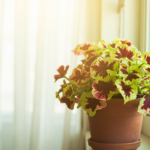
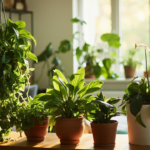
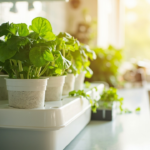
Agalonema tolerate lower light than almost any colourful houseplant. Green varieties survive in north-facing windows and interior rooms with only fluorescent lighting. But for the best colour and steady growth, bright indirect light is ideal. Understanding the light spectrum — from survival-level low light to optimal bright indirect — helps you choose the right variety for your space and keep it thriving.
The Light Range: From Survival to Thriving
The care guide covers the full growing routine. For low-light plant recommendations, the low light plants guide lists aglaonema among the top performers.
At the low end, aglaonema survive in rooms where you can comfortably read a newspaper during the day. This is roughly 50 to 250 foot-candles. Growth is slow, new leaves are smaller, and variegated cultivars lose their colourful markings. The plant stays alive but does not put on the lush growth that makes it attractive.
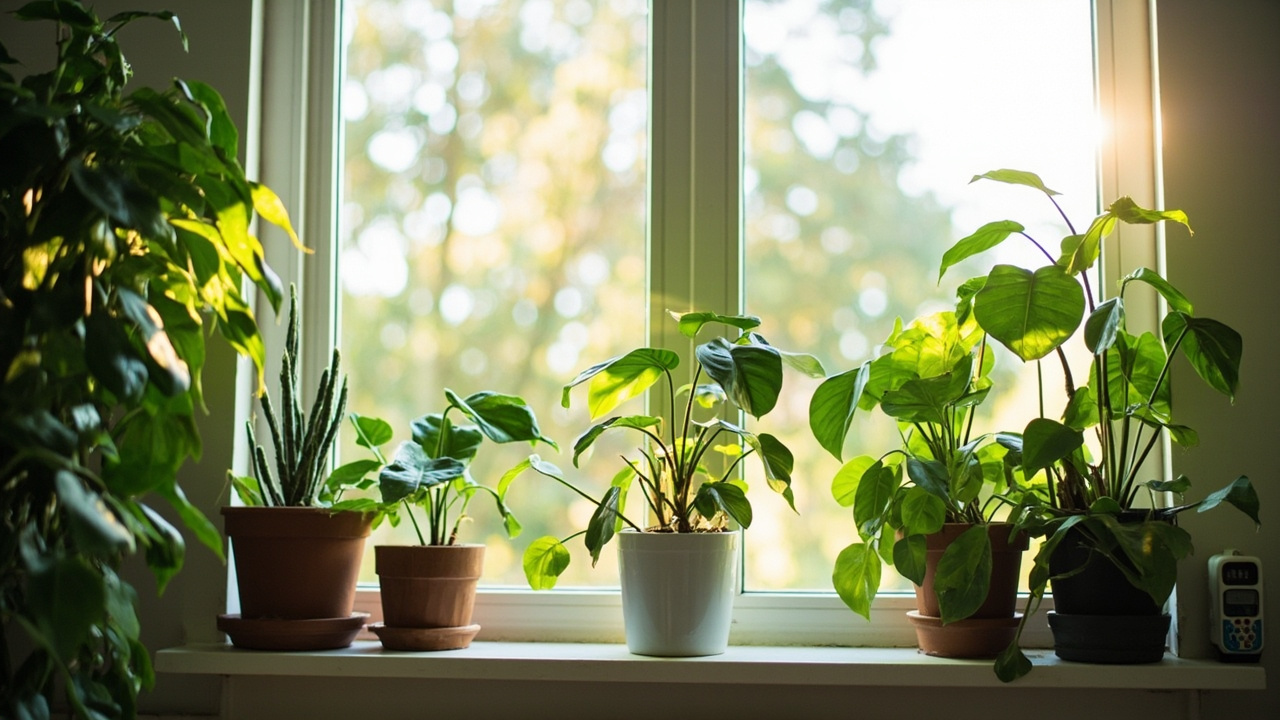
In the middle range (250 to 1,000 foot-candles) — an east-facing window or a spot 1 to 2 meters from a south-facing window — aglaonema thrive. Growth is steady, leaves are full-sized, and variegated cultivars display their best colour. This is the sweet spot for most home growers.
Above 1,000 foot-candles of direct sun, the leaves scorch. Agalonema evolved as understory plants in tropical forests — they are adapted to filtered light, not direct beam sun. A sheer curtain or a spot back from a south-facing window prevents scorching while providing enough brightness for strong growth.
Variety Selection by Light Level
Not all aglaonema handle low light equally. Green varieties like ‘Emerald Bay’ and ‘Jewel of India’ tolerate the dimmest conditions. Their high chlorophyll content allows photosynthesis at light levels that would starve a variegated plant.
Variegated cultivars — ‘Pink Diamond’, ‘Red Siam’, ‘Silver Queen’ — need more light to maintain their colour. In low light, the pink and silver markings fade to green as the plant produces more chlorophyll to compensate for the reduced light. If you want to grow a variegated aglaonema in a low-light room, supplement with a grow light for 8 to 10 hours per day.
The darkest-leaved varieties, like ‘Black Lance’ and ‘Ebony’, handle low light surprisingly well. Their dark green to nearly black leaves contain more chlorophyll per unit area than lighter varieties, giving them a photosynthetic advantage in dim conditions.
Artificial Light: Grow Lights Work Well
Agalonema respond well to artificial light. A standard LED grow light (10 to 15 watts, full spectrum, 6,500K colour temperature) placed 30 to 40 cm above the plant for 8 to 10 hours per day provides enough light for healthy growth in a windowless room.
Set the light on a timer to provide consistent day length. Agalonema do not need a dark period as long as humans do, but 8 hours of darkness helps the plant process the sugars produced during photosynthesis. A cycle of 10 hours on, 14 hours off works well.
Signs of Wrong Light
Too little light: the plant stretches (etiolation), with longer spaces between leaves and a leggy, open habit. New leaves are smaller and less colourful. The plant may lean toward the light source.
Too much light: leaves develop pale, bleached patches or brown scorch marks, usually on the side facing the window. The leaf tissue in the affected area becomes thin and papery. Move the plant back from the window or add a sheer curtain.
The fix for both is simple: move the plant. Agalonema are slow to show stress but also slow to recover. Give the plant two to three weeks in its new position before judging whether the change helped.
Turn any PDF statement into a clean sheet
Skip the typos and the hours of copying. Our converter handles any bank statement format and outputs Excel, CSV, or QBO for QuickBooks. No file retention, free to try.
Convert your statement