
Houseplants are more than decorative elements; they’re living companions that brighten our homes, purify the air, and bring a touch of nature indoors.
But nothing kills the joy of nurturing indoor plants faster than spotting an unwelcome guest: bugs!
From fungus gnats to mealybugs, these tiny invaders can wreak havoc if left unchecked.
This guide will arm you with everything you need to know about how to get rid of bugs in houseplants and tackling house plant pest, ensuring your leafy friends remain healthy and pest-free.
Why Pest-Free Indoor Plants Matter
Imagine setting the perfect table for a family dinner, only to find ants swarming your favorite dish?
That’s what pests do to your plants—they steal nutrients, disrupt growth, and leave your greenery looking like it’s seen better days.
Pest infestations weaken plants, making them susceptible to diseases and stunted growth.
The quicker you identify and tackle the problem, the better chance your plants have to thrive.
Discover the best trendy indoor plants with low maintenance that can thrive even if you’re a beginner or have a busy schedule.
Spotting the Signs of Pest Infestation
Bugs don’t wear neon signs announcing their arrival. However, they leave behind clues:
- Yellowing Leaves
A hallmark of nutrient theft. This can often indicate the presence of plant pests like aphids, mealybug, or whiteflies that suck the sap from plant leaf, depriving them of essential nutrients. - Sticky Residue or Sooty Mold
Left by scale insects and aphids. This sticky substance, known as honeydew, can encourage the growth of sooty mold on the leaves, leading to blackened foliage. - Webbing on Leaves
A clear sign of spider mite. These tiny pests can cause significant damage by feeding on plant cells, leaving a fine webbing that is often mistaken for dust or dirt. - Flying Insects
If you see fungus gnats flitting around, their larvae might be feasting on the roots. These small flies are often seen near damp soil and can be particularly damaging to seedlings and young plants. - Chewed or Ragged Leaves
Caterpillars, beetles, and slugs can leave holes or ragged edges on leaves. Regularly checking the undersides of leaves can help identify these culprits. - Discolored Spots or Speckles
Thrips and certain mites can cause tiny discolored spots on leaves as they feed, resulting in a stippled appearance. - Distorted Growth
Pests like aphid infestation can cause new growth to appear twisted or stunted, as they transmit viruses and toxins while feeding.
Practical Plant Care Routine
Being observant pays off—regularly inspect your plants, especially new plants introduced into your home.
Early detection allows for swift action and minimizes damage. Consider integrating these practices into your plant care routine:
- Quarantine New Plants: Isolate new plant for a few weeks to monitor for any pest activity.
- Regular Cleaning: Wipe leaves with a damp cloth to remove dust and potential pests.
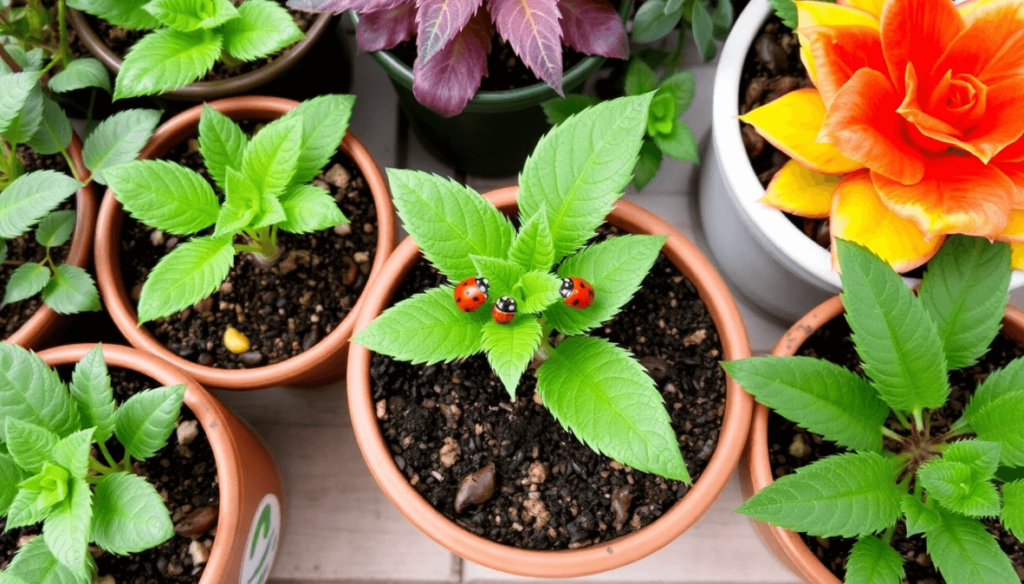
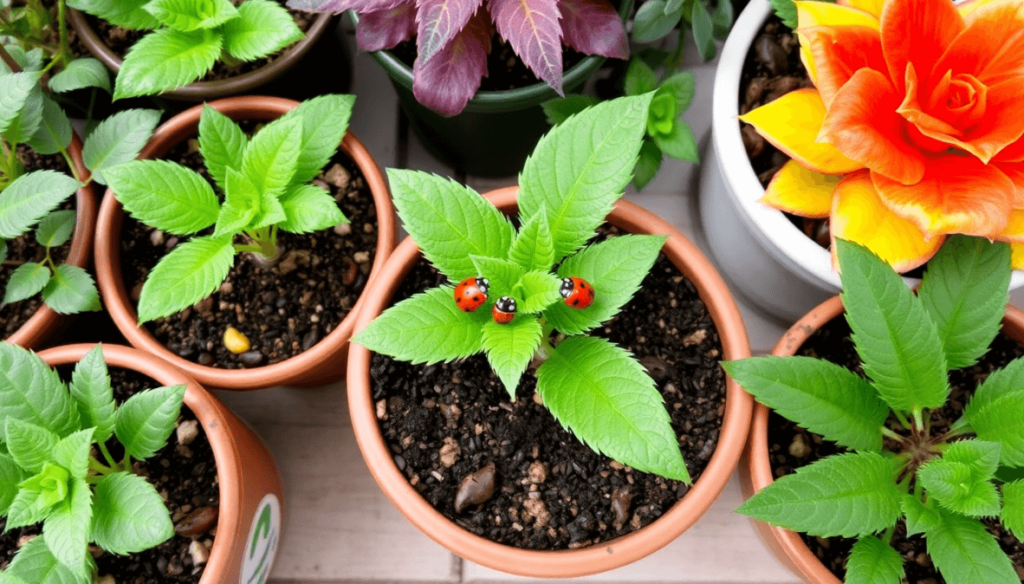
- Natural Predators: Introduce beneficial insects like ladybugs or predatory mites to control pest populations.
- Proper Watering and Drainage: Overwatering potted plant can attract pests like fungus gnats; ensure pots have good drainage and avoid waterlogged soil.
Taking these proactive steps can help maintain a healthy environment for your plants and reduce the risk of infestations.
Struggling to keep your indoor garden thriving? Discover essential tips on reviving your wilting plants in our guide on how to save dying plants indoor.
The Common Houseplant Pest
Not all bugs are created equal! Some are sneaky, while others are outright destructive.
Here’s a closer look at the common houseplant pests:
1. Fungus Gnats
These tiny flies resemble fruit flies but are far more sinister. While the adults are mostly annoying, their larvae feast on plant roots, causing wilting and stunted growth.
Explore our comprehensive guide on how to get rid of gnats on houseplants and keep your indoor greenery thriving.”
2. Spider Mites
Barely visible to the naked eye, these pests leave telltale signs like yellowed leaves and fine webbing. A severe infestation can defoliate your plants.
Don’t give up on your struggling spider plant just yet—learn effective techniques to bring it back to health in our article on how to save a dying spider plant.
3. Mealybug Infestation
Soft, white, cotton-like masses on stems and leaves? Say hello to mealy bug. These slow movers suck the life out of your plants, literally.
4. Scale Insects
Hard-to-spot scale bugs insect cling stubbornly to stems and leaves, excreting a sticky substance that invites sooty mold.
How To Get Rid of Bugs From Houseplants
Let’s roll up our sleeves and dive into proven methods to deal with these unwanted pests:
1. Insecticidal Soap: Your Gentle Warrior
This mild solution is tough on bugs but kind to your plants. Spray it on infested areas, ensuring it reaches the underside of the leaves where pests like to hide.
It’s especially effective against soft bodied insect pest like aphids and mealy bugs.
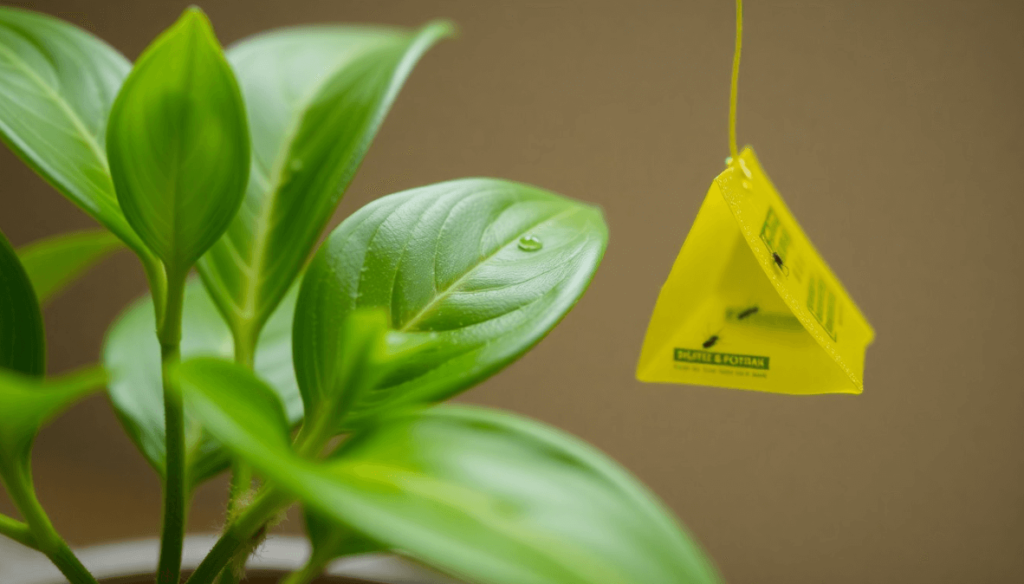
2. Yellow Sticky Traps: Bug Magnets
Place yellow sticky trap near affected plant to catch flying pests like fungus gnats. Think of it as the pest equivalent of a “no-entry” sign.
3. Systemic Insecticides: The Long-Term Fix
When infestations are severe, systemic insecticide provide lasting relief. They’re absorbed by the plant, targeting bugs like scale insects that feed on plant sap.
4. Beneficial Insects: Nature’s Pest Patrol
If you’re all about organic solutions, introduce beneficial insects like ladybugs to your indoor plant. They’ll munch on pests while sparing your plants.
Advanced Bug Removal Tactics
For tougher cases, a more thorough approach may be necessary:
- Inspect Potting Soil and Roots: Bugs like fungus gnat larvae thrive in moist, organic-rich houseplant soil. Repotting with fresh soil and trimming damaged roots can stop them in their tracks.
- Clean the Entire Plant: For heavily infested plant, a gentle shower or wiping down leaves with a soft cloth can dislodge pests without harming the plant.
- Address Fungus Gnat Larvae: Allowing the soil to dry out between waterings disrupts their life cycle. You can also sprinkle diatomaceous earth on the soil surface for added protection.
- Quarantine New Plants: Isolate new plants for a few weeks to ensure no hidden pests hitch a ride into your home.
Even a seemingly lifeless money tree may have hope; explore our methods to revive a dead money tree and restore its natural beauty.
Preventing Future Pest Infestations
An ounce of prevention is worth a pound of cure. Keep your plants happy and healthy with these tips:
- Avoid Overwatering: Soggy soil is a breeding ground for bugs.
- Clean Plant Leaves Regularly: Dusty leaves are magnets for pests like spider mites.
- Use Well-Draining Potting Soil: This discourages root rot and pest habitation.
- Regular Inspections: Catching an infestation early saves you a world of trouble.
How To Get Rid of Houseplant Bugs
Pests may be small, but their impact on your indoor oasis can be huge.
By understanding the signs of an infestation, identifying common pest, and using effective strategies to eliminate them, you’ll ensure your houseplants remain a source of joy, not frustration.
Keep an eye on your leafy companions, and with a bit of effort, they’ll reward you with vibrant, healthy growth free of pests.
Remember, a pest-free plant is a happy plant—and a happy plant makes a happy home!
Happy gardening friends!
Turn PDF Bank Statements Into Workable Spreadsheets
Your bank statement is a mess of numbers, but your books shouldn't be. Use our converter to get Excel, CSV, or QBO files — ready for QuickBooks.