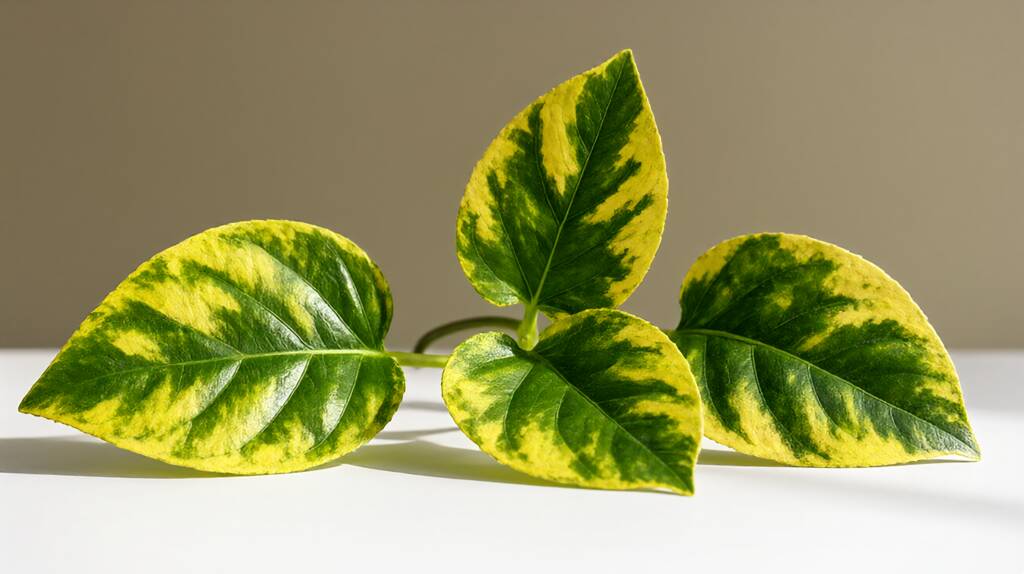

Yellow leaves are the most common symptom in houseplant care. For species-specific diagnosis, see our mass cane yellow leaves guide., and they are also the most misdiagnosed. A yellow leaf can mean too much water, too little water. For spider plant issues, see our spider plant brown tips guide., too much light, too little light, too much fertilizer, too little fertilizer, or simply old age. The specific pattern of yellowing, not just the color itself, is the diagnostic key. For bird of paradise issues, see our bird of paradise yellow leaves guide. This guide provides a systematic approach to reading yellow leaves and identifying the cause.
Most plant owners react to yellow leaves by changing everything at once: more water, less water, more light, less light, more fertilizer. This approach usually makes things worse. The correct response is to observe the pattern, match it to a cause, and make one targeted change.
The Diagnostic Framework
Yellow leaves have three diagnostic dimensions: location, pattern, and accompanying symptoms. Each dimension narrows the possible causes.
Location: Which leaves are yellowing? Older, lower leaves point to different causes than younger, upper leaves. Middle leaves point to yet another set of causes.
Pattern: How is the yellowing distributed? Uniform yellowing across the entire leaf suggests different causes than yellowing between the veins, yellowing at the tips, or yellowing at the margins.
Accompanying symptoms: What else is happening? Drooping, wilting, brown tips, soft stems, dry soil, wet soil, and new growth quality all provide additional diagnostic information.
Location-Based Diagnosis
Older, lower leaves yellowing first: This is the most common pattern and usually indicates a water problem or natural senescence. The plant is reallocating resources from older leaves to support new growth. Causes include overwatering, underwatering, nitrogen deficiency, or natural aging.
Younger, upper leaves yellowing first: This pattern is less common and points to different causes. New growth is more sensitive to certain conditions than mature leaves. Causes include iron deficiency, light deficiency, or fluoride toxicity.
Middle leaves yellowing: This pattern is unusual and often indicates a specific nutrient deficiency or environmental stress. Causes include magnesium deficiency, inconsistent watering, or temperature shock.
Pattern-Based Diagnosis
Uniform yellowing across the entire leaf: The entire leaf turns yellow evenly. This suggests a general nutrient deficiency (nitrogen), overwatering, or natural senescence. The plant is not getting enough of a specific nutrient or is experiencing root stress.
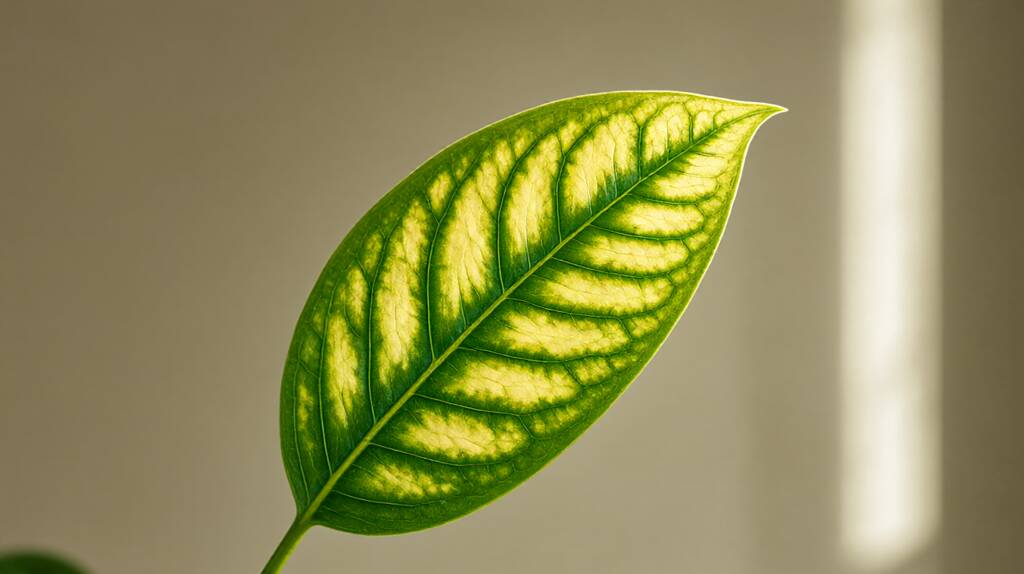
Interveinal yellowing (yellowing between the veins, veins stay green): This is a classic sign of magnesium deficiency. The plant is mobile in magnesium, so older leaves show symptoms first. The veins remain green because magnesium is transported to the growing points.
Yellowing at the tips and margins: The leaf tips and edges turn yellow while the center stays green. This suggests fluoride or salt toxicity, potassium deficiency, or physical damage from drafts or heating vents.
Yellowing at the base of the leaf: The leaf base turns yellow while the tip stays green. This is unusual and may indicate a vascular problem or root damage that affects water transport to specific leaves.
The Diagnostic Matrix
Use this matrix to identify the cause of yellow leaves on your plant:
- Older leaves + uniform yellow + wet soil: Overwatering. Check roots, repot if needed.
- Older leaves + uniform yellow + dry soil: Underwatering. Water thoroughly.
- Older leaves + uniform yellow + correct moisture: Nitrogen deficiency. Fertilize with nitrogen-heavy fertilizer.
- Older leaves + interveinal yellow + correct moisture: Magnesium deficiency. Add Epsom salt.
- Younger leaves + uniform yellow + correct moisture: Iron deficiency. Use chelated iron supplement.
- Younger leaves + yellow tips/margins: Fluoride or salt toxicity. Flush soil, improve water quality.
- Any leaves + yellowing after temperature change: Temperature shock. Move to stable environment.
- Lower leaves + gradual yellowing + slow growth: Light deficiency. Move to brighter location.
- 1-2 lower leaves + uniform yellow + rest healthy: Natural senescence. Remove dead leaves.
Accompanying Symptoms
The yellowing pattern alone is not always sufficient for diagnosis. Accompanying symptoms provide critical additional information.
Drooping or wilting: Indicates water stress. If the soil is wet, the plant is overwatered and roots are damaged. If the soil is dry, the plant is underwatered.
Brown tips: Indicates fluoride toxicity, low humidity, or physical damage. Check water quality and humidity levels.
Soft stems or rhizome: Indicates root rot from overwatering. Check roots immediately.
Stunted growth: Indicates nutrient deficiency or light deficiency. Check fertilization and light levels.
New growth is small or pale: Indicates light deficiency or nutrient deficiency. Increase light or fertilize.
Plant is top-heavy or leaning: Indicates root damage or root-bound conditions. Check root health and pot size.
Species-Specific Considerations
Different plant species have different sensitivities. A yellow leaf on a Chlorophytum comosum points to different causes than a yellow leaf on a Dracaena fragrans.
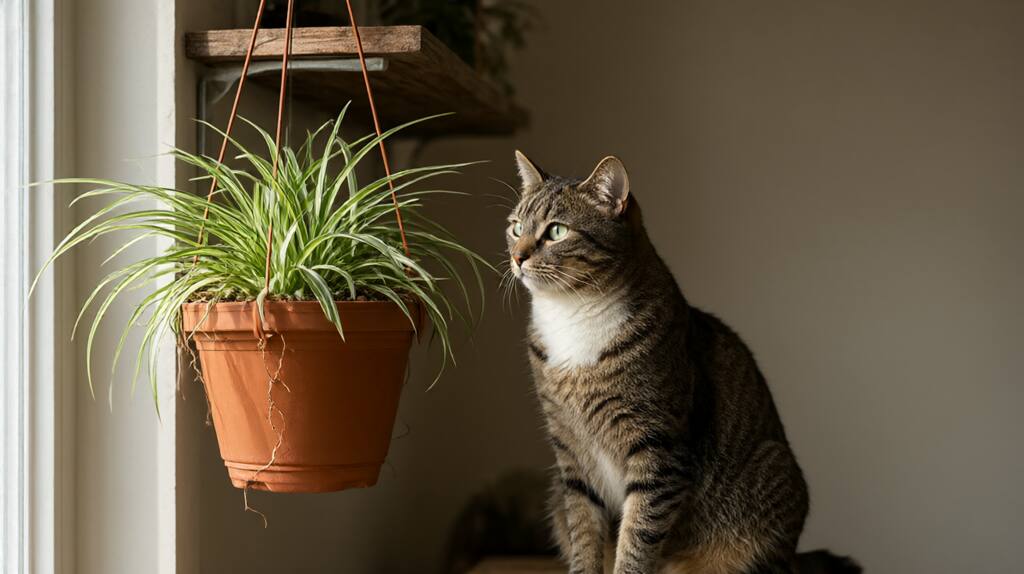
Spider plants: Most likely cause is fluoride toxicity. Check water quality first.
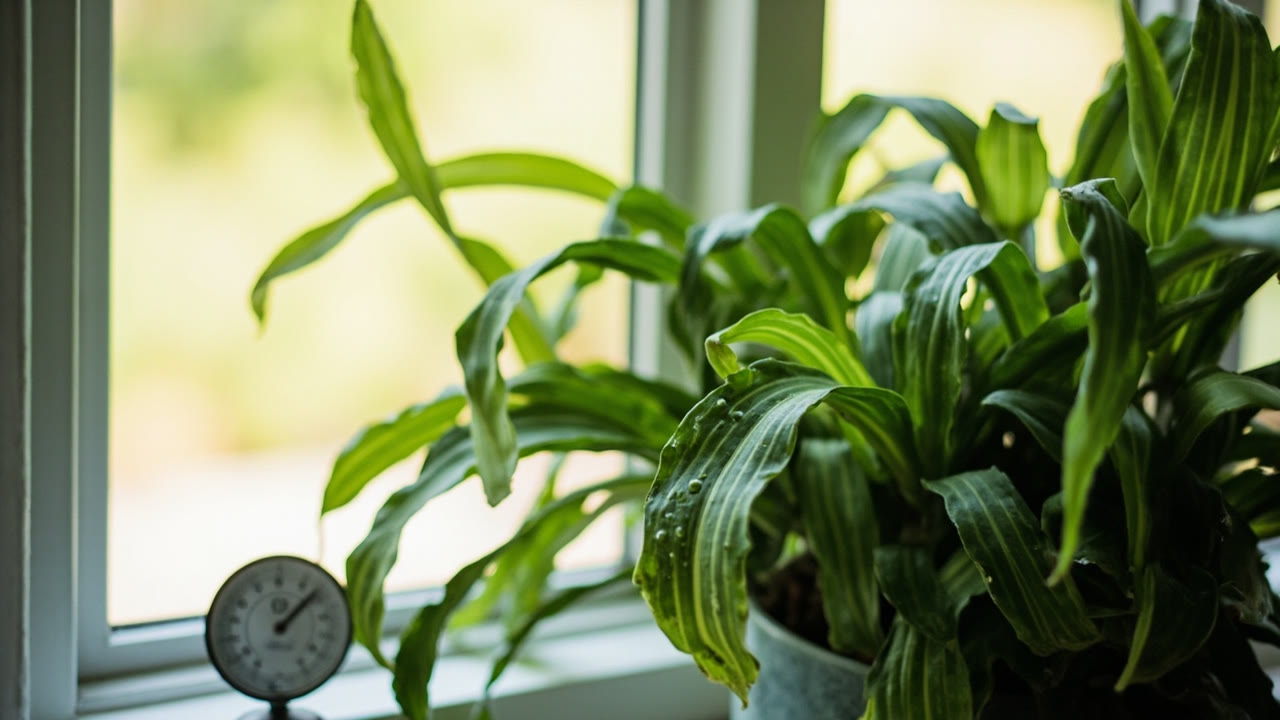
Mass cane: Most likely cause is overwatering. Check soil moisture and roots.
Bird of paradise: Most likely cause is overwatering or nutrient deficiency. Check soil moisture and fertilization.
Caladiums: Most likely cause is overwatering or dormancy. Check soil moisture and season.
Hydroponic plants: Most likely cause is nutrient deficiency or pH drift. Check EC and pH.
One or two yellow leaves at the base of an otherwise healthy plant is normal. The plant is reallocating resources from older leaves to new growth. This is not a problem.
Multiple yellow leaves appearing simultaneously, especially on newer growth, indicates a problem. Use the diagnostic matrix above to identify the cause.
If yellowing continues despite addressing all likely causes, the plant may have a systemic issue such as root rot or pest infestation. Inspect the roots and check for pests.
Common Misdiagnoses
The most common misdiagnosis is attributing yellow leaves to underwatering when the actual cause is overwatering. Both produce yellowing, but the pattern and accompanying symptoms are different. Overwatering produces soft, mushy leaves and wet soil. Underwatering produces dry, papery leaves and dry soil.
The second most common misdiagnosis is attributing yellow leaves to nutrient deficiency when the actual cause is water quality. Fluoride and salt toxicity produce yellowing that looks like nutrient deficiency. The difference is the location: fluoride damage starts at the tips and margins, while nutrient deficiency is more uniform.
The third most common misdiagnosis is attributing yellow leaves to light deficiency when the actual cause is natural senescence. Natural senescence affects 1-2 older leaves at a time. Light deficiency affects multiple leaves and produces small, pale new growth.
Prevention
Preventing yellow leaves is more effective than treating them. The most important prevention strategies are:
- Consistent watering: Water when the soil condition indicates, not on a fixed schedule. Check soil moisture before every watering.
- Proper drainage: Use pots with drainage holes and fast-draining soil. Never let plants sit in standing water.
- Water quality: Use filtered or rainwater if your tap water is high in fluoride or hardness. Flush soil monthly.
- Appropriate light: Match the plant to the light available. Do not place high-light plants in low-light locations.
- Regular fertilization: Feed during the growing season at appropriate rates. Test soil every 2-3 years.
- Temperature stability: Keep plants away from drafts, heating vents, and air conditioners.
If yellowing continues despite addressing all likely causes, the plant may have a systemic issue. Root rot, pest infestation, or disease can produce yellowing that does not respond to standard fixes.
If multiple plants are showing yellow leaves simultaneously, the cause may be environmental. Check water quality, temperature, and humidity in the growing area.
For valuable or sentimental plants, consult a local nursery or extension service. They can diagnose issues that are difficult to identify from symptoms alone.
The roots tell you what the leaves cannot. Healthy roots are white or light tan, firm, and have a fresh earthy smell. Damaged roots are brown or black, mushy, and may smell foul. Root inspection is the most reliable diagnostic tool for yellow leaves.
To inspect roots, gently remove the plant from its pot. Shake off loose soil and examine the root ball. If more than 30% of the roots are damaged, the plant needs repotting and root pruning. If fewer than 30% are damaged, the plant can recover with adjusted care.
Root-bound plants have roots circling the pot bottom. This restricts water and nutrient uptake, causing yellowing. Repot into a slightly larger pot with fresh soil.
Temperature, humidity, and air movement all affect leaf color. Cold drafts cause yellowing on the side facing the draft. Low humidity causes yellowing at the leaf tips. Poor air circulation promotes fungal growth that yellows leaves.
Seasonal changes also affect leaf color. In autumn, many plants naturally shed older leaves as light levels drop. This is normal and not a cause for concern. In spring, new growth should be vibrant green. Pale new growth indicates a nutrient or light deficiency.
When to Worry
One or two yellow leaves at the base of an otherwise healthy plant is normal. The plant is reallocating resources from older leaves to new growth. This is not a problem.
Multiple yellow leaves appearing simultaneously, especially on newer growth, indicates a problem. Use the diagnostic matrix above to identify the cause.
If yellowing continues despite addressing all likely causes, the plant may have a systemic issue such as root rot or pest infestation. Inspect the roots and check for pests.
Yellow leaves are more common in autumn and winter. Reduced light levels, lower temperatures, and drier air all contribute to leaf yellowing. Many plants naturally shed older leaves as they adjust to seasonal changes.
In spring, new growth should be vibrant green. Pale new growth indicates a nutrient or light deficiency that needs addressing before the growing season begins.
Adjust your care routine seasonally. Reduce watering and fertilization in winter. Increase both in spring. Match your care to the plant’s metabolic rate, which tracks light and temperature.
Recovery Expectations
After addressing the underlying cause, new growth should appear clean within 2-4 weeks. Existing yellow leaves will not recover and should be removed once fully yellow.
If yellowing continues despite addressing all likely causes, the plant may have a systemic issue. Inspect roots and check for pests. Repot in fresh soil if root rot is suspected.
Severely affected plants may need to be cut back to healthy tissue. This is a last resort but can save a plant that would otherwise die.

The Bottom Line
Read the pattern, not just the color. Location, distribution, and accompanying symptoms together identify the cause. Make one targeted change at a time and observe the response. Yellow leaves are a diagnostic tool. The plant is telling you what it needs.
Sources and further reading
- University of Florida IFAS Extension – plant diagnosis.
- Missouri Botanical Garden – houseplant care.
- Clemson Cooperative Extension – plant problem diagnosis.
Last reviewed on November 30, 2026. Plant and growing guidance is general; adjust to your specific conditions.