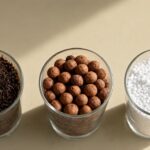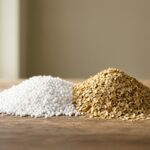

The right amount of perlite depends on the plant, not on a universal rule. Most houseplants do well with 20 to 30 percent perlite by volume. Succulents and cacti need 40 to 50 percent. Moisture-loving plants like ferns and peace lilies need 10 to 20 percent. These are starting points, and the correct ratio is found by observing how the mix drains and dries after watering.
The reason ratios vary is that perlite’s job is to create air space, and different plants need different amounts of air around their roots. A succulent in a dense mix will rot. A fern in a perlite-heavy mix will dry out and wilt. The plant’s water requirement is the deciding factor, not a formula.
Ratio by Plant Type
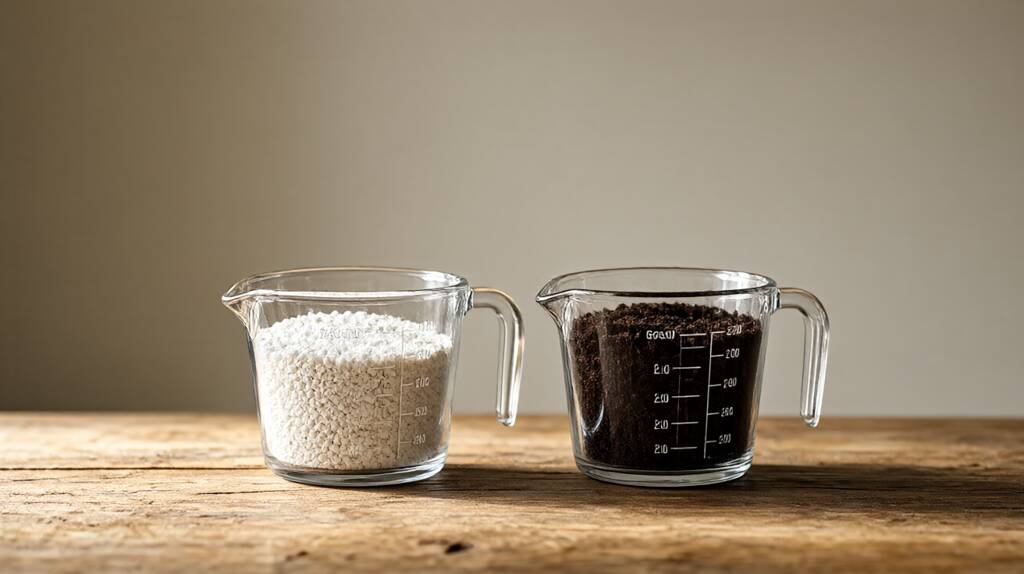
The following ranges are starting points by volume, not weight. Always measure by volume, since perlite is extremely light and weight-based measurements will be wildly inaccurate.
Most tropical foliage plants, including pothos, philodendron, monstera, and rubber plant, do well with 20 to 30 percent perlite. This provides enough aeration to prevent compaction without drying the mix too fast. Snake plant and ZZ plant tolerate 30 to 50 percent because they prefer dry cycles and have thick, water-storing roots.
Succulents and cacti need 40 to 50 percent perlite, sometimes combined with pumice or coarse sand for even faster drainage. These plants evolved in arid, rocky soils and will rot in anything that holds moisture. The high perlite ratio mimics the fast-draining conditions they need.
Moisture-loving plants, including ferns, calatheas, fittonia, and peace lilies, need only 10 to 20 percent perlite. Their priority is consistent moisture, and too much perlite dries the mix too fast. The perlite here is there to prevent compaction, not to drain the mix.
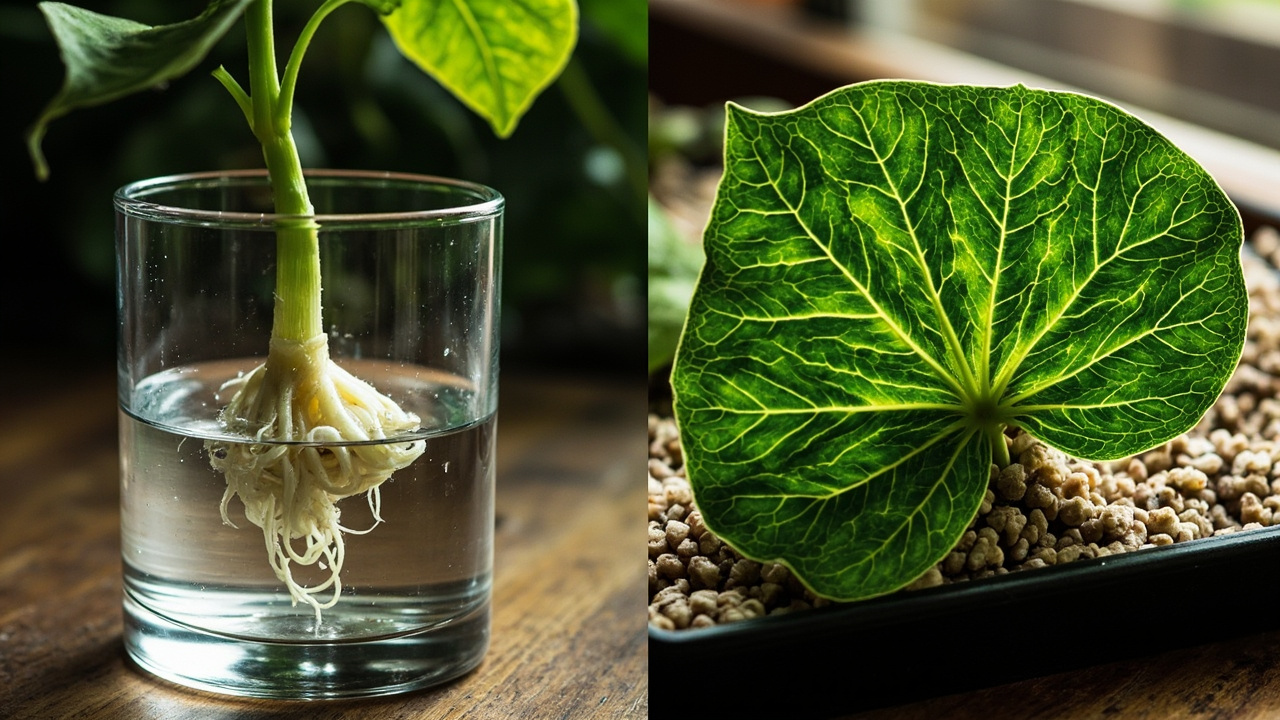
Seedlings and cuttings have different requirements. Seedlings do well with 25 to 50 percent fine perlite in a fine base mix, which prevents surface crusting and compaction. Cuttings root well in 50 percent perlite, which provides the aeration and moisture balance that root initials need.
How to Calculate and Mix
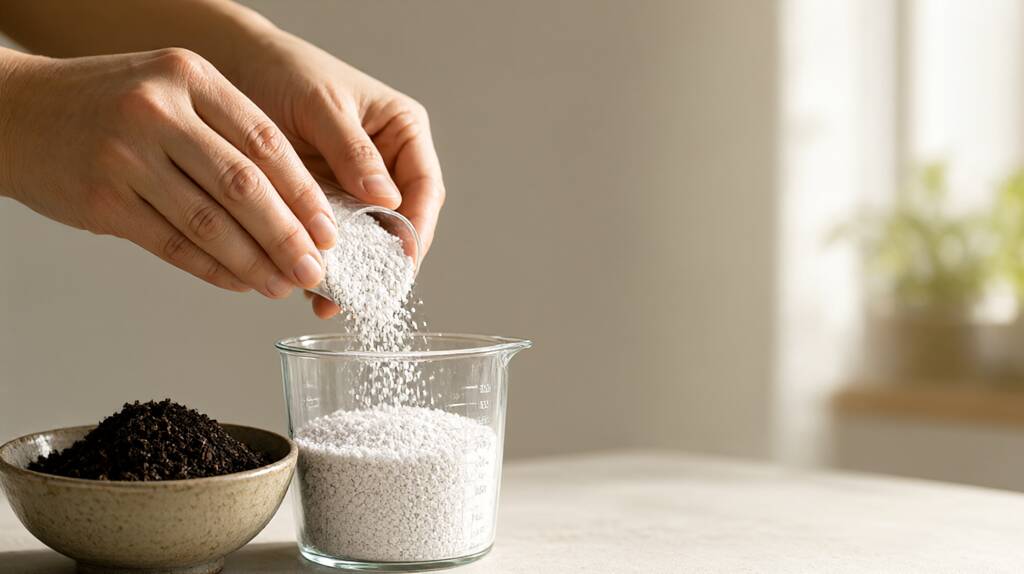
Measure by volume using the same container for all components. If you want 30 percent perlite in a 4-liter mix, you need 1.2 liters of perlite and 2.8 liters of base mix. Mix thoroughly in a large container or on a tarp before filling pots. Dry mixing ensures even distribution.
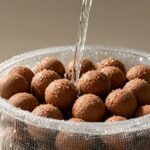
Wet the perlite lightly before mixing to suppress dust. Do not add perlite to an already-potted plant by poking holes in the surface. That creates channels rather than a uniform mix, and the root zone will have uneven moisture and aeration.
Test the mix after watering. Squeeze a handful. A well-balanced mix holds together briefly, then crumbles when released. If it stays in a dense ball, add more perlite. If it falls apart immediately, reduce perlite or add more water-holding component.

When to Adjust
Adjust the ratio based on observation, not on theory. If the mix stays wet for more than three days after watering, increase perlite. If it dries within a day in a warm room, reduce perlite or add more peat or coco coir.
Climate affects the effective ratio. In a hot, dry climate, a mix that works indoors may dry too fast. In a cool, humid climate, the same mix may stay wet too long. Adjust the ratio or the watering schedule to match.
Container size matters. Small pots dry faster than large pots, so a small pot with a high perlite ratio may need daily watering. Large pots with a low perlite ratio may stay wet for a week. Match the ratio to the pot size and the plant’s water needs.
Common Mistakes
The most common mistake is using too much perlite. A mix above 50 percent perlite dries out within hours in a warm room and provides almost no nutrient reserve. The plant may look fine for a week, then decline. The second mistake is using too little, which leaves the mix dense and prone to compaction.
The third mistake is measuring by weight instead of volume. Perlite weighs almost nothing, so a weight-based ratio will produce a mix with far too little perlite. Always measure by volume.
The fourth mistake is not wetting the perlite before mixing, which creates a dust hazard and uneven distribution. The fifth mistake is assuming that a higher perlite ratio is always better. More perlite means less water retention, which means more frequent watering and feeding. The ratio must match the plant.
Plant-Specific Considerations
For a general houseplant in a peat-based mix, 20 to 30 percent perlite is a reasonable starting point. For succulents and cacti, 40 to 50 percent is common. For moisture-loving tropicals, 10 to 20 percent may be enough. For seedlings, 25 to 50 percent in a fine mix. For cuttings, 50 percent.
These are starting points. The correct ratio is found by observing the plant’s response over two to four weeks. For more on selecting the right grade, see perlite particle sizes and grades. For general mixing principles, see how to use perlite in potting soil. For the underlying material properties, see what perlite is and its properties.
Last reviewed on November 9, 2026
Sources and further reading: Kidoplants, how much perlite to add to potting soil; EWASH, perlite ratios by plant type; Home for the Harvest, perlite in potting mixes; Plant and Stories, perlite proportions by plant.