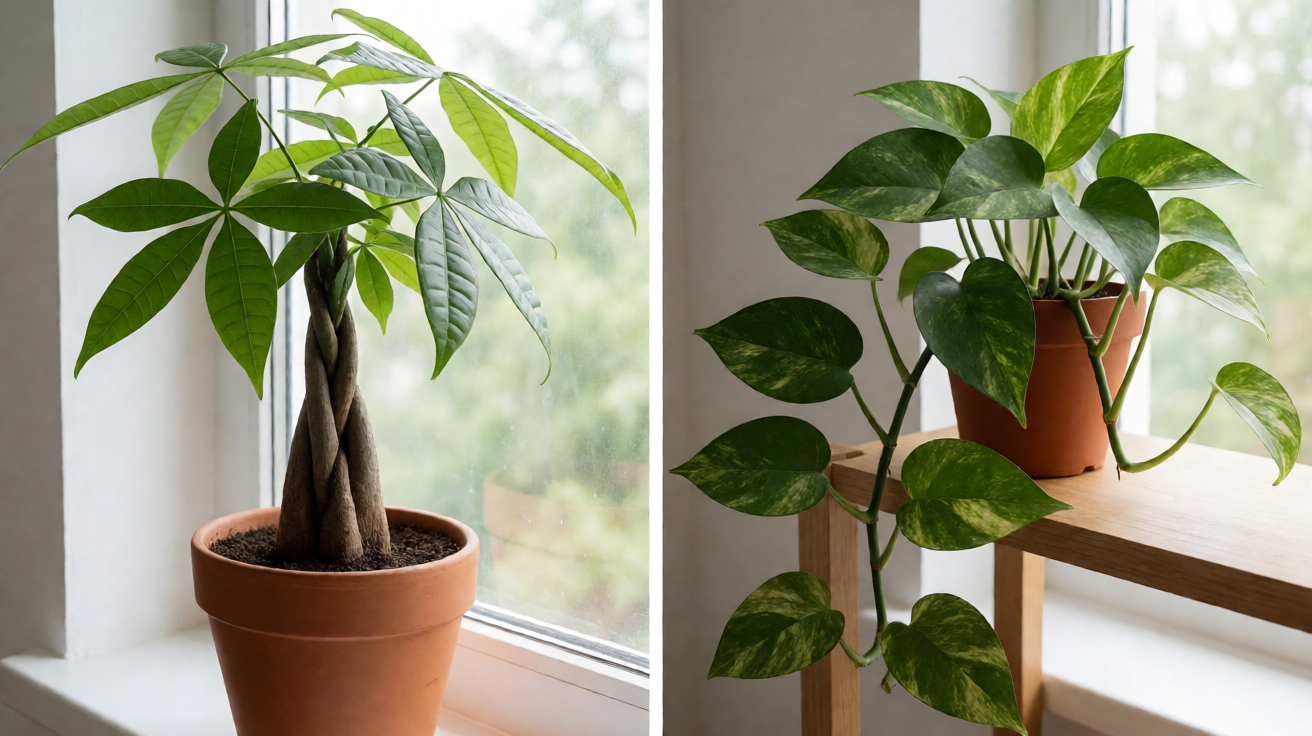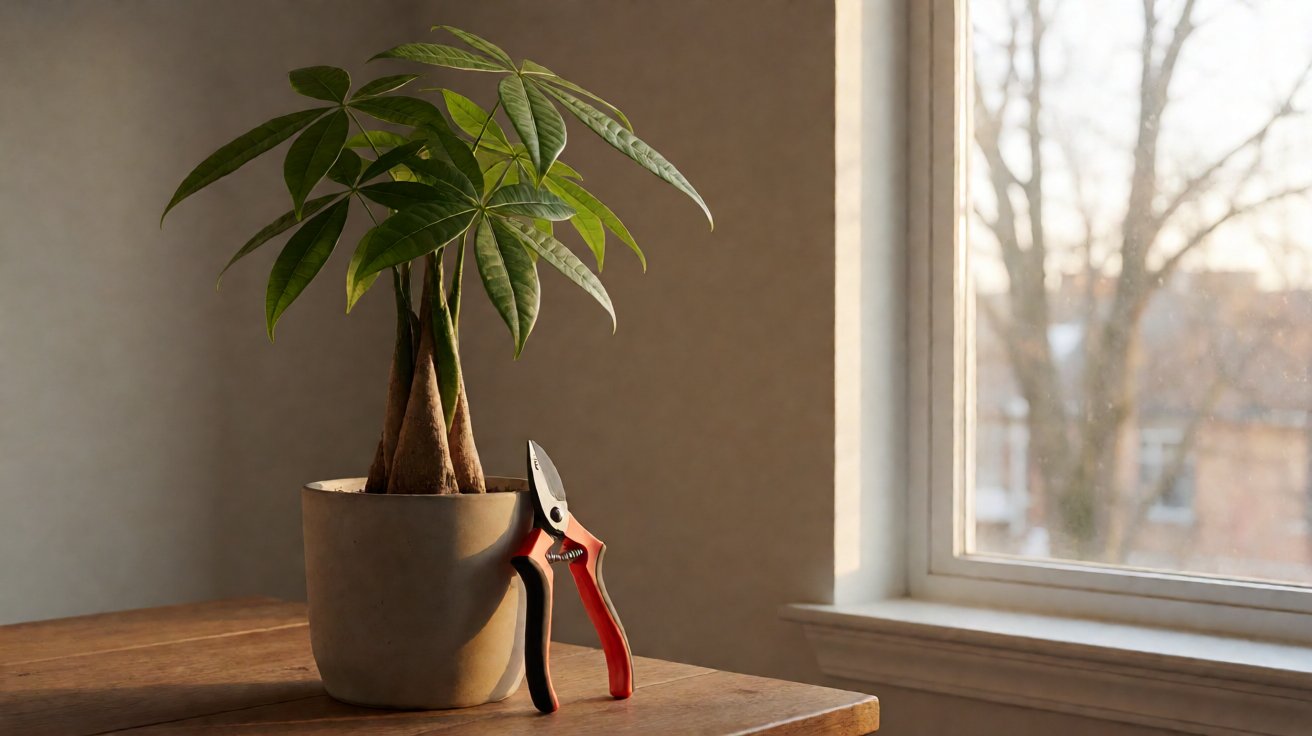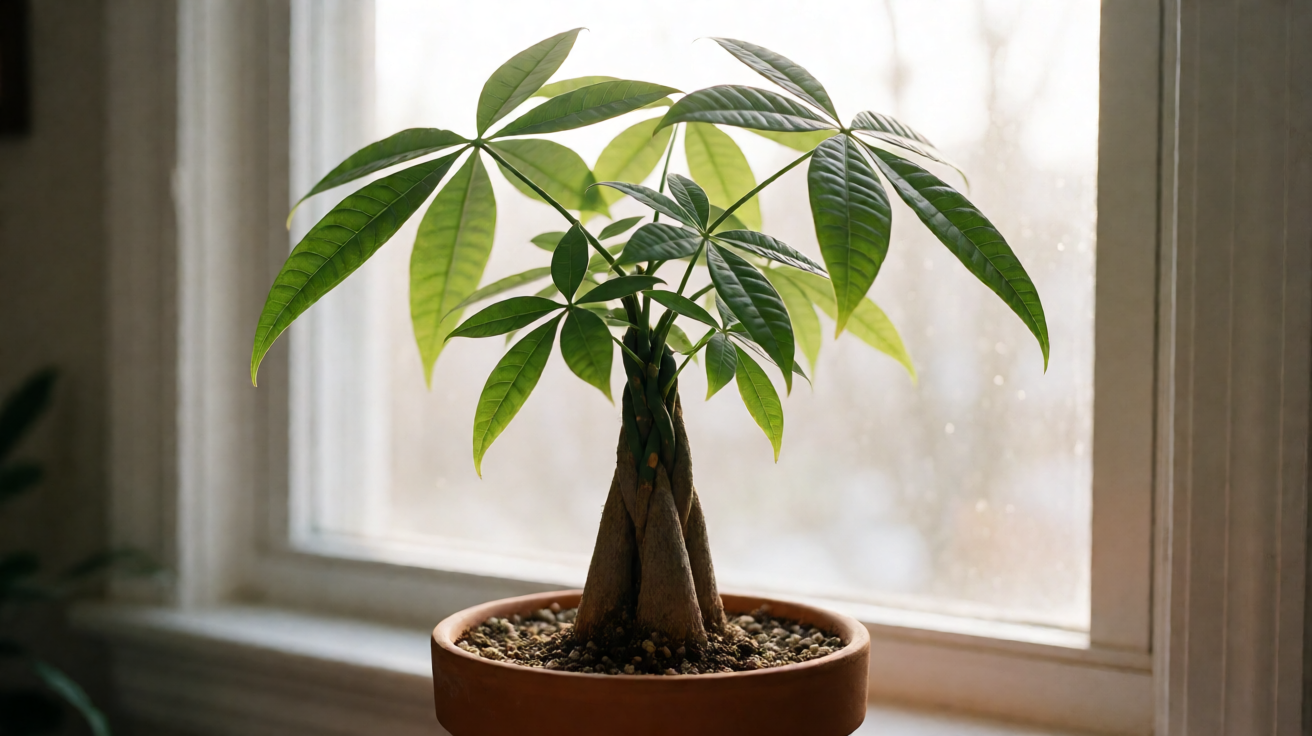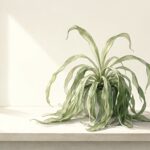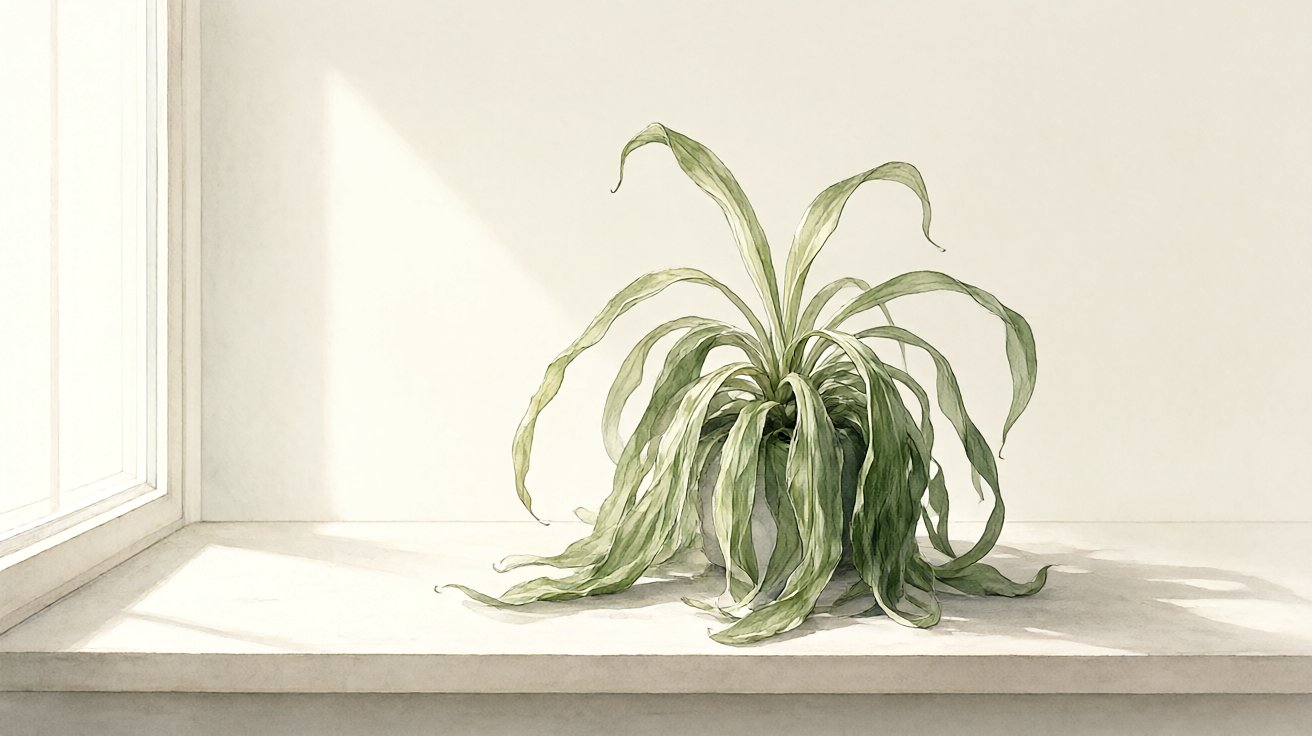

A wilting houseplant is not telling you it is dying. It is telling you that something changed in the last 24 to 72 hours, and the leaf cells lost turgor pressure faster than the roots could replace it. The fix is not always water. Sometimes water is the problem. The first job is to read the soil, the pot, and the environment before you touch a watering can.
This guide walks you through a wilting triage decision tree: underwatered, overwatered, heat-stressed, or root-rotted. Each cause has a different rescue sequence, and applying the wrong one makes the decline faster. You will also find the 10-minute checks that separate a saveable plant from one that needs propagation, plus the prevention habits that keep wilting from coming back.
Wilting Triage: The Four Causes
Wilting looks the same regardless of cause: leaves droop, stems soften, and the plant loses its upright posture. But the mechanism behind each cause is different, and so is the fix. Here is the decision tree.
Underwatered: The Soil Is Dry and Light
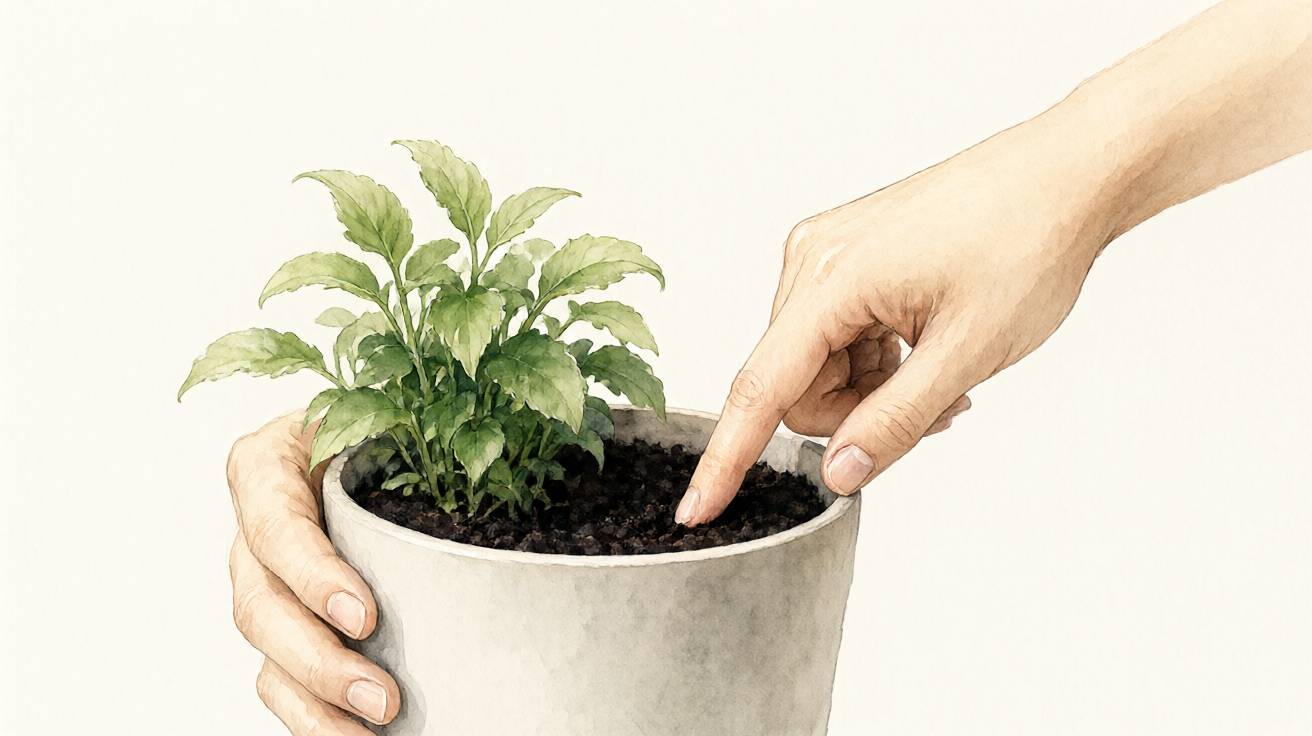
Stick a finger 5 cm (2 inches) into the soil. If it comes out dry and clean, the plant is underwatered. The pot feels light when you lift it. Leaves may feel thin or papery, and lower leaves often yellow first. The rescue is straightforward: water slowly until water drains from the bottom, then let the pot sit in the drainage for 10 minutes so the root ball rehydrates fully.
If the soil is hydrophobic (water runs off the surface instead of soaking in), bottom-water the pot in a tray of water for 30 minutes. This is common in peat-based mixes that have dried completely. After rehydration, the plant usually recovers within 4 to 6 hours.
Overwatered: The Soil Is Wet and Heavy
If the soil is wet 5 cm down and the pot feels heavy, the plant is overwatered. Leaves may feel soft and swollen, and the droop looks different: stems bend at the base rather than the leaf tips. The rescue is to stop watering immediately, move the plant to a brighter spot to increase evaporation, and check drainage holes for blockage.
Do not repot yet. Repotting a plant that is already stressed from excess water adds root disturbance on top of oxygen starvation. Instead, tilt the pot to drain standing water, remove any saucer water, and wait 3 to 5 days before reassessing. Most overwatered plants recover once the soil dries to the 5 cm mark.
Heat Stress: The Environment Changed
If the soil moisture is normal (moist but not wet, not dry) and the plant is wilting, the cause is environmental. Common triggers: a plant moved from shade to direct sun, a heat vent blowing on foliage, or a sudden temperature spike above 30 degrees C (86 degrees F). The leaves may feel warm to the touch and show crispy edges within 24 hours.
The rescue is to move the plant out of direct sun or away from the heat source, increase humidity by misting or grouping plants together, and avoid watering more (the roots are not the problem). Recovery typically takes 12 to 24 hours once the temperature drops below 27 degrees C (80 degrees F).
Root Rot: The Roots Are Brown and Mushy
If the soil is wet, the pot is heavy, and the plant has been declining for more than a week, root rot is likely. Gently slide the plant out of the pot and inspect the roots. Healthy roots are white or tan and firm. Rotted roots are brown or black, mushy, and may smell sour.
The rescue sequence: trim all brown and mushy roots with sterilized scissors, remove the old soil, and repot in fresh, well-draining mix. The new pot must be smaller than the old one, sized to the remaining root mass, not the original root ball. Water lightly (just enough to settle the soil) and do not water again until the top 5 cm dries.
Wilting vs Drooping: Reading the Symptom Correctly
Wilting and drooping are often used interchangeably, but they point to different problems. Wilting is a whole-plant response to water loss: leaves, stems, and petioles all lose rigidity at once. Drooping is usually localized: one branch or a few leaves hang while the rest of the plant stays firm.
A plant that droops on one side but stands upright on the other likely has a root problem on the drooping side (rotted roots, compacted soil, or a blocked drainage hole). A plant that wilts uniformly is more likely underwatered or heat-stressed. This distinction matters because a localized droop needs root inspection, while uniform wilting can often be fixed by adjusting water or temperature.
If you are unsure, perform the lift test: pick up the pot. A heavy pot with wet soil and a drooping plant means overwatering or root rot. A light pot with dry soil and a wilting plant means underwatering. A normal-weight pot with moist soil and wilting means heat or light stress.
The 10-Minute Wilting Diagnosis Checklist
Before you do anything, run through these checks in order. Each takes less than a minute.
Check 1: Soil Moisture (Finger Test)
Insert your index finger to the second knuckle (about 5 cm / 2 inches). Dry soil at that depth means underwatering. Wet soil means overwatering or root rot. Moist soil means the problem is environmental.
Check 2: Pot Weight (Lift Test)
Lift the pot. A light pot confirms underwatering. A heavy pot confirms excess water or root rot. If you are unsure, compare the weight to a pot of the same size filled with dry soil.
Check 3: Root Inspection (Unpot Test)
If the soil is wet and the plant is declining, slide it out of the pot. Inspect the roots. White or tan and firm means healthy (overwatered but not rotted). Brown, black, or mushy means root rot. If roots are healthy, the problem is watering frequency, not root death.
Check 4: Environment Scan
Check the last 72 hours for changes: new location, direct sun exposure, heating vent, AC draft, or a temperature spike. Also check for recent fertilizing (salt buildup can cause wilting by drawing water out of roots) and for pests on the undersides of leaves (spider mites cause stippling and wilting).
Rescue Protocols by Cause
Underwatered Rescue (15 Minutes)
Water slowly from the top until water drains from the bottom. If the soil is hydrophobic, bottom-water in a tray for 30 minutes. Remove any standing water after 10 minutes. Move the plant to a spot with bright, indirect light (not direct sun) to reduce transpiration while it recovers. Expect recovery in 4 to 6 hours. Do not fertilize until the plant has fully recovered.
Overwatered Rescue (5 Minutes, Then Wait)
Stop watering. Tilt the pot to drain standing water. Remove the saucer. Move the plant to a brighter location. Check drainage holes for blockage and clear them. Wait 3 to 5 days before reassessing. If the soil is still wet after 5 days, unpot, remove wet soil, and repot in fresh mix with better drainage (add 20 to 30 percent perlite).
Heat Stress Rescue (10 Minutes)
Move the plant away from the heat source or direct sun. Increase humidity by misting the leaves or placing a tray of water near the plant. Do not water more (the roots are fine). Trim any crispy, damaged leaves with sterilized scissors. Recovery takes 12 to 24 hours once the temperature drops below 27 degrees C (80 degrees F).
Root Rot Rescue (30 to 60 Minutes)
Unpot the plant. Trim all brown, black, or mushy roots. Remove all old soil. Repot in a pot that is 2 to 3 cm (1 inch) smaller in diameter than the original, filled with fresh, well-draining mix. Water lightly to settle the soil. Place in bright, indirect light. Do not water again until the top 5 cm of soil is dry. Expect recovery signs (new growth) in 2 to 4 weeks.
If more than 50 percent of the root system is rotted, the plant may not recover. In that case, take stem cuttings from healthy growth above the rot line, root them in water or moist perlite, and start a new plant.
Wilting Plant Recovery Timeline
| Cause | First Sign of Recovery | Full Recovery | When to Give Up |
|---|---|---|---|
| Underwatered | 4 to 6 hours (leaves firm up) | 24 hours | If no response after 12 hours of proper watering |
| Overwatered | 3 to 5 days (new growth) | 1 to 2 weeks | If rot spreads after repotting |
| Heat stress | 12 to 24 hours | 48 hours | If leaves are fully desiccated (crispy and brown) |
| Root rot | 2 to 4 weeks (new roots) | 6 to 8 weeks | If more than 50 percent of roots are rotted |
Prevention: How to Stop Wilting Before It Starts
Wilting is a symptom, not a disease. Preventing it means controlling the four variables that cause it: water, drainage, temperature, and root health.
Watering Discipline
Water when the top 5 cm of soil is dry, not on a fixed schedule. In summer, this may be every 5 to 7 days. In winter, it may be every 10 to 14 days. Always check soil moisture before watering, and always water until drainage occurs. Never let a plant sit in standing water for more than 30 minutes.
Pot and Soil
Use a pot with drainage holes. If the pot has no holes, add a 3 to 5 cm layer of gravel at the bottom (this is not ideal, but it helps). Use a well-draining mix: standard potting soil plus 20 to 30 percent perlite or pumice. Repot every 12 to 18 months to refresh the soil and check root health.
Temperature and Placement
Keep houseplants between 18 and 27 degrees C (65 to 80 degrees F). Avoid placing plants near heating vents, AC units, or drafty windows. If you move a plant to a new location, do it gradually over 3 to 5 days to let it acclimate. Sudden changes in light or temperature are the most common trigger for wilting in otherwise healthy plants.
When Wilting Means Something Else
Not all wilting is a watering or temperature problem. Some plants wilt as a defense mechanism: Mimosa pudica (sensitive plant) folds its leaves when touched, and some plants wilt during the hottest part of the day to reduce water loss, recovering by evening. If your plant wilts during the day but perks up at night, it is likely a heat or light response, not a watering problem.
Also consider pests. Spider mites, aphids, and mealybugs feed on plant sap and can cause wilting that looks like underwatering. Check the undersides of leaves for fine webbing, sticky residue, or small insects. If pests are present, treat with insecticidal soap or neem oil before addressing watering.
If a plant wilts and does not recover after proper watering, temperature adjustment, and pest treatment, the problem may be at the root level: compaction, rot, or a root-bound pot. Unpot and inspect. The answer is in the roots.
Related Rescue Guides
For a broader rescue protocol that covers all symptoms, see how to save a dying plant. For species-specific rescue, see how to save a dying corn plant. For root rot diagnosis and treatment, see root rot explained. For wilting caused by root rot in money trees, see money tree root rot.
Last reviewed on 2026-11-07
Sources and further reading
University of Maryland Extension, “Diagnosing Houseplant Problems”, symptom-to-cause diagnostic framework for indoor plants. ASPCA, “Toxic and Non-Toxic Plants”, reference for plant safety during rescue. Clemson Cooperative Extension, “Houseplant Care”, watering, drainage, and repotting guidelines. University of Minnesota Extension, “Diagnosing Plant Problems”, root inspection and rot identification procedures.
From Bank Statement to QuickBooks-Ready File
That manual cleanup you just read about? This tool skips it. Turn your PDF into QBO for QuickBooks without storing your data anywhere.
Start Converting