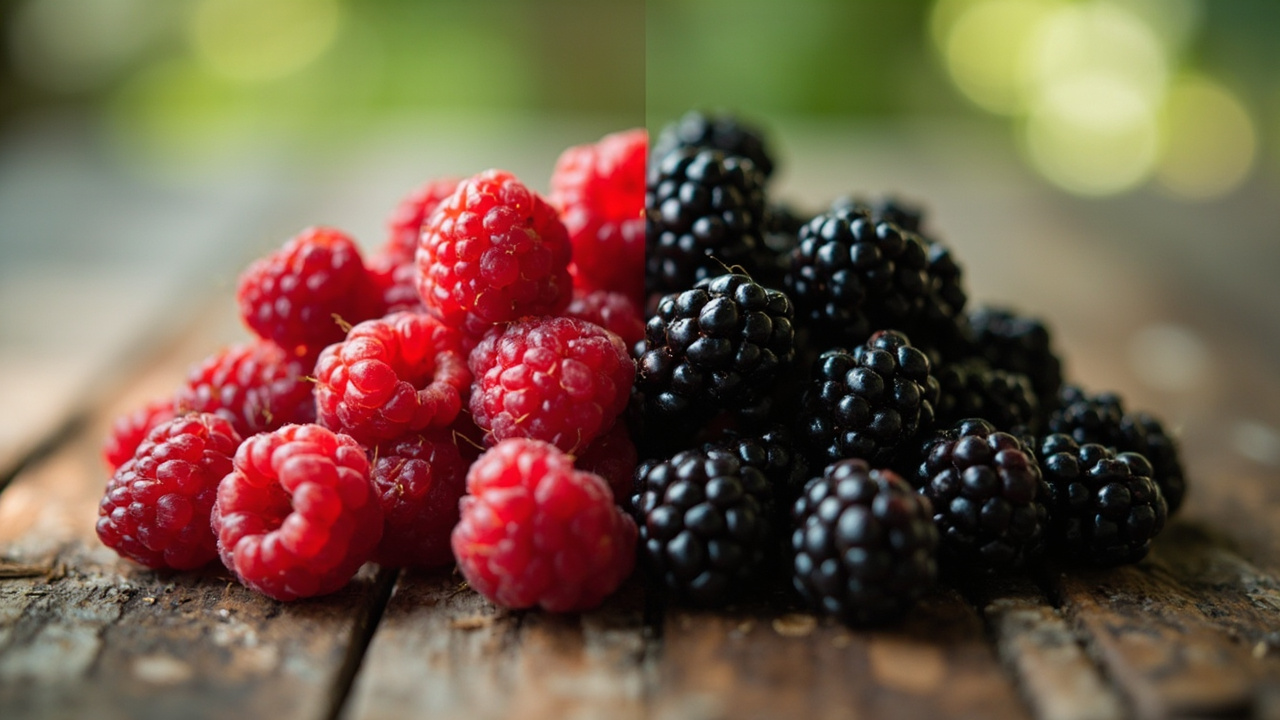

A raspberry and a blackberry may share the same trellis wire and acidic soil bed, but the way each builds its fruiting wood and defends its canes means the wrong choice costs a full harvest. Both belong to Rubus, both produce aggregate fruits of drupelets, and both thrive in well-drained soil with a pH between 5.5 and 6.5.
Raspberry canes are biennial: they grow one year as primocanes, then fruit as floricanes before dying back to the crown. Blackberry canes follow the same cycle, but the plant compensates with far more aggressive root suckering and longer lateral branches. Start with the complete raspberry care guide if you need a baseline for soil, sunlight, and watering before choosing.
Growth Habit and Cane Architecture — The Structural Divide
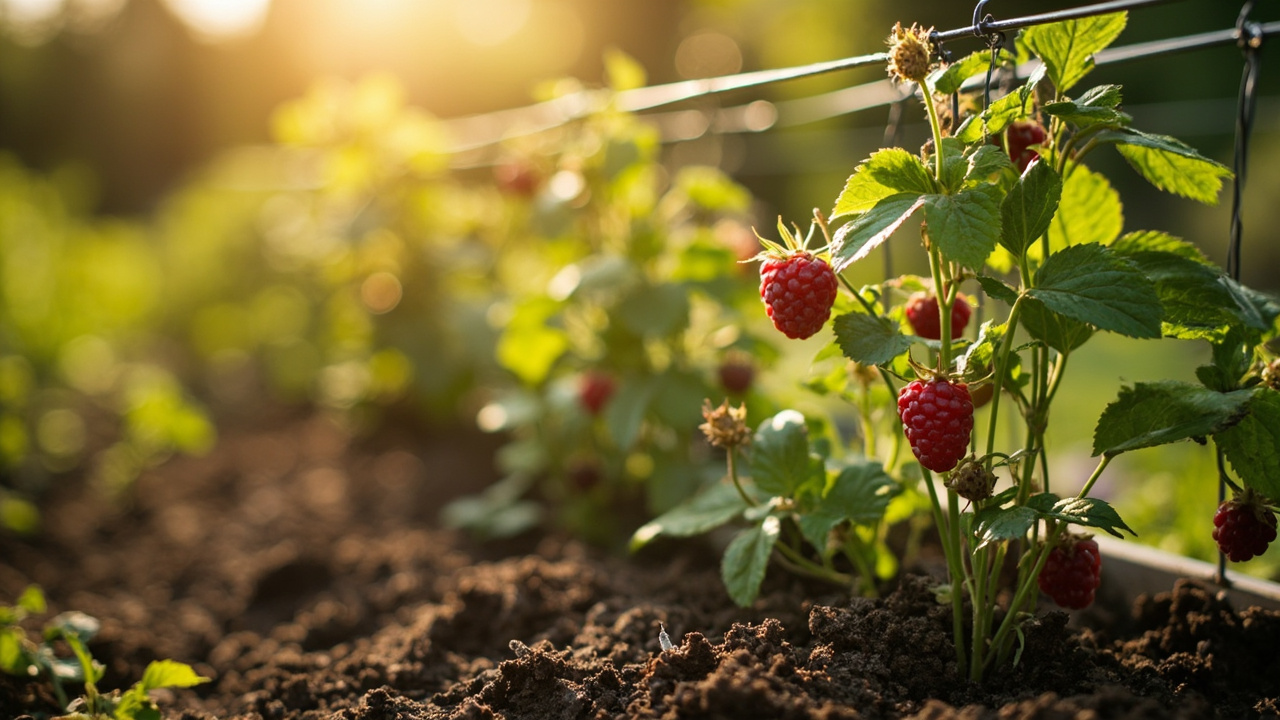
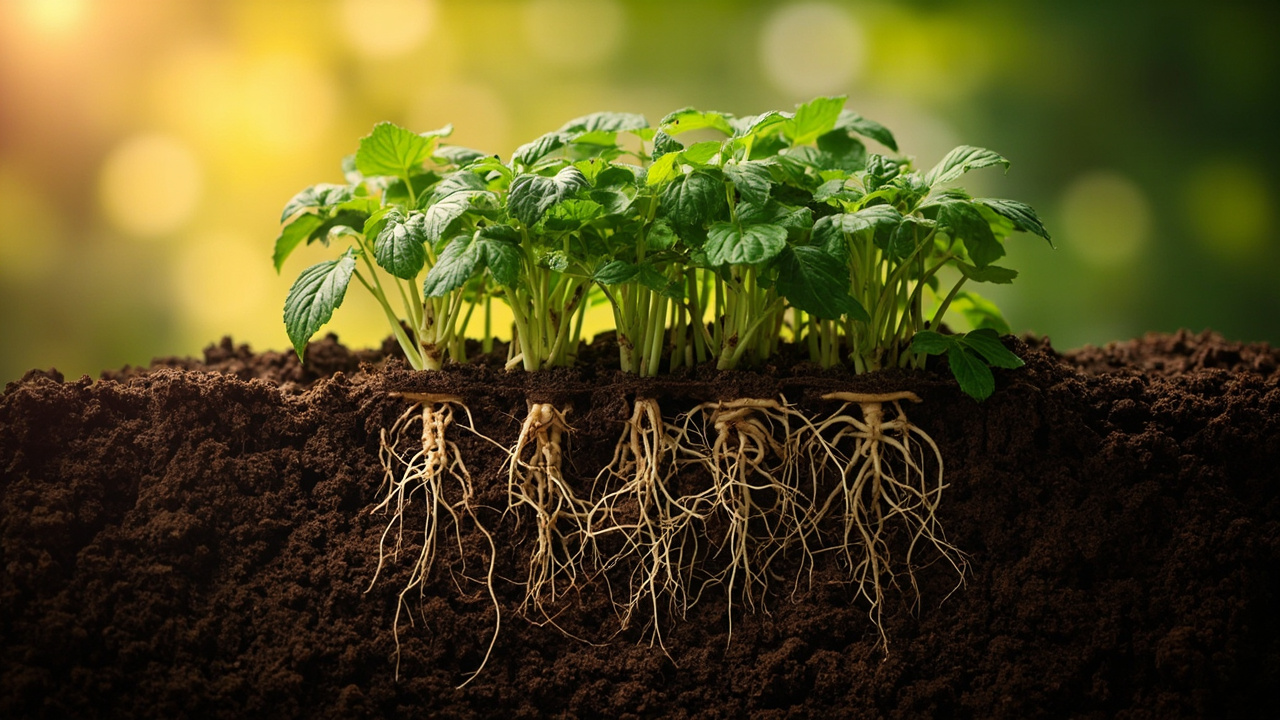
Raspberry plants grow as a cluster of upright or semi-erect canes emerging from a central crown. Each primocane lives two years: vegetative growth in year one, then lateral fruiting branches in year two before the spent floricane dies back. The crown sends up four to six replacement canes each spring. The shallow, compact root system makes raspberry well-suited to raised beds and containers with good drainage.
Blackberry plants share the biennial pattern but diverge sharply in vigor. Erect varieties produce self-supporting canes that reach four to six feet and sucker aggressively from roots running several feet underground. Trailing types, including many thornless cultivars, run along the ground unless tied to a trellis, with canes reaching ten to twenty feet. Both need cross-cluster pollination from nearby berry patches for maximum fruit set.
The practical consequence is bed management. Raspberry canes that emerge outside the crown line are rare. Blackberry suckers appear in lawn edges, pavers, and neighboring vegetable rows. Oregon State University Extension recommends root barriers buried twelve inches deep around trailing plantings. Mulch over well-drained soil keeps both species healthy, but blackberry needs the barrier to stay manageable.
Container growing tilts toward raspberry. Dwarf cultivars like Raspberry Shortcake thrive in five-gallon pots with no trellis needed. Trailing blackberry demands fifteen gallons and sturdy support. The raspberry light and soil guide covers the well-drained, acidic soil prep that benefits both species.
Verdict: choose raspberry for a contained crown in a raised bed or container. Choose blackberry if you have ground space, can manage root suckers, and want higher yield per plant.
Thorniness and Handling — What Your Skin Will Remember
Thorniness shapes every minute you spend pruning, training, and harvesting. Most raspberry varieties carry small, fine prickles along the cane — sharp enough to scratch but rarely to draw blood. A few cultivars like Canby and Cascade Delight are nearly thornless. For pruning in short sleeves, raspberry handles well with just leather gloves.
Blackberry thorns are a different category. Erect wild-type varieties carry stout, recurved thorns along every inch of cane and on the underside of leaf midribs. These snag sleeves, pierce thin gloves, and turn harvest into a blood-letting session. Thornless cultivars — Navaho, Arapaho, Triple Crown, Chester — produce smooth canes you can handle barehanded. The trade-off is often softer fruit and a trailing habit that demands trellising.
The thorn trait affects pruning safety. Thorny blackberry requires gauntlet gloves, long sleeves, and eye protection when cutting canes under tension. Thornless varieties let you prune with standard gloves, so you stay on top of monthly maintenance. Cornell Cooperative Extension notes that gardeners who skip pruning due to thorn pain lose thirty to fifty percent of yield to overcrowded, shaded cane growth.
Verdict: choose raspberry for minimal protective gear and quick harvest. Choose a thornless blackberry cultivar for flavor without the armor — accept the trailing habit and trellis requirement. The raspberry varieties guide covers thornless raspberry cultivars worth seeking out.
Pruning Complexity — Biennial Canes vs Aggressive Suckers
Raspberry pruning follows a clear two-year cane cycle. In late winter, you remove all spent floricanes — last year’s fruiting canes that have turned brown and brittle — and thin the remaining primocanes to the four or five strongest per crown. Summer-bearing varieties fruit on second-year wood, so cutting the wrong cane eliminates that crop. Everbearing varieties offer a simpler option: mow all canes in late fall and get one heavy crop on new primocanes the following autumn.
Blackberry pruning mirrors the biennial pattern but adds a lateral-management step. After floricanes die back, you cut them at the base. Then you tip the new primocanes — for erect varieties, pinch the growing point at three and a half to four feet to encourage lateral branching where next year’s fruit forms. Trailing types require you to separate new canes from old on the trellis, wrap fresh canes along the top wire, and cut laterals back to twelve to eighteen inches in late winter. The raspberry pruning guide walks through dormant-season timing that applies to both species.
Sucker management is where blackberry diverges most. Blackberry roots send up shoots throughout the growing season, and each sucker becomes a competing cane that shades the fruiting wood. A well-maintained blackberry patch gets sucker patrol every two to three weeks from May through August. Raspberry patches need far less — most erect varieties send up only a handful of crown shoots per season. Cane blight and spur blight spread through pruning cuts, so the University of Minnesota Extension recommends dipping shears in bleach solution between every cane.
Verdict: choose raspberry for a simple twice-yearly prune with a forgiving margin. Choose blackberry if you commit to monthly sucker patrol and precise lateral pruning for maximum yield.
Flavor, Fruit Structure, and Harvest Window
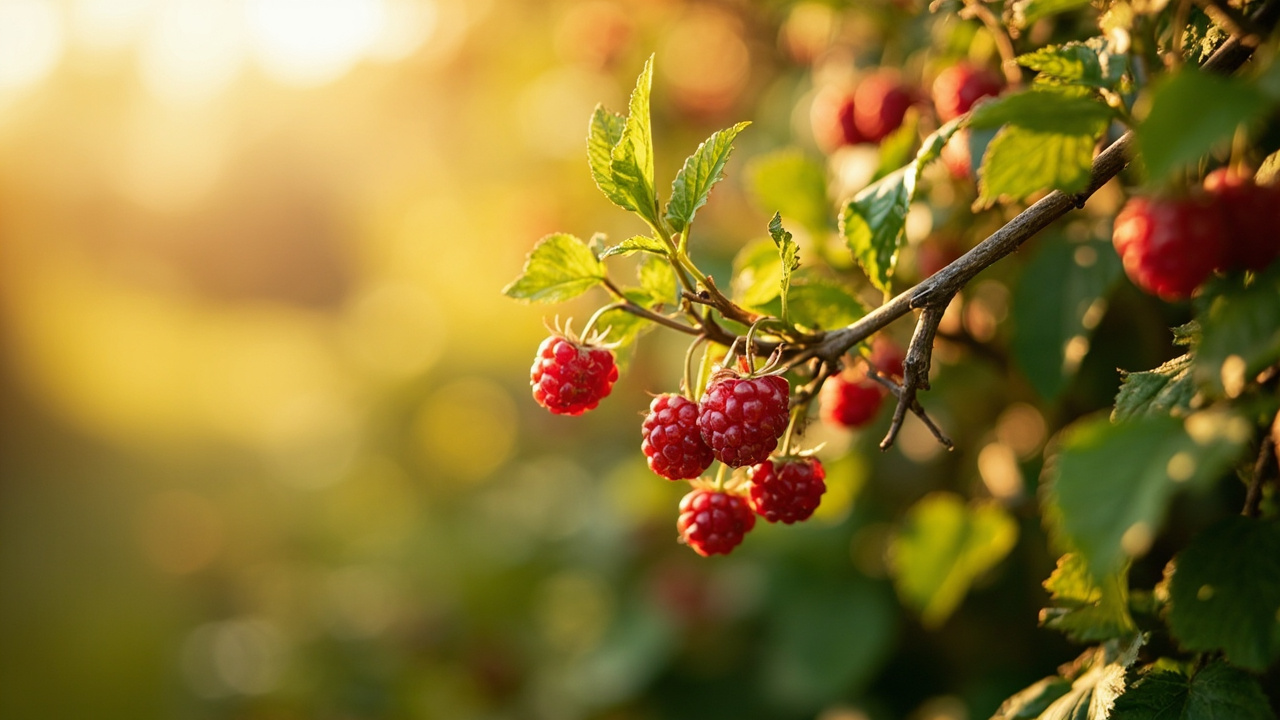
Raspberry fruit is built from drupelets arranged around a hollow core — when picked, the fruit separates from the receptacle leaving a cup shape. Flavor ranges from sweet-tart to wine-like in heritage types like Tulameen. The harvest window is two to three weeks in late June through July. Both species are self fertile, so a single plant fruits without a separate pollinator. Bird netting is essential during ripening.
Blackberry fruit is an aggregate of drupelets attached to a solid core — the receptacle stays with the fruit, giving it crunch. Ripe blackberry is deeper and less acidic than raspberry, with musky sweetness that intensifies as fruit turns from shiny to dull black. Underripe blackberry is sharply astringent. The harvest window is longer: four to six weeks from July into September for erect varieties.
Drupelet architecture affects handling. Raspberries crush easily and hold for only two to three days refrigerated. Blackberries are sturdier and keep for five to seven days. For fresh eating, this is irrelevant. For freezing and baking, blackberry is more practical. A healthy raspberry crown produces four to twelve pounds per season; a healthy blackberry plant can reach fifteen to twenty-five pounds.
Verdict: choose raspberry for concentrated harvest and delicate flavor. Choose blackberry for volume, longer harvest, and fruit that holds up to freezing and baking.
Cold Hardiness and Climate Fit
Cold hardiness is where the two species diverge. Most red raspberry varieties are hardy to USDA zone 3, surviving winter lows of minus thirty to minus forty degrees Fahrenheit when dormant. The canes die back in hard freezes, but the crown and root system survive and send up vigorous new primocanes each spring. This makes raspberry the default for northern gardeners in zones 3 through 5.
Blackberry cold tolerance varies by type. Erect varieties are hardy to zone 5 and survive brief dips to minus twenty degrees. Trailing types, including most thornless cultivars, are hardy only to zone 6 and suffer cane damage below ten degrees. Gardeners in zones 4 and colder who want blackberry must mulch the crown heavily or choose a cold-hardy erect variety like Illini Hardy. Bare root planting in early spring gives both species the longest growing season before winter.
Chill-hour requirements add a second dimension. Raspberries need eight hundred to one thousand chill hours below forty-five degrees to break dormancy. This makes them poorly suited to zones 9 and 10. Blackberry chill requirements are lower — four hundred to eight hundred hours — giving them an edge in zone 8 and mild parts of zone 7. Both need well-drained soil to prevent root rot during wet winters.
Sunscald hits blackberry harder in marginal zones. Black bark on exposed canes splits when winter sun heats the tissue by day and temperatures plummet at night. Wrapping canes or covering with straw prevents this, but it is a chore raspberry growers can skip. Compost mulch over the crown helps both species survive freeze-thaw cycles. The raspberry yellow leaves guide covers cold-stress symptoms that look like nutrient deficiency but are actually sunscald damage.
Verdict: choose raspberry for zones 3 through 6 without winter protection. Choose blackberry for zones 6 through 9 with trellis and mulch. In the overlap zone of 5 and 6, let flavor preference decide.
The Verdict — Choose Raspberry If, Choose Blackberry If
This is a fit judgment, not a quality one — both are excellent home-garden fruits. Choose raspberry if you garden in a raised bed or container and want a contained crown with minimal sucker patrol. You want a simple twice-yearly prune and can tell primocanes from floricanes. Your winters drop below minus ten degrees. You prefer delicate fruit for fresh eating with a concentrated two-week harvest. You are starting out and want the more forgiving species.
Choose blackberry if you have ground space and do not mind managing root suckers every few weeks through summer. You are willing to learn lateral-pruning technique and tip primocanes at the right height. Your winters stay above minus ten degrees or you will mulch and wrap marginally hardy varieties. You want deep, musky fruit for freezing and baking, and you value a four-to-six-week harvest. You want higher total yield and will build a sturdy trellis to get it.
Many experienced gardeners plant both: summer-bearing raspberries for June eating and thornless blackberries for August abundance. The two species share soil, sunlight, and watering requirements, so they coexist well in the same bed — give blackberry deeper soil and stronger support. The raspberry cane borer guide covers pest management for both, including aphid and spider mite control. Proper propagation from healthy stock plus inspecting for cane borers each spring keeps both patches productive.
From Bank Statement to QuickBooks-Ready File
That manual cleanup you just read about? This tool skips it. Turn your PDF into QBO for QuickBooks without storing your data anywhere.
Start Converting