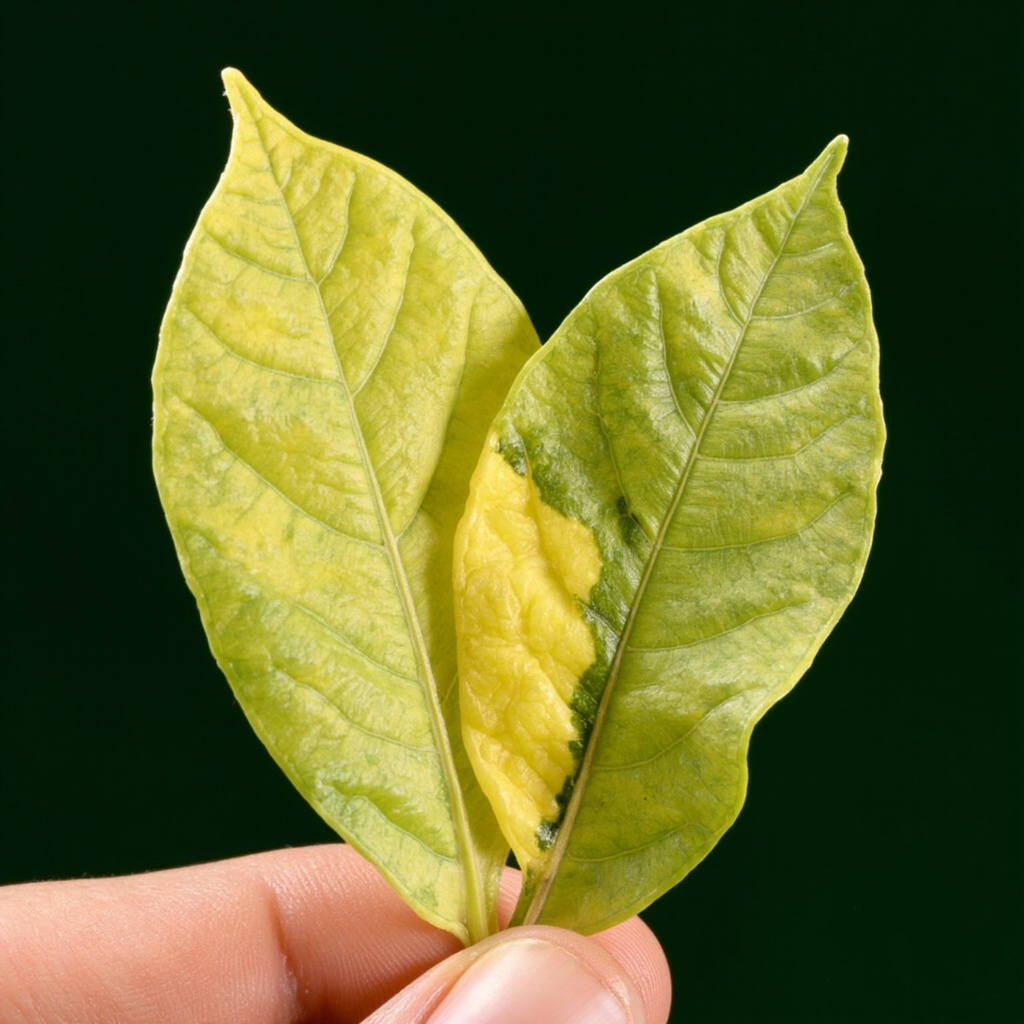
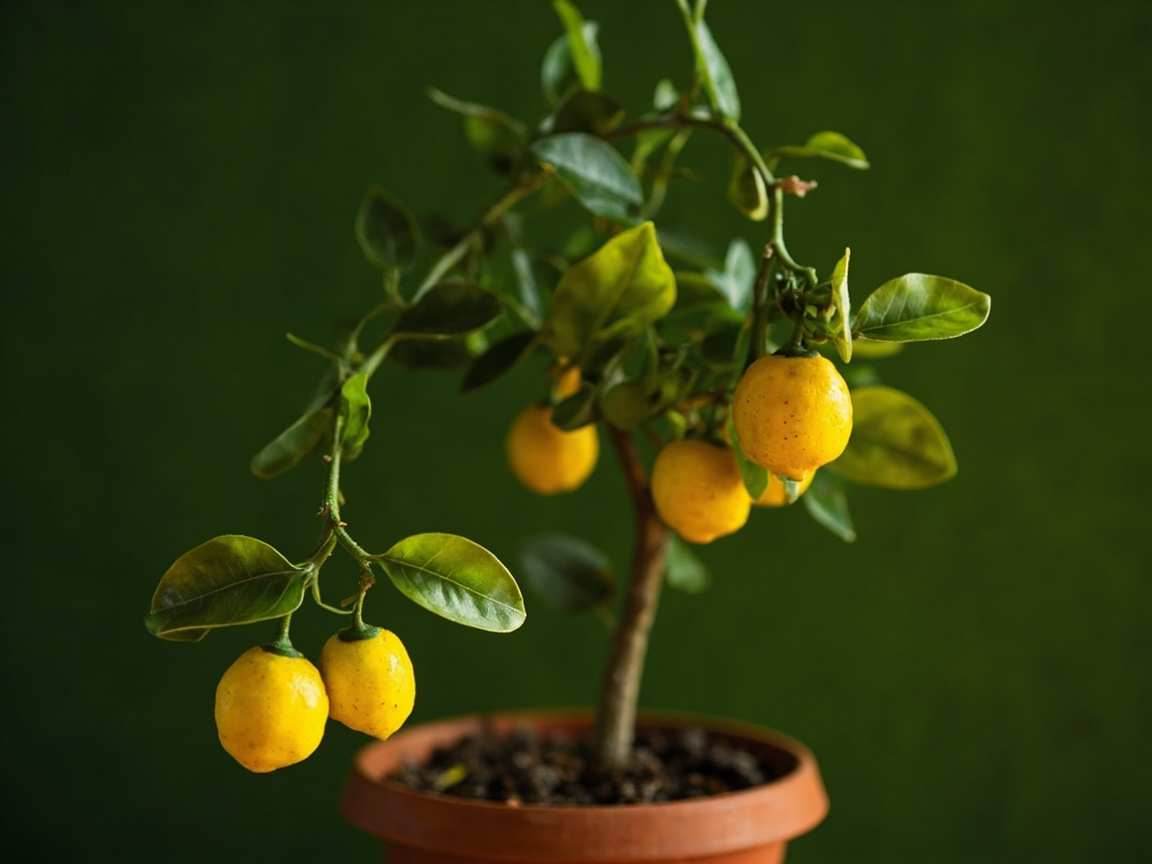
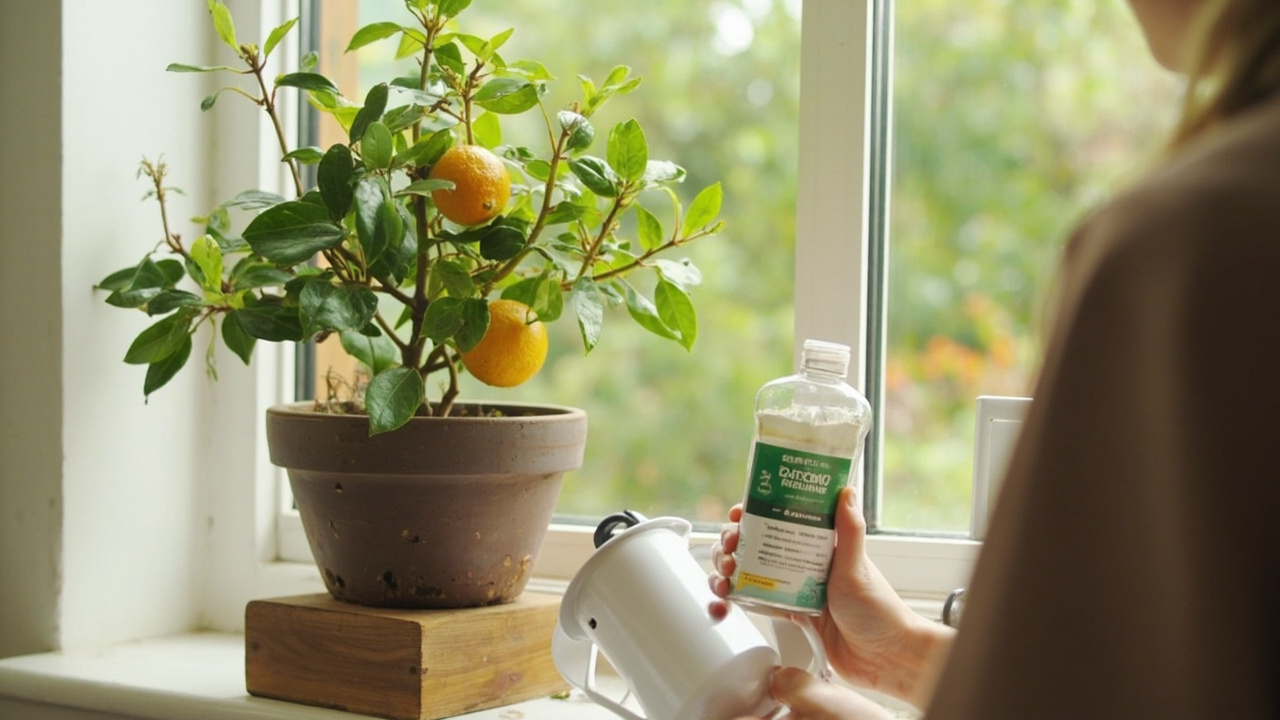
Indoor citrus flowers drop without fruit for one reason: no bees, no wind, nothing moves pollen from anther to stigma. The fix is small — a soft brush and 30 seconds per flower — but the difference is dramatic. Most indoor citrus are self-fertile, so you need exactly one tree, not two.
This guide covers how to identify when a flower is receptive, the right tool for pollen transfer, the step-by-step technique for Meyer lemon, calamondin, and kumquat, and how to tell whether pollination succeeded — so your next flower flush becomes fruit instead of compost.
What Aqualogi recommends: pollinate each flower on the morning it opens, using a soft artist’s brush. Pollinate early for 3 consecutive days per flower, then watch for the base to swell within 10-14 days. If the flower drops within a week, the stigma wasn’t receptive or the pollen wasn’t viable.
Why indoor citrus flowers need hand pollination : even self-fertile trees
Self-fertile is not the same as self-pollinating. Indoor Meyer lemon, calamondin, and kumquat all carry both male and female parts in every flower, which is what “self-fertile” means — no second tree is needed. But the pollen still has to move from the anther to the stigma, and indoors, nothing moves it. Outdoor citrus relies on breeze and bees; indoors, pollen sits on the anther until the flower closes and drops. Without hand help, only about 30% of indoor citrus flowers set fruit naturally.
Raise the fruit set to 70-80% by hand pollinating. The technique takes 15-30 seconds per flower and costs nothing beyond a cheap soft brush. The catch is timing — each flower is receptive for a short window, and you need to catch it on the morning it opens.
Self-pollinating outdoors vs hand pollinating indoors
Outdoor citrus pollen moves because wind and bees vibrate the flower. Indoors, a Meyers lemon in still air gets no vibration at all. If you move your Meyer lemon outdoors in summer, bees may handle pollination — but a tree that flowers while indoors during winter or early spring needs your help.
Why 30% fruit set without help is not enough
A healthy 3-year-old Meyer lemon may produce 40-60 flowers per bloom cycle. At 30% set, that’s 12-18 fruit — impressive for a windowsill but well below what the tree is capable of. At 70% set, the same tree sets 28-42 fruit, reaching the weight that bends branches and requires thinning. Hand pollination closes that gap.
Identifying a receptive flower : stamen, stigma, and the timing window
Indoor citrus flowers are structurally easy to read once you know what to look for. Each flower has a ring of stamens (male parts) surrounding a single central stigma (female part). The anthers at the top of each stamen carry bright yellow pollen when they are mature and viable.
Stamen and anther: the pollen source
The stamen is the thin filament topped by a swollen anther. On a freshly opened Meyer lemon or calamondin flower, the anthers are plump and covered in visible yellow pollen. As the flower ages, the anthers darken to brown and the pollen dries out and stops being viable. You want flowers with bright yellow anthers — not dried brown ones.
Stigma: the pollen target
The stigma is the single knob at the very centre of the flower, slightly raised above the stamens. On a receptive stigma, the surface glistens and feels sticky to a gentle touch — the stickiness is what captures and holds pollen grains. A dry, dull stigma is past receptive. A flower with a sticky stigma and bright yellow anthers is ready, and you have a 48-72 hour window.
When the window opens and closes
Most indoor citrus flowers open in the morning hours — typically between 8 AM and noon on a Meyer lemon or kumquat. Once open, the stigma is receptive for 48-72 hours. After that, the flower closes and either stays (if pollinated) or drops. Pollinate on the morning of day 1 for the freshest pollen and the most receptive stigma.
The right tool : soft artist’s brush vs cotton swab vs electric toothbrush
Three tools work for indoor citrus pollination: a soft artist’s brush, a cotton swab, and — oddly — the back of an electric toothbrush. Each has a place; one is clearly the best.
Soft artist’s brush (recommended)
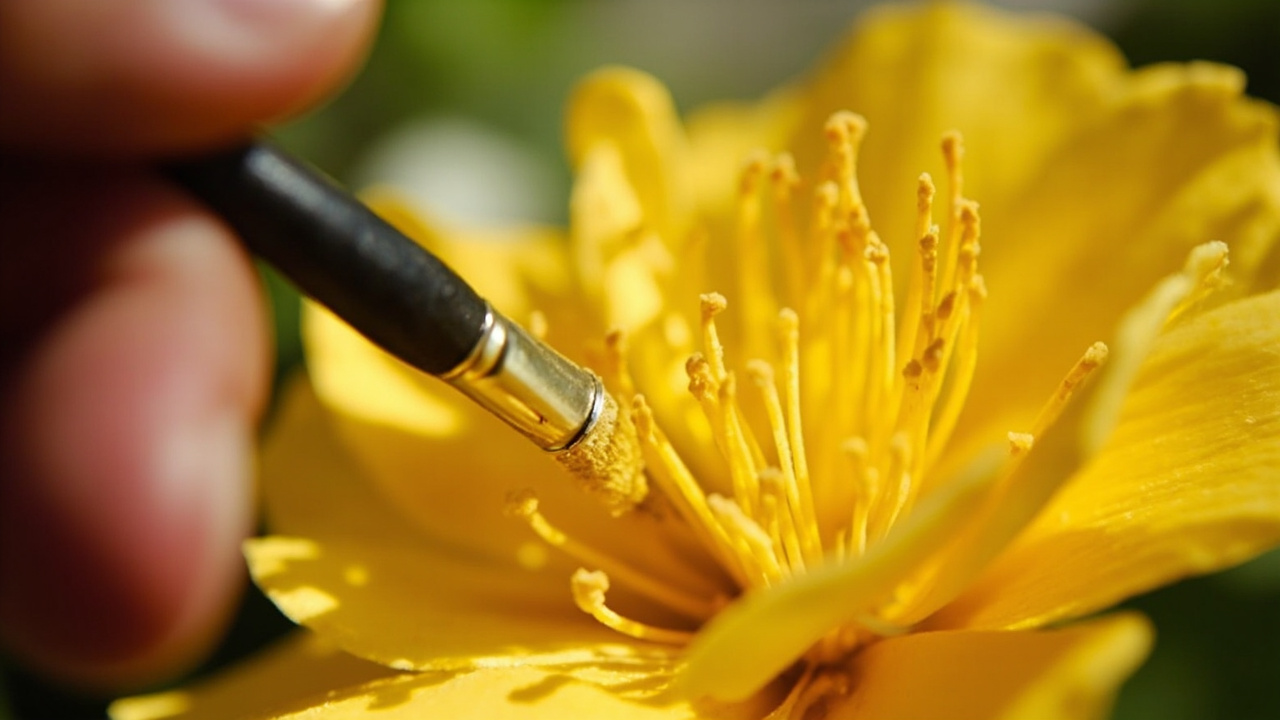
A size 2 to 4 round watercolour brush with natural or soft synthetic bristles is the right tool for most indoor citrus flowers. The bristles pick up pollen from the anthers without crushing them, and the tip is small enough to dab the stigma without hitting the surrounding stamens. Synthetic bristles work; cheaper natural hair bristles that shed are a problem — loose bristle bits in the flower sometimes trigger bud drop on a calamondin.
Cotton swab (alternative)
A standard cotton swab works but deposits less pollen per dab because the cotton fibres trap grains instead of transferring them. If a swab is what you have, dab twice — once on the anthers, once on the stigma — and accept a slightly lower fruit set. The indoor citrus pruning guide recommends sterilising tools between trees; the same applies to swabs — do not reuse one swab across multiple trees.
Electric toothbrush (supplemental : only for dense blooms)
The back of an electric toothbrush pressed against the pedicel (flower stem for 2-3 seconds vibrates pollen off the anthers without direct contact. On a kumquat or calamondin covered in 30+ open flowers, this method is faster than brush-by-brush transfer. Limit vibration to 2-3 seconds per flower stem; longer vibration damages the pedicel and triggers flower drop.
Step-by-step: hand pollinating a single flower
The technique for a Meyer lemon, calamondin, or kumquat flower is identical. Work from the outside of the bloom inward, and keep the brush angle gentle.
Step 1 : Collect pollen from an open anther
Touch the brush tip to a bright yellow anther and twist gently. A visible dusting of yellow pollen clings to the bristles. 3-4 twists across 2-3 anthers give enough pollen to pollinate 5-6 flowers. Do not press hard enough to bend the filament — a bent filament dries out the anther early.
Step 2 : Transfer to a receptive stigma
Dab the pollen-loaded brush onto the central stigma with a gentle twisting motion. You will see yellow pollen grains on the sticky stigma surface. That is the transfer. One dab is enough for one flower; do not brush back and forth, which damages stigmatic papillae.
Step 3 : Repeat on day 2 and day 3 for the same flower
Pollinate the same flower on the morning it opens, the following morning, and the morning after — three visits total. Fresh pollen each day ensures that enough viable grains reach the ovules to fertilise all seeds. Fully seeded fruit develop more evenly and stay attached longer. Single-attempt pollination often sets fruit with 2-3 seeds instead of 8-10, and partially seeded Meyer lemons tend to grow lopsided and drop early.
Post-pollination: reading success and protecting young fruit
The 2 weeks after pollination are when you find out whether it worked. Indoor citrus give clear signals — you just need to know what to look for.
Success sign: ovary swells within 10-14 days
The ovary at the base of a successfully pollinated flower begins to swell visibly within 10-14 days. On a Meyer lemon, the base grows from pinhead to pea size in that window. The petals dry and fall off, but the ovary stays green and firm. Once past the 14-day mark without dropping, the fruit is set and will now grow for 6-9 months until ripe.
Failure sign: flower drops within 5-7 days
A flower that drops within a week of pollination either wasn’t receptive when you dabbed it, or the pollen wasn’t viable (anthers were already brown). Do not try to rescue a dropping flower — move to the next open bloom instead. A 60-70% drop rate on first attempts is normal even with correct technique; it reflects the fact that not every flower on a tree opens at peak receptivity.
Protecting set fruit (water, light, and still air)
Once fruits are set, keep watering consistent. A Meyer lemon that receives water on its usual dry-before-soaked cycle in weeks 2-6 after pollination rarely drops young fruit. Erratic watering — a dry spell followed by a flood — is the single most common reason indoor citrus abort fruit in the growth phase.
Do not rotate or move the tree after pollination. Young citrus fruit orient toward their light source during weeks 2-4; rotating the tree by 90 degrees during that window can trigger a leaf drop or fruit shed as the tree reorients. If you need to move it, wait until month 2 of fruit growth when the stalks are woody.
Troubleshooting : flowers drop, no flowers, or pollination fails repeatedly
The three most common pollination problems on indoor citrus each have a distinct cause and a distinct fix.
Flowers drop within a week of pollination
Likely you pollinated before the stigma was receptive (dry and dull instead of sticky) or the anthers were already brown and dried. Fix: switch to pollinating only flowers that opened within the last 12 hours, and look for bright yellow pollen before touching the brush. If the window is unclear, pollinate every open flower daily for 3 days — over-pollination is not a problem for citrus.
No flowers by year 3-4 on a healthy-looking tree
Light deficit is the most common cause. Indoor citrus need 6-8 hours of direct sun to trigger flowering; below 4-5 hours, the tree grows leaves but never sets flower buds. Add a 20-30W full-spectrum LED panel 12-18 inches from the canopy for 12-14 hours a day, and wait for the next spring. Excess nitrogen in the previous growing season is the second likely culprit — a high-nitrogen 3-1-2 blend in late spring drives leaf growth at the expense of flower bud formation. Switch to a citrus-specific 2-1-1 in early spring.
Repeated pollination failure with correct technique
If your kumquat tree or Meyer lemon has receptive flowers, bright yellow pollen, and still drops blooms after pollination, the cause is almost always environmental during flowering. Low humidity (below 45%) dries out pollen grains before they reach the stigma — run a pebble tray or humidifier nearby. Cold drafts (below 55°F/13°C) during pollination abort fertilisation even when transfer appears to work. Move the tree away from drafty windows and heating vents during the bloom cycle.
Turn any PDF statement into a clean sheet
Skip the typos and the hours of copying. Our converter handles any bank statement format and outputs Excel, CSV, or QBO for QuickBooks. No file retention, free to try.