Yellow leaves on an aglaonema are the most common concern owners raise, and the cause is almost always one of three things: overwatering, natural aging, or too little light. The pattern tells you which — yellowing lower leaves point to overwatering or aging, while yellowing throughout the plant signals a light or nutrient problem. Most cases trace to one of three causes.
Overwatering: The Most Common Cause
The watering guide covers the routine that prevents overwatering. The main care guide covers the full growing conditions.
If the lowest, oldest leaves turn uniformly yellow and drop within days, overwatering is the likely cause. The roots have been sitting in saturated soil long enough to begin rotting, and the plant is shedding older leaves to reduce demand on the compromised root system.
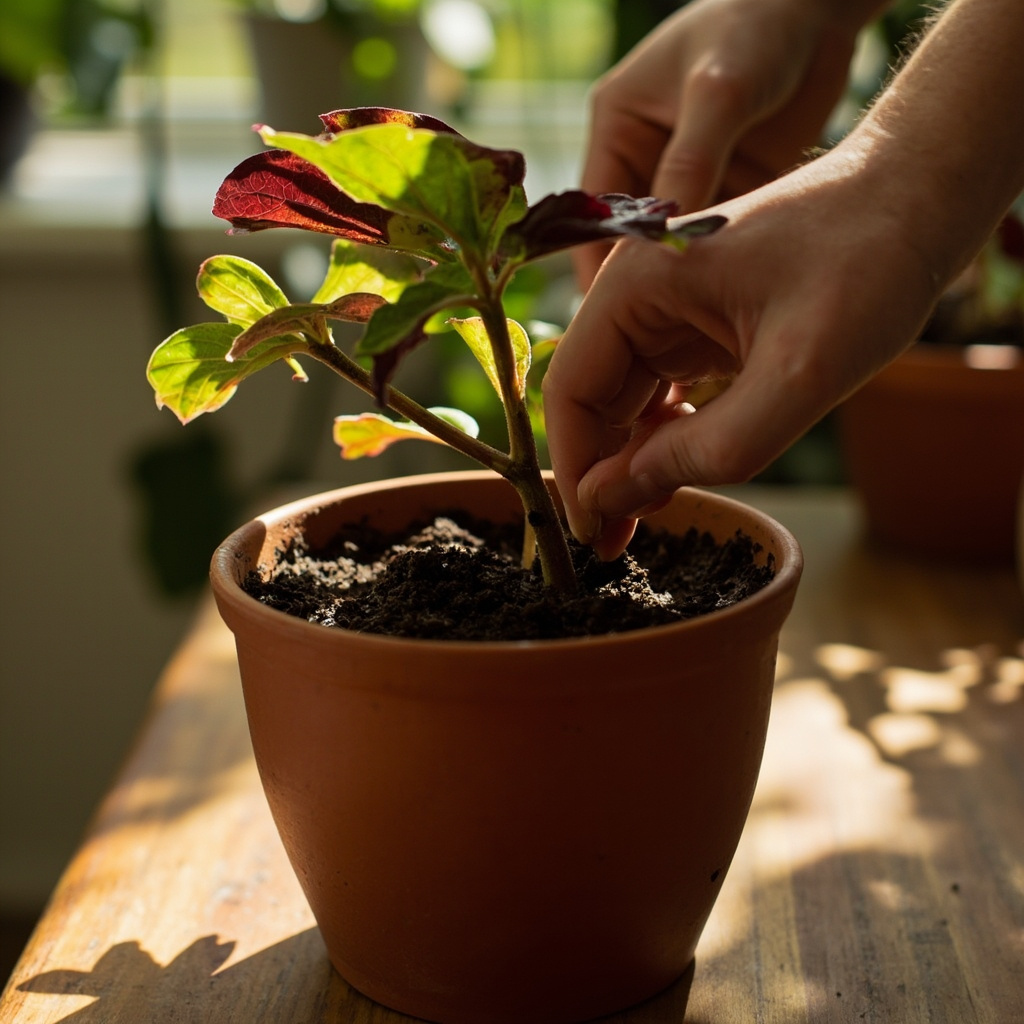
Check the soil before you water. If it is still moist at knuckle depth, the plant does not need water. If the soil is wet and the leaves are yellow, stop watering immediately and let the soil dry out completely. In severe cases, remove the plant from the pot, trim any dark or mushy roots, and repot in fresh, dry mix.
Prevention is straightforward: water only when the top inch of soil is dry, use a well-draining mix with perlite and bark, and always empty the saucer after watering. Agalonema forgive occasional missed waterings but do not forgive constant wet feet.
Natural Aging: One Yellow Leaf Is Normal
Agalonema naturally shed their oldest leaves as new ones emerge from the center. One lower leaf turning yellow and dropping every few weeks is normal senescence — the plant is reallocating resources to new growth. The yellowing starts at the leaf tip and progresses slowly over two to three weeks before the leaf drops cleanly.
The difference between natural aging and a problem is scale. One yellow leaf at a time is fine. Three or more yellowing at once, or yellowing that moves up the plant to newer leaves, means something is wrong. Work through the causes in this guide in order of likelihood: check soil moisture first, then light, then nutrients.
Too Little Light: Uniform Yellowing of Newer Leaves
When newer leaves (not just the oldest ones) turn pale green or yellow, the plant is not getting enough light to support its chlorophyll production. The plant is essentially starving. This happens gradually — the first sign is a slight paling of new growth, followed by fully yellow leaves that are smaller than normal.
The fix is to move the plant to a brighter position. An east-facing window or a spot 1 to 2 meters from a south-facing window provides enough light for most varieties. If your only option is a north-facing window, supplement with a grow light for 8 to 10 hours per day.
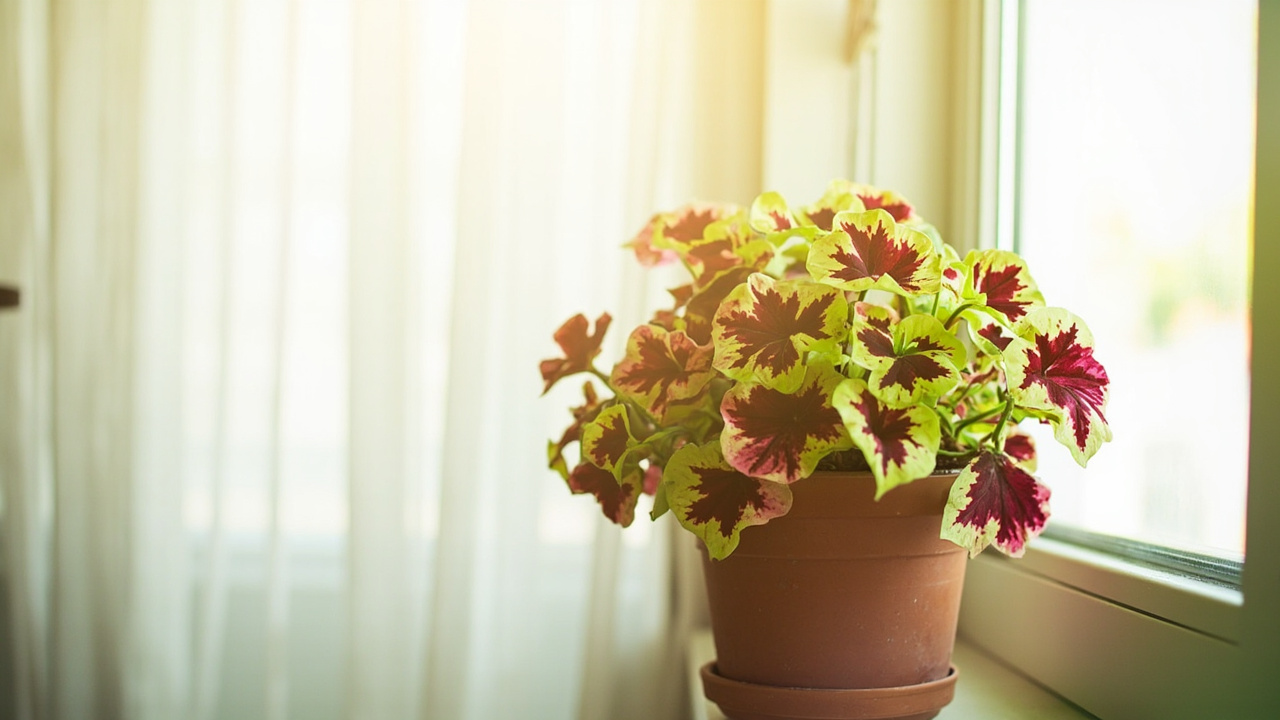
Variegated cultivars are more susceptible to low-light yellowing than solid green varieties. The white, pink, or silver portions of variegated leaves contain no chlorophyll, so the plant needs more total leaf area (and more light) to produce the same amount of energy. If a variegated aglaonema is losing its colour and turning uniformly green-yellow, it needs significantly more light.
Nutrient Deficiency: Nitrogen and Iron
Nitrogen deficiency shows as uniform yellowing of older leaves while the veins stay green (interveinal chlorosis). It happens when the plant has exhausted the available nitrogen in the soil and has not been fed. The fix is a dose of balanced liquid fertilizer — the plant greens up within two weeks.
Iron deficiency looks similar but affects newer leaves first. The leaf tissue turns yellow while the veins remain distinctly green. This is more common in alkaline soil (pH above 7.0) where iron becomes unavailable. Correct the pH with sulfur or an acidic fertilizer supplement.
If you have been fertilizing regularly and still see deficiency symptoms, the soil pH may be locking out nutrients. Flush the soil with clean water and apply a chelated iron supplement. Retest soil pH after flushing.
Quick Diagnostic Checklist
- Check the soil. Wet and yellow leaves = overwatering. Dry and yellow leaves = underwatering or nutrient issue.
- Count the yellow leaves. One at a time = natural aging. Three or more = care problem.
- Look at the pattern. Lower leaves yellowing = overwatering or aging. Newer leaves yellowing = low light or nutrient deficiency.
- Check the light. Is the plant more than 3 meters from a window? Move it closer.
- Review your feeding. When did you last fertilize? If more than 2 months ago, feed with balanced liquid fertilizer.
Most aglaonema yellow leaf problems are solved by adjusting watering and light. The plant is forgiving — once you correct the cause, new growth comes in green and healthy. The already-yellow leaves will not recover, but they will drop naturally and be replaced.
From Bank Statement to QuickBooks-Ready File
That manual cleanup you just read about? This tool skips it. Turn your PDF into QBO for QuickBooks without storing your data anywhere.