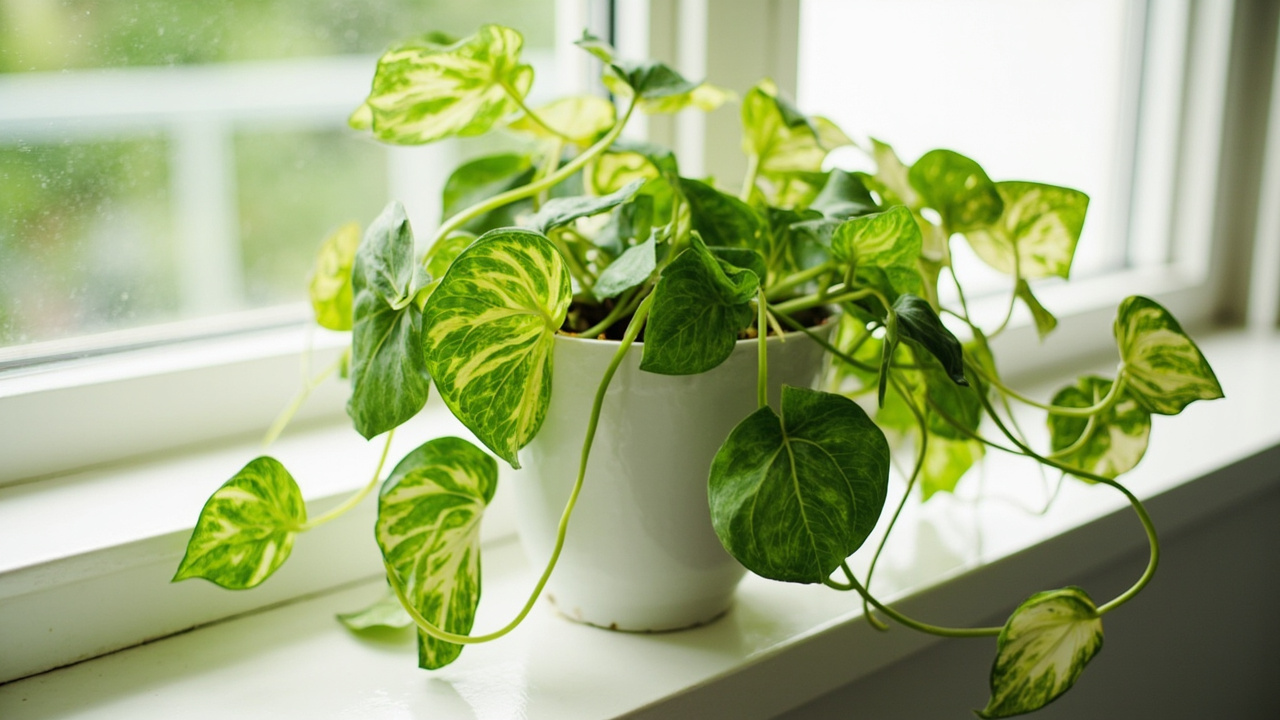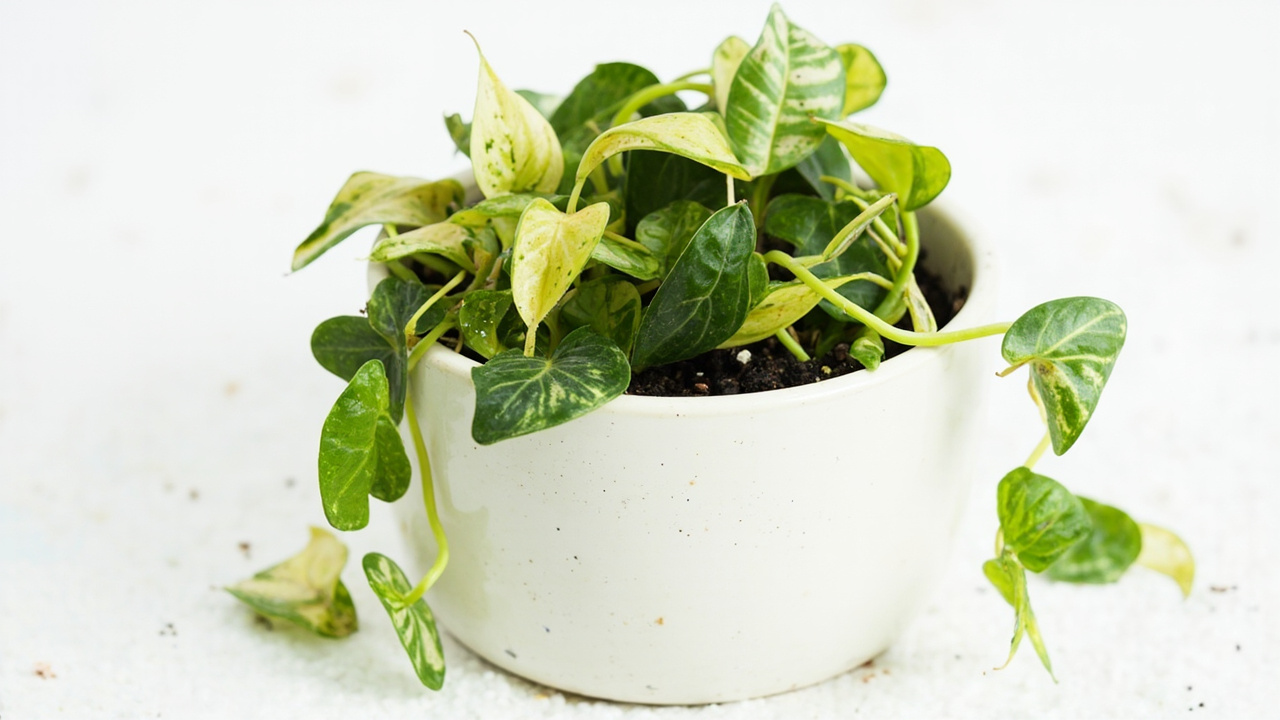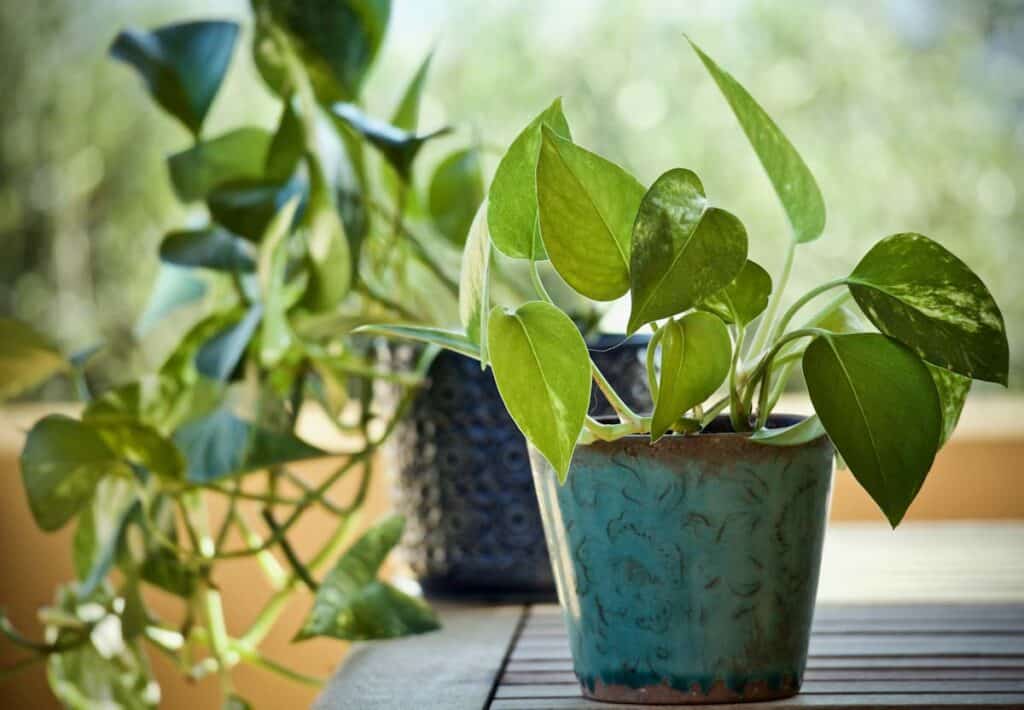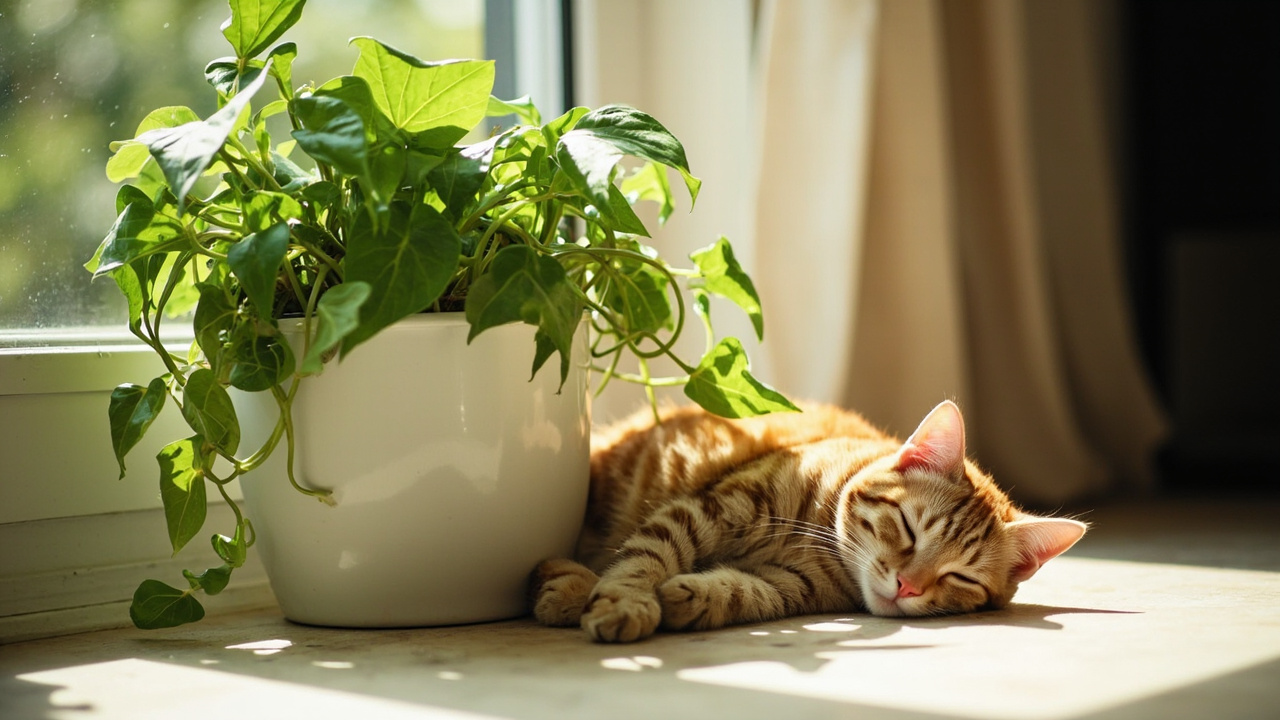

Money plants are toxic to cats and dogs. This is not a grey area or a minor warning — it’s a definitive fact about Epipremnum aureum that every pet owner needs to understand before bringing one into the home. The plant contains calcium oxalate crystals throughout its leaves, stems, and roots, and if any part of it is chewed or ingested, the crystals cause immediate irritation to the mouth, tongue, and digestive tract.
Money plants are toxic to cats and dogs. This is not a grey area or a minor warning — it’s a definitive fact about Epipremnum aureum. The care guide covers the plant’s background and origins.
The problems guide has more detail on what other issues affect money plants beyond pet safety.
The reaction in pets is unpleasant and can be serious, particularly for cats and dogs that chew plants out of curiosity or boredom.
What Happens When a Pet Eats a Money Plant
The calcium oxalate crystals in money plants are microscopic, needle-shaped structures. When a cat or dog chews the plant, the crystals embed in the soft tissues of the mouth, tongue, and throat. The result is immediate: excessive drooling, pawing at the mouth, oral pain, and head shaking. The tissues of the mouth become inflamed and irritated within minutes.
Swallowing causes the crystals to continue irritating the digestive tract. Vomiting, nausea, and reduced appetite follow within hours. The severity depends on how much was eaten. A few leaf bites causes significant distress but is unlikely to be life-threatening. A large quantity of plant material causes more serious digestive inflammation and requires veterinary attention.
Signs of Money Plant Poisoning in Pets
Watch for: excessive drooling or foaming at the mouth, repeated opening and closing of the mouth as if something is bothering the mouth, loss of appetite, vomiting (especially if plant material is visible), lethargy or unusual quietness, difficulty swallowing. Any combination of these signs within 2-4 hours of a pet having access to the plant is grounds for calling a vet.
Cats are more likely than dogs to chew houseplants, but both species are susceptible. Kittens and puppies are especially curious and are more likely to chew the plant. If you have young pets, the risk is higher.
What to Do If Your Pet Eats a Money Plant
Step one: call your vet. Don’t wait to see if symptoms develop. Describe how much of the plant was eaten, which part (leaf versus stem), and your pet’s current condition. The vet will advise on whether you need to bring the animal in.
If the vet recommends bringing the pet in, do so. Treatment is supportive: fluids to prevent dehydration, medication to control nausea and vomiting, and in more severe cases, drugs to protect the digestive lining. Most pets recover fully within 24-72 hours with appropriate care.
Do not induce vomiting at home unless specifically directed by a vet. Forcing vomiting when calcium oxalate crystals are involved can cause additional damage to the oesophagus and mouth on the way up.
Keeping Money Plants When You Have Pets
Every pet owner with money plants needs to make a deliberate decision: either keep the plant out of reach in a room the pet cannot access, or accept that the pet may eventually chew it. There is no intermediate option that is completely safe — a plant on a high shelf can be reached by a determined cat, and a plant on a surface can be knocked to the floor.
The practical choices:
Elevated, enclosed spaces: a room with a door that closes, where the plant lives on a high shelf and the pet has no access. This is the most reliable option. A spare room, home office, or bathroom that can be kept closed works well.
Rooms the pet cannot access at all: some homes have rooms with baby gates or closed doors that genuinely prevent pet access. If this is the case, the plant can live anywhere in those rooms without concern.
Very high, very stable shelving: a shelf the pet cannot reach or knock things off. Cats can jump, so this only works if the shelf height is genuinely beyond their reach and the plant is positioned where falling is not a risk. Most cats can reach shelves up to approximately 5 feet if they can jump to something adjacent first.
The Plants That Are Safe Alternatives
If the risk isn’t acceptable, consider moving the money plant outdoors or to a完全没有宠物的空间, or replacing it with a genuinely pet-safe alternative. Spider plants (Chlorophytum comosum) are non-toxic to cats and dogs and have a similar trailing growth habit. Boston ferns, prayer plants (Maranta), and calatheas are also non-toxic. Parlor palms (Chamaedorea elegans) are safe for pets and have a similarly tropical aesthetic to money plants.
The Honest Assessment
Money plants are beautiful, forgiving houseplants that belong in many homes. They do not belong in homes with pets that chew plants unless the plant is in a completely inaccessible location and that situation is permanently maintained. The risk is real, the symptoms are distressing, and veterinary treatment is expensive and not always straightforward.
The question isn’t whether the plant is dangerous — it is. The question is whether you can reliably prevent your pet from ever reaching it. If the answer is anything less than certain, the responsible choice is to find the plant a pet-free home.
From PDF to Excel in one click
Forget retyping line by line. Upload any bank statement, get a spreadsheet you can actually use. Your files are never stored, and you can test the converter with 3 free conversions.
Try it free