
Perlite earns its place in a potting mix when the mix is too heavy, too dense, or too prone to compaction. It does not earn its place when the mix already drains well and holds structure. The decision starts with the plant’s root oxygen requirement and the watering rhythm of the grower, not with a fixed ratio.
The goal of adding perlite is not drainage in the abstract. It is to create stable air space inside the root zone that survives repeated watering. A heavy mix collapses into a dense paste after a few cycles. Perlite particles act as rigid spacers that keep pores open. That is the mechanism, and it is the reason ratios are a starting point rather than a rule.
When Perlite Is Useful
Perlite is useful when the base mix is dense or organic. Peat-heavy mixes, compost-heavy mixes, and garden soil in containers all benefit from perlite amendment. It is also useful for plants that need fast drainage and high root oxygen, such as succulents, cacti, orchids in bark mixes that need extra air, and most aroids in indoor conditions. It is useful in hot climates where organic components break down faster and the mix needs structural reinforcement.
Perlite is unnecessary when the base mix already contains enough structural material. A mix heavy in bark, pumice, or coarse coco coir may not need perlite. Plants that prefer consistently moist, dense media are harmed by perlite’s aeration. And large outdoor raised beds with sandy loam rarely need amendment at all.
How Perlite Changes Growing Medium Structure
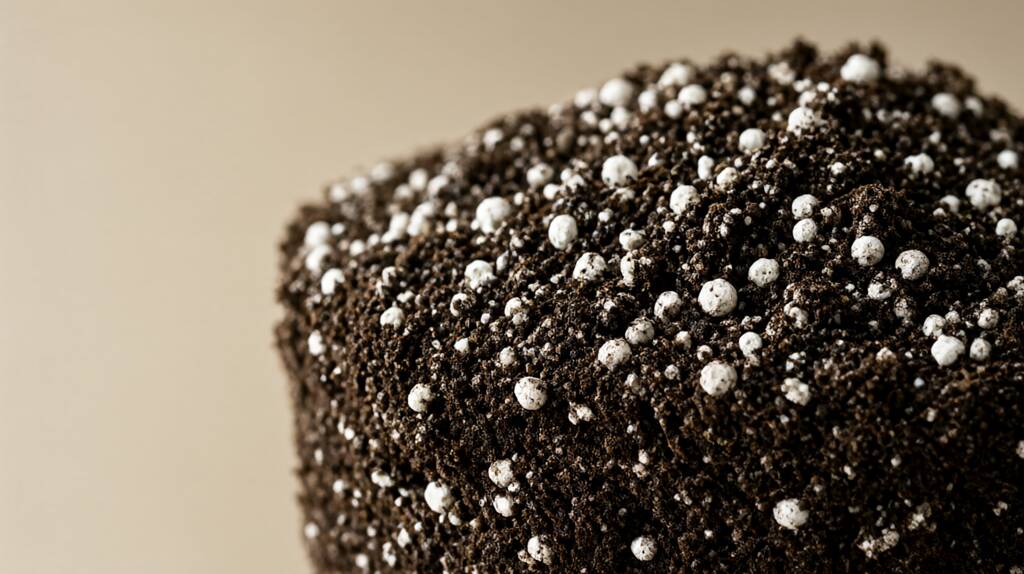
Perlite particles are rigid and non-compressible. When mixed into an organic base, they prevent the organic particles from packing together under the weight of water and gravity. The result is a mix with higher total porosity, faster drainage, and more air-filled pore space after watering.
The trade-off is water retention. Organic components hold water in pores and on surfaces. Perlite holds a thinner film. Replacing organic volume with perlite volume reduces the mix’s water-holding capacity. In a warm apartment with weekly watering, that reduction can be a problem if the ratio is too high.

Selecting the Right Grade
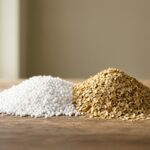
Grade selection follows the application. Coarse perlite, particles above 3 millimeters, suits hydroponics and very fast-draining succulent mixes. Medium grade, 1 to 3 millimeters, suits most houseplant potting mixes. Fine grade, below 1 millimeter, suits seed starting and fine-textured mixes but compacts if overused.
Commercial grade names are not standardized. One brand’s “coarse” may match another’s “medium.” Inspect the particle size in the bag rather than trusting the label, and match the grade to the mix requirement.
Determining a Starting Mix Ratio
There is no universal ratio. The starting point depends on the plant and the base mix. For a general houseplant in a peat-based mix, 20 to 30 percent perlite by volume is a reasonable starting point. For succulents and cacti, 40 to 50 percent is common. For moisture-loving tropicals, 10 to 20 percent may be enough to prevent compaction without drying the mix. For seed starting, 25 to 50 percent in a fine mix improves aeration without losing moisture.
These are starting points. The correct ratio is found by observing the mix after watering. For specific ratios by plant type, see how much perlite to add to potting soil. If water pools on the surface and drains slowly, increase perlite. If the mix dries within a day in a warm room, reduce perlite or add more water-holding component.
Mixing Procedure
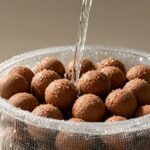
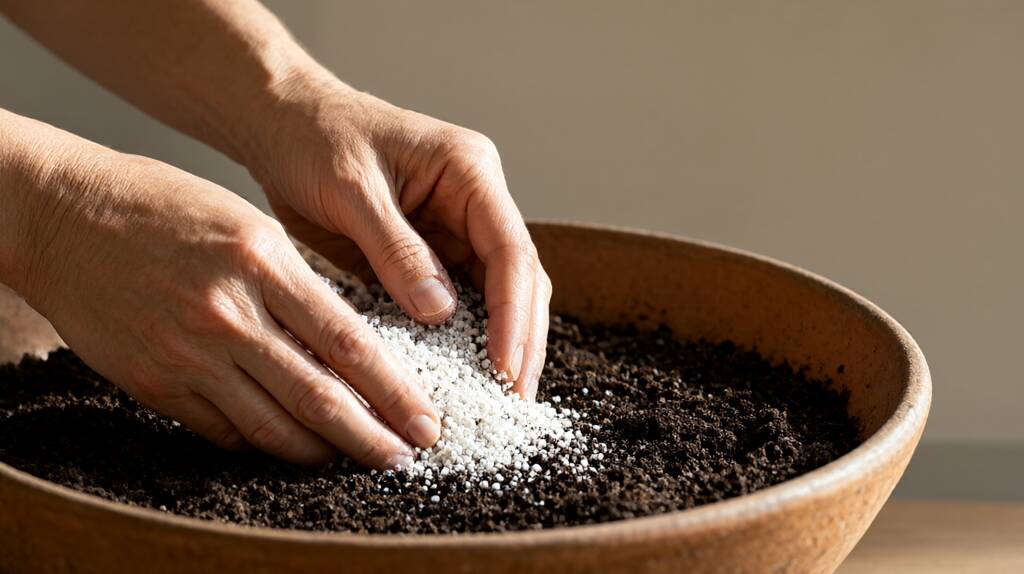
Wet the perlite lightly before mixing to suppress dust. Combine the base mix and perlite in a large container, mixing thoroughly so the perlite is distributed rather than layered. Test the mix by squeezing a handful. A well-balanced mix should hold together briefly then crumble when released. If it stays in a dense ball, it needs more perlite. If it falls apart immediately, it may be too coarse or too dry.
Combining Perlite with Other Components
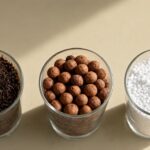
Perlite combines well with peat moss, coco coir, compost, bark, and pumice. It does not combine well with heavy clay soils, which overwhelm the structural benefit. In a mixed media approach, perlite provides air space while the organic or mineral components provide water and nutrient retention.
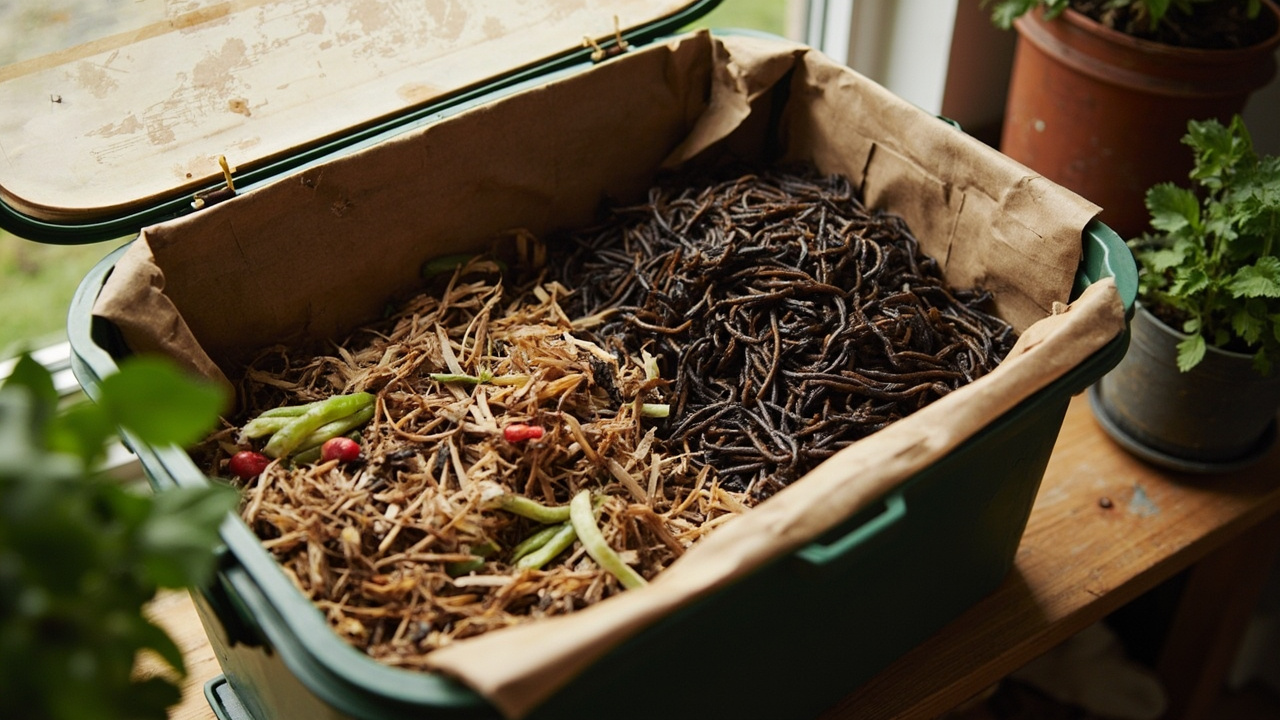
A common combination for houseplants is peat or coco coir as the base, perlite for aeration, and a small amount of compost or worm castings for nutrient availability. The perlite ratio in such a mix is typically 20 to 30 percent by volume.
Moisture Retention and Climate Effects
Climate changes the effective behavior of a perlite mix. In a hot, dry climate, a perlite-heavy mix dries out fast and may need more frequent watering or a higher proportion of water-holding components. In a cool, humid climate, the same mix may stay wet too long, and a higher perlite ratio or coarser grade helps.
Indoor heating in winter lowers humidity and increases evaporation from the pot surface, which means a mix that worked in summer may dry too fast in winter. Adjusting the ratio seasonally is a legitimate practice, though most growers find a middle ratio and adjust watering instead.
Common Mixing Mistakes
The most common mistake is using too much perlite. A mix above 50 percent perlite dries out within hours in a warm room and provides almost no nutrient reserve. The plant may look fine for a week then decline. The second mistake is using too little, which leaves the mix dense and prone to compaction. The third mistake is ignoring grade. Fine perlite in a succulent mix defeats the purpose. The fourth mistake is not wetting the perlite before mixing, which creates a dust hazard and uneven distribution.
When Perlite Is Unnecessary
Perlite is unnecessary in mixes that already drain well and hold structure. It is unnecessary for plants that prefer dense, consistently moist media. It is unnecessary in large outdoor beds with good soil structure. And it is unnecessary when the grower is not willing to adjust watering and feeding to match the faster-draining mix.
The test is simple. If the current mix drains within a few minutes of watering and does not stay waterlogged, and the plant is healthy, adding perlite will not help. If the mix stays wet for days or compacts into a dense mass, perlite will help.
Plant-Specific Considerations
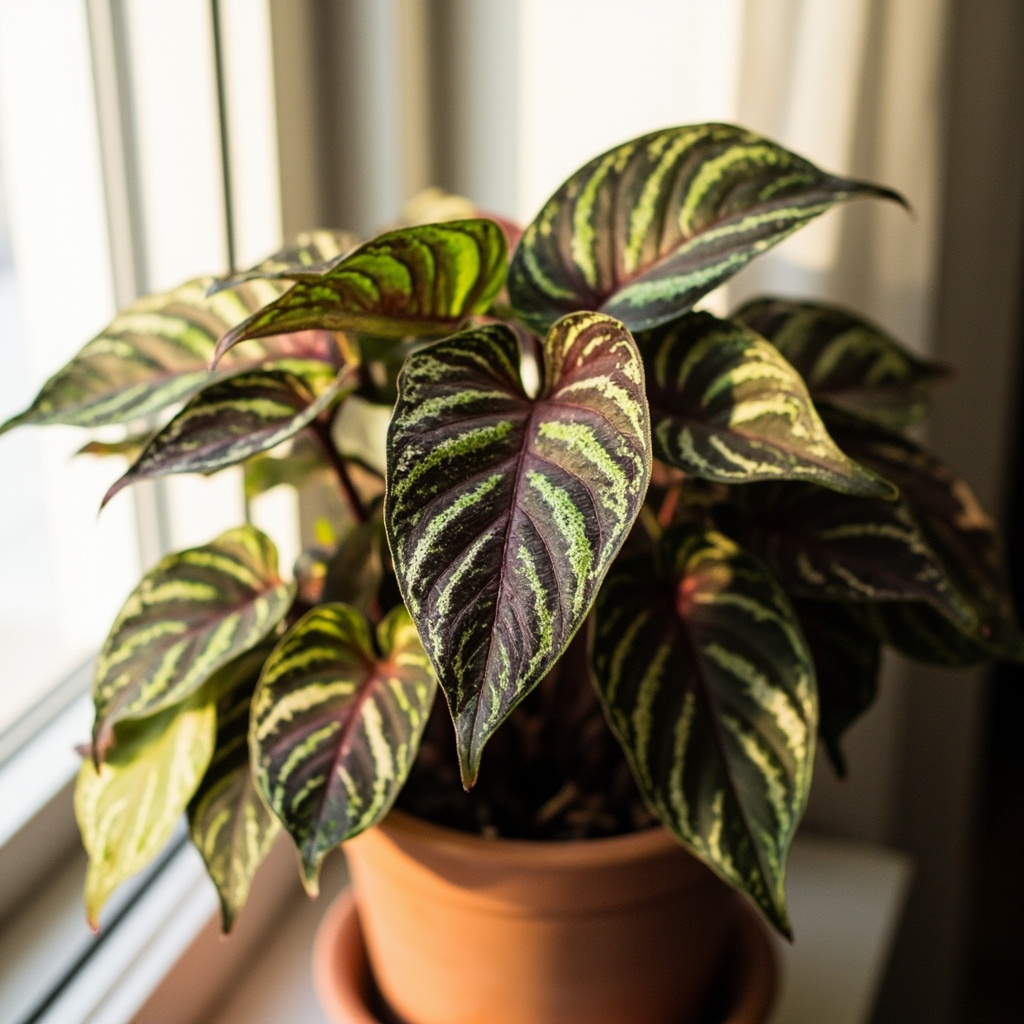
Different plants need different approaches. Succulents and cacti need coarse perlite at 40 to 50 percent. Aroids like philodendron and monstera need medium perlite at 20 to 30 percent in a chunky mix. Seedlings need fine perlite at 25 to 50 percent in a fine base. Moisture-loving plants like ferns need less perlite, 10 to 20 percent, to avoid drying the mix. These are starting points, and the plant’s response over two to four weeks is the real feedback.
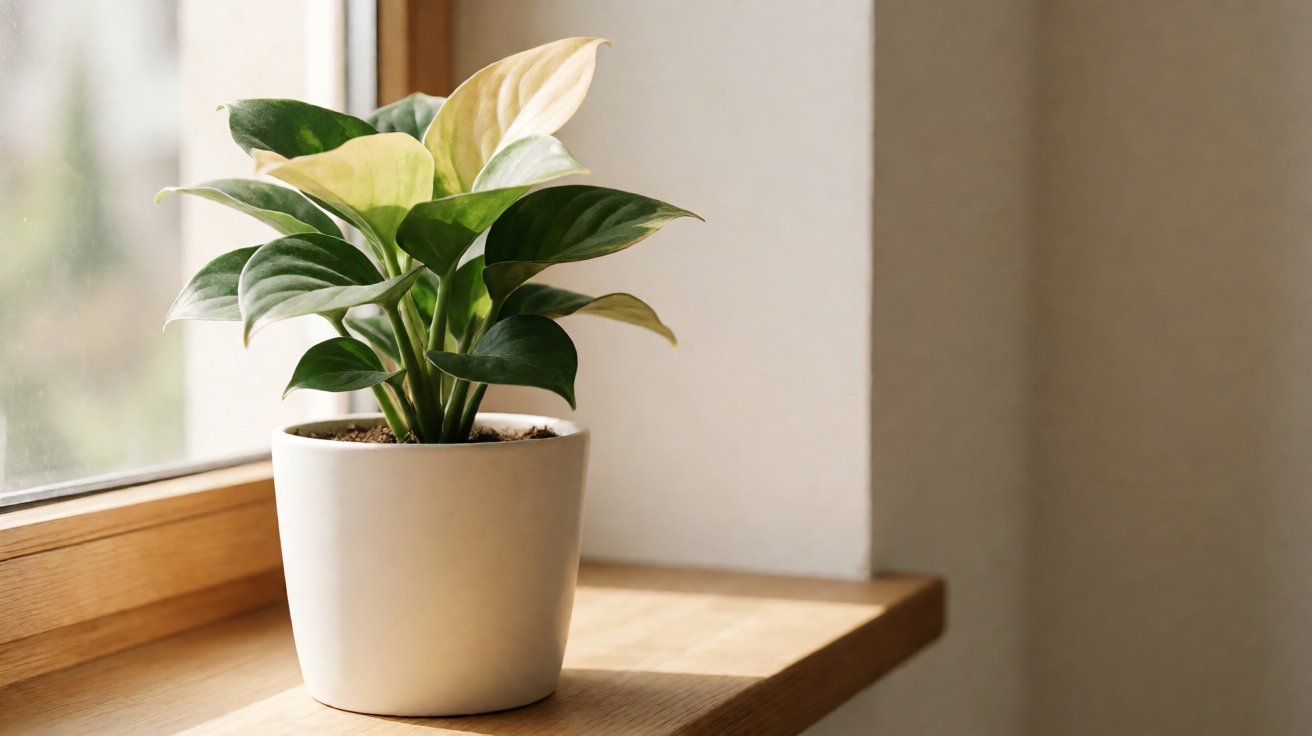
Money plant and philodendron soil mixes, which already include perlite as a component, are examples of plant-specific applications. See money tree soil and pot and perlite particle sizes and grades. The general principles here apply across species, but the exact ratio must be tuned to the plant.
Last reviewed on November 9, 2026
Sources and further reading: Perlite Institute, horticultural applications; Oklahoma State University Extension, soilless growing media; University of Florida IFAS Extension, commercial crop production in perlite media.