
You watered your Hoya last Saturday without thinking twice. This Saturday, the stems feel unusually soft. A yellow leaf drops at the lightest touch.
You water again, thinking the plant is dry. The next leaf falls faster. Most Hoyas die from drowning, not drought.
The roots need a wet-dry cycle, not constant moisture. In nature, Hoya aerial roots cling to bark and drink from rain, then dry within hours. In a pot, dense soil holds water for days, and the root cells suffocate from oxygen deprivation.
This article covers the dry-between rule, how to read Hoya leaves for moisture signals, the seasonal rhythm from spring through winter dormancy, the pot material factor most owners overlook, and the recovery steps when watering goes wrong.
Why Hoya Roots Drown: The Epiphytic Water Logic
The fundamentals of Hoya watering start with understanding the root. A Hoya root is not a terrestrial root. It evolved to wrap around tropical tree bark and absorb moisture from humid air.
When the potting mix stays wet longer than the root tissue can tolerate, the cortex cells collapse from oxygen deprivation. The University of Florida IFAS Extension notes that epiphytic plant roots in consistently moist media show breakdown within 10 days.
The practical shift is immediate. A Hoya wants a wet-dry cycle, not even moisture..
When the pot feels light and the top inch of mix crumbles, that is the watering window. Until then, the roots are still using residual moisture..
The Dry-Between Rule: How to Water a Hoya Correctly
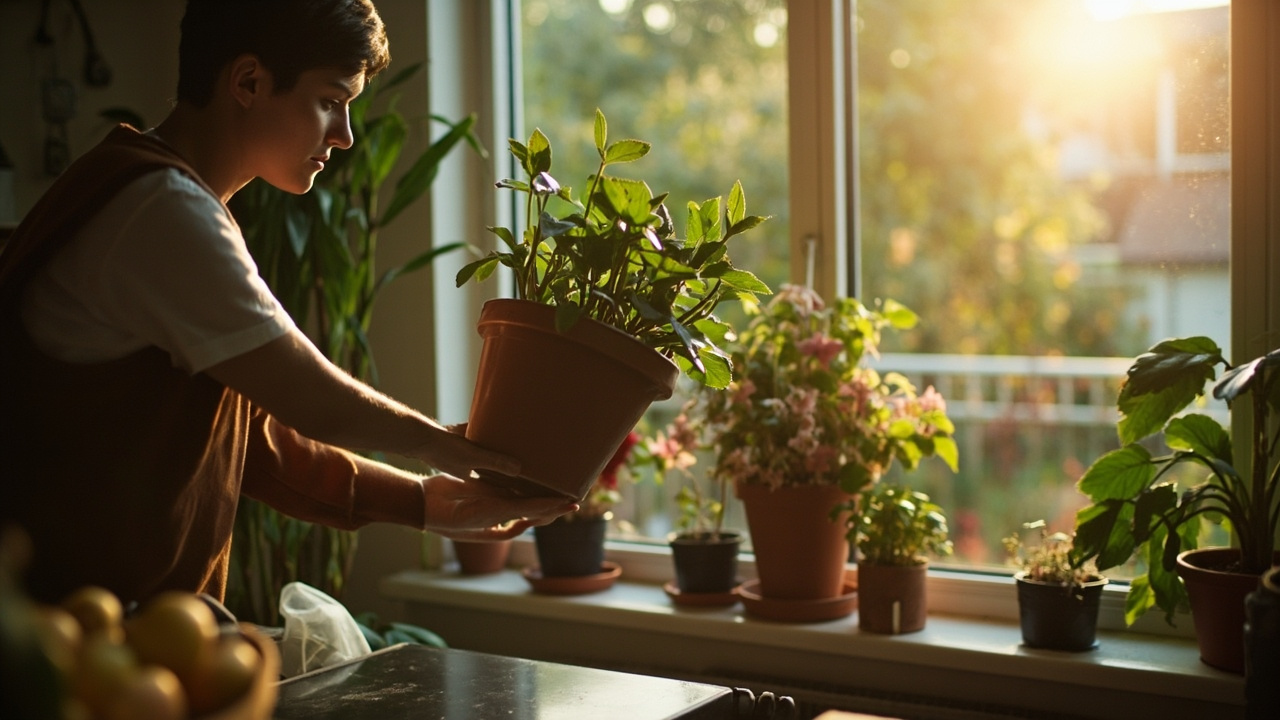
The pot-lift method removes all guesswork. Lift the Hoya pot right after a thorough watering and feel the weight..
Lift again 5-7 days later. When the pot feels roughly half as heavy, the root zone has reached the moisture level where aerial roots function..
In a 6-inch plastic pot with a chunky mix, this typically takes 7-10 days in spring and summer. Below 60°F (15°C), Hoya metabolism slows to near-dormancy..
Water sits in the mix far longer. In that range, stretch the dry interval to 3-4 weeks..
If you see a Hoya leaf wrinkle or a stem lose turgor, that is a late-stage thirst signal. A healthy Hoya rarely shows visible wilting because the semi-succulent tissue buffers water loss.
The commonest mistake is every-Saturday watering. Instead, check the Hoya pot weight every 3 days and water only when the pot drops to its post-drying baseline. An indoor plant watering schedule gives a baseline rhythm, but the Hoya’s pot weight remains the final decision trigger.
Reading Hoya Leaves and Stems: What Wrinkling, Yellowing, and Mushiness Mean
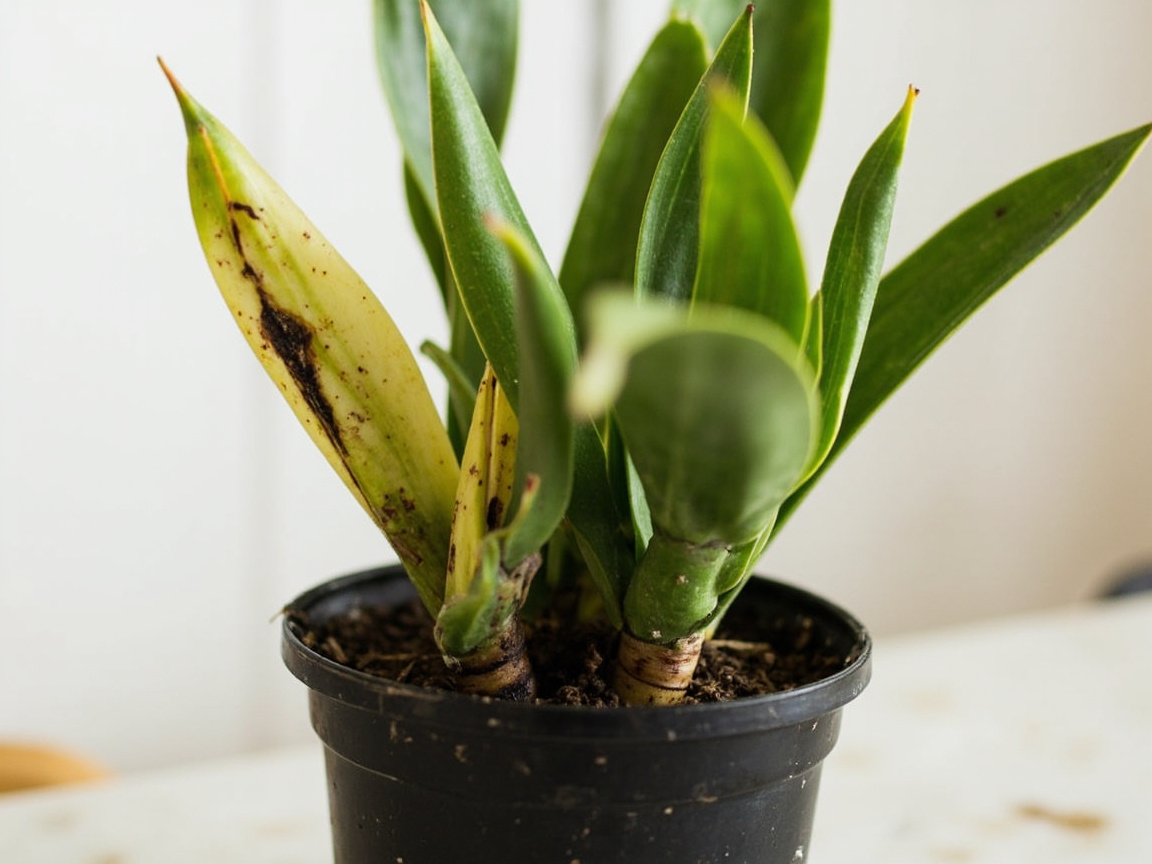
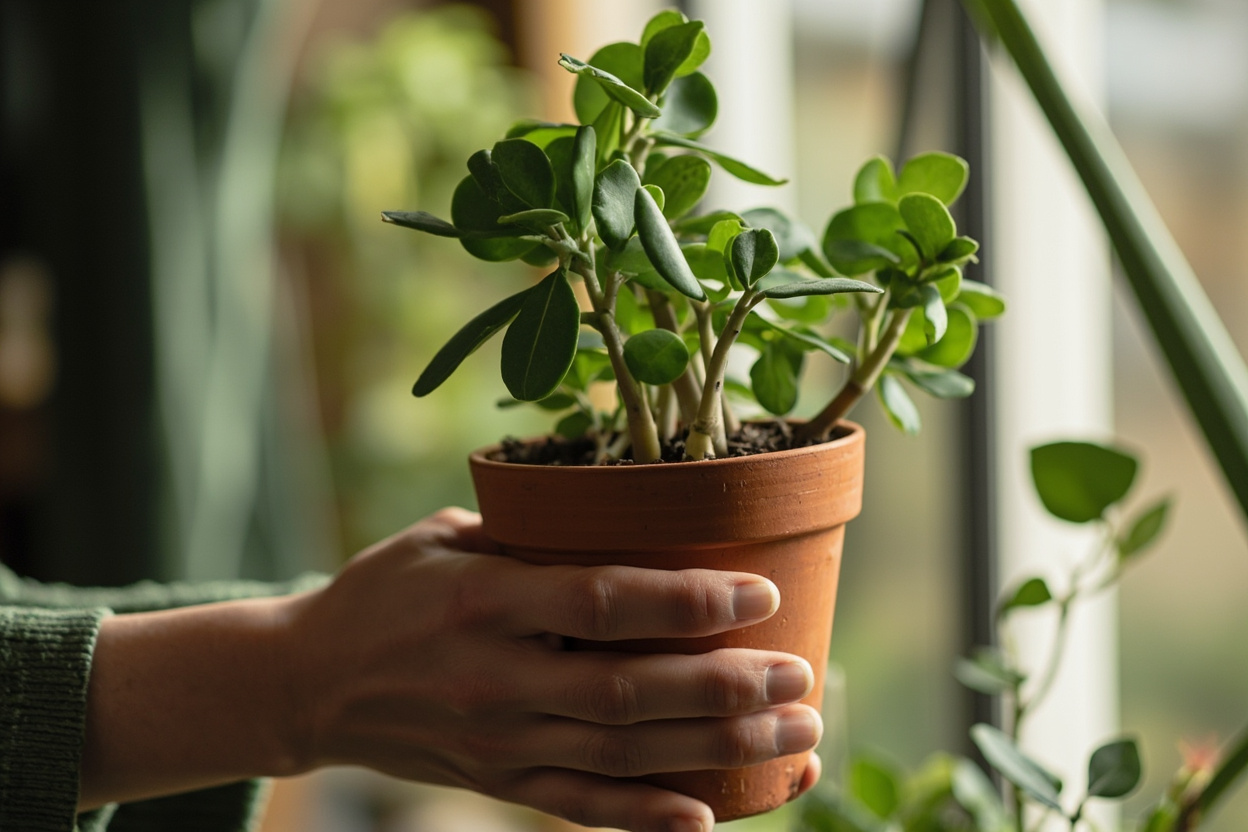
The Hoya tells you when the watering is wrong. A wrinkled leaf that feels soft is a late-stage underwatering signal. Yellow lower leaves that drop easily are often the first sign of overwatering because the oldest roots rot first.
A soft, mushy stem that bends without resistance or oozes liquid is advanced rot. Unlike wrinkled leaves, a mushy stem will not recover. The conditional rule: when you see wrinkling, water within 24 hours and the leaf will re-turgor within 48-72 hours.
When you see yellowing, skip the next scheduled water and reassess in 5-7 days. When you see mushiness, stop watering immediately, cut back to firm green stem, and repot into dry mix.
The RHS notes that misdiagnosis is the most common Hoya killer: owners see yellow leaves and water more, when the real problem is drowning roots. The fix is to pull the Hoya from the pot, inspect the roots, and let the root ball air-dry for 2-3 hours before returning to dry mix.
Seasonal Watering Shifts: Spring Growth Through Winter Dormancy
Hoya watering follows the seasons because the plant’s metabolic rate does. March through September, active growth drives frequent water uptake. The Hoya may need a thorough drink every 7-10 days in a warm room.
October through February, the same Hoya in the same pot may need water only once every 3-4 weeks because light drops below the photosynthetic compensation point and growth stalls.
The practical rule of thumb: above 75°F (24°C) with bright light, water when the pot drops to half-weight. Below 65°F (18°C) in a cool room, wait until the pot feels nearly dry throughout..
If the Hoya sits near a radiator, check weekly because warm dry air pulls moisture from the mix faster. A house plant care calendar shows the month-by-month temperature and light averages..
The components of the seasonal shift are distinct: temperature drives metabolic rate, light drives photosynthetic demand, and pot material mediates the drying interval. Change any one variable and the watering frequency shifts with it. In one case study, a Hoya carnosa in a Chicago apartment went from weekly summer watering to once monthly in November simply because the radiator raised the room temperature 8°F; the owner adjusted the interval by checking pot weight and the plant resumed blooming by March.
The Pot and Soil Factor: How Container Choice Changes Watering Frequency
Terracotta and plastic demand different Hoya watering rhythms. Terracotta breathes through its porous walls, pulling moisture from the mix. A Hoya in a terracotta pot may need water every 5-7 days in summer because the medium dries from both the top surface and the pot walls.
Plastic is impermeable; moisture exits only through the drainage holes and the soil surface. The same Hoya may stretch to 10-14 days in plastic. The trade-off: terracotta reduces overwatering risk but the owner must check more frequently in hot weather.
Root Rot Recovery: What to Do When Watering Goes Wrong
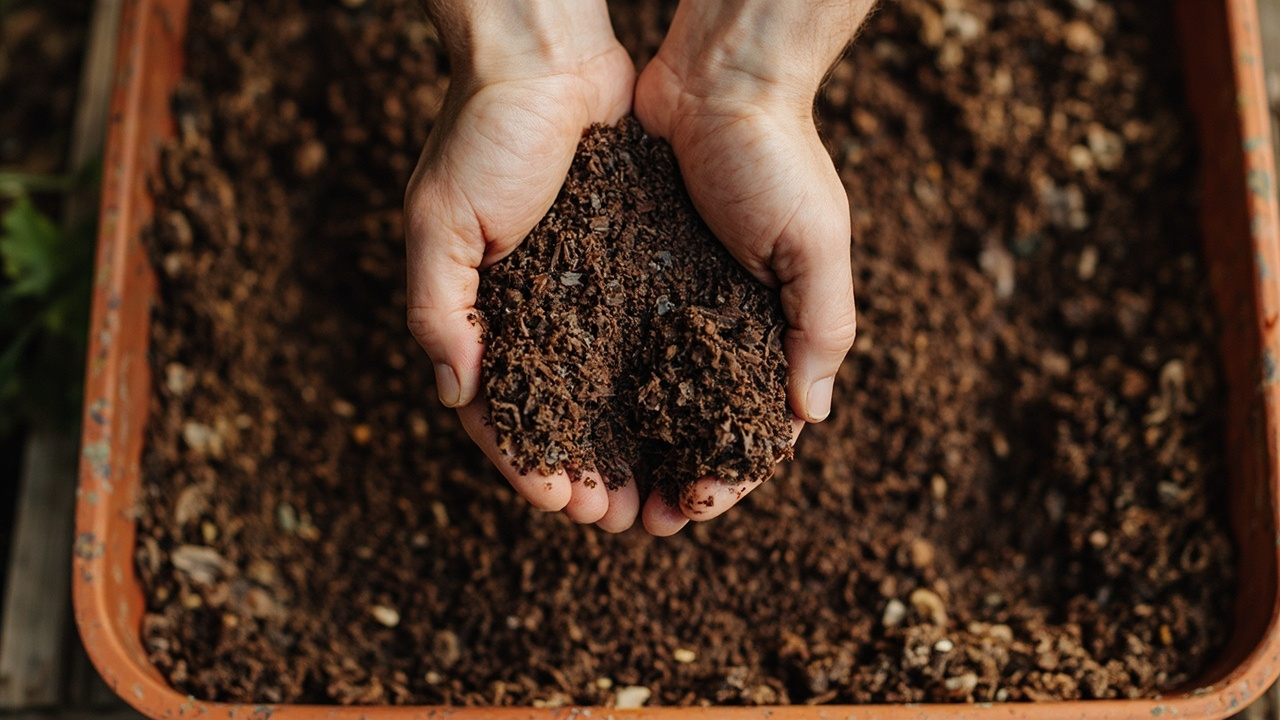
When the Hoya shows advanced overwatering, the rescue protocol starts with removal. Pull the plant from the pot and wash the soil from the roots. Healthy Hoya roots are firm and pale; rotted roots are dark brown, soft, and may fall apart when touched.
Cut every compromised root back to healthy tissue with clean scissors. Let the root ball air-dry for 2-3 hours on a paper towel. Repot into fresh, dry chunky mix.
Do not water for 48 hours after repotting; the Hoya needs that dry window to seal the cut root ends before facing moisture again. The honest limit: no Hoya recovers from 5 days of fully saturated roots without permanent loss.
The root cortex cells collapse irreversibly. Even after repotting the plant may take 4-8 weeks to rebuild the uptake network and resume growth. For the full Hoya care protocol, the Hoya plant care complete guide covers the rescue framework in detail.
When watering mistakes produce visible leaf symptoms, the dedicated diagnosis guide at Aqualogi covers the four curl patterns and the matching root-zone causes. See the Hoya leaves curling and wilting guide.
Turn That PDF Into a Spreadsheet in Minutes
You've seen how to do it manually — now let the tool handle the heavy lifting. Upload your bank statement and get Excel, CSV, or QBO in a few clicks.
Try It Free