Weeping figs (Ficus benjamina) are notorious for dramatic reactions to change. Leaf drop, yellowing, and brown edges are the three symptoms owners report most often, and in most cases the cause traces back to water, light, or environmental shift. The good news: a weeping fig that is losing leaves is not necessarily dying. It is telling you something specific about its conditions.
Some leaf loss is built into the species. A weeping fig can drop 30–50% of its leaves after being moved to a new room, brought home from a nursery, or exposed to a cold draft. This is a normal stress response called abscission — the plant sheds leaves it cannot support under the new conditions. It looks alarming, but the plant usually stabilises within 3–4 weeks if conditions are otherwise adequate.
Persistent yellowing, rapid leaf drop beyond the initial shock, or widespread brown edges point to an ongoing problem that will not correct itself. This guide covers the five most common weeping fig problems by symptom, so you can match what you see to the likely cause.
Leaf Drop on Weeping Figs
Leaf drop is the signature weeping fig problem. Understanding when it is normal and when it signals a deeper issue is the first step to diagnosing your plant. For the full care foundation that prevents most leaf drop, see the weeping fig care guide.
When Leaf Drop Is Normal
Weeping figs form an abscission layer at the base of each leaf petiole when stressed. This layer seals off the leaf and causes it to fall. The triggers are predictable: moving the plant to a new location, a sudden change in light levels, exposure to cold air from a door or window, or bringing it home from the shop. The plant is reallocating resources to new growth that suits the current conditions.
If the leaf drop happens within 1–2 weeks of a change and then slows, the plant is adjusting. Keep conditions stable — bright, indirect light, temperatures above 60°F (15°C), and no cold drafts — and wait. New leaves typically emerge from the stem tips within 4–6 weeks.
When Leaf Drop Signals a Problem
Leaf drop that continues for more than four weeks, or that happens without any environmental change, points to a root or water issue. Check the soil: if it has been consistently wet for weeks and the lower leaves are yellowing before they drop, suspect root rot. If the soil is bone dry and leaves are crisping before falling, the plant has been underwatered. A pattern of lower leaves dropping while the top stays green often means the roots are struggling — either from compaction, rot, or being severely root-bound.
Yellow Leaves on Weeping Fig
Yellow leaves on a weeping fig can mean several things, and the texture of the leaf tells you which one. Soft, limp yellow leaves that droop almost immediately are the classic sign of overwatering. The roots are sitting in waterlogged soil, oxygen is depleted, and the plant cannot take up nutrients properly. The oldest leaves yellow first because the sacrifices them to protect new growth.
Crispy yellow leaves that curl inward before turning are the opposite: underwatering. The plant is pulling moisture from its oldest leaves to keep the stem and growing tips alive. The soil will feel dry more than 2 inches (5 cm) down, and the pot may feel unusually light.
A third pattern — yellowing between the veins while the veins stay green — indicates a nutrient deficiency, usually magnesium or iron. This is less common in weeping figs that are repotted every 2–3 years with fresh mix, but it can develop in older plants that have not been fed during the growing season.
Brown Edges and Spots
Brown, crispy edges on otherwise green leaves are most often caused by low humidity or inconsistent watering. Weeping figs prefer humidity above 40%. In heated indoor air during winter, humidity can drop below 20%, and the leaf margins desiccate first because they are the furthest from the water supply in the stem. Misting does not fix this — it raises humidity for minutes, not hours. A humidifier or pebble tray is more effective.
Brown spots in the centre of the leaf, rather than the edges, suggest edema. This happens when the plant takes up water faster than it can transpire, causing leaf cells to burst. The spots are small, raised, and slightly translucent at first, then turn brown. Overwatering combined with cool temperatures is the usual cause. Improve air circulation and reduce watering frequency, letting the top inch (2.5 cm) of soil dry out between waterings.
Root Rot in Weeping Figs
Root rot is the most serious common weeping fig problem, and it is almost always caused by overwatering combined with poor drainage. The early signs are easy to miss: the plant wilts even though the soil is wet, lower leaves turn yellow and drop, and growth slows to almost nothing.
The definitive check is the smell test. Gently remove the plant from its pot and sniff the root ball. Healthy roots are firm and white or light tan. Rotten roots are soft, dark brown or black, and have a sour, anaerobic smell. If more than one-third of the root mass is affected, the plant is in serious trouble but can still be saved by trimming all rotten roots, repotting in fresh well-draining mix, and reducing watering frequency.
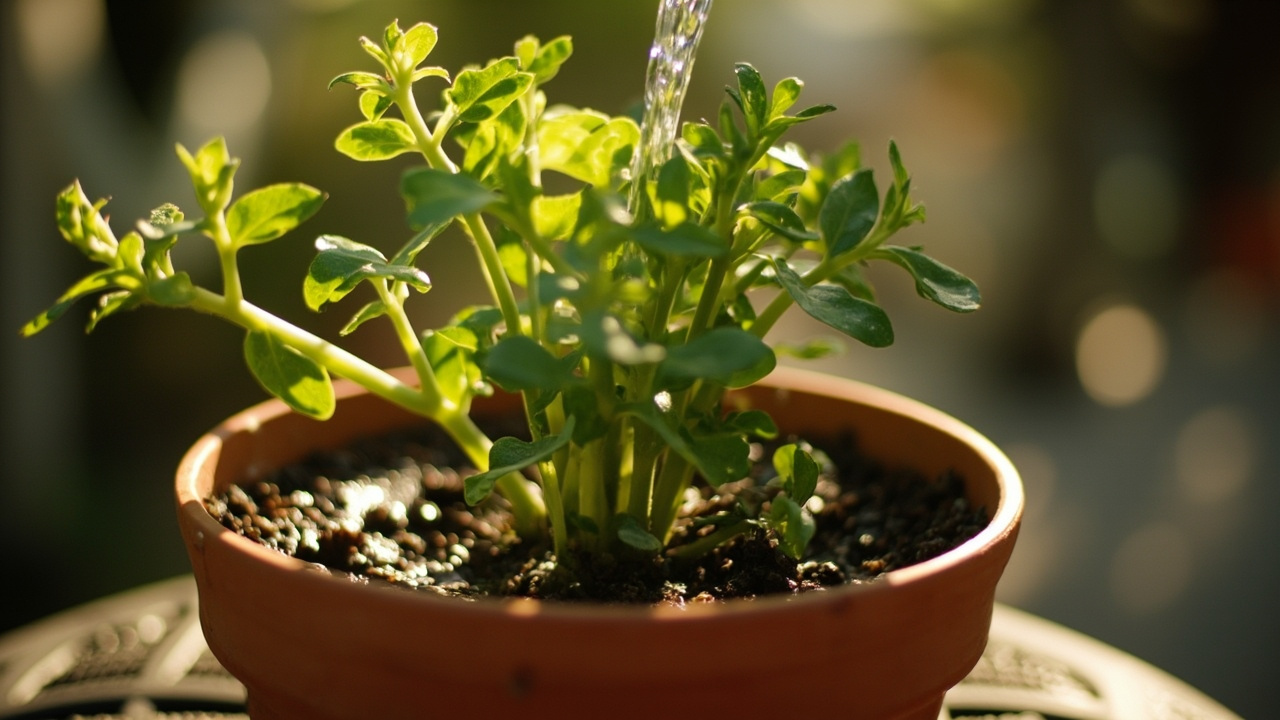
Prevention is straightforward: use a pot with drainage holes, a mix that includes at least 20% perlite or orchid bark, and water only when the top 1–2 inches (2.5–5 cm) of soil feels dry to the touch.
Environmental Stress and Draft Damage
Weeping figs are sensitive to air movement. Cold drafts from doors, windows, or air conditioning vents cause rapid leaf drop that mimics overwatering. The affected leaves often show brown patches on the side facing the draft before they fall. Move the plant at least 3 feet (1 m) from any air source and the problem usually resolves.
Sudden temperature drops below 50°F (10°C) can trigger mass leaf loss even without visible draft damage. Weeping figs prefer a stable range of 65–75°F (18–24°C). If your plant is near a window in winter, check whether the leaves touch cold glass at night — even brief contact is enough to damage tissue. For comparison, a rubber plant care guide shows that Ficus elastica tolerates slightly cooler conditions but reacts similarly to cold shock.
Diagnosing weeping fig problems is a process of elimination. Start with the most recent change in the plant’s environment, check the soil moisture, then examine the pattern of damage. Most problems are correctable if caught before root rot or prolonged stress sets in.
From PDF to Excel in one click
Forget retyping line by line. Upload any bank statement, get a spreadsheet you can actually use. Your files are never stored, and you can test the converter with 3 free conversions.
Try it free