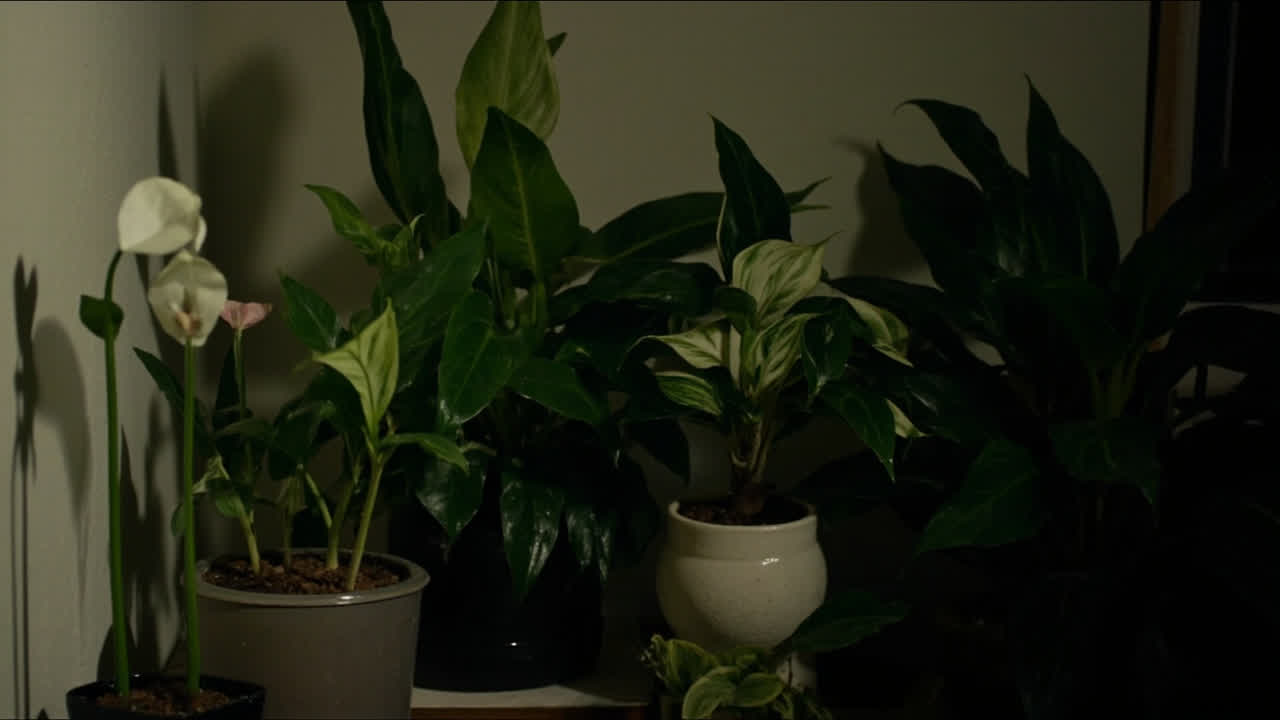
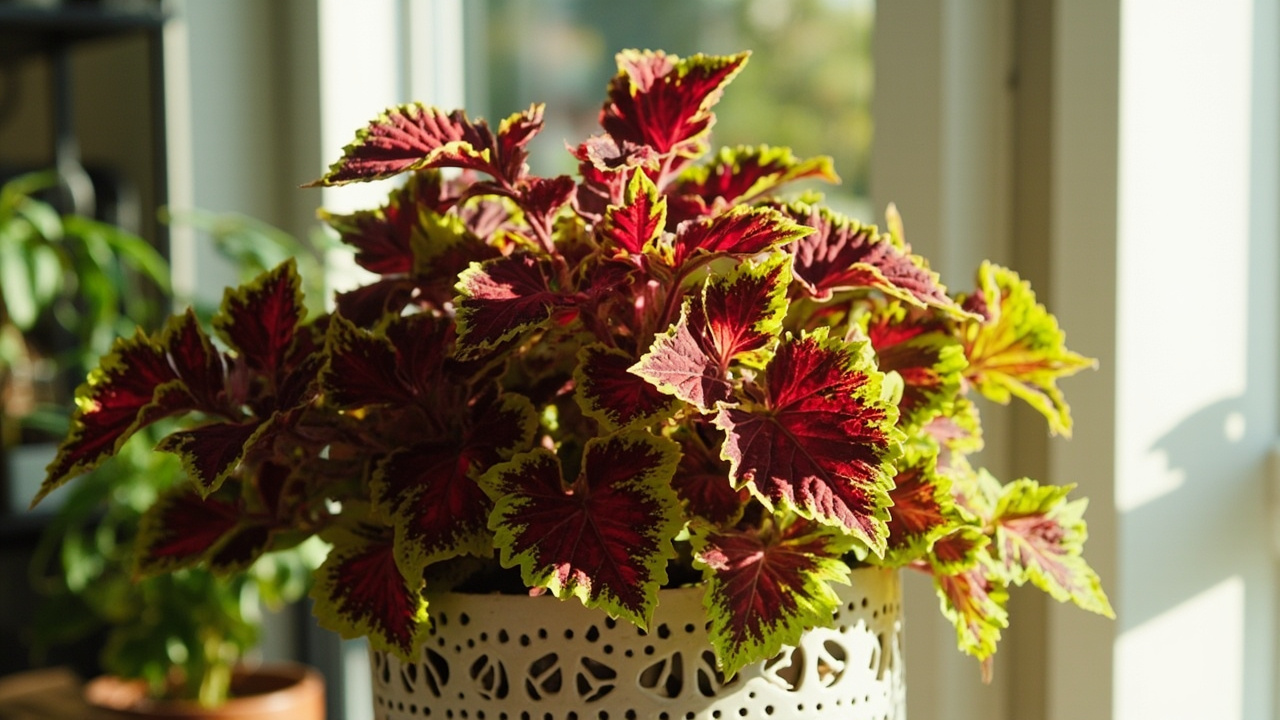
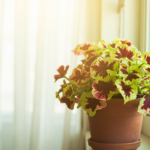
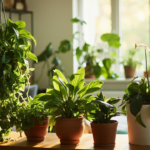
Agalonema care is straightforward: bright indirect light, moderate watering when the top inch of soil dries, and average indoor humidity. They tolerate low light better than almost any other colourful houseplant — which is why they have been a staple of offices, hotel lobbies, and north-facing windows for decades. New cultivars with pink, red, and silver markings have pushed them from boring office plant to 2026 trending houseplant.
The Royal Horticultural Society lists aglaonema as one of the top 20 houseplants for beginners. They forgive irregular watering, thrive in fluorescent light, and rarely suffer from pests. The main requirement is warmth — they are tropical plants and suffer below 15°C (60°F). Keep them away from cold windows and draughty doorways in winter and they will reward you with years of reliable, colourful foliage.
This guide covers the full care foundation. For specific topics, the linked guides go deeper on watering, light, soil, propagation, and yellow leaf diagnosis.
Light Requirements: Low Light Tolerant but Bright Is Better
Agalonema tolerates lower light than almost any colourful houseplant. Green varieties survive in north-facing windows and interior rooms with only fluorescent lighting. But “survives” is not the same as “thrives” — in low light, growth slows and the colourful markings on variegated cultivars fade.
For the best colour and steady growth, provide bright indirect light. An east-facing window or a spot a meter back from a south-facing window is ideal. Direct afternoon sun scorches the leaves, causing pale brown patches that never heal. If your only option is low light, choose a green variety like ‘Emerald Bay’ — it handles dim conditions better than heavily variegated types.
The low light plants guide lists aglaonema among the top performers for dim rooms, alongside pothos, snake plant, and ZZ plant.
How to Water an Aglaonema
Water when the top inch of soil feels dry. Push your finger into the soil — if it is dry at knuckle depth, water thoroughly until it runs out the drainage holes. If it is still moist, wait and check again in two to three days.
Overwatering is the most common mistake. Agalonema roots rot quickly in saturated soil. The first sign is yellowing lower leaves that drop within days. If you see this, stop watering immediately, let the soil dry out completely, and check the roots. Rotted roots are dark brown and mushy — trim them away and repot in fresh, dry mix.
Underwatering is less common but still possible. Wilted, drooping leaves that do not perk up after watering indicate the roots have dried out severely. Water thoroughly and the plant usually recovers within 24 hours. In winter, reduce watering frequency — the plant is growing slowly and the soil takes longer to dry.
Soil and Humidity Needs
Use a well-draining, moisture-retentive potting mix. A standard houseplant mix amended with 20 to 30 percent perlite works well. The goal is a mix that holds some moisture but never stays soggy. Agalonema roots are thick and fleshy (rhizomatous) and need air as much as they need water.
Humidity above 50 percent is ideal. In dry homes, especially in winter with heating systems running, the leaf tips turn brown and crispy. A pebble tray, humidifier, or grouping with other plants raises the local humidity. Misting helps for a few minutes but is not a substitute for ambient humidity.
Repot every two to three years in spring. Agalonema are slow growers and do not need annual repotting. Move up one pot size (2 to 3 cm larger in diameter) and use fresh mix. If the plant is root-bound and water runs straight through the pot, it is time to repot.
Temperature and Feeding
Agalonema grow best between 18°C and 27°C (65°F to 80°F). They tolerate brief dips to 15°C (60°F) but suffer below that — leaves develop dark, water-soaked patches and the plant may drop foliage. Keep away from cold windows, air conditioning vents, and draughty doorways in winter.
Feed monthly during the growing season (spring through early autumn) with a balanced liquid fertilizer at half strength. Do not fertilize in winter — the plant is not actively growing and the unused salts accumulate in the soil. Over-fertilizing causes brown leaf tips and crusty salt deposits on the soil surface.
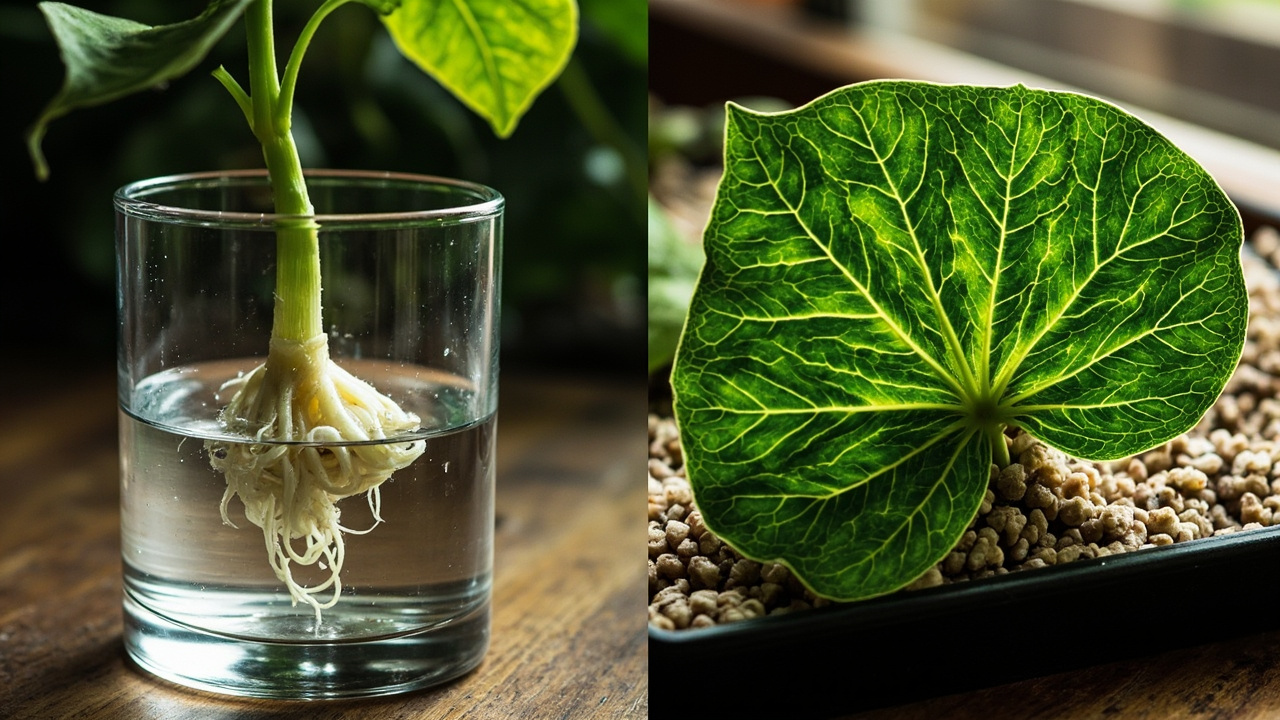
Propagation by division is the most reliable method. When repotting, separate the rhizomes (thick underground stems) with a clean knife, ensuring each division has at least two or three leaves and healthy roots. Pot divisions up in fresh mix and keep humid until new growth appears.
Common Problems and Where to Get Help
Three issues account for most aglaonema problems. Yellow lower leaves are the most common — usually caused by overwatering or natural leaf aging. One or two older leaves yellowing at a time is normal. Multiple yellow leaves at once means the roots are stressed.
Brown leaf tips indicate low humidity, over-fertilizing, or inconsistent watering. Raise humidity, flush the soil with clean water, and establish a regular watering routine.
Leaf drop is usually caused by cold exposure or a sudden change in conditions. If the plant was recently moved or exposed to cold, move it to a warm, stable location and wait for new growth.
The yellow leaves guide covers diagnosis in detail, including how to distinguish root rot from nutrient deficiency and natural senescence.
Agalonema are among the most forgiving houseplants you can grow. Give them warmth, moderate water, and reasonable light, and they will produce their striking patterned foliage year after year with minimal fuss.
Turn any PDF statement into a clean sheet
Skip the typos and the hours of copying. Our converter handles any bank statement format and outputs Excel, CSV, or QBO for QuickBooks. No file retention, free to try.
Convert your statement