
Coriandrum sativum is one of the most rewarding herbs to grow hydroponically. It germinates fast, grows quickly, and produces flavorful leaves that are expensive to buy fresh. But cilantro is also one of the most frustrating hydroponic crops because it bolts, bolts, and bolts. The plant’s entire life strategy is to flower and set seed as fast as possible, and hydroponic conditions often accelerate that timeline.
Most hydroponic herb guides treat cilantro like basil or mint. This is a mistake. Cilantro has different EC requirements, different temperature sensitivity, and a different harvesting strategy. This guide covers the specific conditions that produce lush, slow-bolting cilantro in hydroponic systems.
EC and pH Requirements
Cilantro is a light feeder compared to basil or peppers. For a broader look at hydroponic herbs, see our hydroponic herbs guide. The target EC range is 1.0-1.4 mS/cm, significantly lower than the 1.8-2.2 range that basil prefers. Overfeeding cilantro produces lush, dark green leaves that taste bitter and bolt faster. Underfeeding produces pale, slow-growing plants.
The pH range is 6.0-6.5. Cilantro is sensitive to pH drift, especially in recirculating systems. Below 5.8, iron and manganese become available in excess and can cause toxicity. Above 6.8, iron and manganese lock out, producing yellowing between leaf veins.
Check EC and pH daily in the first week, then every 2-3 days once the system stabilizes. Adjust with pH up or pH down. For EC, add water to dilute if too high, or add nutrient concentrate if too low.
Temperature and Bolting
Temperature is the single most important factor in cilantro cultivation. The plant bolts when temperatures exceed 24°C (75°F). In hydroponic systems, where root temperatures track reservoir temperature, the bolting threshold is even lower. A reservoir at 22°C with ambient air at 24°C will produce bolting in 3-4 weeks.
The ideal temperature range is 18-22°C (65-72°F) for both air and water. In warm climates or during summer, use a chiller or ice bottles to keep the reservoir below 22°C. Place the system in a cool location away from direct afternoon sun.
Light also affects bolting. Cilantro needs 12-14 hours of light per day. More than 16 hours accelerates bolting. Use a timer to control photoperiod. If using natural light, a south-facing window in winter provides ideal conditions. In summer, move to a cooler, less bright location.
Germination and Seedling Stage
Cilantro seeds are actually two seeds fused together. For nutrient solution basics, see our DIY hydroponic nutrient solution guide. The outer husk slows germination. Soak seeds in water for 24 hours before planting to soften the husk and speed germination. Some growers gently crush the husk with a rolling pin to separate the two seeds, which improves germination rate.
Germination takes 7-10 days at 20-22°C. Sow 2-3 seeds per rockwool cube or net pot. Thin to one plant after germination. Cilantro does not transplant well, so sow directly in the final growing medium.
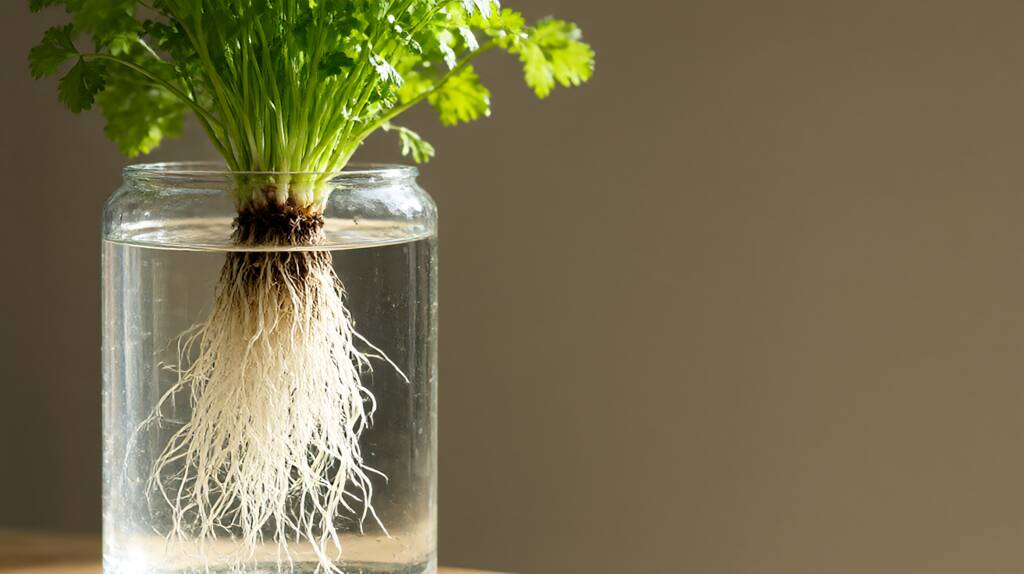
During the seedling stage, keep the medium moist but not saturated. The young roots are delicate and rot easily in standing water. In DWC systems, keep the water level just below the net pot base. In NFT, ensure the film of nutrient solution is thin and flowing.
Vegetative Growth and Harvesting
Cilantro reaches harvestable size in 3-4 weeks from germination. For system setup, see our hydroponic farm basics guide. The first harvest should be a light one, taking only the outer leaves and leaving the center intact. This encourages bushier growth and delays bolting.
Harvest in the morning when the leaves are cool and turgid. Use clean scissors to cut stems 2-3 cm above the base. Do not pull leaves, as this damages the plant and invites disease.
After the first harvest, the plant will produce new growth from the center. Harvest every 7-10 days, taking no more than one-third of the plant at a time. Over-harvesting stresses the plant and accelerates bolting.
The total productive lifespan is 6-8 weeks from germination. After that, the plant will bolt regardless of conditions. Plan successive sowings every 3-4 weeks for continuous harvest.
Common Problems
Bolting: The most common problem. The plant sends up a flower stalk and the leaves become bitter and sparse. Prevention is better than cure: keep temperatures below 24°C, limit light to 14 hours, and harvest regularly. Once bolting starts, the plant is done. Harvest what you can and start a new sowing.
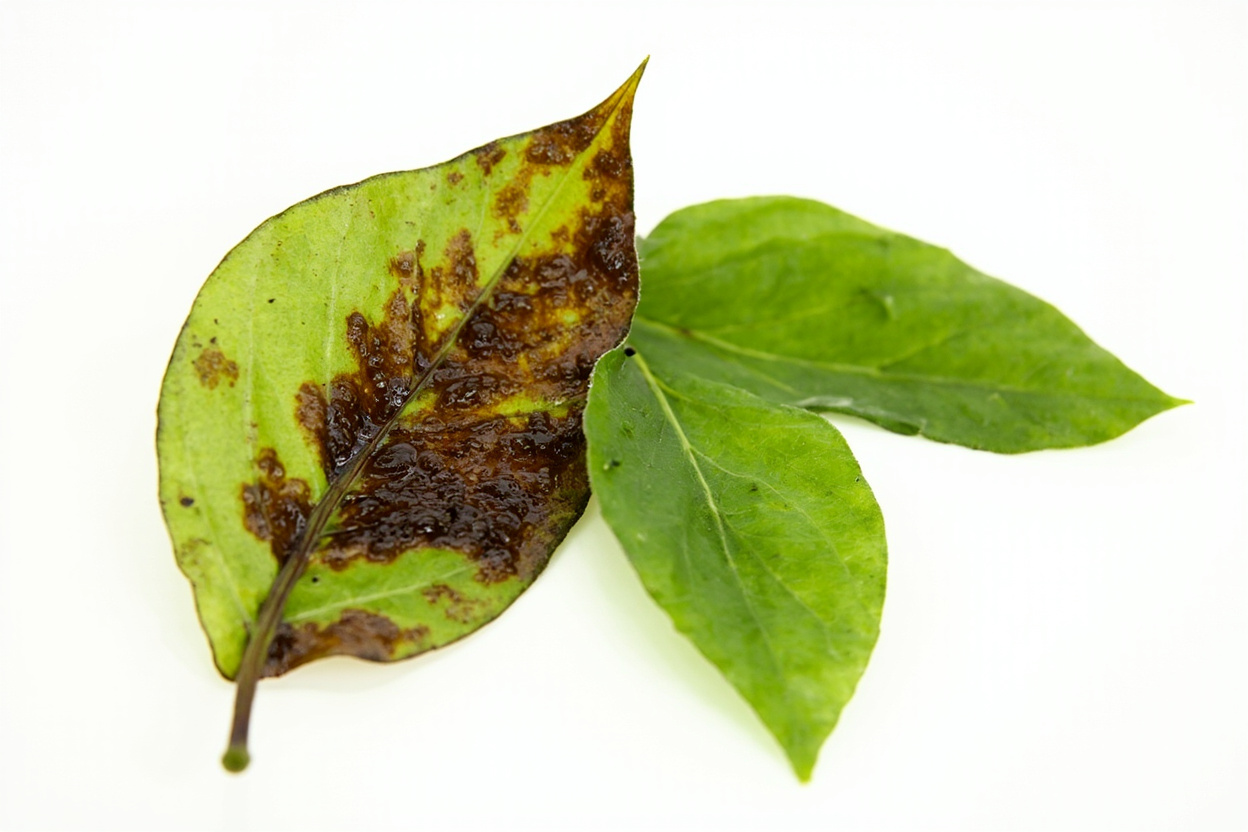
Yellowing leaves: Usually indicates nutrient deficiency or pH drift. Check EC and pH. If EC is low, increase nutrient concentration. If pH is high, adjust down. Yellowing can also indicate root rot from overwatering or high reservoir temperature.
Leggy growth: The plant stretches toward the light and produces long, weak stems. Increase light intensity or reduce the distance between the light and the plant. Cilantro needs bright light but not direct sun, which causes heat stress.
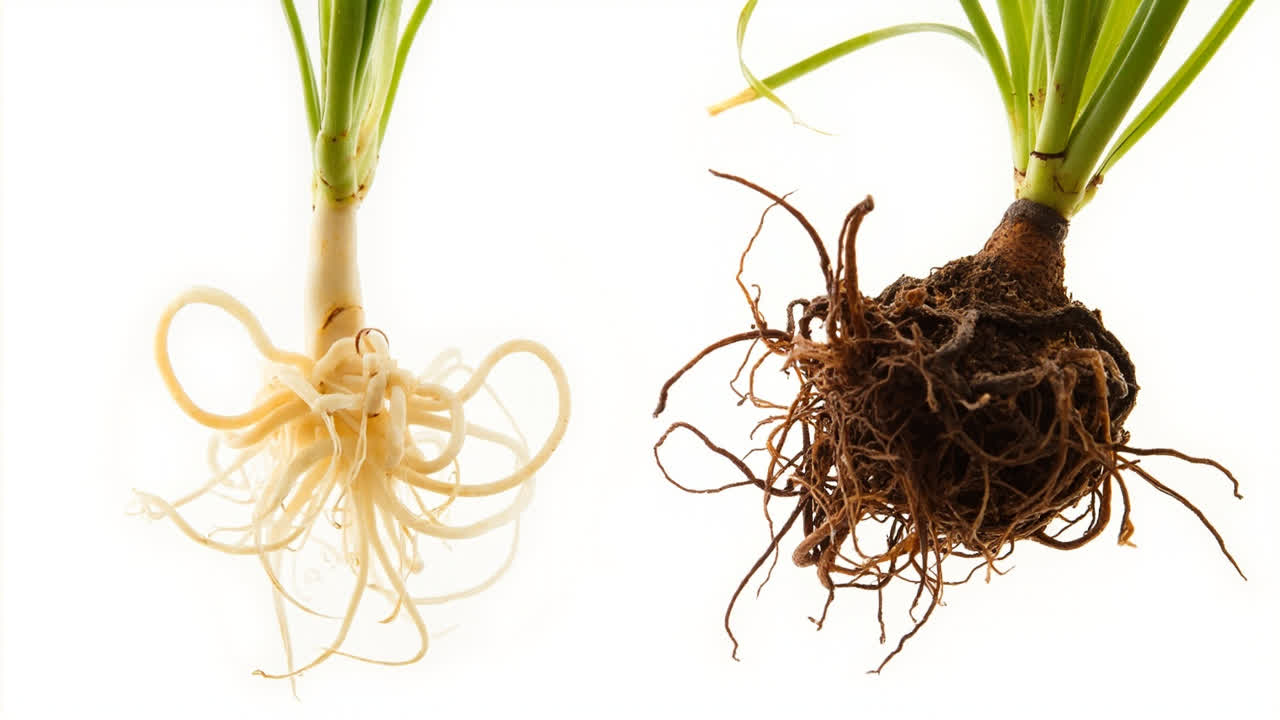
Root rot: Brown, mushy roots indicate root rot. This is usually caused by high reservoir temperature, low oxygen, or overwatering. Increase aeration with an air stone, reduce reservoir temperature, and ensure the growing medium drains well.
System Selection for Hydroponic Cilantro
Cilantro grows well in several hydroponic systems, but some are better suited than others. The choice affects root oxygen, nutrient delivery, and maintenance requirements.
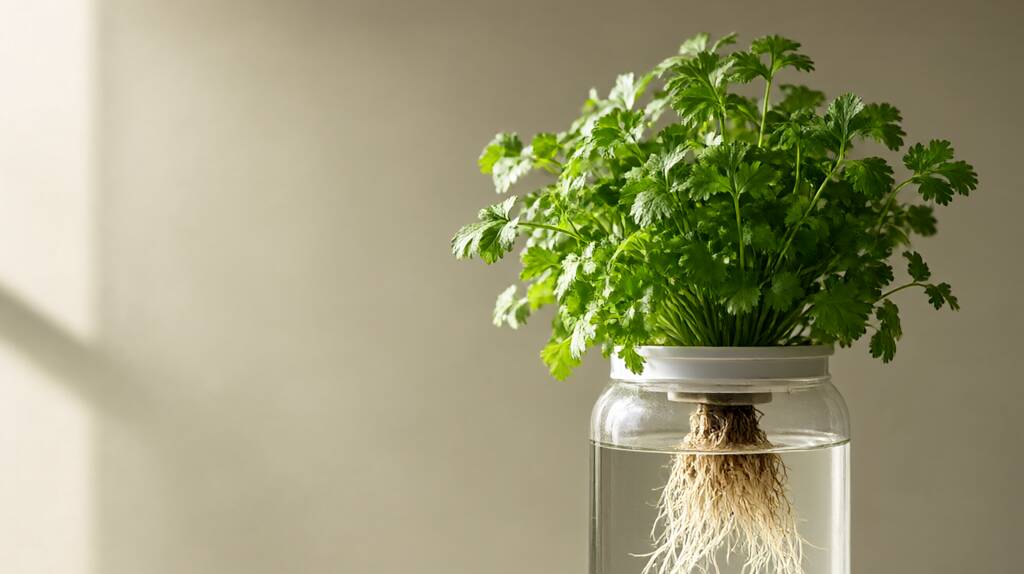
DWC (Deep Water Culture): The simplest system for cilantro. Roots sit in oxygenated nutrient solution. Easy to maintain and monitor. The main risk is high reservoir temperature in warm conditions.
NFT (Nutrient Film Technique): Good for cilantro because the thin film of nutrient solution provides excellent root oxygenation. The main risk is pump failure, which can dry out roots within hours.
Kratky Method: Passive, no pump required. Good for small-scale cilantro growing. The main risk is that the plant cannot adjust to changing conditions, and the nutrient solution becomes depleted as the plant grows.
Ebb and Flow: Good for cilantro because the periodic flooding and draining provides excellent root oxygenation. The main risk is overwatering if the flood cycle is too frequent.
For beginners, DWC is the best choice. It is simple, reliable, and produces good results with minimal maintenance.
Lighting for Hydroponic Cilantro
Cilantro needs 12-14 hours of light per day. More than 16 hours accelerates bolting. Less than 10 hours produces leggy, weak growth.
LED grow lights are the best choice for hydroponic cilantro. They produce less heat than HPS or HID lights, which helps keep the reservoir temperature low. Position the light 30-45 cm above the plants.
If using natural light, a south-facing window in winter provides ideal conditions. In summer, move to a cooler, less bright location to prevent bolting. Supplement with artificial light if natural light is insufficient.
Light intensity affects leaf size and color. Low light produces large, pale leaves. High light produces small, dark green leaves with stronger flavor. The ideal is bright, indirect light that provides enough energy for growth without causing heat stress.
Harvest cilantro in the morning when the leaves are cool and turgid. Use clean scissors to cut stems 2-3 cm above the base. Do not pull leaves, as this damages the plant.
For storage, wrap the cut stems in a damp paper towel and place in a plastic bag in the refrigerator. Cilantro keeps for 1-2 weeks this way. Alternatively, place the stems in a glass of water like a bouquet and cover with a plastic bag.
For longer storage, freeze cilantro in ice cube trays with water or olive oil. Frozen cilantro loses some texture but retains flavor. Dried cilantro loses most of its flavor and is not recommended.
Troubleshooting
Slow germination: Soak seeds for 24 hours before planting. Crush the husk to separate the two seeds. Maintain temperature at 20-22°C.
Leggy seedlings: Increase light intensity or reduce distance between light and plants. Ensure 12-14 hours of light per day.
Yellowing leaves: Check EC and pH. If EC is low, increase nutrient concentration. If pH is high, adjust down. If reservoir temperature is high, cool it.
Root rot: Increase aeration, reduce reservoir temperature, and ensure growing medium drains well. Remove affected roots and treat with hydrogen peroxide.
Premature bolting: Reduce temperature, limit light to 14 hours, and harvest regularly. Once bolting starts, the plant is done.
Cilantro grows well alongside other herbs in hydroponic systems. It pairs particularly well with basil, parsley, and dill. These herbs have similar EC and pH requirements, making them easy to grow together.
Avoid growing cilantro with heavy feeders like tomatoes or peppers. These plants require higher EC levels that will overfeed cilantro and accelerate bolting.
In NFT systems, plant cilantro in the same channel as other herbs with similar growth rates. This ensures even nutrient distribution and prevents one plant from dominating the channel.
Harvesting Strategy for Maximum Yield
The key to maximizing cilantro yield is regular, moderate harvesting. Never take more than one-third of the plant at a time. This encourages bushier growth and delays bolting.
Harvest from the outside in, taking the oldest leaves first. Leave the center intact to allow new growth. Rotate your harvest around the plant to ensure even growth.
For maximum flavor, harvest just before the plant bolts. The leaves are most flavorful in the 2-3 days before the flower stalk emerges. After bolting, the leaves become bitter and sparse.
Plan successive sowings every 3-4 weeks for continuous harvest. Start a new batch when the previous batch is 2 weeks old. This ensures a steady supply of fresh cilantro without gaps.
Nutrient Solution Management
Managing the nutrient solution is critical for hydroponic cilantro. The plant is sensitive to both overfeeding and underfeeding, and the margin between optimal and excessive is narrow.
Start with a half-strength nutrient solution for seedlings. Increase to full strength after the first true leaves appear. Monitor EC daily and adjust by adding water to dilute or nutrient concentrate to increase.
Change the nutrient solution every 7-10 days. This prevents nutrient depletion and salt buildup. Top up with fresh water between changes to maintain volume.
Monitor pH daily. Cilantro prefers 6.0-6.5. Use pH up or pH down to adjust. If pH drifts rapidly, check the nutrient solution concentration and the reservoir temperature.

The Bottom Line
Keep the reservoir below 22°C, maintain EC at 1.0-1.4, and harvest regularly. Coriandrum sativum is a sprint crop, not a marathon. Plan for 6-8 weeks of production and successive sowings. The plant will bolt eventually. Your job is to delay it as long as possible and harvest before it does.
Sources and further reading
- University of California Cooperative Extension – herb production.
- Cornell Extension – hydroponic herb production.
- Penn Extension – hydroponic cilantro guidelines.
Last reviewed on November 30, 2026. Plant and growing guidance is general; adjust to your specific conditions.