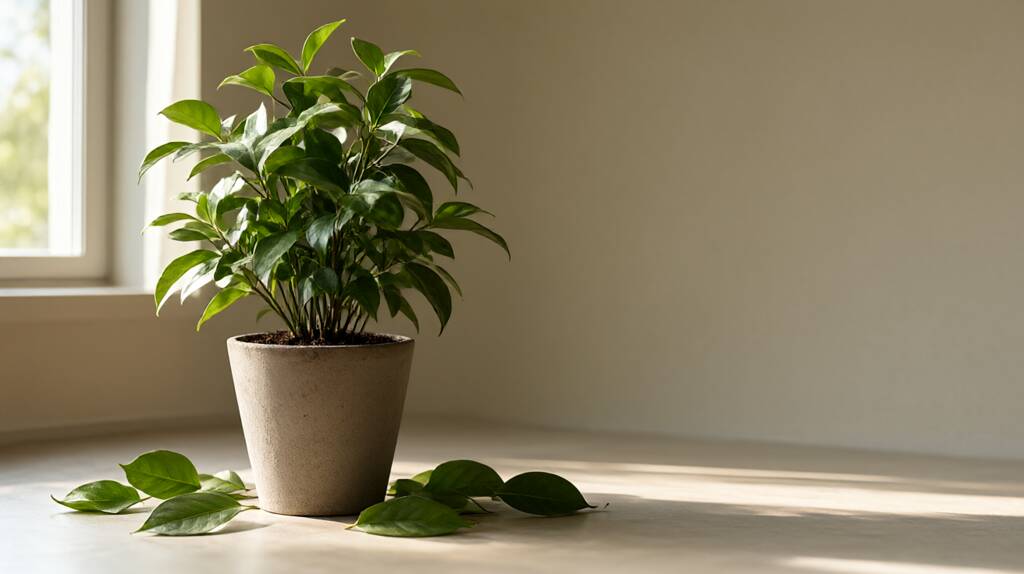

Leaf drop is a plant’s emergency exit. When a plant sheds leaves, it is not dying randomly. It is making a calculated decision to sacrifice foliage so the rest of the plant can survive. Understanding why it drops leaves is the difference between saving the plant and watching it decline further.
The most common mistake is assuming leaf drop means underwatering. It can mean that, but it can also mean overwatering, temperature shock, light change, or root rot. The fix depends entirely on the cause, and the wrong fix makes it worse.
Why Plants Drop Leaves
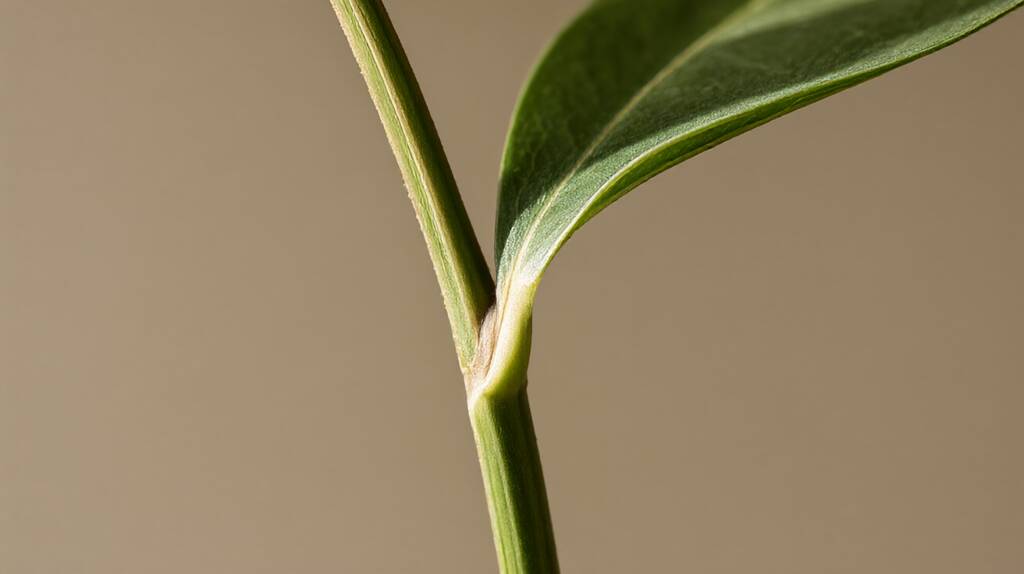
Plants drop leaves through a process called abscission. A specialized layer of cells at the base of the leaf stem weakens, and the leaf separates from the plant. This is a normal response to stress, not a disease. The plant is reducing its leaf surface area to match its available resources.
The trigger is usually a sudden change in conditions. A plant that has been stable for months and suddenly drops leaves is reacting to something that changed, not to a gradual decline. The question is what changed.
Diagnosis: What Changed?
Work through the possible causes in order of likelihood. The most common causes of sudden leaf drop in houseplants are watering changes, temperature shocks, light changes, and transplant shock.
Watering changes are the most frequent trigger. If you recently changed your watering schedule, either watering more or less than usual, the plant may drop leaves as it adjusts. Overwatering is more likely to cause leaf drop than underwatering, because saturated soil suffocates roots and the plant sheds leaves to reduce water demand.
Temperature shocks come from drafts, heating vents, air conditioning, or moving the plant outdoors and back. A sudden temperature drop of more than 5 degrees Celsius can trigger leaf drop within days. Plants near windows, doors, or vents are most vulnerable.
Light changes cause leaf drop when a plant is moved to a significantly darker or brighter location. The plant drops leaves that are no longer useful in the new light conditions and grows new ones adapted to the new environment. This is normal but alarming.
Transplant shock causes leaf drop when a plant is repotted, especially if the roots were disturbed or the new soil has different drainage. The plant adjusts by shedding leaves while it re-establishes its root system.

Watering-Related Leaf Drop
Overwatering causes leaf drop by suffocating roots. When soil stays saturated, roots cannot access oxygen and begin to rot. The plant responds by dropping leaves to reduce its water demand. The leaves that drop are often yellow and soft, and the soil feels wet.
Underwatering causes leaf drop when the plant cannot maintain turgor pressure in its leaves. The leaves wilt, then drop. The soil feels dry, and the leaves that fall are often crispy and brown at the edges before dropping.
The fix for overwatering is to let the soil dry, check for root rot, and reduce watering frequency. The fix for underwatering is to water thoroughly and establish a consistent schedule. The two require opposite actions, so diagnosis matters.
Temperature and Environment Shocks
Cold drafts from windows, doors, or air conditioning vents can cause rapid leaf drop. The leaves do not have time to adjust and fall off within days. Move the plant away from the draft source and maintain consistent temperatures.
Heating vents create the opposite problem. Hot, dry air from a vent can desiccate leaves and cause them to drop. The fix is to move the plant away from the vent or increase humidity.
Outdoor-to-indoor transitions cause leaf drop because the light, humidity, and temperature change simultaneously. Gradual acclimation over two to three weeks reduces the shock. Move the plant to a transitional spot with intermediate conditions before bringing it fully indoors.
Root Rot and Leaf Drop
Root rot is the most dangerous cause of leaf drop because it is progressive. The roots rot, the plant cannot take up water, and it drops leaves as it declines. The leaves often yellow from the bottom up, and the plant may wilt despite wet soil.
Check the roots by gently removing the plant from its pot. Healthy roots are white or light tan and firm. Rotted roots are brown or black, mushy, and smell bad. If you find rot, trim the affected roots, repot in fresh dry mix, and reduce watering.
For a detailed rescue protocol, see root rot diagnosis and rescue. For general diagnosis, see plant diagnosis.
When Leaf Drop Is Normal
Some leaf drop is normal and not a cause for alarm. Deciduous plants drop leaves seasonally. Plants adjusting to a new location drop old leaves as they grow new ones. Lower leaves naturally yellow and drop as the plant grows upward.
The key distinction is rate and pattern. Normal leaf drop is gradual, with a few leaves at a time. Stress-induced leaf drop is sudden, with many leaves dropping within days. If the plant is still producing new growth, the leaf drop is likely adjustment, not decline.
What to Do When Your Plant Drops Leaves
Do not panic and do not overcorrect. The first step is to identify what changed. Check the soil moisture, the temperature near the plant, and the light level. If you recently repotted, watered differently, or moved the plant, that is likely the cause.
Second, stabilize the conditions. Stop changing things. Give the plant consistent water, light, and temperature for two to three weeks. Plants recover from shock when conditions stabilize.
Third, check the roots if the plant continues to decline. Root rot is the most common hidden cause of progressive leaf drop. If the roots are rotting, address that first.
Fourth, remove dead leaves but do not prune healthy ones. The plant needs its remaining leaves to recover. Removing green leaves reduces its ability to photosynthesize and slows recovery.
For a broader diagnosis framework, see yellow leaves on plants and how to save a dying plant.
Last reviewed on November 10, 2026
Sources and further reading: The Spruce, why plants drop leaves; Gardening Know How, leaf drop causes; Bloomscape, plant leaf drop diagnosis.