
When a strawberry plant shows signs of decline, most gardeners react instinctively – water more, add fertilizer, or replace it entirely. But these responses often make things worse because they treat symptoms rather than causes. A dying strawberry plant needs diagnosis first, then targeted action. Strawberry varieties differ by fruiting cycle: June-bearing strawberries produce one concentrated harvest, everbearing varieties fruit twice in a season, and day-neutral strawberries flower continuously when temperatures stay between 35 and 85 degrees Fahrenheit.
When a strawberry plant shows signs of decline, the instinctive reaction is to water more, add fertilizer, or replace the plant entirely. Strawberry varieties differ by fruiting cycle: June-bearing strawberries produce one concentrated harvest, everbearing varieties fruit twice in a season, and day-neutral strawberries flower continuously when temperatures stay between 35 and 85 degrees Fahrenheit.
Most of these responses make the problem worse because they address the symptom rather than the cause.
A dying strawberry plant requires the same triage approach used in medicine – identify the problem before applying treatment.
The Rescue Triage: Diagnose Before You Act
The diagnostic process starts with three observations that take less than two minutes.
First, check the soil moisture at root depth by digging down 2 to 3 inches. Wet and soggy soil points to root rot. Dry and crumbly soil suggests underwatering or root damage.
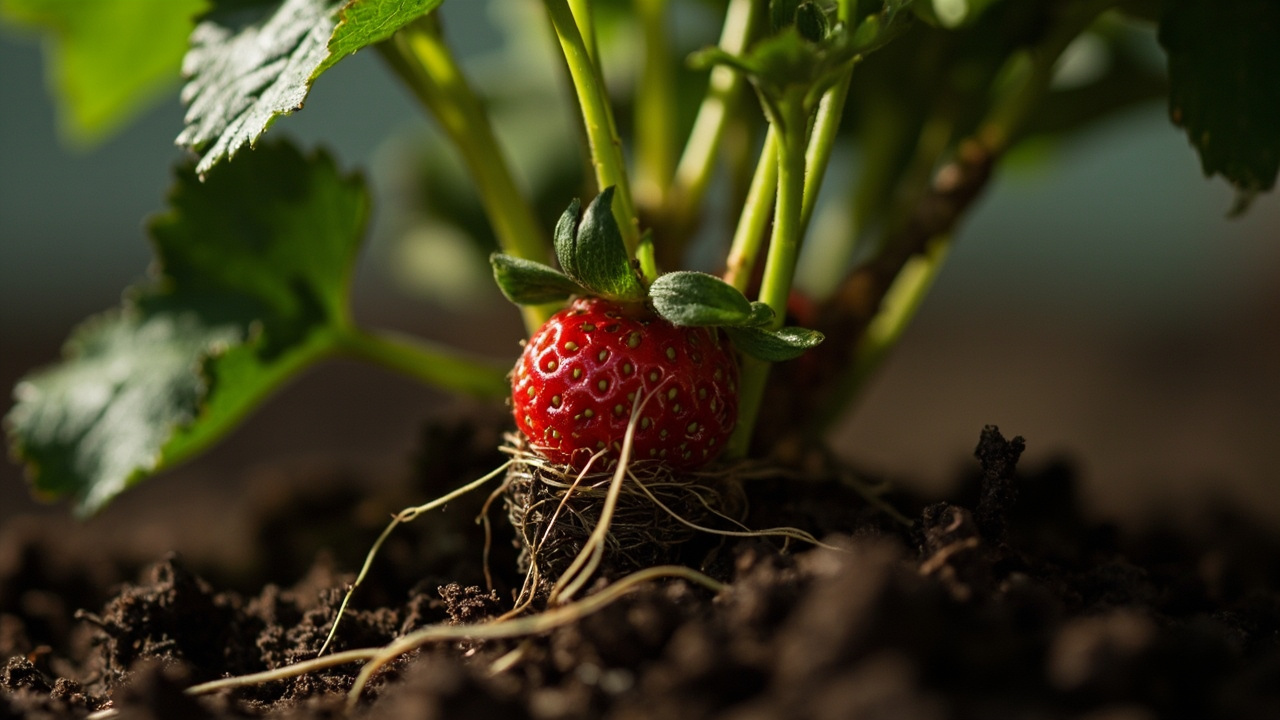
Second, examine the crown where leaves emerge from the roots. A soft, brown, or black crown indicates crown rot. A firm, green crown means the problem is elsewhere. Proper sunlight exposure, at least 6 hours of direct sun daily, supports photosynthesis and helps the plant build reserves against root rot stress.
Third, look at the leaf pattern. Yellowing from the outside in suggests nutrient deficiency or overwatering. Wilting with green leaves suggests root problems. Wilting with brown leaves suggests vascular wilt.
These three observations narrow the diagnosis to one of four categories: root and crown rot, transplant shock, vascular wilt, or nutrient deficiency. Each category has a distinct cause, treatment, and prognosis. The sooner you correctly identify the category, the higher the chance of saving the plant.
Once you have made the initial diagnosis, the rescue protocol follows a consistent sequence: remove damaged tissue, correct the growing environment, support recovery with minimal intervention, and monitor for improvement.
This sequence works for every category of decline, though the specific actions vary depending on the diagnosis.
Crown and Root Rot – The Most Common Killer
Root rot and crown rot are the leading causes of strawberry plant death and are caused by soil-borne pathogens that thrive in wet conditions. The primary offenders are Phytophthora, Rhizoctonia, and Pythium species, which attack the fibrous root system and the crown tissue where leaves emerge from roots. These pathogens spread through waterlogged soil and can persist in infested beds for several years.
The symptoms are distinctive and progressive. Early signs include wilting leaves during the warmest part of the day, soft or mushy crowns, and a brown discoloration inside the crown when sliced.
Immediate action is critical for plants in the early stages. Stop watering, improve drainage, and remove infected plants from the bed to prevent spread to healthy neighbors.
The most important step in rescue is correcting the drainage. Move container plants to a drier spot, or amend garden soil with coarse sand and compost to restore porosity.
After treatment, keep soil consistently moist but never waterlogged. Water only when the top inch of soil feels dry, and water at the base to keep foliage dry.
Transplant Shock – Recovery After Moving or Dividing
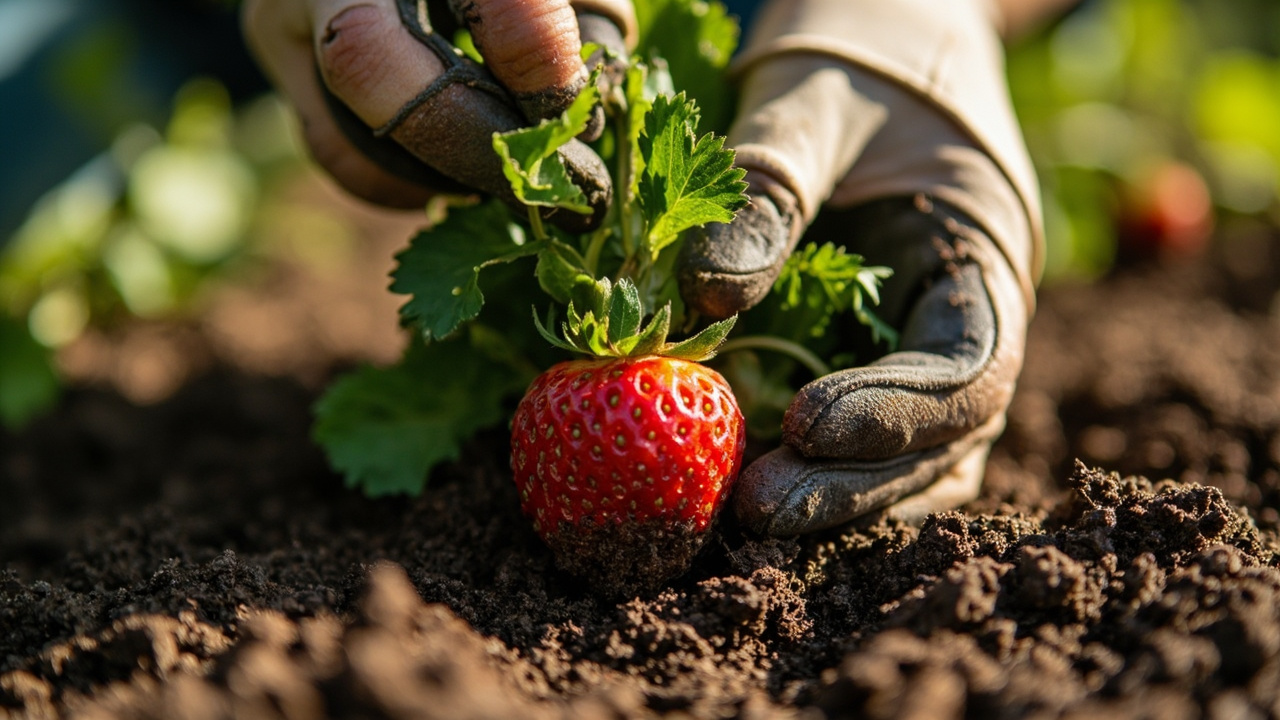
Transplant shock occurs when strawberry plants are moved from containers to the ground, divided from mature clumps, or disturbed during weeding or renovation. The stress of root disturbance causes the plant to wilt, yellow, or stop growing as it redirects energy toward root regeneration rather than leaf production.
The symptoms of transplant shock are often mistaken for root rot. Leaves wilt and yellow, growth stops, and the plant may appear to be dying despite moist soil.
Rescue begins with reducing additional stress on the plant. Shade the affected plants with 30 to 50 percent shade cloth for three to five days to reduce transpiration while roots regenerate. Water deeply but infrequently, allowing the top inch of soil to dry between waterings. Avoid fertilizing, as fresh roots cannot absorb nutrients and fertilizer salts will cause additional damage.
If the plant is in a container and the roots have become pot-bound, gently tease them apart before replanting into fresh soil.
Recovery is typically complete within 10 to 14 days for healthy transplants. Keep the plant in shade during this period and water consistently.
Vascular Wilt Diseases – When the Plant Cannot Be Saved
Verticillium wilt and Fusarium wilt are soil-borne fungal diseases that infect the vascular system of strawberry plants, blocking water and nutrient transport. Unlike root rot, which attacks external tissues, vascular wilt internalizes within the stem and crown, making it invisible from the outside until symptoms become severe.
The diagnostic sign of vascular wilt is brown discoloration in the vascular tissue when you cut through the crown vertically.
External symptoms include sudden wilting of individual leaves, often on one side of the plant, while other leaves remain green.
Once vascular wilt is confirmed, there is no effective treatment. Remove and destroy infected plants to limit spread.
Soil infested with Verticillium or Fusarium remains infective for years. Avoid replanting strawberries in the same location.
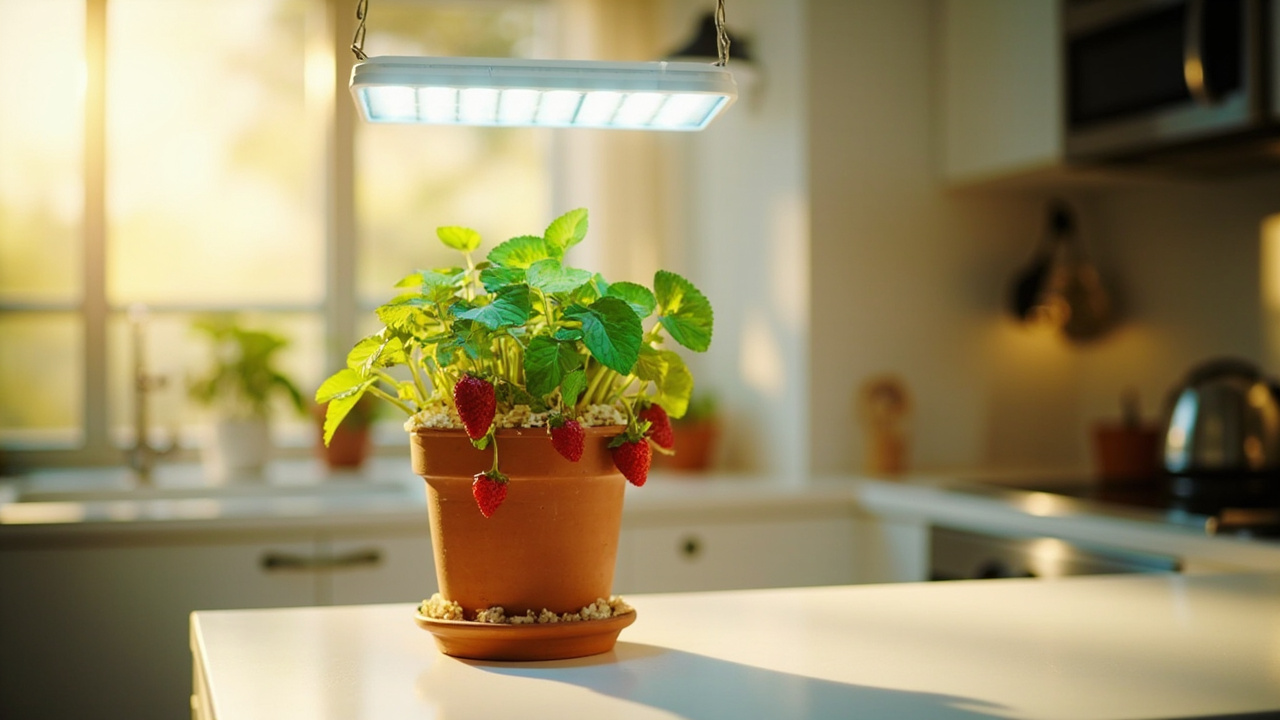
Related guides: Why Strawberry Leaves Turn Yellow and Strawberry Pest Identification cover the most common causes of decline. Strawberry variety selection affects fruit set timing, and plants grown indoors under a grow light avoid etiolation that occurs in low-light conditions.
Why Early Diagnosis Matters
Most strawberry decline happens because gardeners react to symptoms instead of causes. When leaves yellow, the instinct is to water more, but overwatering is often the actual problem.
The Crown Rot Connection
Crown rot is the leading cause of sudden strawberry decline. The crown, where stems emerge from roots, sits at soil level and is vulnerable to fungal invasion when moisture persists.
Soil Drainage Requirements
Strawberries require well-drained soil with a pH between 5.5 and 6.8. Waterlogged soil suffocates roots within 48 hours, creating conditions for Phytophthora.
Why Early Diagnosis Matters
Most strawberry decline happens because gardeners react to symptoms instead of causes. When leaves yellow, the instinct is to water more – but overwatering is often the actual problem. Understanding the difference between underwatering stress and root rot saves plants that would otherwise be lost. Soil pH outside the 5.5 to 6.8 range prevents nutrient uptake even in well-amended soil, so testing before planting saves years of poor growth.
The Crown Rot Connection
Crown rot is the leading cause of sudden strawberry decline. The crown – where stems emerge from roots – sits at soil level and is vulnerable to fungal invasion when moisture persists. Once fungi infect the crown, the plant cannot recover, which is why prevention matters more than treatment. Strawberries entering dormancy in fall benefit from a 4-inch mulch layer that prevents freeze-thaw heaving of bare root crowns and supports healthy overwintering.
Soil Drainage Requirements
Strawberries require well-drained soil with a pH between 5.5 and 6.8. Waterlogged soil suffocates roots within 48 hours, creating conditions for Phytophthora and Pythium fungi. Raised beds or containers with drainage holes prevent this problem. Wilting from root damage reduces photosynthesis even when the plant sits in partial shade, so diagnosing the cause matters more than adjusting light exposure. Propagation by division, by seed, or by transplanting runners all work, but runners left on fruiting plants reduce fruit set in the parent crown.
Why Prevention Beats Treatment
Strawberry plants die from crown rot because the fungus enters through wounded tissue when soil stays wet. Once the crown is infected, the plant cannot recover – which is why proper drainage matters more than any cure.
Why Prevention Beats Treatment
Strawberry plants decline rapidly when crown rot establishes because infection spreads through the vascular system within 48 hours of waterlogging. Quick diagnosis prevents irreversible damage.
The Crown Rot Connection
Crown rot is the leading cause of sudden strawberry decline. The crown sits at soil level and is vulnerable to fungal invasion when moisture persists. Once fungi infect the crown, the plant cannot recover, which is why prevention matters more than treatment.
Why Prevention Beats Treatment
Strawberry plants decline rapidly when crown rot establishes because infection spreads through the vascular system within 48 hours of waterlogging. Quick diagnosis prevents irreversible damage.
The Crown Rot Connection
Crown rot is the leading cause of sudden strawberry decline. The crown sits at soil level and is vulnerable to fungal invasion when moisture persists. Once fungi infect the crown, the plant cannot recover, which is why prevention matters more than treatment.
Why Prevention Matters More Than Treatment
Strawberry plants die from crown rot because the fungus invades through wounded tissue when soil stays wet for more than 48 hours. Once infected, the plant cannot recover.
Root Rot vs Overwatering Stress
Root rot and overwatering stress look similar but have different causes. Root rot happens because pathogens enter through damaged roots in waterlogged soil.
Turn any PDF statement into a clean sheet
Skip the typos and the hours of copying. Our converter handles any bank statement format and outputs Excel, CSV, or QBO for QuickBooks. No file retention, free to try.
Convert your statement