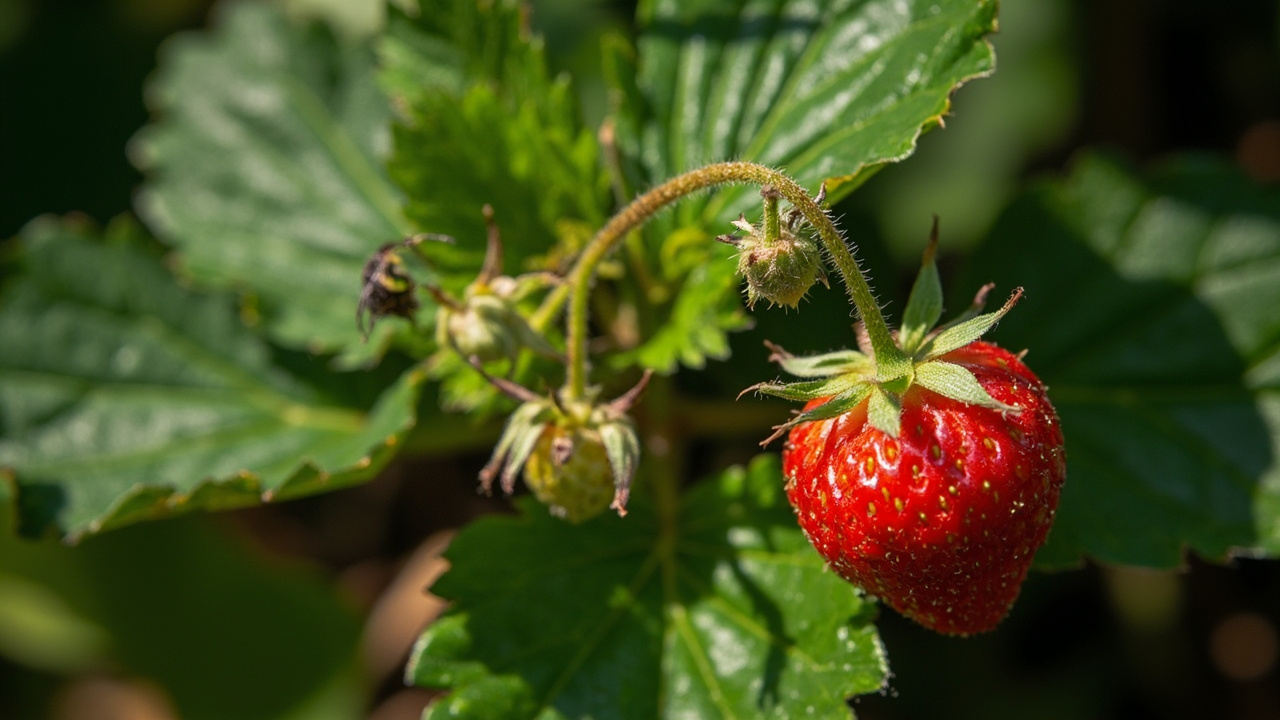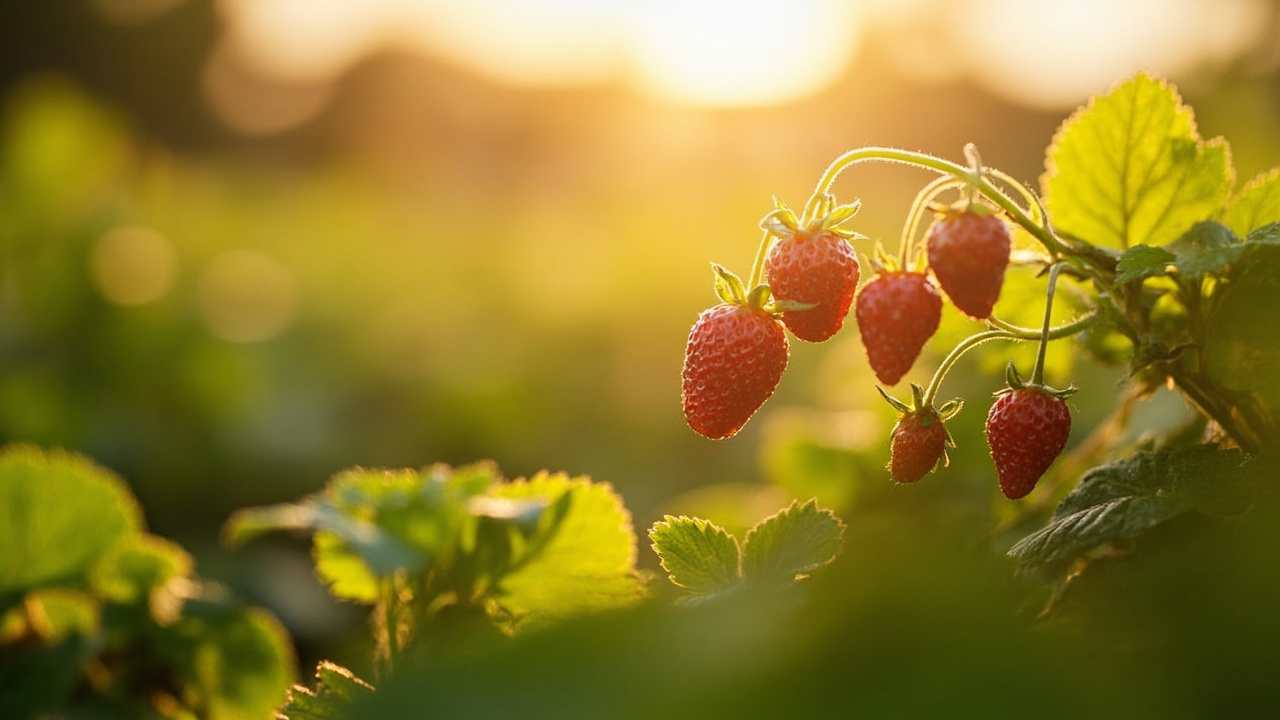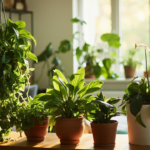

Yellowing strawberry leaves are a distress signal, not a cosmetic issue , each pattern of yellow tells you exactly what is wrong, and catching it early means the difference between a full harvest and a dead patch. The key is to stop treating the symptom and start reading the pattern: is the yellowing on the oldest leaves or the newest? Are the veins green or yellow too? Is the soil wet or bone-dry? These questions narrow the cause down to one of four main buckets, and each bucket has a fix that is straightforward if you diagnose it correctly. Yellowing leaves often follow insufficient sunlight or prolonged overcast weather, and indoor plants showing etiolation from low light also develop yellowed, elongated foliage.
The Four Main Causes of Yellow Strawberry Leaves
Before diving into each cause, use this quick diagnostic: check whether yellowing starts on old or new leaves, whether veins stay green, and whether the plant wilts.
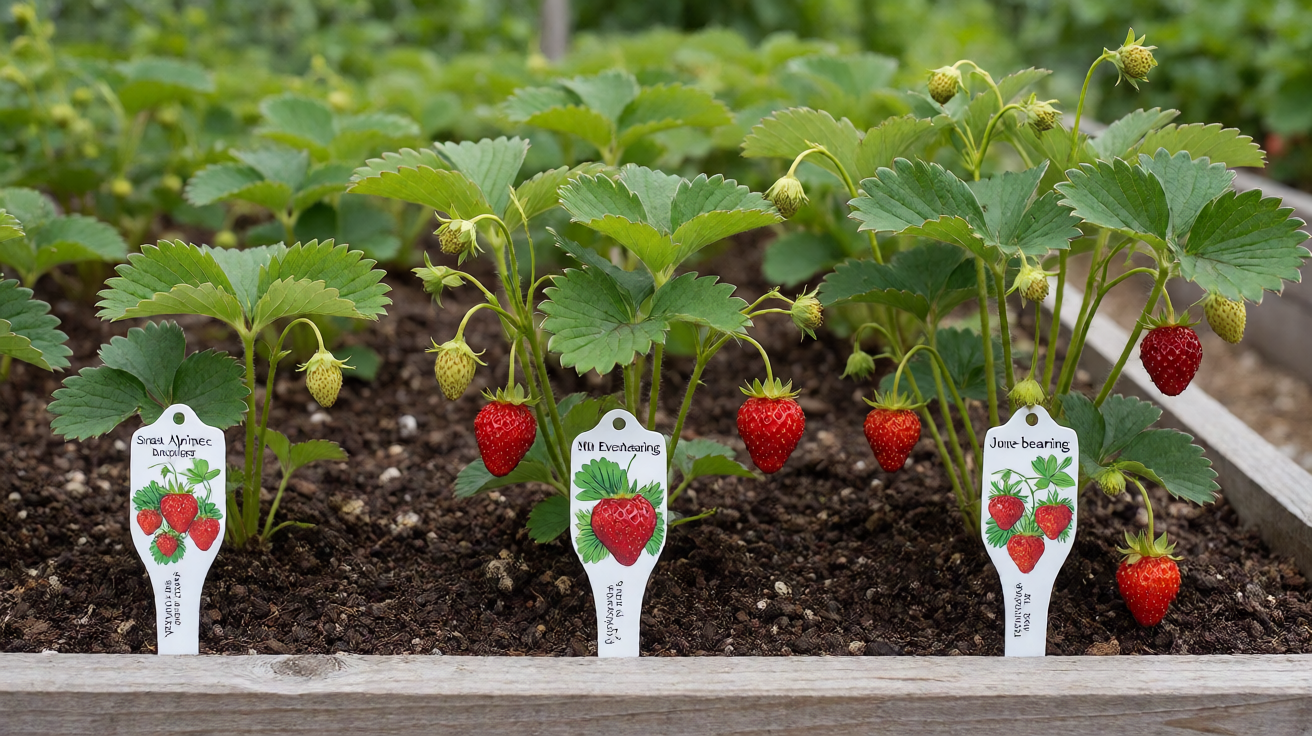
For June-bearing varieties, flower bud initiation begins in late summer during the short-day photoperiod before winter dormancy. Managing plant health in August and September matters just as much as spring fertilizing, because the flower buds that form during this window determine next spring’s crop. Everbearing and day-neutral varieties do not rely on photoperiod for flower bud initiation and will produce flower spikes throughout the growing season as long as temperatures remain favorable. For help identifying your strawberry type, see our strawberry varieties guide. Overwintering strawberry crowns need a 4-inch straw mulch layer after the first hard frost to prevent freeze-thaw heaving.
Nitrogen Deficiency , The Most Common Cause
Nitrogen deficiency is the number-one reason strawberry leaves turn yellow. Older leaves yellow first while veins stay green, and growth stalls as the deficiency progresses.
Strawberries are heavy nitrogen feeders. A bare-root transplant in spring pulls heavily from available nitrogen, and if the soil was not amended with compost, older leaves yellow within three to four weeks. Heavy feeders need proper spacing for airflow, consistent soil moisture, and balanced nutrition. Variety selection matters: day-neutral and everbearing types need different nitrogen timing than June-bearing.
The fix is a targeted nitrogen application: a balanced granular fertilizer applied at planting and again in early spring delivers enough nitrogen to support fruit production.
Organic gardeners can use composted manure, blood meal, or well-composted leaf mold worked into the soil at planting time and side-dressed mid-season. Coffee grounds are sometimes recommended, but they break down too slowly to correct an active deficiency and should be used only as a slow-release top dressing, not as a quick fix. If the plant is already showing significant yellowing, a foliar feed of liquid seaweed sprayed directly on the leaves can provide a faster nitrogen boost while the soil treatment takes effect.
Iron Chlorosis , Yellow Leaves with Green Veins
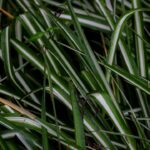
Iron chlorosis has a very specific visual signature that distinguishes it from nitrogen deficiency: the leaves turn yellow between the veins while the veins themselves stay bright green. This creates a striking lace-like pattern that is unmistakable once you know what to look for. The yellowing appears first on the newest leaves at the top of the plant because iron is an immobile nutrient, the plant cannot move iron from old leaves to new ones, so new growth shows the deficiency first while older leaves remain green. Iron chlorosis differs from wilting caused by water stress: leaves stay turgid but lose green color between veins.
The root cause is almost always soil pH above 6.5. When pH rises above 6.5, iron becomes chemically locked in the soil and unavailable to roots. This is especially common in regions with alkaline well water or limestone-rich soils.
To fix iron chlorosis, lower the soil pH and make iron available again. Elemental sulfur applied 1 to 2 tablespoons per plant worked into the top inch of soil reacts slowly with soil microbes to lower pH over 4 to 8 weeks. For a faster temporary fix, apply chelated iron (Fe-EDTA or Fe-DTPA) as a soil drench or foliar spray.
Prevention is more effective than correction. Before planting, test soil pH and amend to 5.5 to 6.8. Strawberries grown in full sun with proper spacing resist yellowing.
Overwatering and Root Rot
Overwatering is the second most common cause. The yellowing is different from nitrogen deficiency: the entire plant yellows, including newer leaves, and the leaves may feel soft and limp. The plant may also wilt despite wet soil, which is the key diagnostic clue.
When soil stays saturated for more than 24 to 48 hours, root cells begin to die from lack of oxygen. Root rot pathogens such as Phytophthora and Pythium then colonize the dying roots. The yellowing spreads rapidly once root rot is established.
The fix depends on severity. For early-stage overwatering, stop watering and improve drainage. For established root rot, the plant may not recover.
For established root rot, the plant may not recover, especially if the crown is soft and mushy at the soil line. In that case, remove the plant and dispose of it, do not compost it, as Phytophthora spores can survive in compost for years. Replace the soil in the planting area with fresh, well-draining mix, and do not replant strawberries in the same spot for at least one full growing season.
When to Suspect Disease or Virus
Not all yellowing is nutritional or water-related. Fungal leaf spots typically appear as circular or irregular yellow or brown spots with dark margins. Viral infections produce mosaic patterns, a mottled mix of light and dark green.
Fungal leaf spots on strawberries are usually caused by species of Mycosphaerella or Dolichode, which thrive in warm, humid conditions with poor air circulation. These fungi spread through splashing water, so overhead watering and dense planting make outbreaks worse. The fix is to remove infected leaves, thin the planting to improve air flow, and water at the soil level rather than over the foliage.
Viral yellowing is harder to manage because there is no cure for viral infections in strawberries. Strawberry mottle virus, strawberry crinivirus, and strawberry latent cyst virus all produce yellowing patterns, but they are transmitted primarily by aphids and through infected planting stock. If you suspect a virus, remove the infected plants and destroy them. Do not replant strawberries in the same bed for two years, and start from certified virus-free bare-root stock next season. For detailed pest and disease identification, see our strawberry leaf problems page.
Prevention and Seasonal Care
Identifying the cause of yellow leaves is only the first step. Strawberries that overwinter successfully in well-drained soil with proper mulch and a balanced fertility program are far less likely to show yellowing the following spring.
For strawberry varieties that flower in late summer before dormancy, late-summer nitrogen management is critical. A light side-dress of compost or blood meal in August supports flower bud development for next spring.
Shade-tolerant strawberry varieties exist but produce significantly fewer flowers and smaller berries than full-sun varieties. If your planting site receives only 4 to 6 hours of direct sun, consider growing day-neutral or everbearing varieties in containers that you can move to sunnier positions. Photosynthesis efficiency drops sharply below 6 hours of direct sun, and no amount of fertilizer can compensate for the energy deficit.
Grow light supplementation is a practical solution for indoor strawberry production. A full-spectrum LED panel positioned 6 to 12 inches above the canopy for 14 to 16 hours daily provides the light intensity that day-neutral varieties need for continuous fruit production.
Throughout the growing season, remove runner tips and spent flower spikes to prevent the plant from wasting energy on structures that are no longer productive. For June-bearing varieties, this means aggressive runner removal after the spring harvest.
The single most important rule for yellow strawberry leaves is to diagnose before you act. Applying fertilizer to a waterlogged plant wastes money and may accelerate root rot. Take five minutes to match the leaf pattern to the cause, then apply the targeted fix. Most cases of yellowing resolve within 7 to 14 days of the correct treatment.
Chlorophyll Breakdown Mechanism
Yellowing leaves result from chlorosis, chlorophyll breakdown that occurs because nitrogen mobility in strawberry tissue allows the plant to relocate nutrients from older leaves to new growth. When soil nitrogen depletes, the plant sacrifices mature leaves first, creating the characteristic marginal yellowing pattern that gardeners recognize as the first distress signal.
Iron Deficiency Diagnostic
Iron deficiency causes interveinal chlorosis where veins remain green while tissue yellows, this pattern differs from nitrogen deficiency that yellows the entire leaf uniformly. Correct diagnosis matters because iron chelate treatments won’t fix nitrogen starvation, and vice versa. Soil pH above 7.0 locks iron availability, making it unavailable even when present in the soil.
Diagnosis by Leaf Position
The position of yellowing tells you which nutrient is deficient. Yellowing starts on older leaves when the deficient nutrient is mobile, nitrogen, phosphorus, potassium move freely within the plant. Yellowing starts on new leaves when the nutrient is immobile, iron, calcium, magnesium cannot relocate from old tissue to new growth.
For a sibling diagnosis on the opposite problem, leaves that curl and feel soft rather than turn yellow. See our strawberry leaves curling and soft guide.
Turn PDF Bank Statements Into Workable Spreadsheets
Your bank statement is a mess of numbers, but your books shouldn't be. Use our converter to get Excel, CSV, or QBO files — ready for QuickBooks.
Try It Free Now